




TL;DR:
Sizing a solar DC submersible pump for agriculture requires calculating your daily water demand, measuring total dynamic head (well depth plus pipe friction), and matching those figures to the right pump, solar panels, and controller. Getting these three variables right ensures consistent, off-grid irrigation with no fuel costs.
Running irrigation in a remote field is a logistics problem. Diesel generators need fuel deliveries. Grid connections need infrastructure that can cost tens of thousands of dollars per kilometer in rural areas. Solar-powered water pumps sidestep both issues entirely—no fuel, no grid, no recurring utility bills.
The challenge is that a solar DC submersible pump system only performs well when it's sized correctly. Too small a pump and crops go dry on peak demand days. Too large, and you've overspent on panels and hardware that deliver more water than you'll ever use. This guide walks through every variable you need to calculate before purchasing, so you can build a reliable off-grid irrigation system that matches your land, your crops, and your local sunlight conditions.
Table of Contents
What Is a Solar DC Submersible Pump—and Why Does It Suit Agriculture?
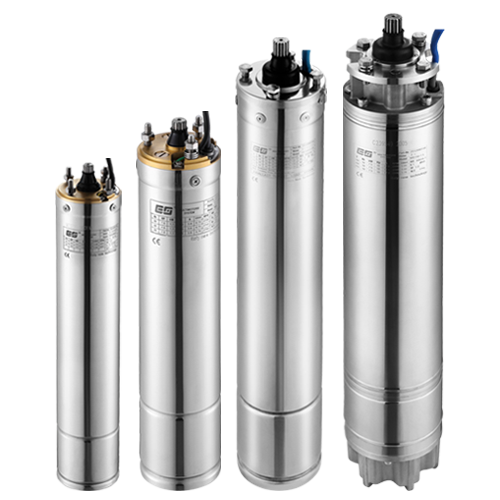
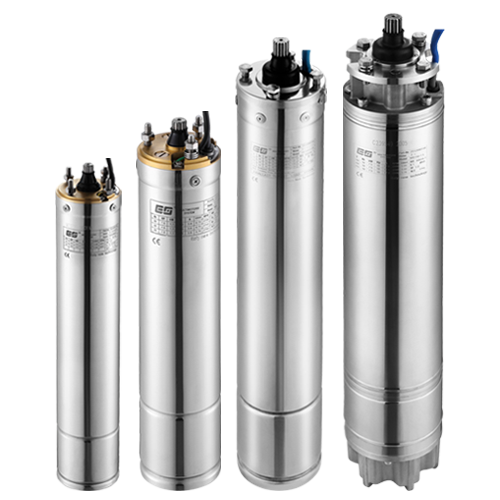
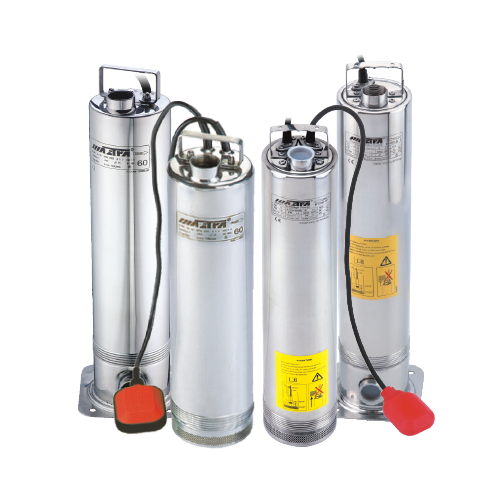
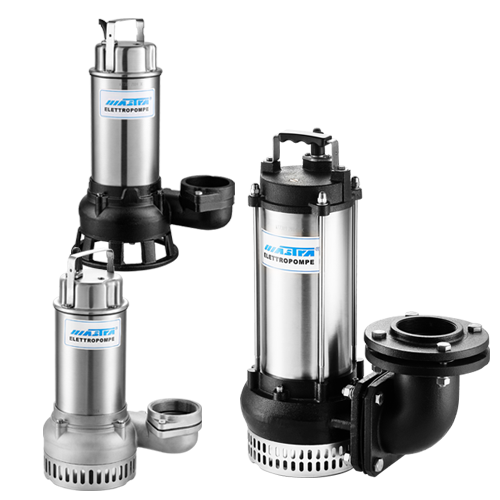
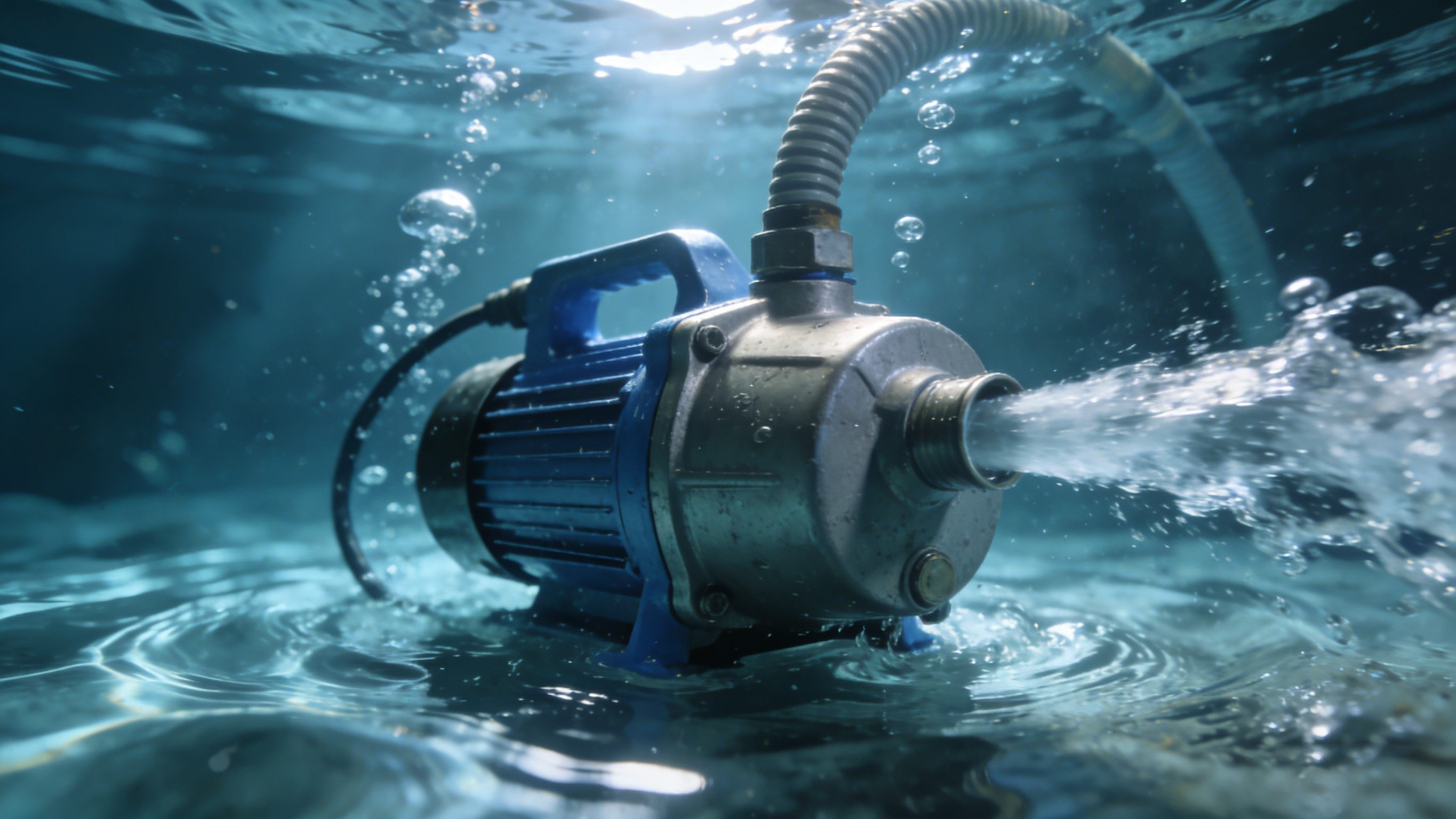
A DC submersible pump is an electric pump that sits submerged inside a borehole or well and draws water upward using direct current (DC) electricity. When paired with photovoltaic (PV) solar panels, the pump runs entirely on solar energy during daylight hours, with no AC conversion losses.
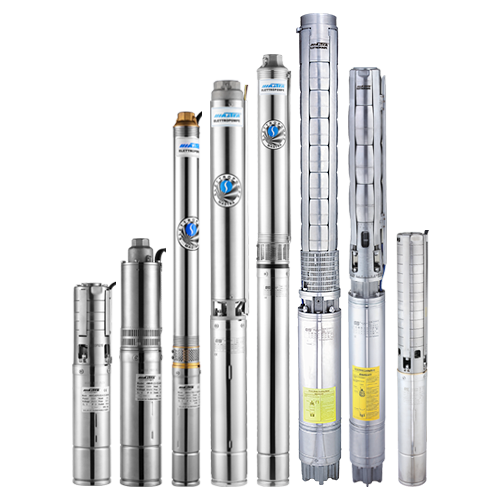
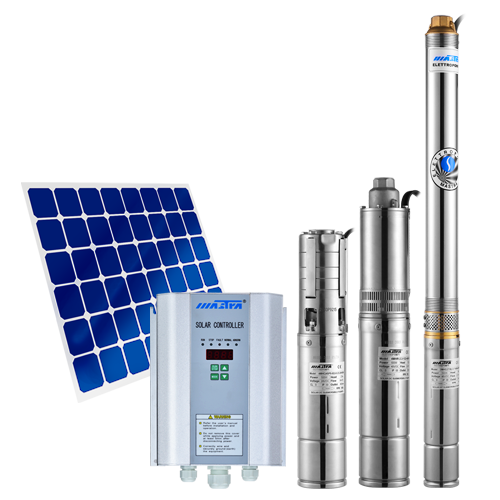
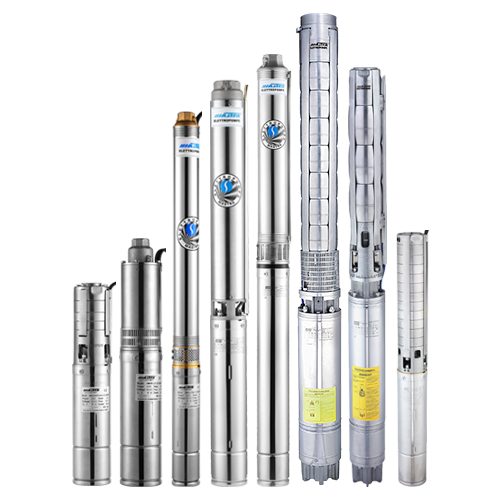
This makes the solar DC submersible pump particularly well-suited to agricultural irrigation in remote areas. The pump motor receives power directly from the panels through a solar pump controller, which optimizes voltage and protects the motor from fluctuations caused by cloud cover or partial shading. MASTRA's DC submersible pump range, for example, includes models like the R95-DF and R95-BF, specifically engineered for agricultural solar irrigation applications.
Three qualities make the DC solar configuration preferable to AC alternatives for off-grid farms:
Higher efficiency: DC motors convert more electrical input into mechanical pumping energy, reducing the solar panel capacity needed
No inverter required: Eliminating the AC inverter removes a common failure point and cuts system cost
Variable speed operation: Solar pump controllers adjust pump speed to match available sunlight, protecting the motor on cloudy days

Welcome to MASTRA PUMP
How Do You Calculate Water Demand for Agricultural Irrigation?
Before selecting any pump, you need to know your daily water requirement in cubic meters or liters per hour. This figure drives every downstream decision in the system.
Start with your irrigated area and crop type. General reference values for daily water demand per hectare include:
Vegetables: 40–60 m³/day per hectare
Fruit trees: 30–50 m³/day per hectare
Cereal crops (wheat, maize): 20–35 m³/day per hectare
Drip-irrigated crops: 15–25 m³/day per hectare (due to higher application efficiency)
Multiply daily demand per hectare by your total cultivated area. Then divide by the number of effective peak sun hours (PSH) at your location to get the required flow rate in m³/hour. For example, a 2-hectare vegetable farm needing 50 m³/day in a region with 6 PSH requires a pump capable of delivering at least 8.3 m³/hour (50 ÷ 6).
What Is Total Dynamic Head, and How Do You Measure It?
Total dynamic head (TDH) is the combined resistance a pump must overcome to deliver water. Misjudging TDH is the most common sizing error in solar irrigation pump selection. TDH has three components:
1. Static head: The vertical distance from the water surface in the well to the point of discharge. If the water table sits 30 meters below ground and the discharge point is 5 meters above ground level, static head equals 35 meters.
2. Friction losses: Pressure lost to pipe friction as water travels through delivery lines. Friction loss increases with pipe length, smaller pipe diameter, and higher flow rates. Use a pipe friction loss chart (or online calculator) for your pipe specifications. A rough rule: friction losses typically add 10–20% on top of static head for standard agricultural setups.
3. Pressure head: Any additional pressure required at the discharge point, such as that needed to feed drip emitters or sprinkler heads (usually 1–3 bar, or 10–30 meters of head equivalent).
Add all three components together to get your TDH. A well with 40 meters of static head, 8 meters of friction loss, and 15 meters of pressure head requires a pump rated for at least 63 meters of total head at your target flow rate.
How to Match Your Pump, Solar Panels, and Controller
With your flow rate and TDH figures in hand, you can select the right components for each part of the system.
Choosing the Right DC Submersible Pump
Look up the pump's performance curve—a graph showing flow rate against head pressure. Choose a model whose curve passes through or above your calculated operating point (your required flow rate at your TDH). MASTRA's R95 series, for instance, covers a broad range of head and flow configurations in 4-inch borehole diameters, making it a flexible choice for varied well depths and crop water demands.
Sizing Your Solar Panel Array
A solar DC submersible pump operates most efficiently when panel output closely matches motor input wattage during peak sun hours. Use this formula:
Panel capacity (W) = Pump motor rated power (W) ÷ System efficiency factor (typically 0.85–0.90)
Add 20–30% extra panel capacity to compensate for cloudy days, panel degradation over time, and dust accumulation on panel surfaces. In regions with fewer than 5 PSH, a larger panel array or supplemental battery storage may be necessary to meet daily water demand reliably.
Selecting the Correct Solar Pump Controller
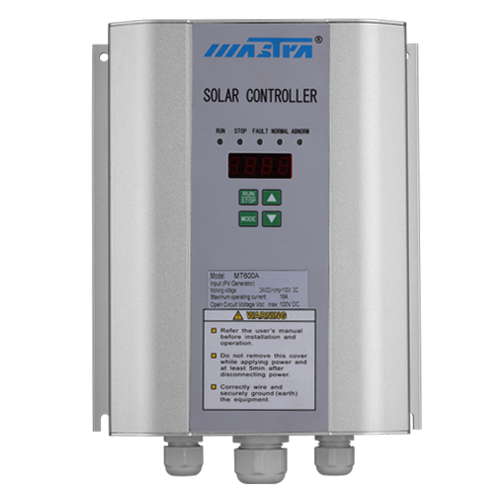
The controller manages power delivery between the panels and the pump motor. Key specifications to match:
Input voltage range: Must cover the open-circuit voltage of your panel string under cold conditions and the minimum operating voltage under peak load
Maximum power point tracking (MPPT): Preferred over PWM controllers for agricultural systems—MPPT extracts up to 30% more energy from panels in variable light
Motor protection: Overload, dry-run, and overvoltage protection prevent costly motor damage in remote, unsupervised installations
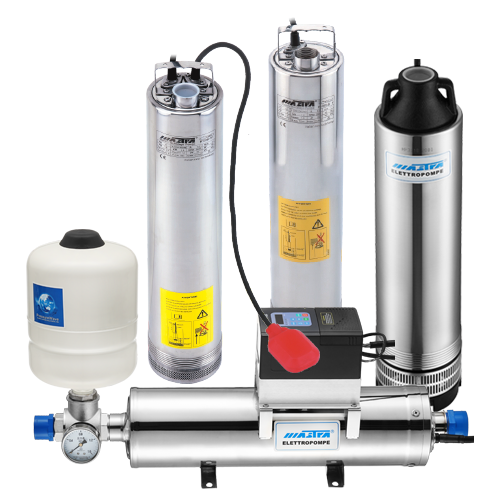
MASTRA offers compatible solar pump controllers designed to work with their DC submersible pump range, simplifying compatibility decisions for buyers configuring a complete system.


What Sunlight Conditions Do You Need for Solar Irrigation to Work Reliably?
Peak sun hours (PSH) vary significantly by location and season. Regions across sub-Saharan Africa, South Asia, the Middle East, and northern Australia typically see 5–7 PSH annually, making them well-suited to solar-powered water pump irrigation. Temperate regions with more cloud cover may average 3–4 PSH in winter months, requiring larger panel arrays or seasonal adjustments to irrigation scheduling.
Always size your system based on the lowest monthly PSH figure in your growing calendar, not the annual average. A system that works in July but fails in April during a critical growth stage delivers poor value regardless of its peak-season performance.
Ready to Size Your System? Start Here
Getting the sizing right on a solar DC submersible pump for agriculture is straightforward once you've worked through four numbers: daily water demand, total dynamic head, peak sun hours, and pump motor wattage. These four figures determine every component in the chain.
MASTRA's solar water pump systems—manufactured by Guangdong Ruirong Pump Industry Co., Ltd. with 30+ years of production experience and over 15 national patents—cover configurations from small-scale vegetable farms to large commercial irrigation projects. Their pump selection tool at mastrapump.com allows buyers to filter by borehole diameter, head, and flow rate, making it easier to find a matched system for specific field conditions. For technical guidance, their engineering team can be reached directly at ruirong@ruirong.com.
Frequently Asked Questions
What is the difference between a DC submersible pump and an AC submersible pump for solar irrigation?
A DC submersible pump operates directly on direct current from solar panels without requiring an inverter, making it more energy-efficient and simpler to install in off-grid settings. AC submersible pumps need an inverter to convert solar DC to alternating current, which adds cost, reduces efficiency by 5–15%, and introduces an additional failure point. For off-grid agricultural irrigation, DC submersible pumps are generally the preferred choice.
How many solar panels do I need to run a submersible irrigation pump?
The number of panels depends on the pump motor's rated wattage and the wattage of each individual panel. Divide the motor's required input power (rated power ÷ 0.85–0.90) by the panel wattage to get the minimum panel count, then add 20–30% extra for losses and cloudy-day buffer. A 750-watt DC pump motor, for example, typically requires 4–6 panels rated at 250W each.
Can a solar powered water pump run at night or on cloudy days?
A solar-powered water pump without battery storage will not run at night and will slow down or stop during heavy cloud cover. For crops requiring consistent overnight delivery, adding a storage tank (filled during daylight hours) is more cost-effective than battery storage for most agricultural applications.
What well depth is suitable for a DC submersible pump in agricultural irrigation?
DC submersible pumps for agriculture are available in configurations suited to wells from 10 meters to over 150 meters deep, depending on the pump model and motor specifications. The critical factor is total dynamic head, not just well depth alone. Always account for discharge height and pipe friction losses when assessing whether a pump is rated for your installation.
How do I choose between drip irrigation and sprinkler systems when sizing a solar pump?
Choose drip irrigation if water efficiency is the priority—drip systems use 30–50% less water than sprinklers for the same crop area, which reduces the pump size and panel array needed. Choose sprinklers if you need to irrigate large, flat areas of field crops quickly or if your soil type requires surface wetting. Drip systems also require less pump pressure (lower TDH), making them a natural match for solar DC submersible pump systems in water-scarce regions.


Get Touch With Us
Contact Info
0086-139 2903 3707
+86 138 2702 0863
No.22, North 3rd Road, Duruan Town, Jiangmen City, Guangdong Province, China
Related Products