
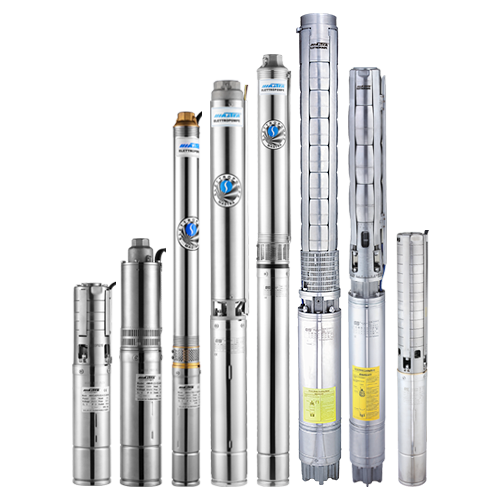
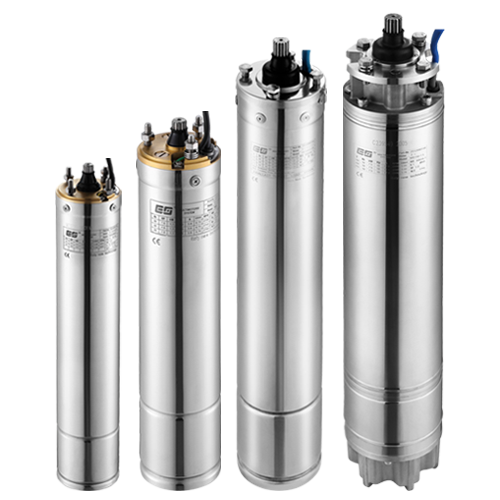
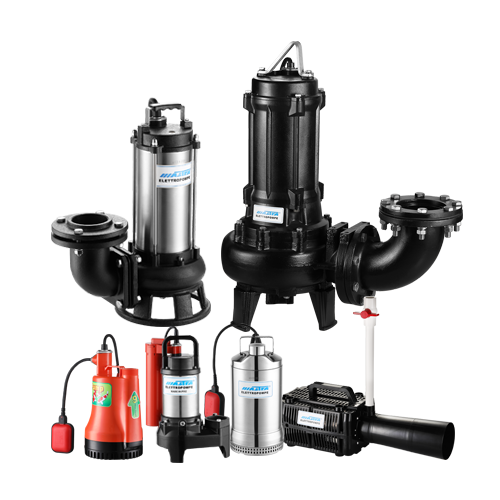
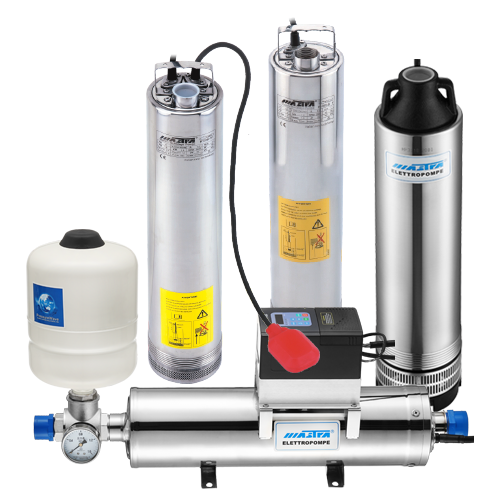
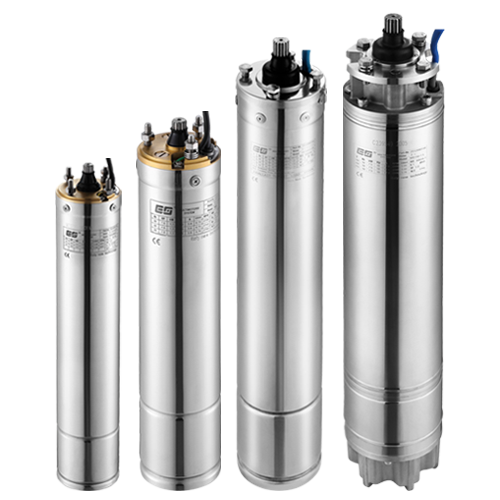
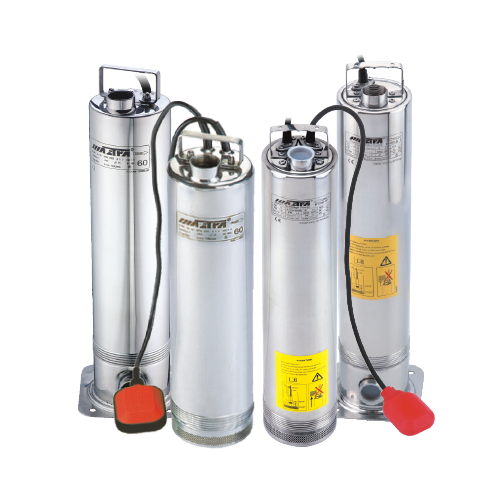
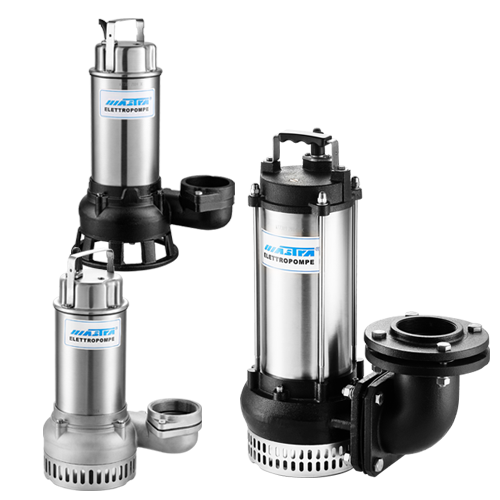




Choosing the right submersible water pump isn't as simple as picking one off the shelf. A pump that's too small won't meet your needs, leaving you with weak water pressure or an empty tank. A pump that's too powerful will waste energy, increase your electricity bills, and wear out prematurely from short-cycling. The key is to find the perfect balance for your specific situation.
This guide will walk you through the essential steps to correctly size a submersible water pump. By understanding your water needs and the specifics of your well, you can select a pump that operates efficiently, reliably, and cost-effectively for years to come. We'll cover everything from calculating your required flow rate to determining the total dynamic head, giving you the confidence to make an informed decision.
The Two Pillars of Pump Sizing: Flow Rate & TDH
Sizing a submersible pump comes down to two critical measurements:
1.Flow Rate: The volume of water you need the pump to deliver, measured in gallons per minute (GPM).
2.Total Dynamic Head (TDH): The total equivalent height that the water must be lifted, accounting for vertical distance and friction loss, measured in feet.
Get these two figures right, and you're well on your way to selecting the perfect pump. Let's break down how to calculate each one.
How to Calculate Your Required Flow Rate (GPM)
Your required flow rate is determined by the maximum amount of water your household will use at any one time. The goal is to ensure you have enough water for daily activities without experiencing a drop in pressure.
Step 1: Count Your Water Fixtures
Start by listing all the water-using fixtures and appliances in your home. This includes:
· Toilets
· Showers and bathtubs
· Kitchen sinks
· Bathroom sinks
· Dishwashers
· Washing machines
· Outdoor hose bibs or spigots
· Irrigation systems
Step 2: Estimate Peak Demand
Next, assign a flow rate in GPM to each fixture. A common rule of thumb is to count the number of fixtures and assume each one requires 1 GPM.
For a more precise calculation, you can use these standard estimates:
· Toilet: 2-3 GPM
· Shower: 2-3 GPM
· Bathtub: 4-5 GPM
· Kitchen/Bathroom Sink: 1-2 GPM
· Dishwasher: 1-2 GPM
· Washing Machine: 2-3 GPM
· Outdoor Hose: 5 GPM
Add up the GPM for every fixture to get your total potential demand. For example, a house with two bathrooms, a kitchen, and a laundry room might have:
· 2 Toilets (2 GPM each) = 4 GPM
· 2 Showers (2.5 GPM each) = 5 GPM
· 3 Sinks (1.5 GPM each) = 4.5 GPM
· 1 Dishwasher = 1.5 GPM
· 1 Washing Machine = 2.5 GPM
· 1 Outdoor Hose = 5 GPM
· Total Potential Demand: 22.5 GPM
This number represents the GPM needed if every single fixture were running simultaneously, which is highly unlikely. A more realistic peak demand is typically around 10-15 GPM for an average-sized home. This ensures enough water for multiple simultaneous uses, like running a shower while the dishwasher is on.
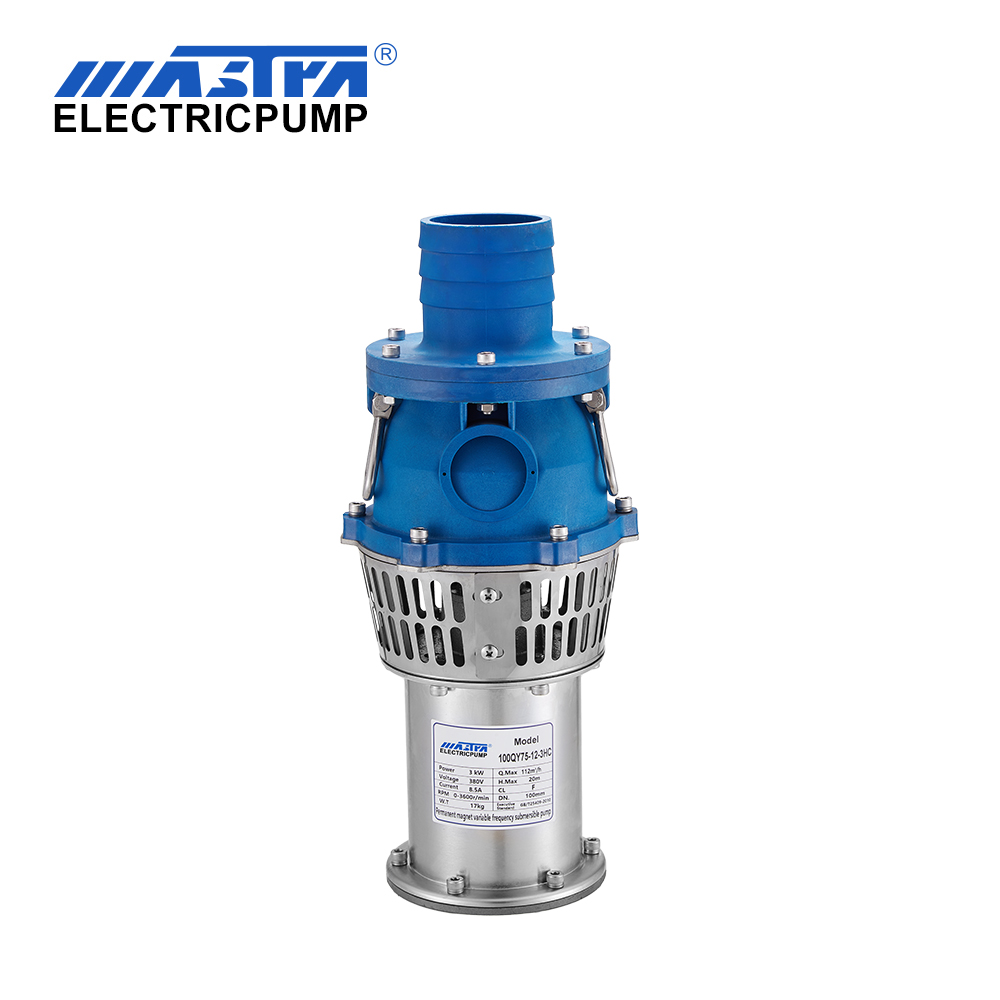
How to Calculate Total Dynamic Head (TDH)
Total Dynamic Head is the total pressure the pump must overcome to move water from the well to its destination. It's the sum of three components: vertical lift, friction loss, and service pressure.
TDH = Vertical Lift + Friction Loss + Service Pressure
Let's calculate each part.
Step 1: Determine Vertical Lift
Vertical lift is the total vertical distance the water needs to travel from the water level in the well to the pressure tank.
· Pumping Water Level: This is the level of the water in your well while the pump is running. It's not the static water level (when the pump is off). If you don't know this, you can estimate it by measuring the distance from the ground to the static water level and adding 10-20 feet.
· Elevation Change: If your pressure tank is on a hill or a second story, measure the vertical distance from the ground level at the wellhead to the inlet of the pressure tank.
Vertical Lift = (Pumping Water Level) + (Elevation Change)
For example, if your pumping water level is 100 feet below ground and your pressure tank is 5 feet above ground in a crawl space, your vertical lift is 105 feet.
Step 2: Calculate Friction Loss
When water moves through pipes, it creates friction, which the pump must work against. This is known as friction loss. It's influenced by the pipe's length, diameter, and the flow rate (GPM).
· Find Total Pipe Length: Measure the total length of pipe from the pump in the well to the pressure tank.
· Use a Friction Loss Chart: Use a standard friction loss chart (easily found online) for your pipe's material (e.g., PVC) and diameter. Find your target GPM on the chart to see the friction loss per 100 feet of pipe.
For example, if you are pumping 10 GPM through 200 feet of 1.25" PVC pipe, a chart might show a friction loss of 2.2 feet per 100 feet of pipe.
Friction Loss = (Total Pipe Length / 100) x (Friction Loss Value from Chart)
Friction Loss = (200 / 100) x 2.2 = 4.4 feet.
Step 3: Add Service Pressure
This is the desired water pressure in your home, converted into feet of head. Most residential systems use a pressure switch with a range like 30/50 psi or 40/60 psi. You should use the higher number (the "cut-out" pressure) for your calculation.
To convert psi to feet of head, use this formula:
Pressure in Feet = PSI x 2.31
If your system's cut-out pressure is 50 psi:
Service Pressure = 50 psi x 2.31 = 115.5 feet
Step 4: Calculate Final TDH
Now, add the three components together:
TDH = Vertical Lift + Friction Loss + Service Pressure
TDH = 105 feet + 4.4 feet + 115.5 feet = 224.9 feet

Your Final Selection Checklist
Choosing the right submersible water pump is a critical step in ensuring a reliable water supply for your home. By taking the time to accurately calculate your flow rate and total dynamic head, you avoid the common pitfalls of undersized or oversized pumps. This methodical approach not only guarantees consistent water pressure but also promotes energy efficiency and extends the life of your equipment.
If you feel uncertain about any of these calculations or need help interpreting a pump performance curve, don't hesitate to consult a professional. A qualified well technician or pump supplier can verify your numbers and help you make a final selection, giving you peace of mind that your investment is the right one.
Submersible Water Pump
submersible well pump
submersible pump manufacturers


Get Touch With Us
Contact Info
0086-139 2903 3707
+86 138 2702 0863
No.22, North 3rd Road, Duruan Town, Jiangmen City, Guangdong Province, China
Related Products