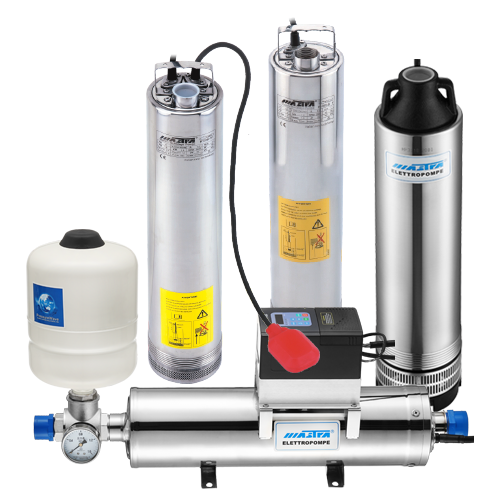
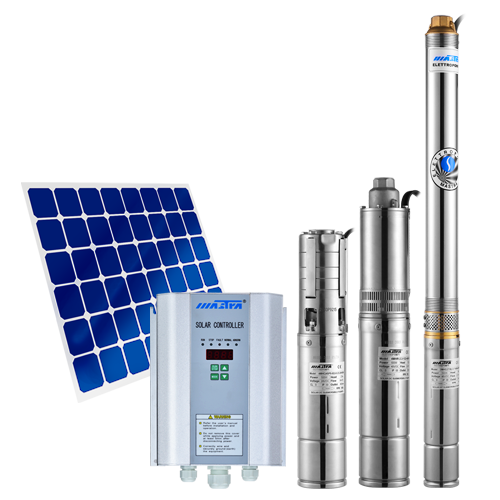
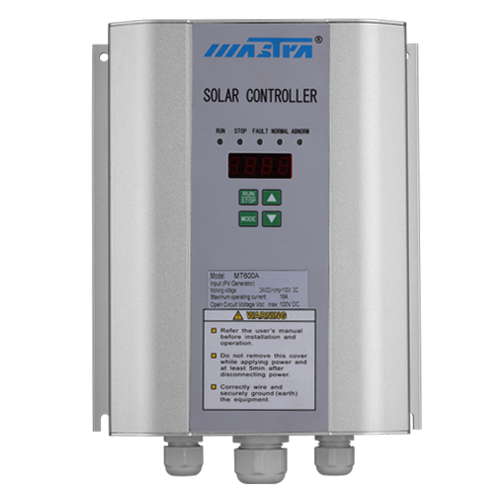
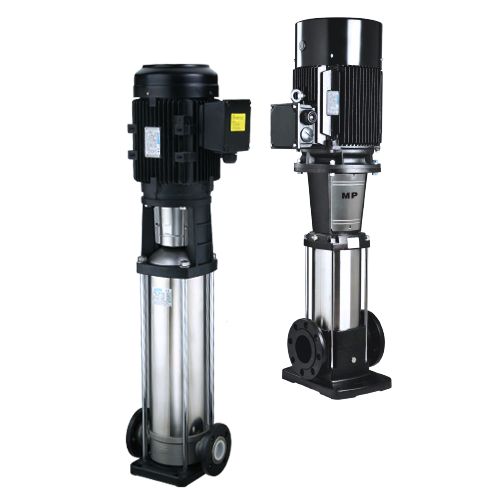
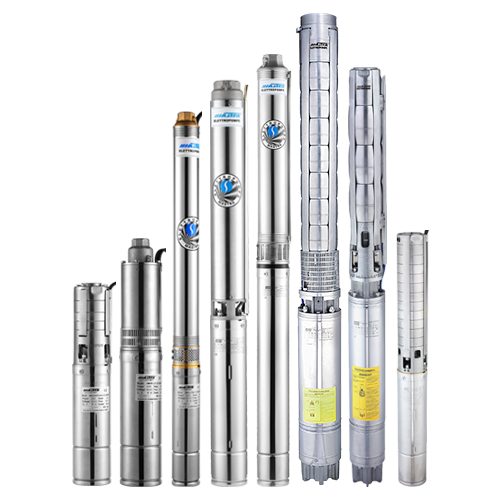
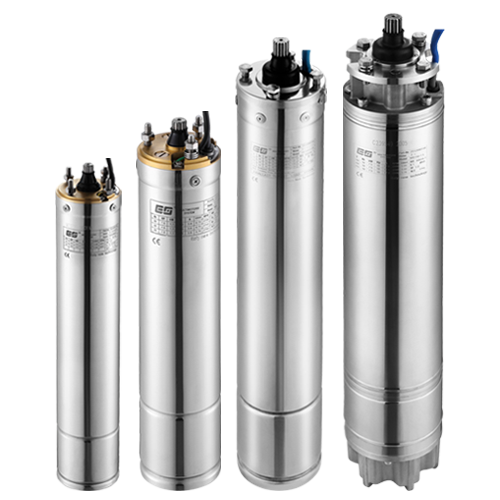
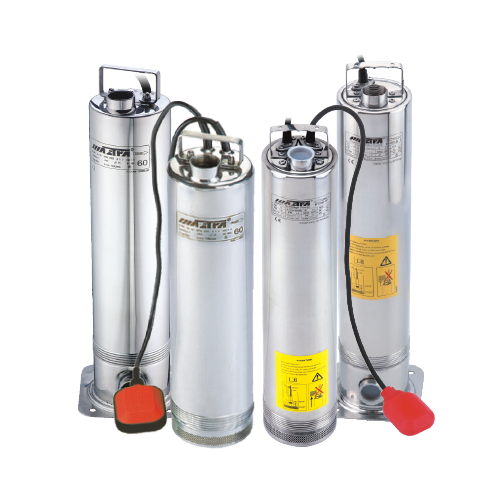
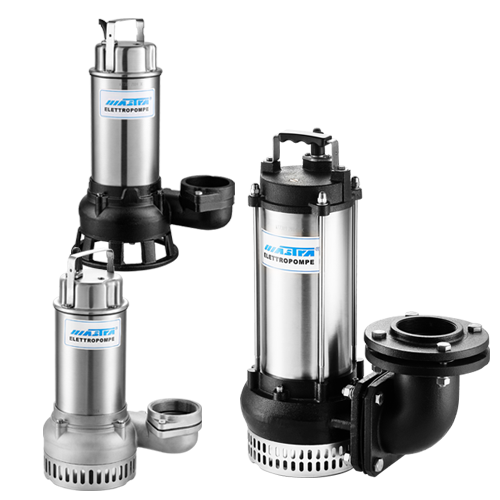




Low water pressure can turn simple daily tasks like showering or watering the garden into a frustrating chore. If your water comes from a well, the issue often points to your submersible pump. Fortunately, you don't always need to call a professional right away. There are several ways to diagnose and increase the water pressure from your submersible water pump on your own.
This guide will walk you through the common causes of low water pressure and provide step-by-step instructions to fix them. By understanding how your system works, you can restore strong, consistent water flow to your home. We'll cover everything from simple checks to more involved adjustments, helping you pinpoint the problem and find the right solution.
What Causes Low Water Pressure?
Before you can fix low water pressure, you need to identify the root cause. Several factors can affect the performance of a submersible pump system. Here are the most common culprits.
Clogs and Blockages
Over time, sediment, minerals, or debris can build up in your plumbing system. These blockages can occur in various places:
· Pipes: Mineral deposits (scale) can narrow the internal diameter of your pipes, restricting water flow.
· Pump Intake Screen: The screen at the bottom of your submersible pump prevents large debris from entering. If it gets clogged, it chokes the pump's water supply.
· Water Filters: Sediment filters are designed to get clogged. If they aren't changed regularly, they will significantly reduce your water pressure.
· Faucet Aerators and Showerheads: Small particles can clog the screens in your faucets and showerheads, leading to a noticeable drop in pressure at that specific fixture.
Incorrect Pressure Switch Settings
The pressure switch is the brain of your well system. It's a small box connected to your plumbing near the pressure tank. It tells the submersible pump when to turn on and off based on the pressure in the system. The switch has two settings:
· Cut-in pressure: The pressure at which the pump turns on.
· Cut-out pressure: The pressure at which the pump turns off.
If these settings are too low, your pump won't build enough pressure to meet your household's needs, resulting in a weak flow.
A Failing or Undersized Pump
Pumps don't last forever. The internal components of a submersible water pump can wear out over years of use, causing it to lose its ability to generate adequate pressure. Alternatively, the pump might have been undersized for your home's needs from the start. If you've recently added new bathrooms or appliances that use water, your existing pump may no longer be powerful enough.
Leaks in the System
A leak anywhere in your plumbing system will cause a drop in pressure. The pump has to work harder to compensate for the lost water, but it may not be able to keep up. Leaks can happen in the drop pipe (the pipe connecting the pump to the surface), in underground water lines, or within your home's plumbing. Some leaks are obvious, but others can be subtle and hard to detect.
Problems with the Pressure Tank
The pressure tank stores water under pressure, creating a reservoir that prevents the pump from cycling on and off every time you open a faucet. Inside most modern tanks is an air bladder that is pre-charged to a specific pressure. If the tank loses its air charge or the bladder fails, it can become "waterlogged." This leads to rapid pump cycling and fluctuating water pressure.

How to Increase Water Pressure in 6 Steps
Now that you understand the potential causes, you can follow this process to troubleshoot and fix your low water pressure problem.
Step 1: Check for Simple Clogs
Start with the easiest fixes. Check the aerators on your faucets and the screens on your showerheads. Unscrew them and look for any built-up sediment. Clean them out with a small brush and vinegar to dissolve mineral deposits, then reinstall them. If pressure improves at these fixtures, you've found a simple problem.
Next, check your whole-house water filter if you have one. A dirty filter is a very common reason for a sudden drop in pressure throughout the house. Follow the manufacturer's instructions to replace the filter cartridge.
Step 2: Inspect the Pressure Tank
Your pressure tank needs the correct air charge to function properly. To check it:
1.Turn off the power to your well pump at the circuit breaker.
2.Open a faucet to drain all the water from the pressure tank. Let it run until the water stops completely.
3.Locate the air valve on the tank (it looks like a tire valve). Use a tire pressure gauge to check the pressure.
4.The tank's pre-charge pressure should be 2 PSI below the cut-in setting of your pressure switch. For example, if your switch is set to 40/60 PSI, the tank pressure should be 38 PSI.
5.If the pressure is too low, use an air compressor or bicycle pump to add air until it reaches the correct level. If water spurts out of the air valve, the internal bladder has failed, and the tank needs to be replaced.
Step 3: Adjust the Pressure Switch
If your tank pressure is correct but your overall water pressure is still low, you can try adjusting the pressure switch.
Warning: This involves working with electricity. If you are not comfortable doing so, call a professional.
1.Turn off the power to the pump at the circuit breaker.
2.Remove the cover from the pressure switch. You will see two springs controlled by nuts. The large nut adjusts both the cut-in and cut-out pressure together (the overall pressure range). The smaller nut adjusts only the cut-out pressure (the differential).
3.To increase pressure, tighten the larger nut by turning it clockwise. A full turn will typically increase the pressure by 2-3 PSI. Do not adjust it by more than 10 PSI above its factory setting.
4.Turn the power back on and watch the pressure gauge as the tank fills. Note the new cut-in and cut-out pressures.
5.After adjusting the switch, you must re-check and adjust the pressure tank's air charge to be 2 PSI below the new cut-in pressure (following Step 2).
Step 4: Search for Leaks
If adjustments don't solve the problem, you may have a leak. Turn off all faucets and water-using appliances in your home. Go to your pressure tank and watch the pressure gauge. If the pump is off and the pressure slowly drops, you have a leak somewhere. Finding it can be tricky. Look for damp spots in your yard, listen for the sound of running water, or check your crawl space for signs of moisture.
Step 5: Clean the Pump Intake
If other steps fail, the problem might be at the submersible pump itself. The intake screen at the bottom of the pump can become clogged with sediment, especially in wells with a lot of sand. This requires pulling the pump out of the well, which can be a difficult job. Unless you have experience and the right equipment, it's best to hire a professional for this task.
Step 6: Install a Constant Pressure System or Booster Pump
If your pump is old, undersized, or you simply want higher and more consistent pressure, consider an upgrade.
· A constant pressure system uses a variable frequency drive (VFD) controller that adjusts the pump's speed in real-time to maintain a steady pressure, no matter how many faucets are open.
· A booster pump is a secondary pump installed after your pressure tank. It takes the incoming water and increases its pressure before distributing it to your home. This is an effective solution if your submersible pump is in good condition but simply can't produce the high pressure you desire.
When to Call a Professional
While many pressure issues can be resolved with DIY methods, some situations require an expert. You should call a professional well technician if:
· You are uncomfortable working with electricity or plumbing.
· You suspect the submersible pump needs to be pulled from the well.
· After all your checks, the pressure is still low.
· Your pump is cycling rapidly, and you've already confirmed the pressure tank is working correctly.
A professional has the diagnostic tools and experience to quickly identify complex issues with the pump, wiring, or downhole piping.
Get Your Flow Back
Dealing with low water pressure from a submersible pump can be a hassle, but a systematic approach makes it manageable. By checking for simple clogs, ensuring your pressure tank is properly charged, and carefully adjusting your pressure switch, you can solve most common problems yourself. If the issue persists, don't hesitate to invest in a system upgrade or call in an expert. A strong, reliable water supply is essential for your home, and with these steps, you can get your system back to peak performance.
submersible water pump
submersible pump
submersible fountain pump
Get Touch With Us
Contact Info
0086-139 2903 3707
+86 138 2702 0863
No.22, North 3rd Road, Duruan Town, Jiangmen City, Guangdong Province, China
Related Products