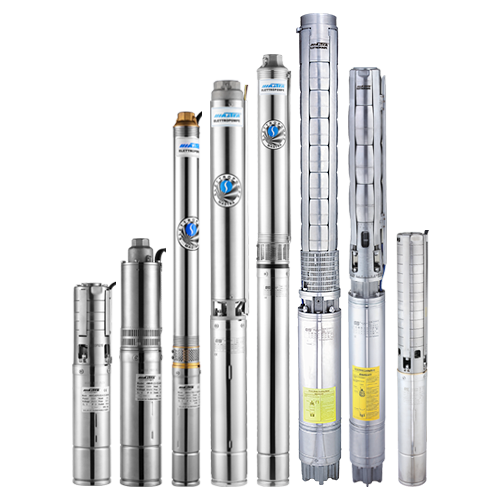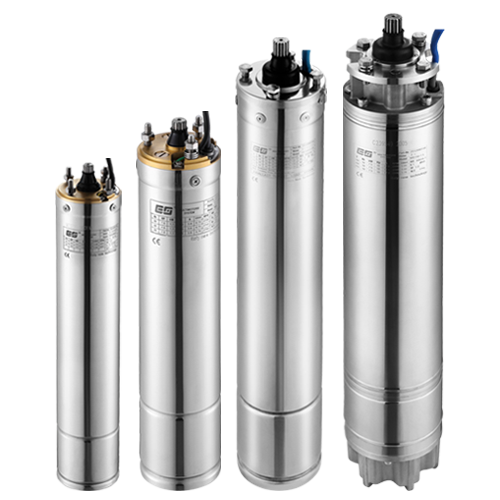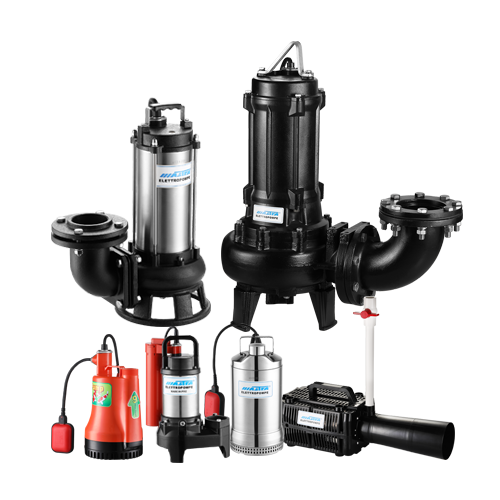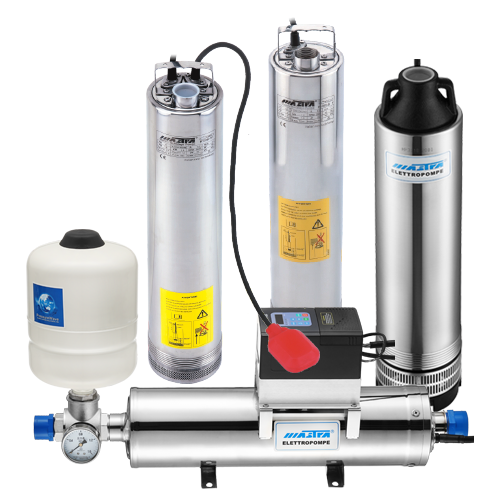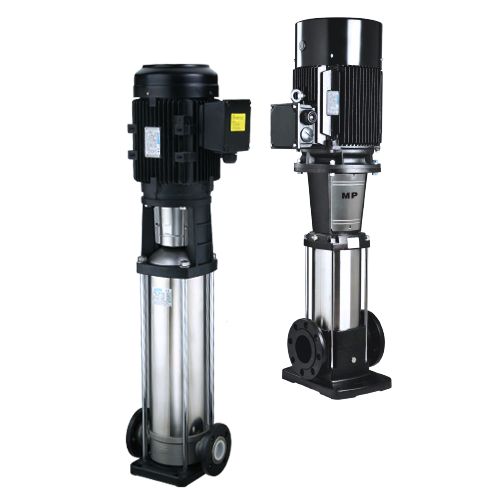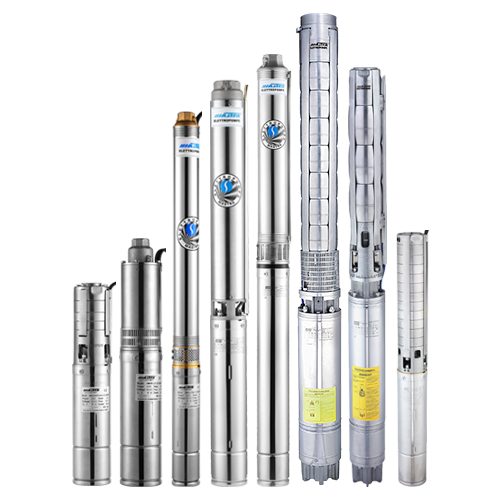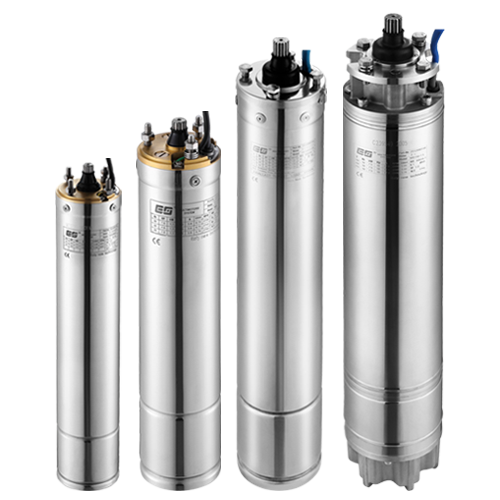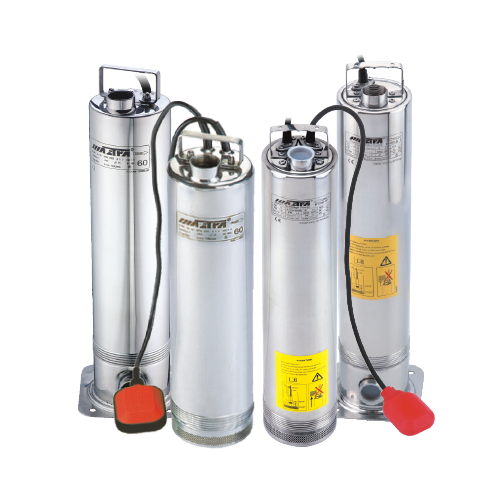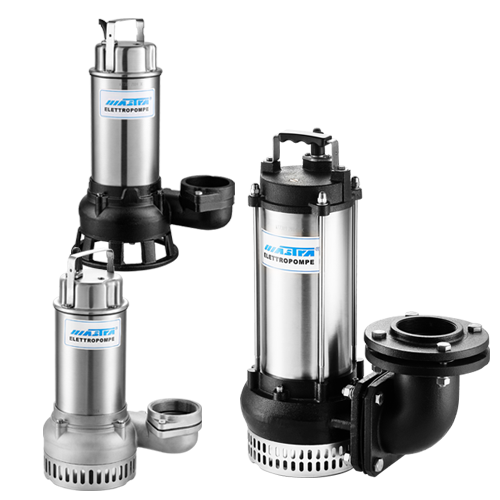

A 10 HP submersible pump typically costs between $400 and $2,500+, depending on material construction, maximum lift (head), motor efficiency, and the manufacturer's reputation. Understanding these price components helps buyers select the right pump at the right value—without overpaying for specifica
READ MORE
To verify submersible pump quality before a bulk order, buyers should request sample test reports, inspect key component materials (such as stainless steel thickness), conduct noise and vibration tests, and perform an on-site or remote video factory audit. These steps significantly red
READ MORE
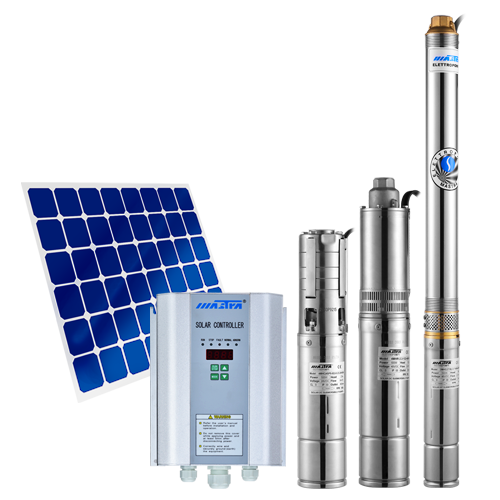
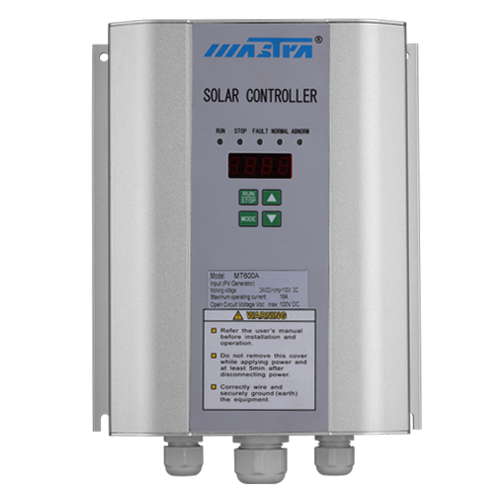
Quick answer: To effectively install and maintain a deep well dc submersible pump, connect the unit to a properly sized drop pipe and compatible power controller, then lower it carefully into the casing above the well's sediment zone. Regular maintenance requires annual electrical testing, inspectin
READ MORE
Pumping massive volumes of water from deep underground requires serious mechanical power. When standard equipment struggles to deliver the flow you need, a high-capacity 3-phase electric pump becomes absolutely essential. A 15 hp submersible pump offers the exact strength required for heavy-duty agr
READ MORE
Accessing reliable groundwater requires the right equipment tailored to your specific property layout and water demands. Selecting the correct pump ensures consistent water pressure, lowers energy costs, and prevents costly equipment failures. With various sizes and specifications available, finding
READ MORE
Installing a water system requires careful planning and high-quality equipment. When a pump fails deep underground or submerged in wastewater, retrieving and replacing it costs significant time and money. You need equipment built to last. The secret to a long-lasting water system often comes down to
READ MORE