




Installing a well pump involves more than just dropping equipment into a hole. To ensure longevity and efficiency, you must understand the precise water requirements of your system. A submersible pump relies entirely on the surrounding water not just to move fluid, but to keep itself functional. Without adequate water coverage and yield, even the most expensive equipment will fail.
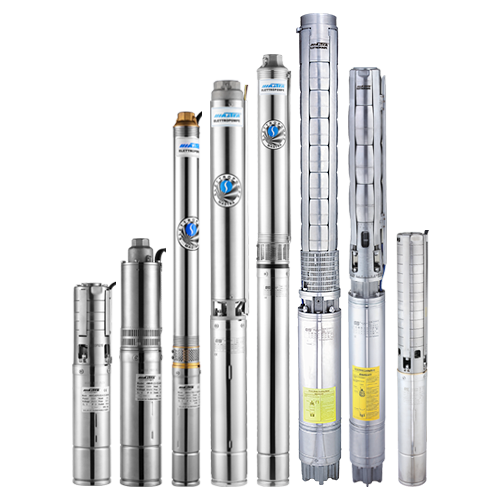
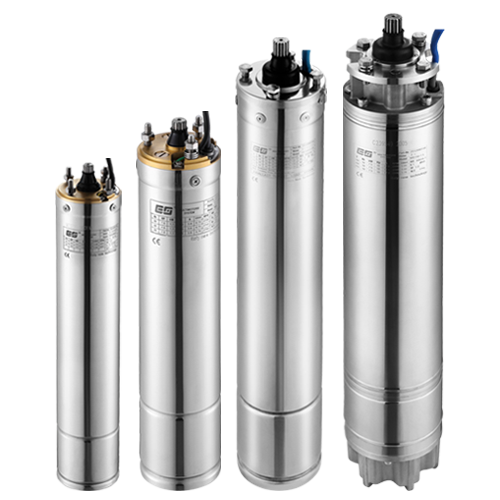
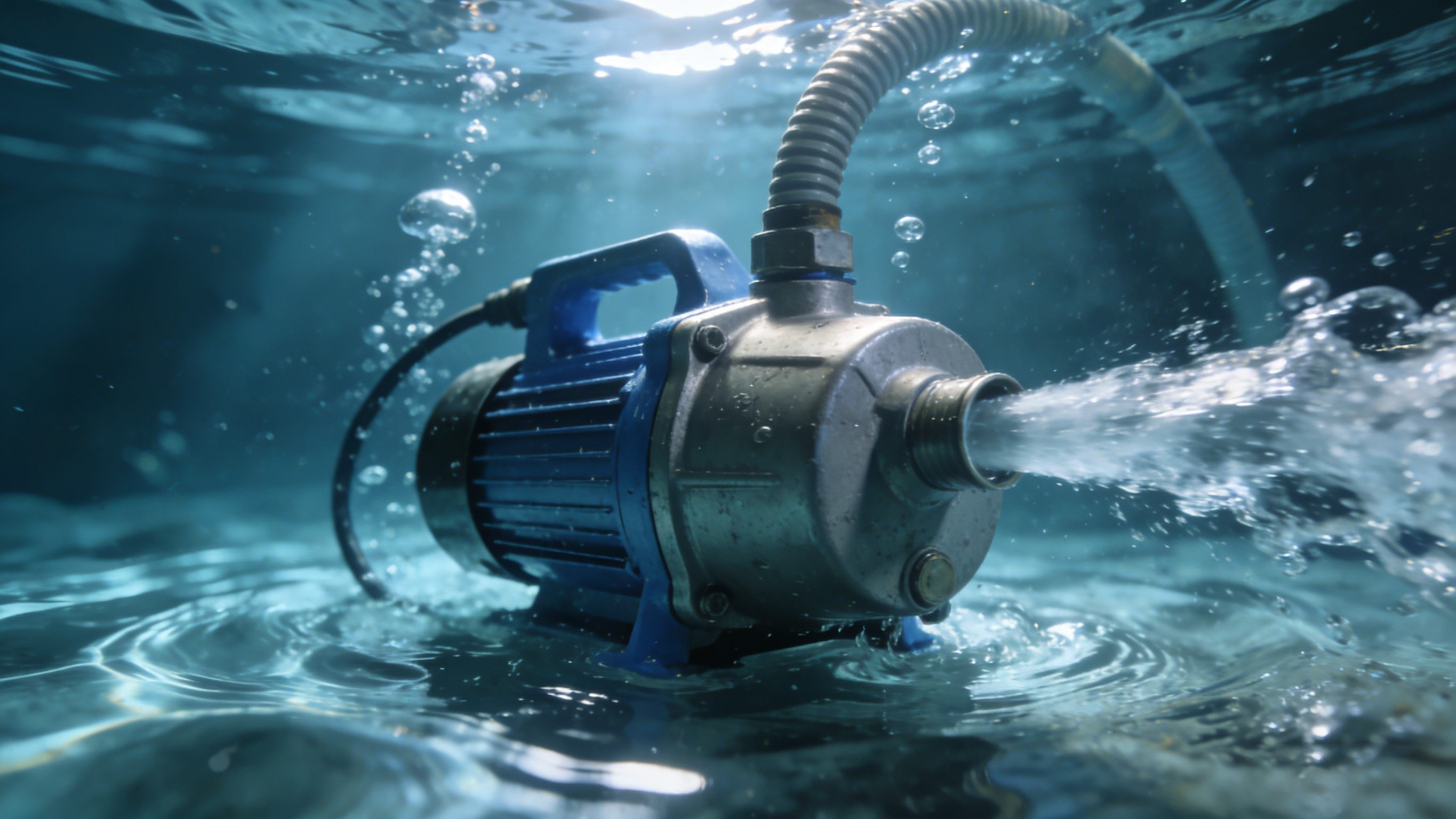
A submersible water pump operates differently than a jet pump. Because the motor is submerged, it uses the water flowing past it for cooling. If the water level drops too low, the motor overheats, leading to mechanical failure or a complete burnout. This guide explains the critical water levels and yield rates necessary to keep your pump running smoothly.
The Pump Must Remain Submerged While Running
The most fundamental rule for a submersible water pump is that it must never run dry. The motor is designed to operate underwater, using the liquid to dissipate heat generated during operation.
Minimum Submergence Depth
You generally need to position the pump at least 10 feet above the bottom of the well. This prevents the intake from sucking up sediment, sand, or debris that settles at the base.
However, the top of the pump requires coverage too. Most manufacturers recommend that the water level remains at least 5 to 10 feet above the pump’s intake during operation. This is critical because the "static water level" (the water level when the pump is off) will drop to a "pumping water level" once the unit turns on. If your deep submersible well pump lowers the water level too quickly, it risks exposing the intake to air. This causes cavitation—a phenomenon where air bubbles form and collapse, damaging the impeller.
Well Yield Must Match Pump Capacity
The second aspect of "how much water you need" concerns the flow rate of the well itself. Your well’s recovery rate—how fast water refills the borehole—must match or exceed the pump's output capability.
If you install a high-capacity unit, such as a 5 hp submersible well pump, your well must be capable of sustaining a high volume of water. A 5 HP pump moves a significant amount of fluid rapidly. If the well only yields 5 gallons per minute (GPM) but the pump is rated for 50 GPM, the pump will quickly drain the well, expose the motor, and cycle off repeatedly. This rapid cycling wears out the motor and the pressure switch.
Recommended Flow Rates by Horsepower
The following table outlines the approximate well yield required to support different pump sizes. This ensures the pump has a continuous supply of water.
Well Yield Requirements for Common Pump Sizes
Pump Horsepower (HP) | Estimated Flow Rate (GPM) | Minimum Recommended Well Yield |
|---|---|---|
0.5 HP | 10 - 15 GPM | 10 GPM |
1 HP | 20 - 30 GPM | 25 GPM |
3 HP | 50 - 60 GPM | 55 GPM |
5 HP | 70 - 90 GPM | 80 GPM |
Note: These figures are estimates. Always check the specific performance curve of your chosen pump.

Consequences of Insufficient Water
Ignoring water requirements leads to costly repairs. When a pump runs without sufficient water, several issues arise immediately.
Overheating is the primary risk. Since the water acts as a coolant, the lack of it causes the internal temperature of the motor to spike. This melts the windings and insulation, permanently destroying the motor.
Mechanical damage occurs through cavitation. When air mixes with water in the pump intake, it creates shockwaves that pit and erode the metal or plastic impellers.
Energy waste increases costs. A pump struggling to draw water works harder than necessary, drawing more amperage and driving up electricity bills without delivering results.
Selecting the Right Equipment is Vital
Ensuring you have enough water starts with selecting the right equipment for your specific well conditions. You should calculate your household's peak demand and compare it against your well's recovery rate before buying a unit.
If your well has a low yield, you should avoid a massive 5 hp submersible well pump, as it will simply pump the well dry. Instead, opt for a lower horsepower model or install a pump protection device that senses low water levels and shuts the system down automatically.
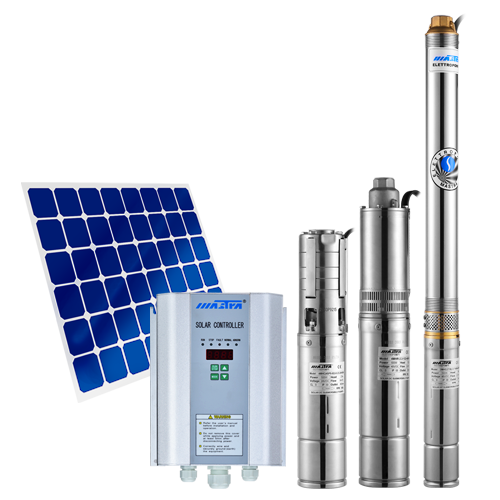
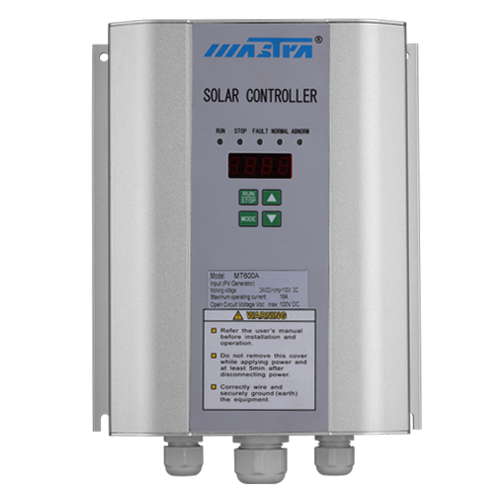
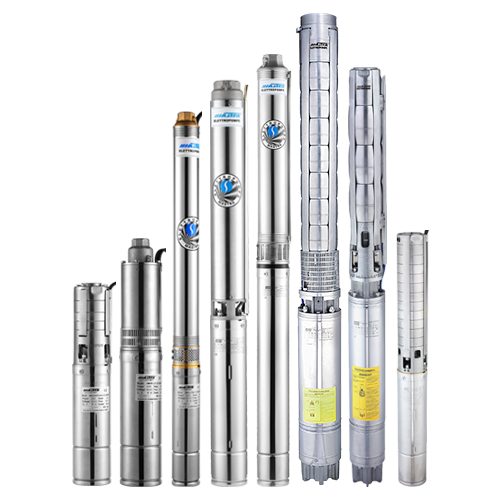
For those looking for reliable solutions, MASTRA Pump offers a wide range of submersible motors and pumps designed for various water depths and yields. Whether you need a standard residential unit or a high-capacity solar water pump system, choosing quality hardware ensures your system handles your water levels efficiently.
submersible water pump
deep submersible well pump
5 hp submersible well pump

Get Touch With Us
Contact Info
0086-139 2903 3707
+86 138 2702 0863
No.22, North 3rd Road, Duruan Town, Jiangmen City, Guangdong Province, China
Related Products