
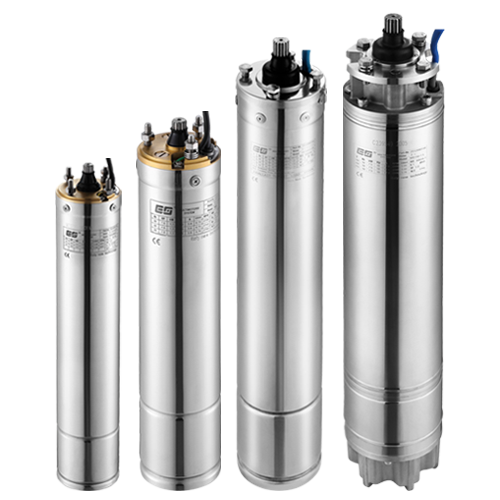
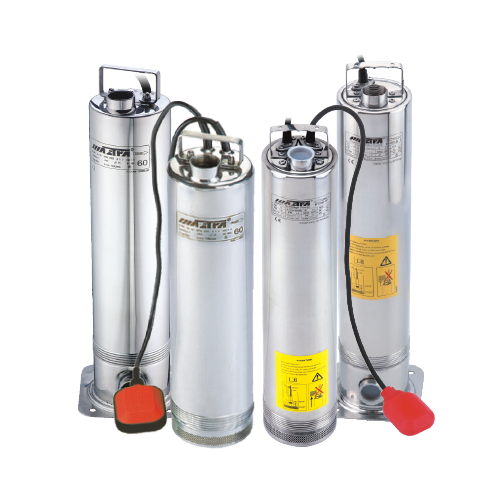
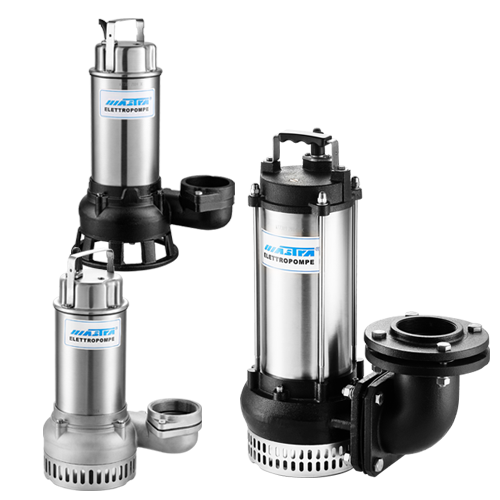




Installing a submersible pump isn't as simple as dropping it down a hole and hoping for the best. The depth at which you place your pump is critical—too shallow, and you risk burning out the motor; too deep, and you might lose efficiency or stir up sediment. If you've ever found yourself staring into a well wondering exactly where that pump needs to sit, you aren't alone.
A submersible water pump is designed to push water up from underground sources to the surface, but its efficiency relies heavily on proper submersion. Getting the depth right ensures consistent water pressure, prolongs the lifespan of your equipment, and protects your investment. Whether you are installing a robust 2 hp water well pump for a large farm or a smaller 3/4 hp water well pump for residential use, the principles of submersion remain largely the same, though the specifics can vary based on your well's characteristics.
In this guide, we will break down the ideal depth for submersible pumps, the risks of improper installation, and how to calculate the sweet spot for your specific setup.
Understanding Submersible Pump Basics
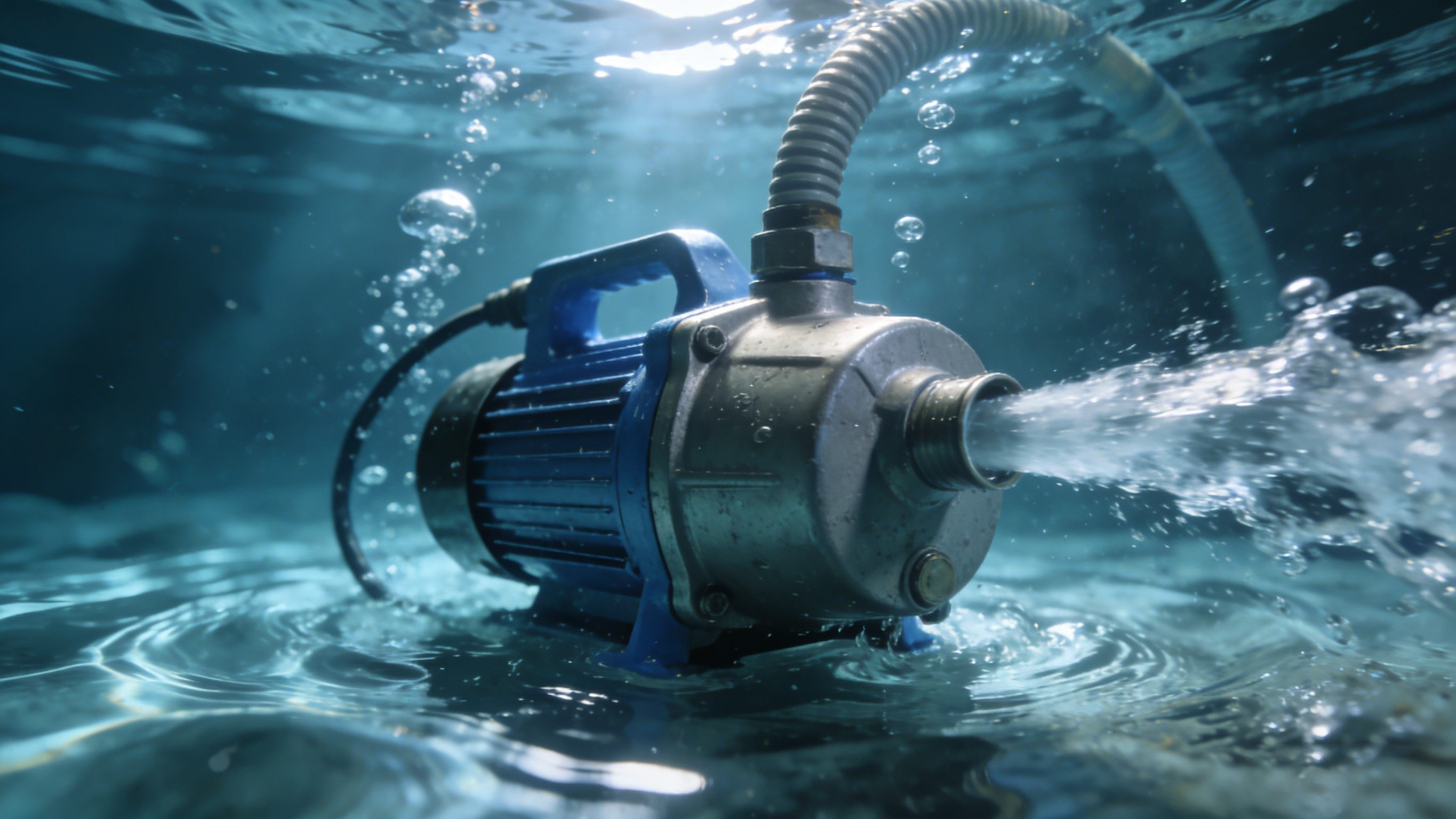
Before determining depth, it is helpful to understand why a submersible pump needs to be underwater in the first place. Unlike jet pumps, which sit above ground and pull water up, submersible pumps push water up.
These pumps are cooled by the water flowing around the motor. If the pump isn't adequately submerged, the motor can overheat, leading to premature failure. Furthermore, the pump needs a constant supply of water to prevent cavitation—a phenomenon where air bubbles form and collapse, causing damage to the pump's internal components.
The "Sweet Spot" for Depth
There isn't a single magic number for every well, but there is a general rule of thumb. Most experts recommend placing the pump at least 10 to 20 feet below the dynamic water level (the level the water drops to when the pump is running) but keeping it 5 to 10 feet off the bottom of the well.
Here is why those boundaries exist:
The Upper Limit: You need enough water above the pump to ensure it never runs dry, even during dry seasons or heavy usage.
The Lower Limit: You want to avoid the very bottom of the well, where sediment, sand, and debris settle. Sucking up this muck can clog the intake screen and wear out the impellers quickly.
1
Calculating Your Dynamic Water Level
To find the right depth, you must distinguish between the static water level and the dynamic water level.
Static Water Level: This is the water level when no water is being pumped out. It is the resting state of your well.
Dynamic Water Level: This is the level the water drops to once the pump is active. This level depends on the recovery rate of your well—how fast new water flows in to replace what you pump out.
1
If you install your pump just below the static water level, you run a high risk. As soon as you turn the pump on, the water level will drop (drawdown). If it drops below the pump intake, your system will run dry.
For a high-capacity unit like a 2 hp water well pump, the drawdown can be significant because it moves a large volume of water quickly. You will need to place this pump deeper than you might place a less powerful unit to account for the rapid drop in water level. Conversely, a 3/4 hp water well pump might not lower the water level as drastically, but the safety margin of 10-20 feet below the dynamic level is still standard practice.
Factors Influencing Installation Depth
While the 10-20 foot rule is a great starting point, several variables can shift your ideal installation depth.
1. Well Recovery Rate
A low-yield well (one that refills slowly) requires the pump to be set deeper. This utilizes the storage capacity of the well casing itself. If your well recovers slowly, you need a larger buffer of water above the pump to prevent it from sucking air during long showers or irrigation cycles.
2. Pump Horsepower and Capacity
The size of your pump dictates how fast it removes water.
3/4 hp water well pump: Ideal for average residential homes with moderate water needs. It draws down water at a steady pace.
2 hp water well pump: Designed for high-demand applications, such as large families, farms, or extensive irrigation. This pump creates a steeper drawdown cone, requiring deeper placement to ensure consistent submersion.
1
3. Seasonal Water Table Fluctuations
Groundwater levels are not constant. They rise during wet seasons and fall during droughts. If you live in an area prone to dry spells, you should install the pump deeper to account for the lowest possible water table during the summer months.
4. Motor Cooling Requirements
Refer to your manufacturer's manual (such as those provided by MASTRA Pump) for specific cooling flow requirements. Some high-performance motors require a specific flow velocity past the motor to stay cool. If the pump is in a very wide well casing or barely submerged, the water might not move past the motor fast enough to cool it effectively. In these cases, a flow inducer sleeve (or shroud) might be necessary.

The Risks of Improper Placement
Getting the depth wrong leads to two main categories of failure: deadheading (running dry) or sediment damage.
The Risk of Shallow Installation
If the pump is too high:
Overheating: The motor is not fully submerged in cooling water.
Cycling: The pump may turn on and off rapidly as the water level dips below the intake and then recovers, burning out the start capacitor or switch.
Air Lock: The pump sucks in air, causing a loss of prime and potentially damaging the wet end of the pump.
The Risk of Deep Installation
If the pump is too low (too close to the bottom):
Sand Pumping: The intake vortex sucks up sand and silt. This acts like sandpaper on the pump's impellers.
Clogging: Debris can completely block the intake screen, starving the pump of water.
Stuck Pumps: In severe cases, a pump buried in silt can become impossible to retrieve when it needs maintenance.
1
Best Practices for Installation
To ensure your submersible water pump operates efficiently for years, follow these installation best practices.
Use Torque Arrestors and Cable Guards
Submersible pumps can twist slightly when they start up due to the torque of the motor. A torque arrestor keeps the pump centered in the well casing, preventing the wire from rubbing against the well wall.
Install a Low-Water Cut-Off Switch
Even with perfect depth calculation, drought conditions can surprise you. A low-water cut-off switch (or a Pumptec device) detects when the pump is running dry and shuts it off automatically, saving the motor from burning out.
Consult the Pump Curve
Every pump comes with a "pump curve" chart. This shows the pump's performance at different heads (depths). Ensure that at your chosen depth, the pump can still deliver the pressure (PSI) and flow rate (GPM) your home needs. A 2 hp water well pump pushing from 400 feet deep will have a very different flow rate than the same pump pushing from 100 feet.
Reference Table: Common Pump Specs
To give you an idea of performance differences, here is a general comparison often seen in specifications for residential pumps:
Feature | 3/4 HP Water Well Pump | 2 HP Water Well Pump |
|---|---|---|
Typical Use | Small to medium homes | Large homes, farms, irrigation |
Max Flow Rate (Approx) | 10–15 GPM | 25–35 GPM |
Ideal Depth Range | 50–150 feet | 100–300+ feet |
Drawdown Impact | Low to Moderate | High |
Note: Always check the specific manufacturer's data, as performance varies by model.
Securing Your Water Supply
Determining the correct depth for your submersible pump is a balancing act between the water level and the well bottom. By aiming for that sweet spot—10 to 20 feet below the dynamic water level and at least 5 feet off the bottom—you ensure a reliable flow of water and a long life for your equipment.
Remember that powerful units like a 2 hp water well pump require careful planning regarding drawdown, while smaller 3/4 hp water well pump units offer a bit more flexibility in stable wells.
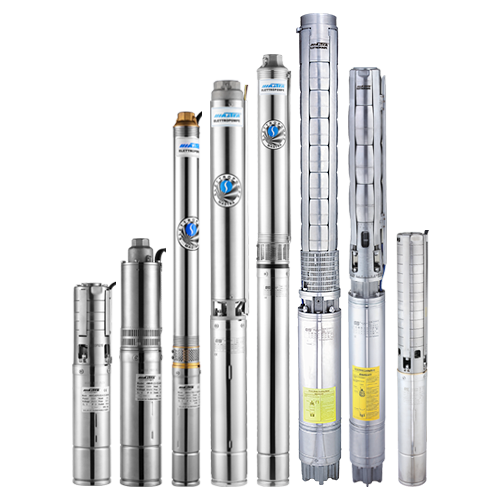
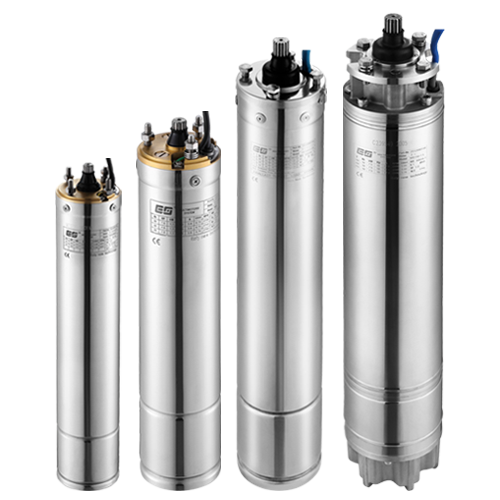
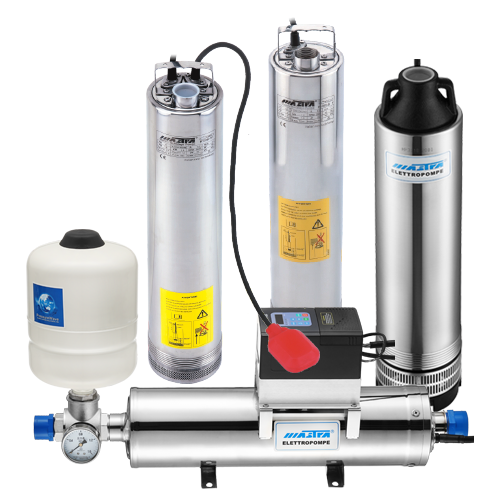
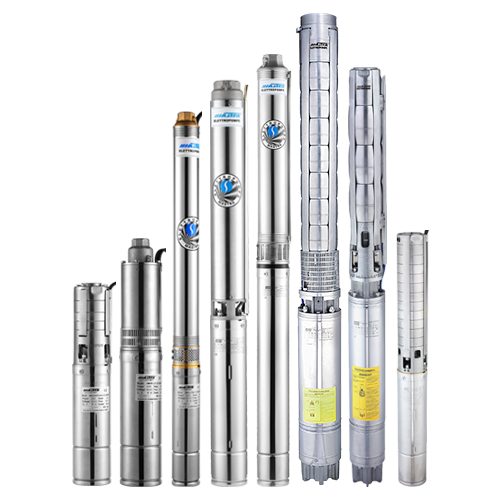
If you are unsure about your well's specific recovery rate or sediment levels, it is always best to consult with a professional. High-quality manufacturers like MASTRA Pump offer a range of submersible motors and pumps designed for various depths and conditions, ensuring you can find the perfect fit for your water needs. Taking the time to measure twice and install once will save you money and headaches down the road.
submersible pump
submersible water pump
2 hp water well pump

Get Touch With Us
Contact Info
0086-139 2903 3707
+86 138 2702 0863
No.22, North 3rd Road, Duruan Town, Jiangmen City, Guangdong Province, China
Related Products