
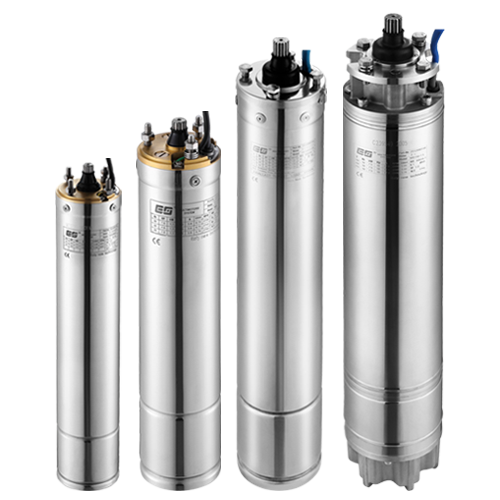
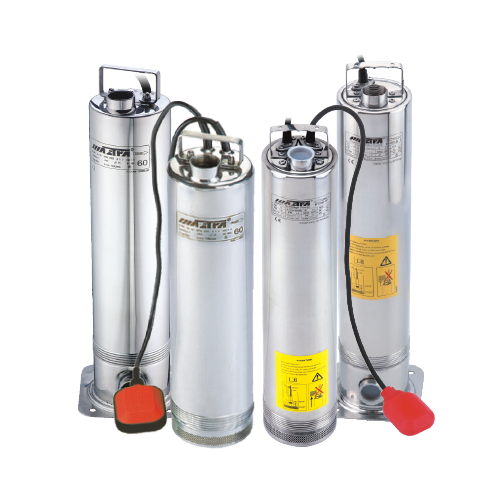
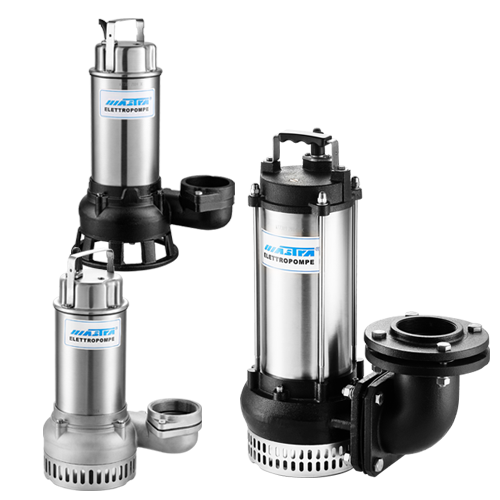




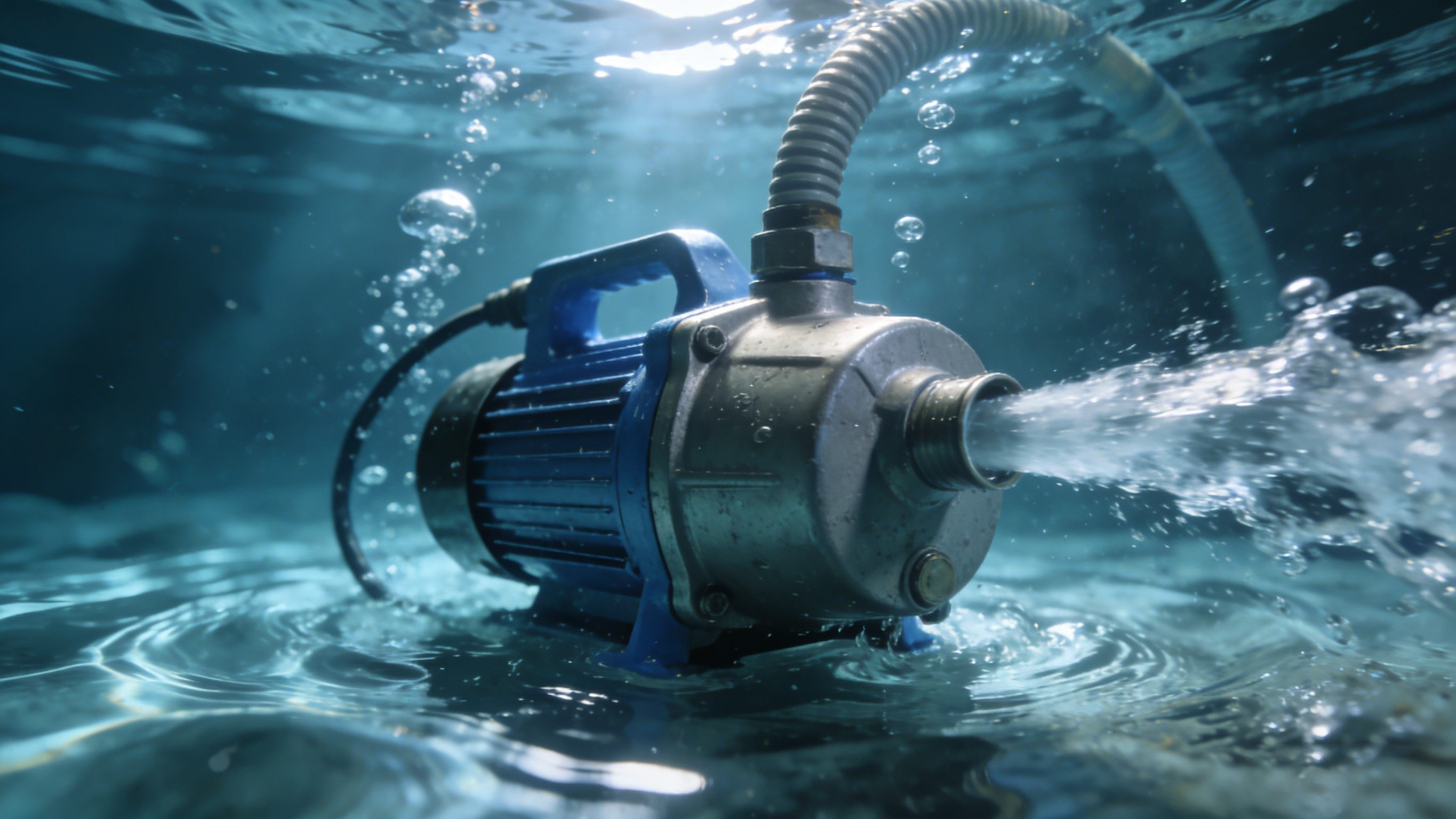
Running a submersible pump without water is one of the fastest ways to damage or destroy your equipment. These pumps are specifically designed to operate while fully submerged, using the surrounding water for cooling and lubrication. Without this essential element, your submersible water pump can overheat and fail within minutes.
Understanding the risks and time limits of dry running is crucial for anyone who owns or operates submersible pumps. Whether you're dealing with a well pump, sump pump, or any other type of submersible system, knowing these limitations can save you from costly repairs and replacements.
This guide will explain exactly how long different types of submersible pumps can survive without water, what happens when they run dry, and most importantly, how to prevent this potentially catastrophic situation.
What Happens When a Submersible Pump Runs Dry?
A submersible pump depends on water for two critical functions: cooling the motor and lubricating moving parts. When water isn't present, several damaging processes begin immediately.
The motor starts overheating within seconds because there's no water to absorb and dissipate the heat generated during operation. Most submersible pumps have motors that can reach dangerous temperatures in under five minutes of dry operation.
Internal seals and gaskets also begin deteriorating rapidly without proper lubrication from the surrounding water. These components are designed to work in a wet environment, and dry conditions cause them to wear out exponentially faster.
Additionally, any sediment or debris that may have settled in the pump housing can cause increased friction and wear when there's no water to flush it away.
Time Limits for Different Types of Submersible Pumps
The exact time a submersible pump can run without water varies depending on the type, size, and quality of the pump. Here are general guidelines for different categories:
Small Residential Sump Pumps
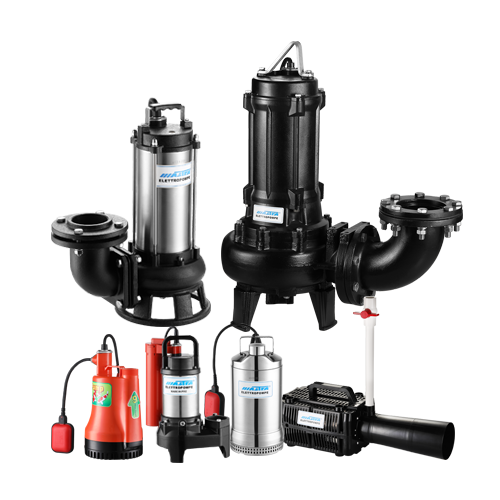
Most residential sump pumps can survive dry running for approximately 2 to 5 minutes before sustaining damage. These pumps typically have smaller motors that heat up quickly without water cooling.
Higher-quality sump pumps with better thermal protection may last slightly longer, but it's never safe to assume they can handle extended dry running periods.
Well Water Submersible Pumps
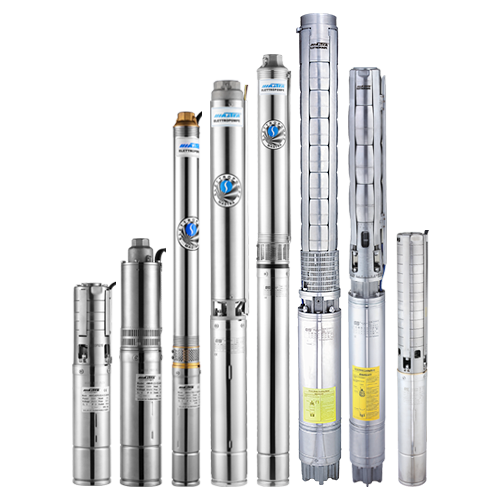
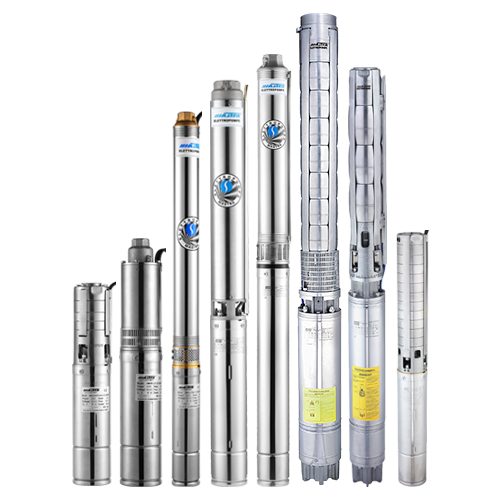
Deep well submersible pumps are generally more robust but still vulnerable to dry running. These pumps can typically handle 3 to 10 minutes without water, depending on their size and construction quality.
The larger motors in well pumps generate more heat but may also have better thermal protection systems. However, this doesn't make them immune to damage from extended dry operation.
Commercial and Industrial Submersible Pumps
Heavy-duty commercial submersible pumps may survive 5 to 15 minutes of dry running, but this varies significantly based on the specific model and manufacturer specifications.
Some industrial-grade pumps include advanced thermal protection and automatic shutoff systems that can extend their survival time or prevent damage altogether.
Warning Signs Your Submersible Pump Is Running Dry
Recognizing the early warning signs of a dry-running submersible pump can help you shut it down before permanent damage occurs.
Unusual noises are often the first indicator. A submersible water pump running without water may produce grinding, squealing, or rattling sounds that aren't present during normal operation.
Reduced or no water flow from your system is another obvious sign. If your pump is running but not delivering water, it's likely operating dry.
Frequent cycling or the pump turning on and off repeatedly can indicate low water levels or dry running conditions.
Higher than normal electricity consumption may also signal that your pump is working harder due to increased friction from lack of lubrication.
Immediate Steps to Take If Your Pump Runs Dry
If you suspect your submersible pump is running without water, take immediate action to prevent further damage.
Turn off the power to the pump immediately. This is the most critical step to prevent additional overheating and damage.
Check water levels in your well, sump pit, or water source. Low water levels are the most common cause of dry running.
Allow the pump to cool down completely before attempting to restart it. This typically takes at least 30 minutes to an hour, depending on how long it ran dry.
Inspect for damage before restarting. Look for signs of overheating, damaged seals, or unusual wear on accessible components.
Prevention Strategies to Avoid Dry Running
Preventing your submersible pump from running dry is far more cost-effective than dealing with repairs or replacement.
Install a low-water cutoff switch that automatically shuts off the pump when water levels drop too low. This simple device can save your pump from catastrophic damage.
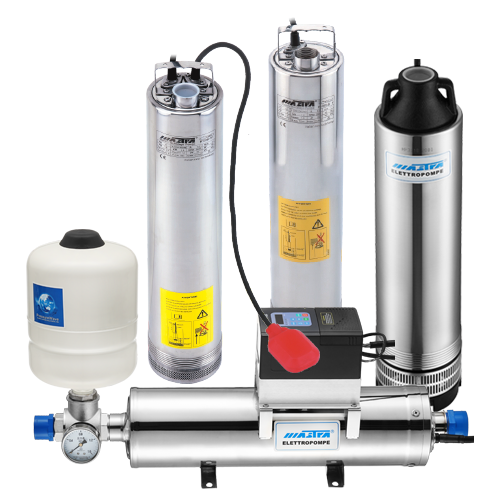
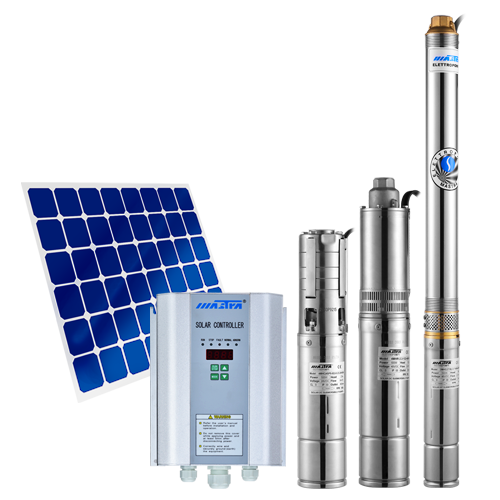
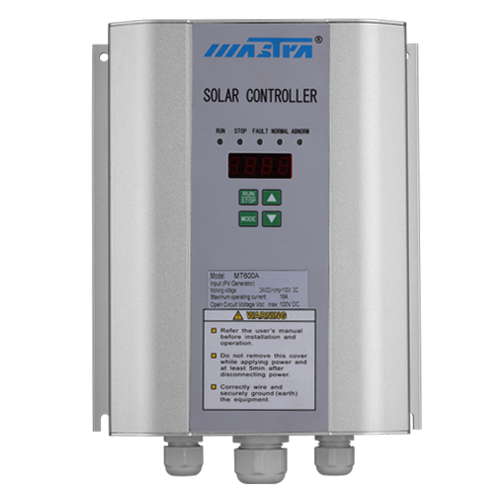
Use a pump controller with dry-run protection for more advanced monitoring and automatic shutoff capabilities.
Regular maintenance and inspection of your water source helps ensure adequate water levels and early detection of potential problems.
Monitor your water usage patterns and seasonal variations that might affect water levels in wells or other sources.
Consider installing water level alarms that alert you when water levels drop to potentially dangerous levels.
Long-Term Damage from Dry Running
Even brief periods of dry running can cause long-term damage that may not be immediately apparent.
Motor winding damage from overheating can reduce the efficiency and lifespan of your submersible pump, even if it continues to operate.
Seal degradation allows water to enter the motor housing over time, eventually leading to electrical failure.
Impeller wear from running without proper lubrication can reduce pump performance and increase energy consumption.
Bearing damage causes increased vibration and noise, ultimately leading to complete mechanical failure.
When to Call a Professional
Some situations require professional assessment and repair rather than attempting DIY solutions.
If your submersible water pump ran dry for more than a few minutes, professional inspection is recommended even if it seems to work normally afterward.
Unusual noises, vibrations, or performance issues following a dry-running incident warrant professional evaluation.
Electrical problems such as tripped breakers, burning smells, or erratic operation require immediate professional attention.
Repeated dry-running incidents may indicate underlying issues with your water system that need professional diagnosis and correction.
Protecting Your Investment
Your submersible pump represents a significant investment in your water system infrastructure. Understanding the risks of dry running and taking proactive steps to prevent it ensures reliable operation and maximum lifespan from your equipment.
Remember that no submersible pump is designed to run without water, regardless of its quality or price point. The small investment in protective devices and regular maintenance pays significant dividends in avoiding costly repairs and replacements.
Take action today to assess your current setup and implement appropriate safeguards. Your submersible pump will reward you with years of reliable service when properly protected and maintained.
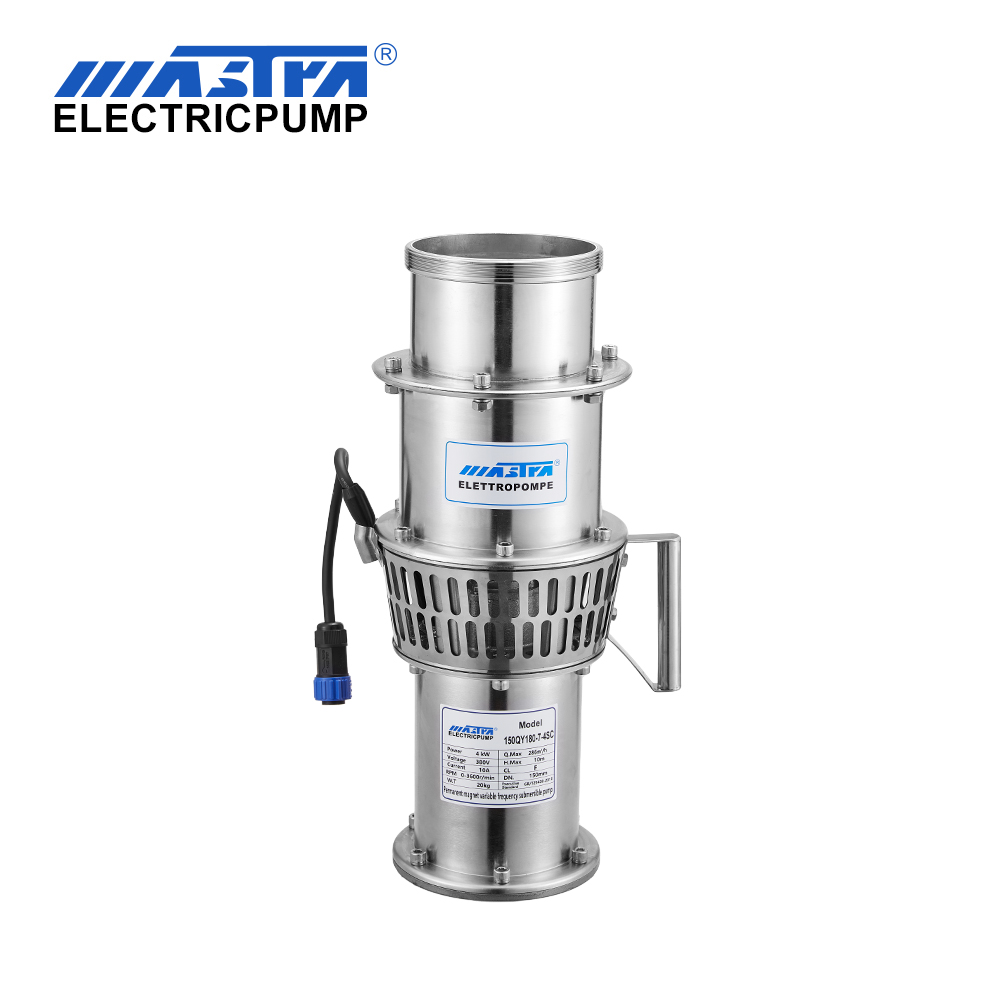
Submersible Water Pump
Submersible Pump
MASTRA pump

Get Touch With Us
Contact Info
0086-139 2903 3707
+86 138 2702 0863
No.22, North 3rd Road, Duruan Town, Jiangmen City, Guangdong Province, China
Related Products