
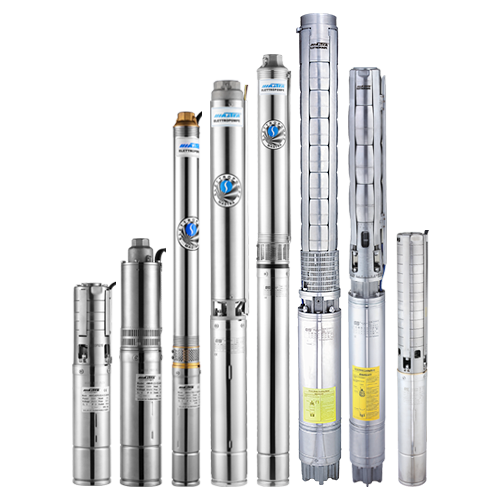
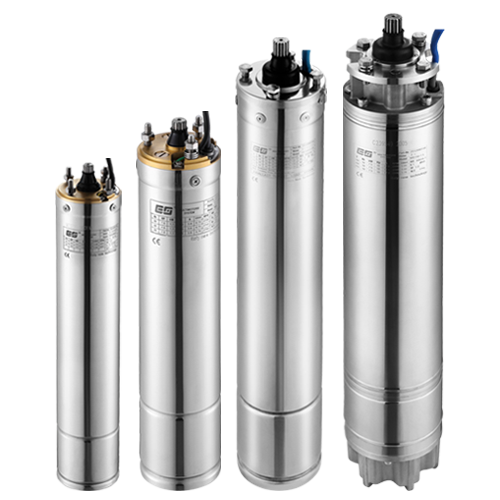
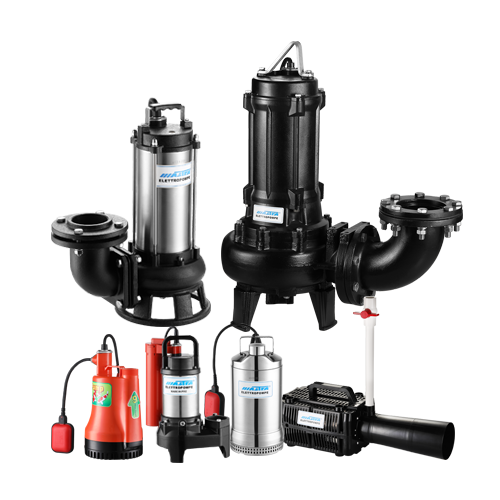
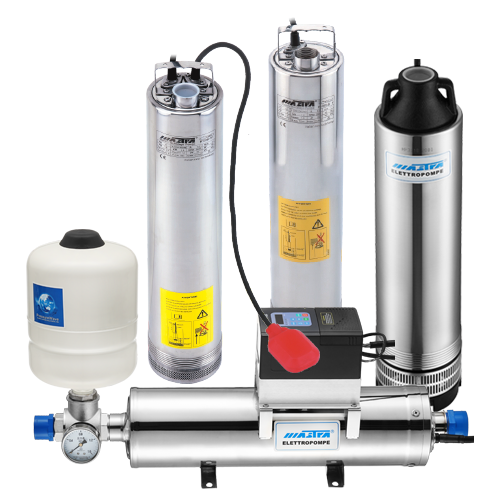




Understanding the horizontal pumping capabilities of submersible pumps is crucial for anyone planning irrigation systems, drainage solutions, or water transfer projects. While these pumps excel at lifting water vertically from wells and tanks, their horizontal reach depends on several interconnected factors that can significantly impact performance.
Most homeowners and contractors focus primarily on vertical lift capacity when selecting a submersible pump, but horizontal distance matters just as much for many applications. Whether you're moving water across a large property, through a lengthy drainage system, or to a distant storage tank, knowing your pump's horizontal limitations can save you from costly mistakes and system failures.
The relationship between vertical lift and horizontal push creates a complex equation that determines your pump's effective range. By understanding these dynamics, you can make informed decisions about pump selection, system design, and realistic expectations for your water movement project.
Understanding Submersible Pump Mechanics
Submersible pumps generate pressure to move water through a combination of impeller action and motor power. This pressure, measured in pounds per square inch (PSI) or feet of head, determines both how high and how far the pump can push water.
The fundamental principle governing pump performance is total dynamic head (TDH). This measurement combines the vertical lift required, friction losses through pipes and fittings, and the pressure needed to overcome horizontal distance. Every submersible pump has a maximum TDH rating that represents its absolute limit under ideal conditions.
When water moves horizontally through pipes, it encounters friction that converts some of the pump's pressure into heat and resistance. This friction loss varies based on pipe material, diameter, water velocity, and the smoothness of the pipe interior. Understanding these losses is essential for calculating realistic horizontal distances.
Key Factors Affecting Horizontal Distance
Pump Power and Pressure Rating
The horsepower and pressure rating of your submersible pump directly correlate to its horizontal pushing capability. Higher-powered pumps generate more pressure, allowing them to overcome greater friction losses over longer distances.
A typical 1/2 HP submersible pump might generate 40-60 PSI, while a 1 HP unit could produce 60-100 PSI. Each PSI of pressure can theoretically push water approximately 2.31 feet vertically or overcome equivalent friction losses horizontally.
Pipe Diameter and Material
Pipe diameter plays a crucial role in determining friction loss. Larger diameter pipes allow water to flow with less resistance, enabling greater horizontal distances. A 4-inch pipe will have significantly less friction loss than a 2-inch pipe carrying the same volume of water.
Pipe material also affects flow characteristics. Smooth PVC pipes create less friction than corrugated or rougher materials like concrete or older metal pipes. The condition and age of pipes can further impact resistance over time.
Water Flow Rate Requirements
The volume of water you need to move affects how far your submersible pump can push it horizontally. Higher flow rates create more friction loss through pipes, reducing the effective horizontal distance. Conversely, lower flow rates allow the same pump to push water much farther.
This relationship means you may need to balance flow rate against distance. Sometimes using a larger pipe diameter or a more powerful pump is more cost-effective than accepting reduced flow rates.
Elevation Changes
Even "horizontal" runs rarely remain perfectly level. Small elevation changes along the pipe route can significantly impact pump performance. Every foot of vertical rise requires approximately 0.43 PSI of additional pressure, reducing the pump's remaining capacity for overcoming friction losses.
Downhill sections can actually help pump performance by providing additional pressure through gravity, potentially extending horizontal reach beyond flat-ground calculations.
Typical Horizontal Distances for Common Submersible Pumps
Residential Applications
For typical residential submersible pumps (1/2 to 1 HP), horizontal distances generally range from 500 to 2,000 feet under optimal conditions. These estimates assume:
· 3-4 inch diameter pipes
· Minimal elevation changes
· Moderate flow rates (10-20 gallons per minute)
· New, smooth pipe materials
A 1/2 HP submersible pump might effectively push water 800-1,200 feet horizontally, while a 1 HP unit could reach 1,500-2,000 feet under similar conditions.
Commercial and Agricultural Systems
Larger commercial submersible pumps (2-10 HP) can push water significantly farther horizontally. These systems often achieve distances of 3,000-8,000 feet or more, depending on system design and requirements.
Agricultural irrigation systems frequently use multiple pumps or booster stations to achieve distances exceeding 10,000 feet, but single submersible pumps in this category typically max out around 5,000-6,000 feet for practical applications.
High-Capacity Industrial Applications
Industrial submersible pumps with ratings above 10 HP can theoretically push water much farther, but practical limitations often cap effective distances around 8,000-12,000 feet. At these scales, system design becomes critical, and multiple pump stations are often more economical than single massive units.
Calculating Your Specific Requirements
Basic Friction Loss Formula
To estimate horizontal distance capabilities, you need to calculate friction loss through your specific pipe system. The Hazen-Williams equation provides a reasonable approximation for most applications:
Friction loss increases exponentially with flow rate and decreases significantly with larger pipe diameters. Online calculators and pump manufacturer charts can help determine specific losses for your configuration.
System Head Calculations
Calculate your total system head by adding:
· Static lift (vertical distance from water source to highest point)
· Friction losses through pipes and fittings
· Pressure requirements at the destination
· Safety margin (typically 10-20% of total head)
Compare this total to your pump's performance curve to determine if your horizontal distance goals are achievable.
Professional Assessment
Complex systems benefit from professional hydraulic analysis. Pump dealers and irrigation specialists can perform detailed calculations considering all system variables, potentially identifying optimization opportunities you might miss.
Maximizing Your Pump's Horizontal Reach
Pipe Sizing Optimization
Increasing pipe diameter is often the most cost-effective way to extend horizontal reach. Moving from 3-inch to 4-inch pipe can reduce friction losses by 40-50%, significantly extending effective distance.
Consider the long-term economics of larger pipes versus more powerful pumps. Larger pipes have higher upfront costs but lower operating expenses, while more powerful pumps cost more to purchase and operate.
Multiple Pump Strategies
For extremely long distances, multiple smaller pumps or booster stations often outperform single large units. This approach provides redundancy, easier maintenance access, and often lower total system costs.
Staging pumps at strategic intervals can overcome friction losses while maintaining reasonable individual pump sizes and power requirements.
System Design Considerations
Minimize fittings, elbows, and valves that create additional friction losses. Each 90-degree elbow can add friction equivalent to 10-30 feet of straight pipe, depending on size and type.
Consider variable frequency drives (VFDs) for applications with varying demand. These systems can optimize pump operation for current conditions rather than running at constant maximum output.
Making the Right Choice for Your Project
Determining how far your submersible pump can push water horizontally requires careful consideration of multiple factors working together. Start by clearly defining your flow rate requirements, then work backward through friction loss calculations to determine pump and pipe sizing needs.
Remember that manufacturers' specifications represent maximum capabilities under ideal conditions. Real-world performance typically falls 10-20% below these ratings due to factors like pipe age, fitting losses, and installation variations.
Consider consulting with pump professionals for complex or critical applications. The cost of expert advice often pays for itself through optimized system design and avoided problems. With proper planning and realistic expectations, submersible pumps can reliably move water across surprisingly long horizontal distances while maintaining the performance your project demands.
Submersible Water Pumps
Submersible Pump
Submersible Water Well Pump

Get Touch With Us
Contact Info
0086-139 2903 3707
+86 138 2702 0863
No.22, North 3rd Road, Duruan Town, Jiangmen City, Guangdong Province, China