



It's a question that sounds like it has an obvious answer, but the details are more important than you might think. A submersible pump is, by its very name, designed to be submerged. But does it always need to be fully underwater to operate? And what happens if it isn't?
Understanding how your submersible water pump works is crucial for its longevity and performance. Running it incorrectly can lead to expensive damage and leave you without water when you need it most. This guide will explain why submersion is so critical, what can happen if your pump runs dry, and how to ensure it operates correctly and efficiently for years to come.
What Is a Submersible Pump?
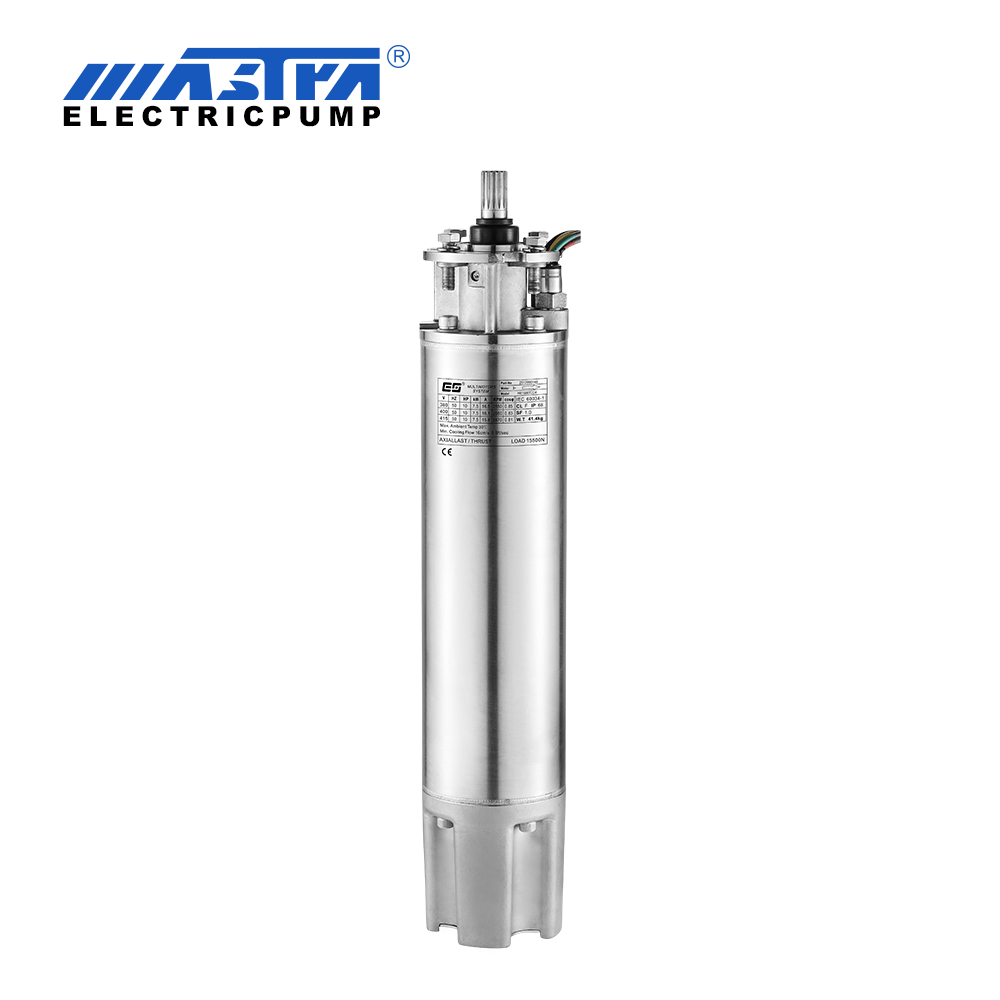
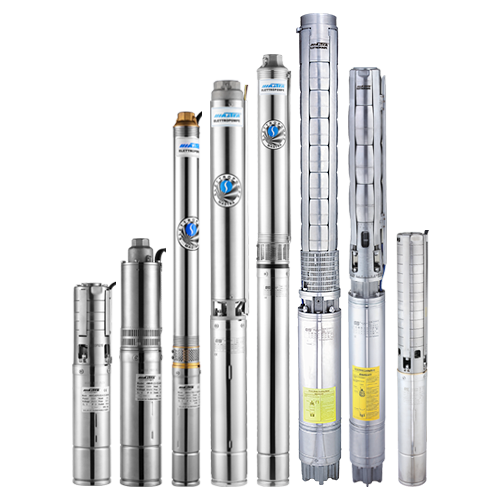
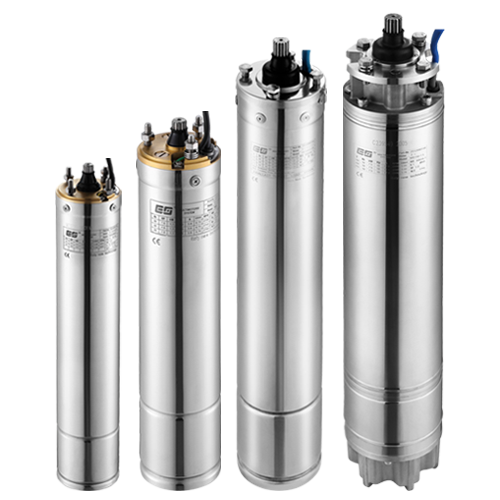
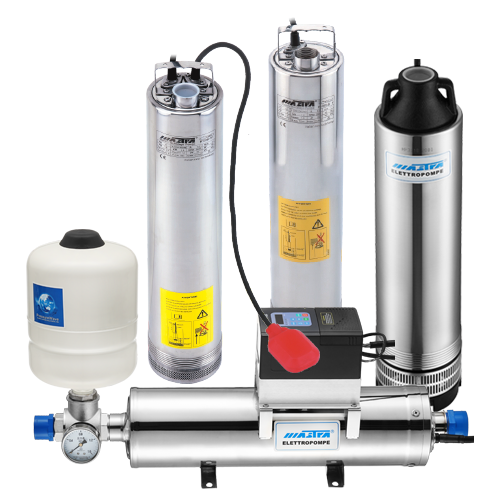
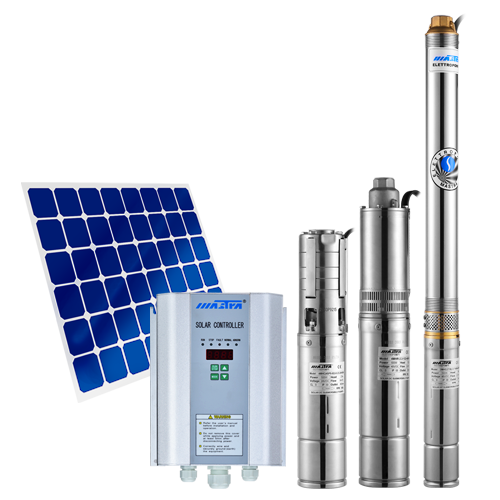
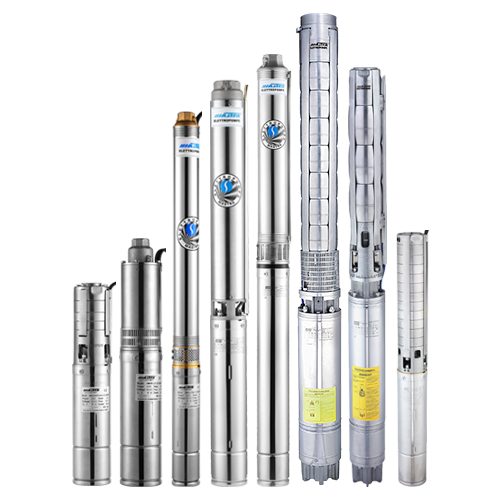
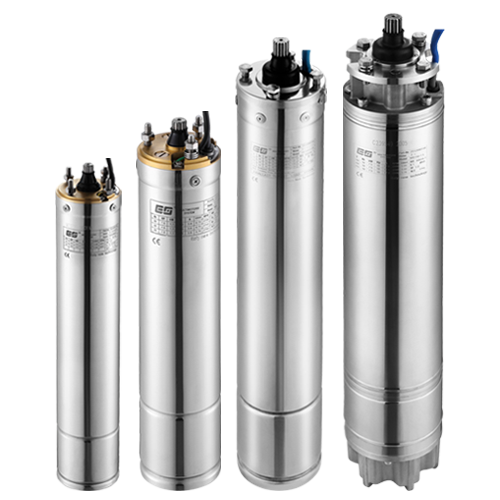
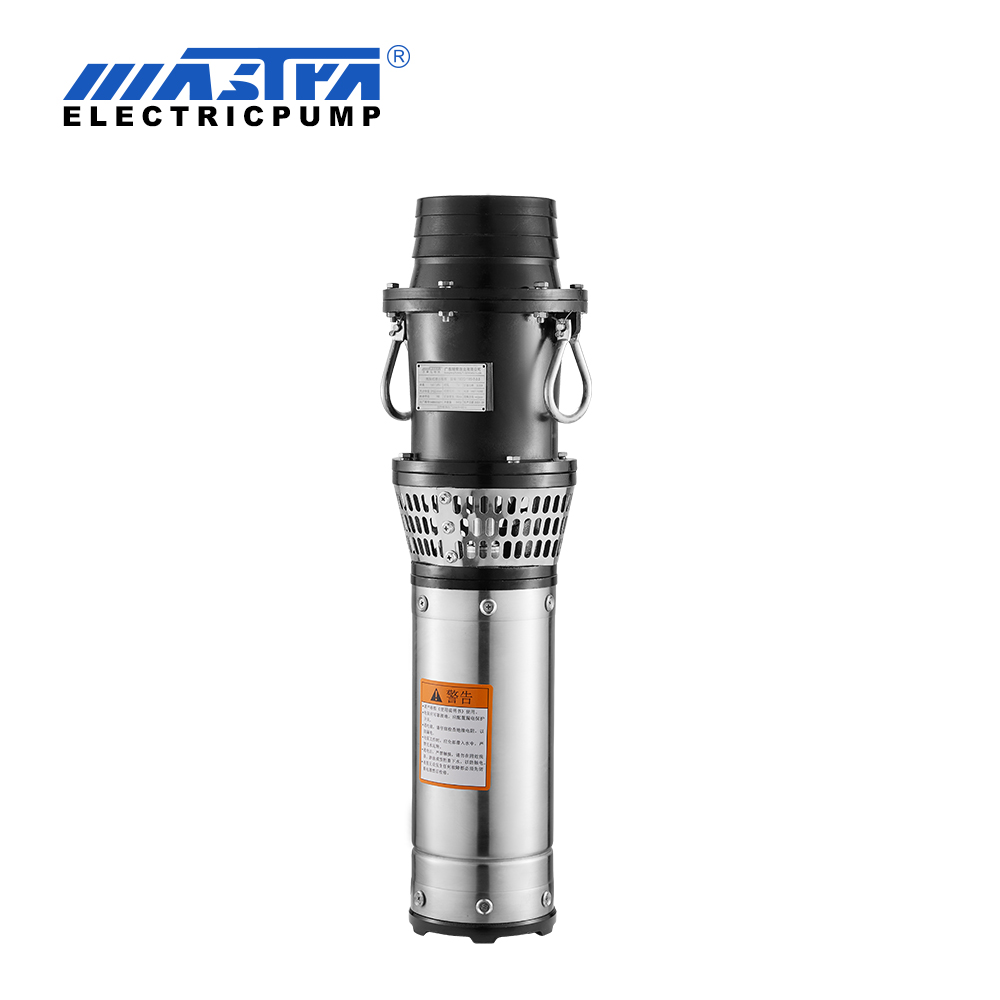
A submersible pump is a specialized device with a hermetically sealed motor directly connected to the pump body. This integrated design allows the entire unit to be safely placed directly into the fluid it needs to move. Unlike other pumps that sit outside the liquid and pull it up through a hose, a submersible pump pushes the fluid to the surface.
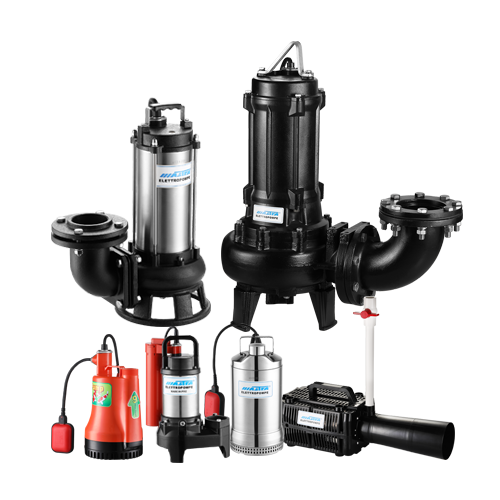
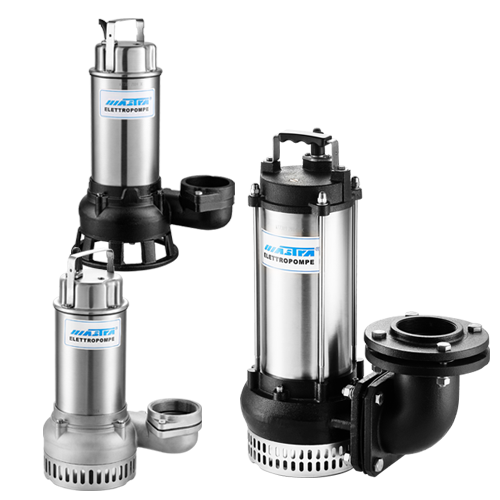
This design is highly efficient because pushing liquid is much easier than pulling it via suction. It also primes itself naturally by being surrounded by the fluid it is pumping. You'll find these pumps used in a wide range of applications, from deep wells and boreholes to sump pits in basements, pond circulation, and even in industrial settings.
The Short Answer: Yes, It Must Be Submerged
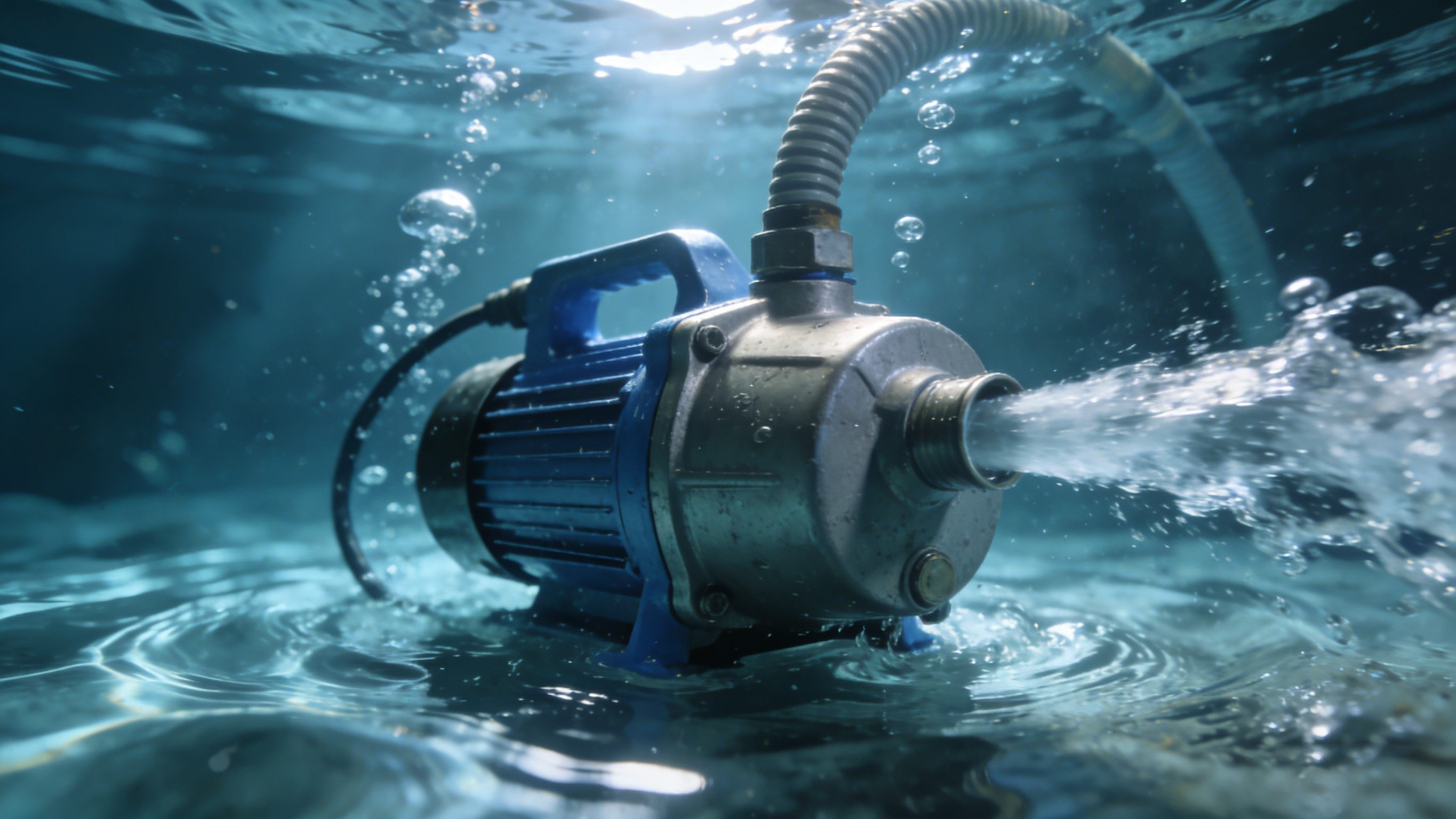
To put it simply, a submersible pump must be fully submerged in water to operate safely and correctly. The "submersible" part of its name isn't just a suggestion; it's a fundamental requirement for how the pump is designed to function.
There are two primary reasons for this:
1.Cooling: The pump's motor generates a significant amount of heat during operation. The surrounding water acts as a natural coolant, dissipating this heat and preventing the motor from overheating.
2.Lubrication: The water being pumped also serves to lubricate the internal components of the pump, such as the bearings and seals. Without this lubrication, friction would quickly cause these parts to wear out and fail.
Running a submersible pump without being underwater, a condition known as "running dry," can cause catastrophic failure in a very short amount of time.
What Happens When a Submersible Pump Runs Dry?
Running a submersible water pump without water is one of the most common—and most damaging—mistakes an owner can make. The consequences can range from reduced performance to complete and irreversible failure.
Overheating and Motor Burnout
The most immediate danger of running a pump dry is overheating. The motor is engineered to rely on the surrounding water to keep its temperature within a safe operating range. Without this external coolant, the motor's temperature will rise rapidly.
As it overheats, the protective coating on the motor's internal windings can melt. This can lead to a short circuit, causing the motor to burn out completely. A burnt-out motor is often beyond repair, meaning the entire pump will need to be replaced. Even a short period of dry running can cause enough heat damage to significantly shorten the lifespan of the motor.
Mechanical Damage to Seals and Bearings
Water doesn't just cool the pump; it also lubricates its moving parts. The seals and bearings inside the pump are designed to operate within a fluid environment. When the pump runs dry, these components are subjected to intense friction.
· Seals: The seals that keep water out of the motor housing can quickly become brittle and crack from the heat and friction. Damaged seals will allow water to leak into the motor, causing electrical shorts and corrosion.
· Bearings: The bearings that support the pump's rotating shaft will wear down rapidly without lubrication. This can cause the impeller to wobble or seize, leading to further damage to the pump housing.
Impeller and Diffuser Damage
The impeller is the component that spins to propel the water. It is carefully balanced and designed to work with the resistance of the fluid. When a pump runs dry, the impeller spins at a much higher speed than intended. This excessive speed, combined with the heat generated, can cause the impeller and the surrounding diffuser to warp, melt, or even shatter, especially if they are made from plastic or thermoplastic materials.
In essence, running a submersible pump out of water creates a domino effect of failures. The lack of cooling leads to overheating, which in turn causes mechanical parts to fail from a lack of lubrication and excessive friction.
How to Prevent Your Submersible Pump from Running Dry
Given the severe consequences, preventing your submersible pump from running dry is a top priority. Fortunately, there are several methods and devices designed to protect your investment.
Use a Float Switch
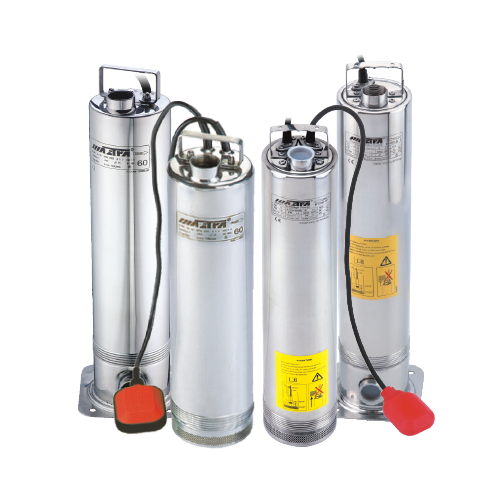
One of the simplest and most effective safeguards is a float switch. A float switch is a device that floats on the water's surface and automatically turns the pump on or off based on the water level.
· How it works: When the water level rises to a certain point, the float switch activates the pump. When the level drops below a safe minimum, the switch deactivates the pump, preventing it from running dry.
· Types: Float switches come in several designs, including tethered and vertical switches. They are standard in most sump pump applications and can be added to many well pumps.
Install Run-Dry Protection Sensors
For more advanced protection, you can install dedicated run-dry protection sensors. These devices monitor the pump's operation to detect conditions that indicate a lack of water.
· Load Monitors: These sensors monitor the electrical current (amperage) drawn by the pump motor. When a pump runs dry, it works with less resistance and draws less power. The sensor detects this drop in amperage and shuts the pump off.
· Flow Switches: A flow switch is installed in the discharge pipe and monitors the actual flow of water. If the flow stops or drops below a certain rate, the switch will turn off the pump.
· Level Probes: In deep wells or large tanks, electronic level probes can be used. These probes use electrical conductivity to detect the presence of water at different levels and can control the pump with high precision.
Ensure Proper Installation and Placement
Correct installation is your first line of defense. The pump's intake should always be positioned well below the lowest anticipated water level. For well pumps, this means setting the pump deep enough in the well casing to ensure it remains submerged even during dry seasons when the water table might drop.
For sump pumps, ensure the sump pit is deep enough to allow the float switch to operate correctly without the pump sucking in air.
Ready to Pump with Confidence?
The rule is simple and absolute: a submersible pump must always be fully submerged in water to function properly. The water provides essential cooling and lubrication that the pump cannot operate without. Running it dry, even for a brief period, can lead to overheating, motor burnout, and severe mechanical damage.
By understanding this fundamental requirement and implementing safeguards like float switches, run-dry sensors, and proper installation, you can ensure your submersible water pump operates efficiently and reliably for its entire intended lifespan. Protecting your pump from running dry is the single most important thing you can do to protect your investment and ensure you have water when you need it.
submersible water pump
submersible pump
submersible pump Manufacturer



Get Touch With Us
Contact Info
0086-139 2903 3707
+86 138 2702 0863
No.22, North 3rd Road, Duruan Town, Jiangmen City, Guangdong Province, China
Related Products