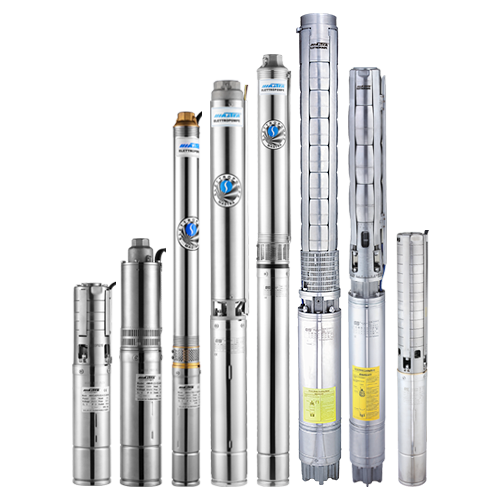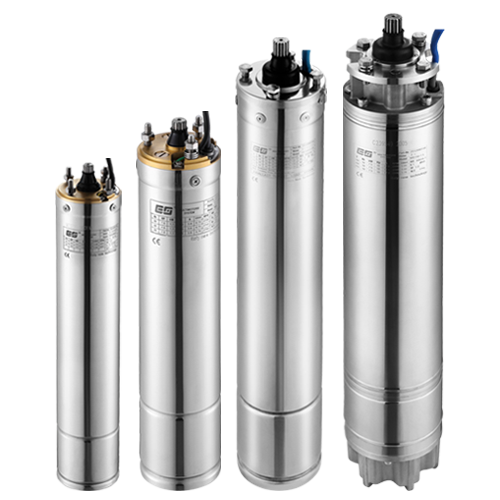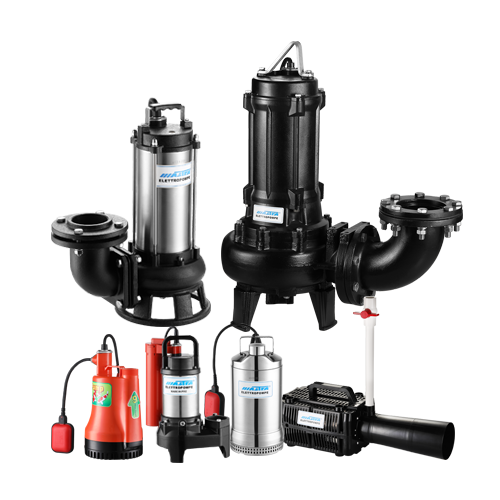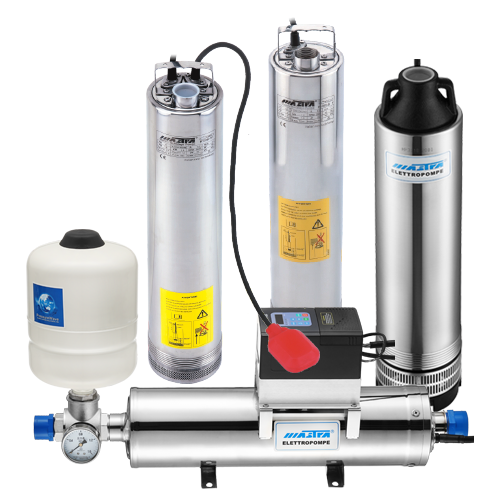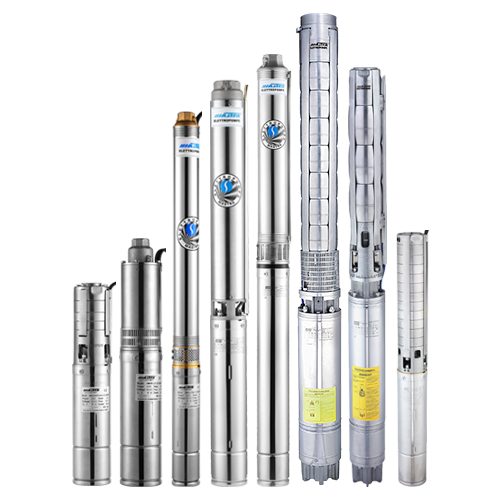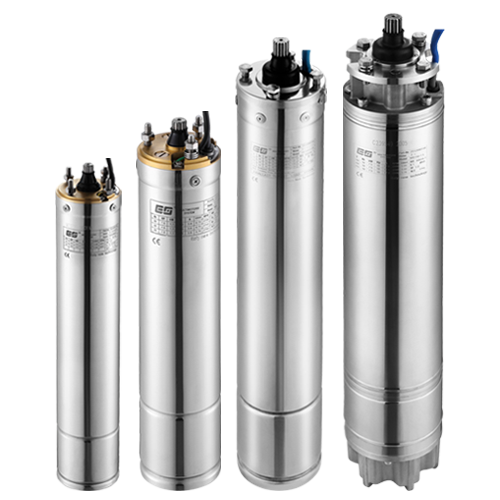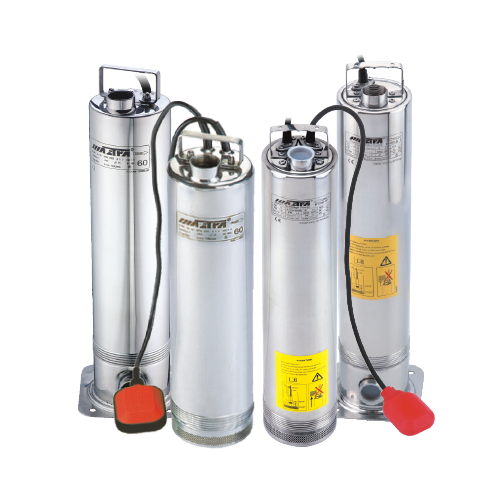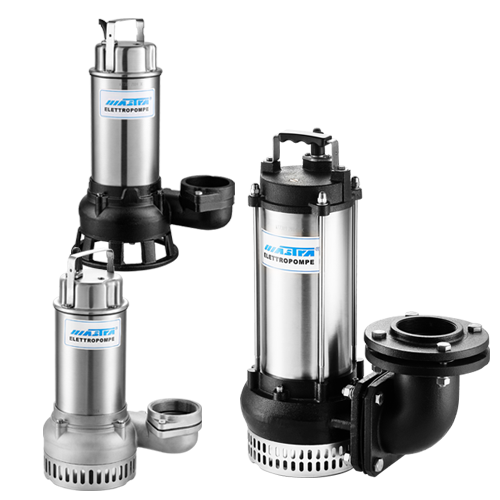

Before placing a bulk order for a 5 HP to 15 HP submersible pump, buyers should inspect materials, motor insulation ratings, protection certifications (such as IP68), vibration levels, and third-party test reports. Skipping this step on high-power pumps — where unit costs are significant — can resul
READ MORE
Choosing the correct horsepower (HP) for a submersible well pump is one of the most important decisions in any water supply project. Select too little power and the pump underperforms; select too much and you waste energy and risk damaging the system. This guide breaks down every major HP range—from
READ MORE
Quick answer: A top-tier DC submersible pump OEM manufacturer offers extensive customization capabilities, including tailored voltage ratings, specialized materials like full stainless steel, and private label branding. Partnering with experienced manufacturers like Guangdong Ruirong Pump Industry C
READ MORE
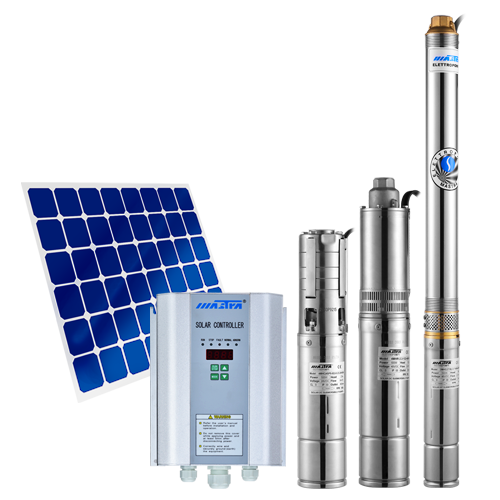
Quick answer: To successfully source a DC submersible pump from China, buyers must evaluate suppliers based on their production capacity, quality certifications, and minimum order quantity (MOQ) requirements. Partnering with an established China DC submersible pump supplier like MASTRA Pump ensures
READ MORE
Sourcing industrial equipment requires a careful balance of cost, reliability, and technical compatibility. When you need equipment to move water, sewage, or industrial fluids, the stakes are exceptionally high. A failing pump can cause severe operational delays, expensive repairs, and significant s
READ MORE
Water extraction and management projects require significant capital, making the choice of equipment highly consequential. Purchasers constantly evaluate how to balance upfront costs with long-term operational efficiency. One of the most critical decisions is selecting the right motor type for your
READ MORE