
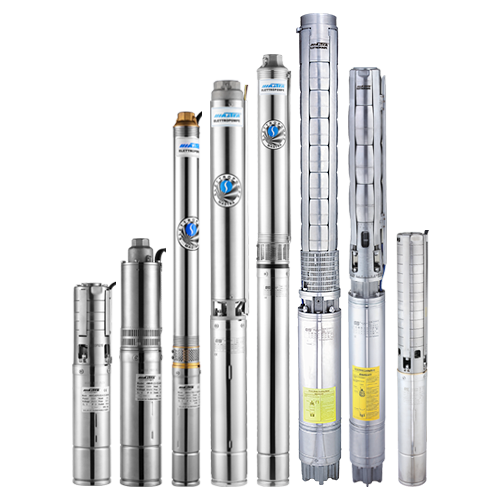
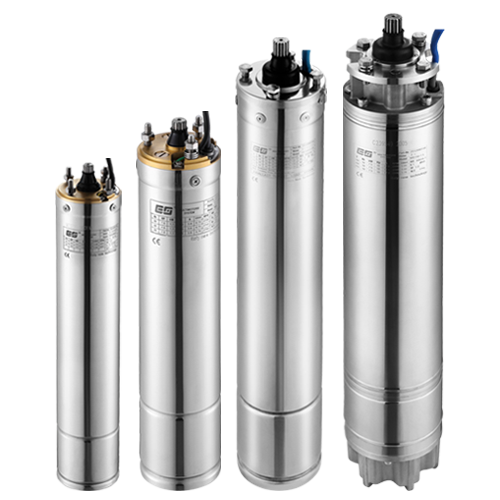
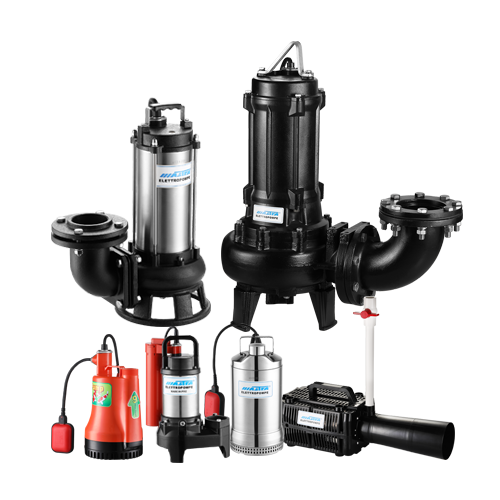
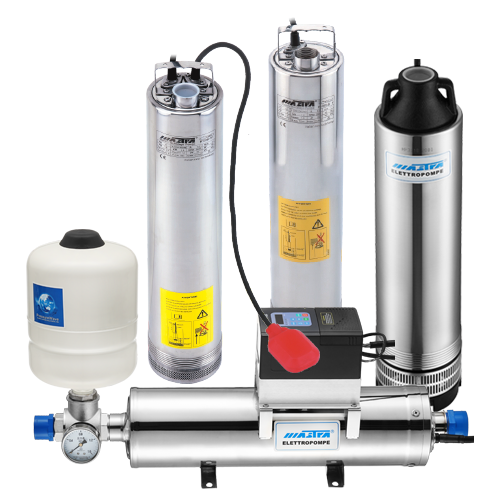
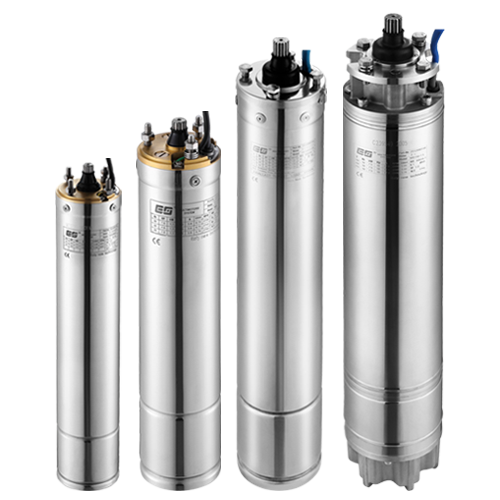
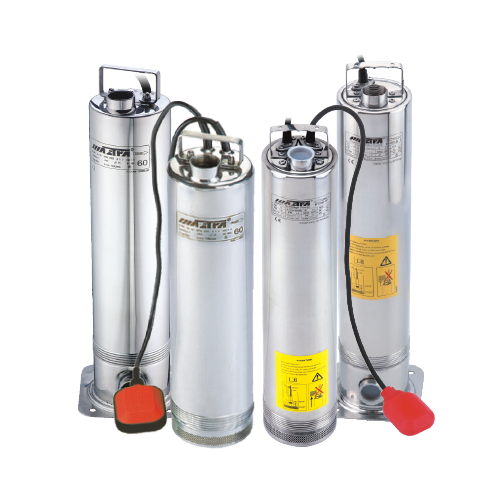
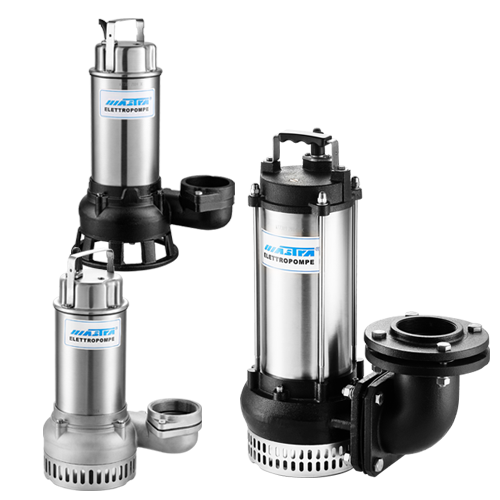




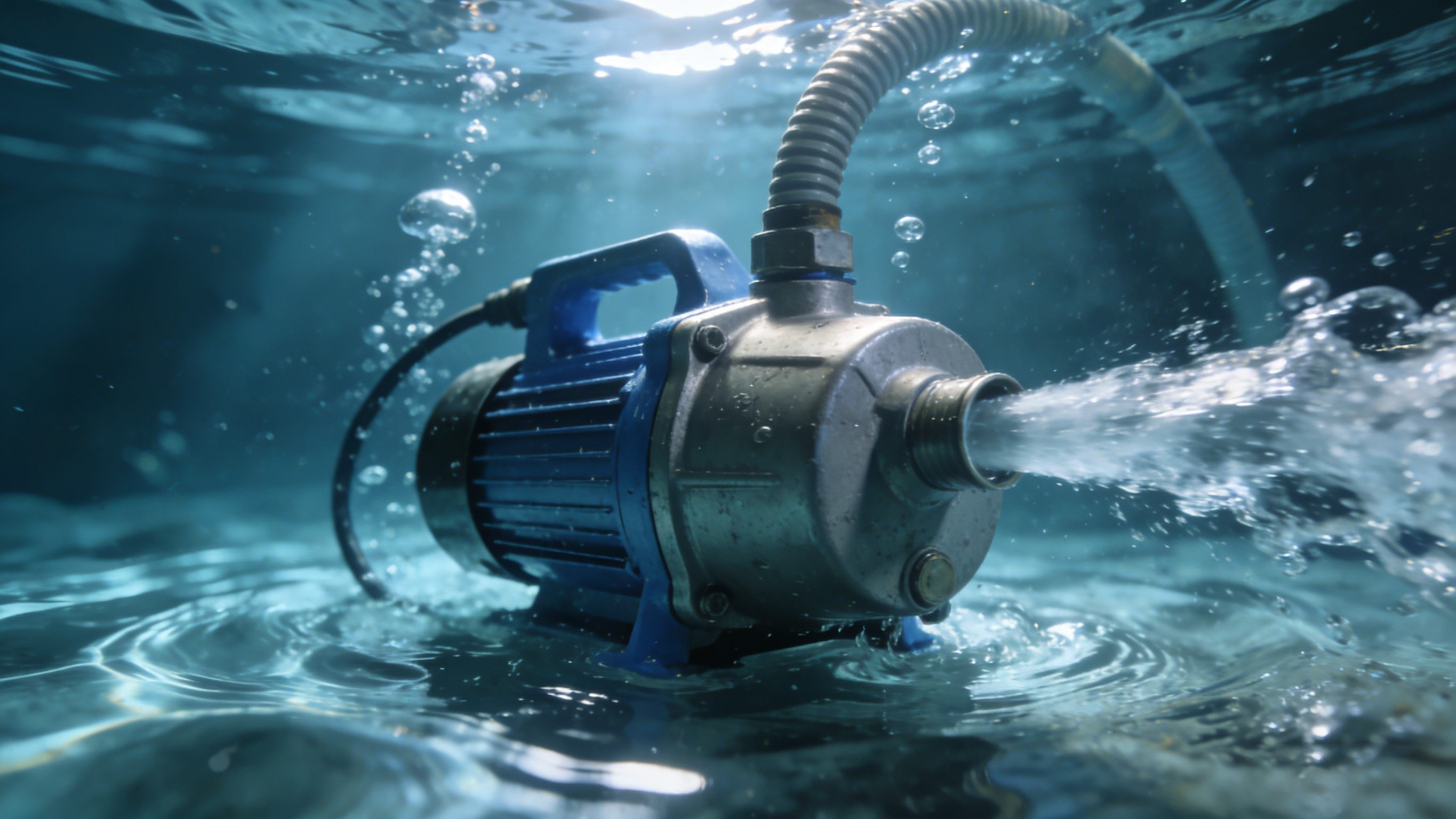
Submersible pumps are the unsung heroes of water management. Tucked away deep in wells or at the bottom of sump pits, these powerful devices work silently to move large volumes of water. Their design is a marvel of engineering—a sealed, waterproof unit that can operate completely submerged. But this raises a common and critical question: can a submersible pump be used out of water?
The short answer is no. Running a submersible pump out of water, even for a short time, can cause significant and often irreversible damage. These pumps are specifically designed to be surrounded by liquid, which serves two vital functions: cooling the motor and lubricating internal components.
This guide will explain why operating a submersible pump out of water is so harmful, what happens when it runs dry, and what alternatives exist for moving water when submersion isn't an option. Understanding these principles is key to protecting your investment and ensuring your pump operates safely and effectively for years.
How a Submersible Pump Works
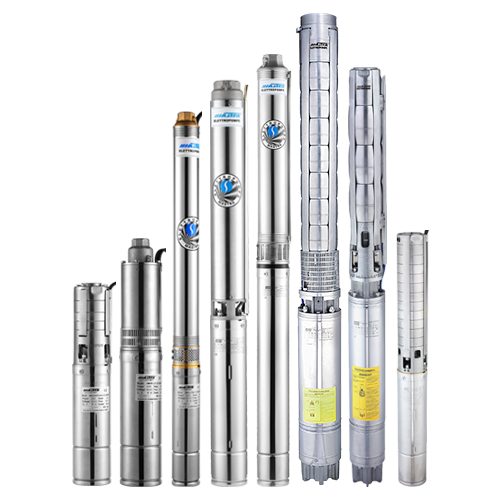
To understand the risks, it's helpful to know how a submersible pump functions. As detailed in our guide on installing a deep well pump, these units consist of a pump body and a hermetically sealed motor housed together. The entire assembly is designed to be placed directly within the fluid it needs to move.
When the pump is activated, the motor drives an impeller, which is a rotor with blades. The impeller spins rapidly, creating a pressure difference that forces water into the pump and pushes it out through a discharge pipe. The water flowing around and through the pump isn't just being moved; it's an essential part of the pump's operating environment.
The Dangers of Running a Submersible Pump Dry
Using a submersible pump out of water is known as "running it dry." This is one of the quickest ways to destroy the pump. Here’s a breakdown of what happens and why it’s so destructive.
1. Rapid Overheating
The single most immediate danger is overheating. The sealed motor of a submersible pump generates a significant amount of heat during operation. The surrounding water acts as a coolant, constantly absorbing and dissipating this heat. Without water, there is no cooling mechanism.
· Motor Burnout: The motor's internal temperature will rise dramatically within minutes, sometimes even seconds. This can melt the protective enamel coating on the motor windings, causing a short circuit and burning out the motor completely.
· Damage to Seals: The seals that keep water out of the motor housing are typically made of rubber or other synthetic materials. Extreme heat can cause these seals to warp, crack, or melt, compromising the waterproof integrity of the unit. Once the seals fail, the pump is no longer submersible even if the motor survives.
2. Lack of Lubrication
Water also acts as a lubricant for many of the pump's moving parts, particularly the impeller and the bearings.
· Impeller Damage: Without water, the impeller can create friction against the pump housing (volute). This friction generates even more heat and can cause the plastic or metal components to melt, deform, or shatter.
· Bearing Seizure: The bearings that support the motor shaft rely on the surrounding fluid to stay cool and lubricated. When run dry, the bearings can overheat, seize up, and stop the motor shaft from turning, leading to catastrophic failure.
3. Cavitation and Mechanical Stress
Even if the pump is only partially submerged or has an inconsistent water supply, it can suffer from a phenomenon called cavitation. This occurs when air bubbles form and then violently collapse inside the pump. This process creates mini-shockwaves that can chip away at the impeller and internal surfaces, causing significant mechanical damage over time. Running completely dry is an extreme version of this, where air instead of water is being moved, placing unintended stress on all components.
How to Protect Your Submersible Pump from Running Dry
Given the severe consequences, preventing your pump from running dry is crucial. Modern pump systems often include built-in safety features to avoid this scenario.
· Float Switches: This is the most common form of protection. A float switch is a buoyant device that rises and falls with the water level. It's wired to the pump's power supply. When the water level drops below a certain point, the switch tilts down and cuts power to the pump. When the water rises again, the switch floats up and turns the pump back on.
· Water Level Sensors: More advanced systems may use electronic sensors or probes to detect the water level. These sensors can offer more precise control and can shut off the pump when the water reaches a pre-set minimum level.
· Thermal Overload Protection: Many submersible pumps have a built-in thermal overload switch. This device detects when the motor temperature exceeds a safe limit and automatically shuts it off. While this can prevent immediate burnout from overheating, it should be considered a last line of defense. If the thermal switch is tripping frequently, it’s a sign of an underlying problem, such as the pump running dry or being overworked.
Are There Any Exceptions?
While the rule is firm, some specialized "submersible/non-submersible" or "utility" pumps are designed for more flexible use. These pumps are often built with different cooling mechanisms, such as an oil-filled motor housing or a design that routes a portion of the pumped water back over the motor to cool it.
However, even these pumps have limitations. They can typically only run out of water for very brief periods and are not intended for continuous dry operation. Always read the manufacturer's specifications carefully. If the manual does not explicitly state that the pump can be run out of water, you must assume it cannot.
What to Use Instead of a Submersible Pump
If your application involves moving water from a location where the pump cannot be submerged, you need a different type of pump. These are generally known as "non-submersible" or "self-priming" pumps.
· Centrifugal Pumps (Non-Submersible): These pumps are placed on dry land, using a suction hose to draw water from the source. They are ideal for applications like irrigation, draining pools, or transferring water between tanks. They need to be "primed" (filled with water) before their first use to create suction.
· Diaphragm Pumps: These are positive displacement pumps that are excellent for moving water with small solids or for applications requiring a consistent flow rate. They are self-priming and can run dry for extended periods without damage.
· Transfer or Utility Pumps: These are small, portable pumps often used by homeowners and contractors for tasks like draining water heaters or emptying clogged sinks. Many are self-priming and can handle intermittent dry running.
Your Final Takeaway
A submersible pump is a specialized tool designed for a specific job: operating fully submerged in water. Using it out of water is a recipe for rapid failure due to overheating and lack of lubrication. The risks are simply too high to justify the attempt.
To keep your pump running efficiently, ensure it's always submerged during operation and protected by a functional float switch or other level-control device. If your task requires pumping from a location where the pump can't be underwater, invest in the right tool for the job—a non-submersible, self-priming pump. Making the correct choice will save you from costly repairs and ensure your water management tasks are handled safely and effectively.
Submersible Pump
Submersible Water Pump
submersible pump Manufacturer
Related News


Get Touch With Us
Contact Info
0086-139 2903 3707
+86 138 2702 0863
No.22, North 3rd Road, Duruan Town, Jiangmen City, Guangdong Province, China
Related Products