



Whether you're draining a flooded basement, maintaining a pond, or setting up a fountain, a submersible water pump can be an invaluable tool. These versatile devices work underwater to move water efficiently from one place to another. But if you've never used one before, the process might seem unclear.
This guide will walk you through everything you need to know about using a submersible water pump safely and effectively. From choosing the right pump to installation and maintenance, you'll have the confidence to tackle your water management project.
What is a Submersible Water Pump?
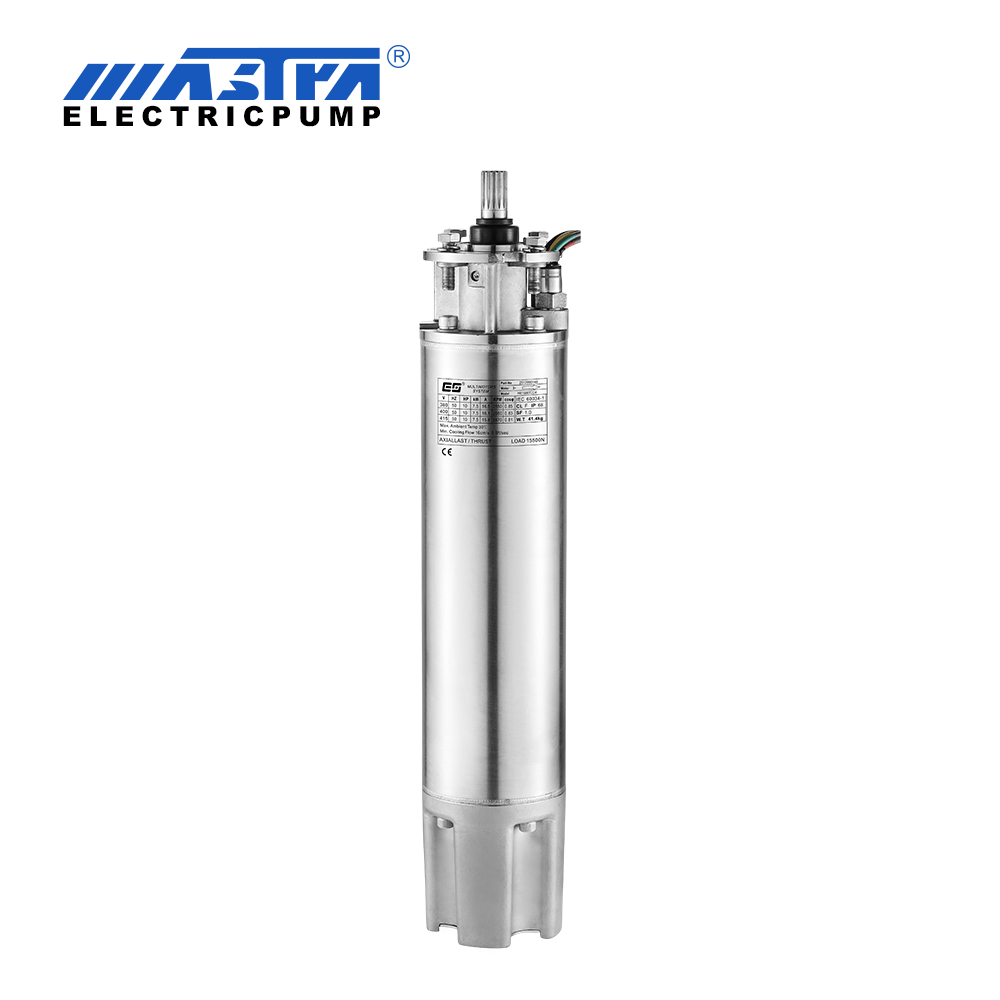
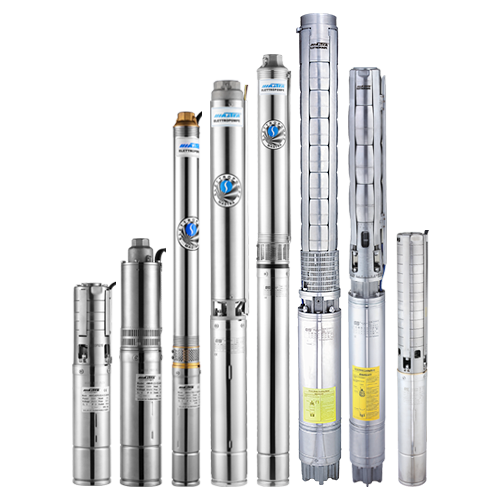
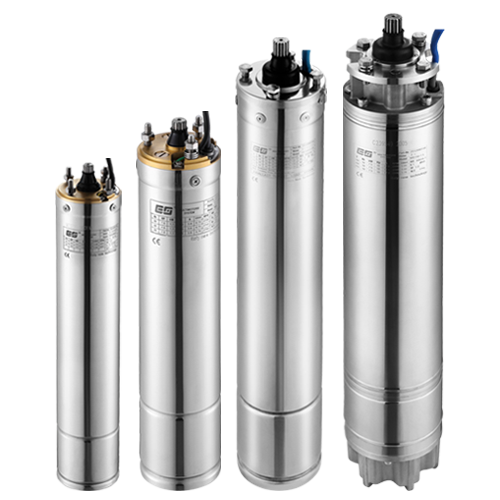
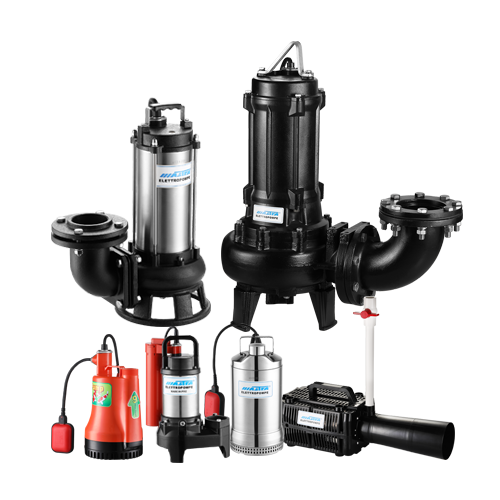
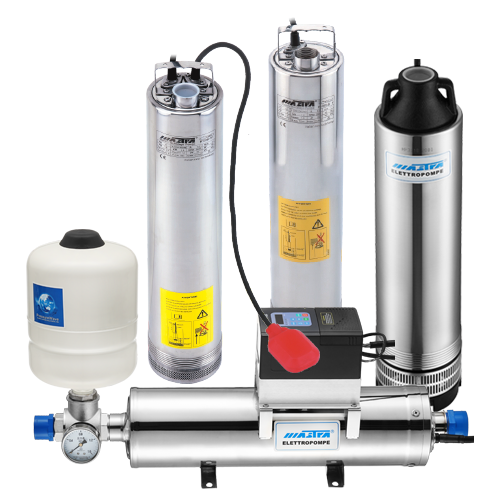
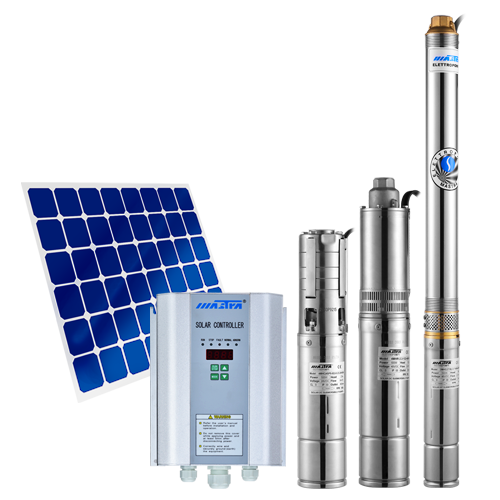
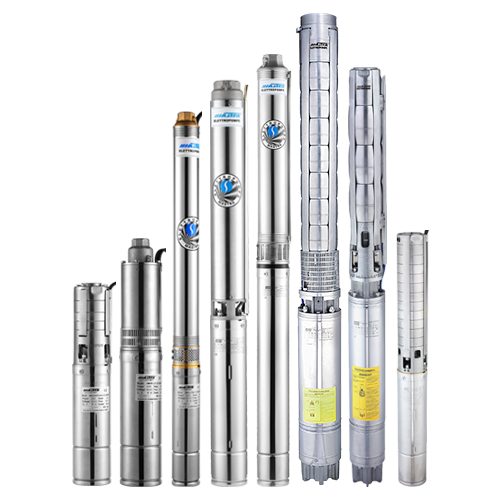
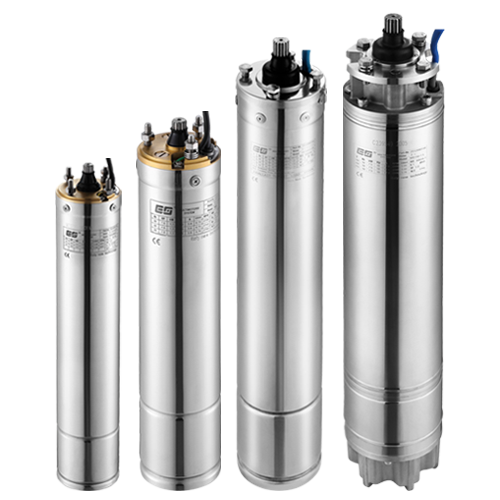
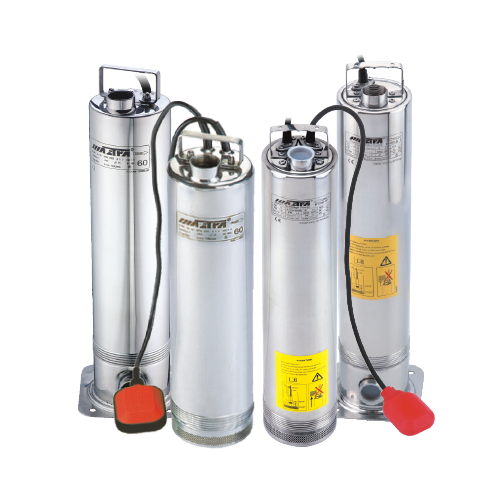
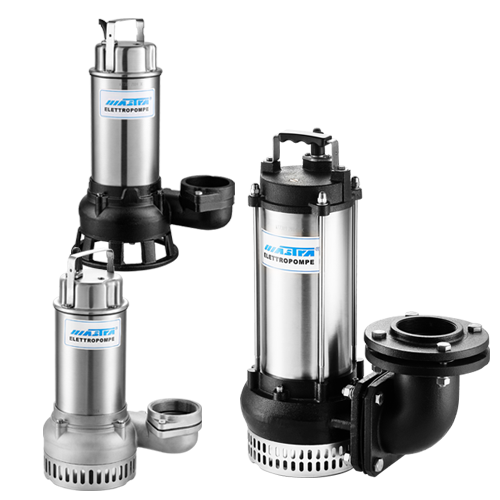
A submersible water pump is designed to operate while fully submerged in water. Unlike surface pumps that sit outside the water, these pumps are sealed units that can be placed directly into the liquid they're pumping.
They're commonly used for:
· Draining flooded areas
· Emptying pools or hot tubs
· Managing water features like fountains and waterfalls
· Irrigating gardens
· Pumping water from wells or cisterns
The main advantage? Submersible pumps are self-priming and don't require manual priming like surface pumps. They're also quieter since the water acts as a sound dampener.
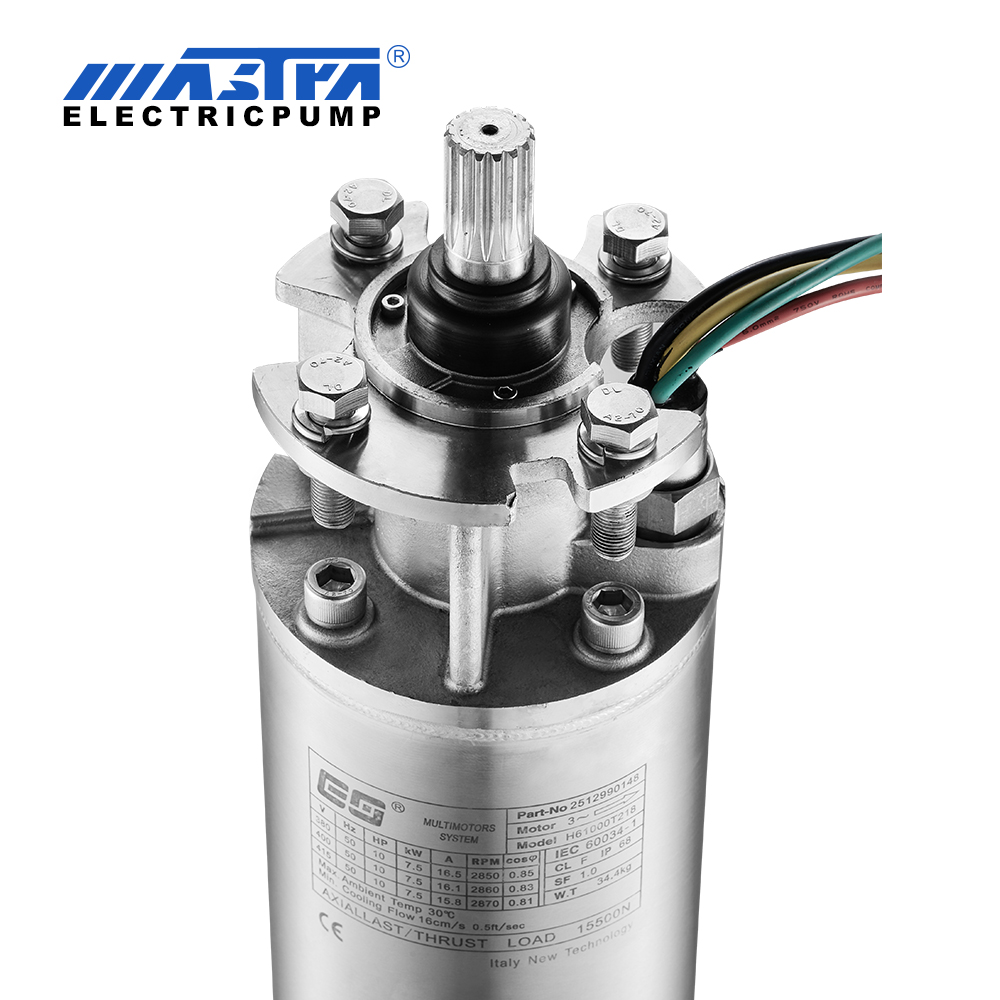
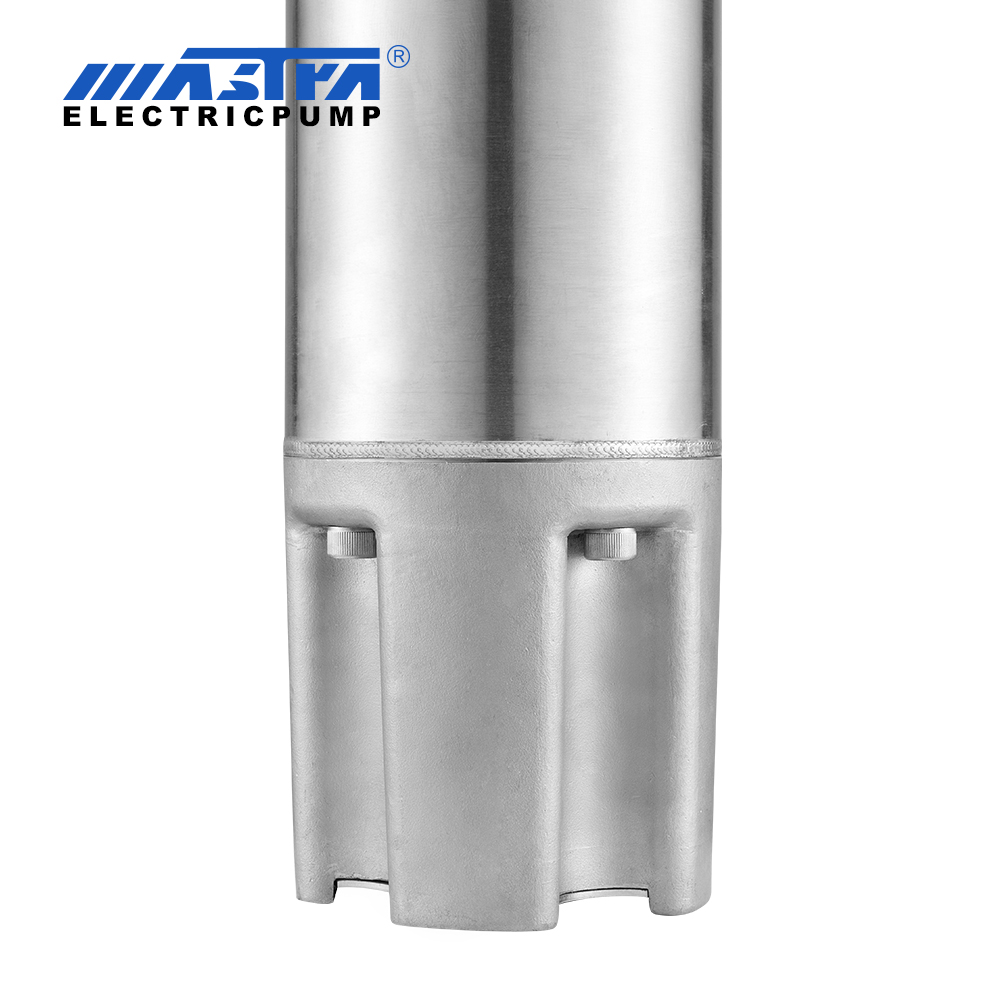
Choosing the Right Submersible Water Pump
Before you can use a submersible water pump, you need to select one that matches your specific needs. Here are the key factors to consider:
Flow Rate
Flow rate, measured in gallons per hour (GPH) or gallons per minute (GPM), tells you how much water the pump can move. Calculate your needs based on the volume of water you're dealing with and how quickly you need to move it.
For example, draining a small basement might require a pump with a flow rate of 1,500 GPH, while a large pond could need 3,000 GPH or more.
Head Height
Head height refers to how high the pump can push water vertically. If you're pumping water up and out of a deep basement or well, you'll need a pump with sufficient head height capacity.
Particle Size
Some submersible pumps can handle clean water only, while others are designed to pump water containing debris or solids. Check the maximum particle size the pump can handle. If you're draining dirty water with sediment, look for a pump rated for solids up to 1/4 inch or larger.
Power Source
Most residential submersible pumps run on standard 110V household current, but larger models may require 220V. Make sure your power source matches the pump's requirements.
Installing Your Submersible Water Pump
Once you've selected the appropriate pump, follow these steps to install it correctly:
Step 1: Inspect the Pump
Before submerging, examine the pump for any visible damage. Check that the power cord is intact and the housing is sealed properly. Any cracks or exposed wiring could be dangerous when the pump is submerged.
Step 2: Attach the Discharge Hose
Connect your discharge hose to the pump's outlet. Make sure the connection is secure to prevent leaks. The hose should be long enough to reach your drainage point with a little extra slack to prevent kinking.
Step 3: Position the Pump
Lower the submersible water pump into the water. For most applications, you'll want to place it at the lowest point to maximize water removal. If you're draining a basement or pool, position it where water naturally collects.
Some pumps come with a float switch that automatically turns the pump on and off based on water level. If yours has this feature, make sure the float has enough clearance to move freely.
Step 4: Secure the Pump (If Needed)
For permanent or semi-permanent installations like pond or fountain systems, you may want to secure the pump with weights or anchors. This prevents it from shifting and keeps the intake clear of the bottom surface.
Step 5: Connect to Power
Once the pump is in position, plug it into a properly grounded outlet. For outdoor use, always use a ground fault circuit interrupter (GFCI) outlet to prevent electrical shocks.
Operating Your Submersible Water Pump
With your pump installed, you're ready to start pumping:
1.Turn on the power: Simply plug in the pump or flip the switch. The pump should begin moving water immediately.
2.Monitor the operation: Check that water is flowing through the discharge hose at the expected rate. Listen for unusual noises that might indicate a problem.
3.Keep the pump submerged: Never run a submersible water pump out of water. This can cause the motor to overheat and fail. If the water level drops too low, turn off the pump.
4.Watch for clogs: If the flow rate decreases, the intake screen may be blocked with debris. Turn off the pump and clear any obstructions.
Maintenance Tips for Longevity
Proper maintenance will extend the life of your submersible water pump and ensure reliable performance:
Clean the intake screen regularly: Debris and sediment can clog the intake, reducing efficiency. Remove the pump periodically and rinse the screen with clean water.
Inspect the impeller: If you notice reduced flow, the impeller may be damaged or clogged. Consult your owner's manual for instructions on accessing and cleaning it.
Check electrical connections: Look for frayed wires or corroded connections, especially if the pump is used in harsh conditions.
Store properly during off-season: If you won't be using the pump for an extended period, clean it thoroughly, drain all water, and store it in a dry location.
Test before heavy use: If your pump has been in storage, test it before relying on it for an important job like flood drainage.
Safety Considerations
Working with electricity and water requires caution. Follow these safety guidelines:
· Always use GFCI-protected outlets for outdoor or wet locations
· Never touch the pump or power cord with wet hands
· Disconnect power before performing any maintenance
· Don't modify the power cord or remove the ground pin
· Keep the pump away from swimming areas when in use
· Follow all manufacturer instructions and warnings

Troubleshooting Common Issues
Even with proper installation and maintenance, you might encounter problems. Here's how to address common issues:
Pump won't start: Check that it's properly plugged in and the outlet has power. Verify that the float switch (if present) isn't stuck in the off position.
Reduced flow rate: Clean the intake screen and check for kinks in the discharge hose. The impeller may also need cleaning.
Pump cycles on and off: This usually indicates the float switch is malfunctioning or positioned incorrectly. Adjust its placement or consult the manual for troubleshooting steps.
Strange noises: Grinding or rattling sounds may mean debris is caught in the impeller or the motor bearings are wearing out.
Get the Most from Your Pump
A submersible water pump is a reliable tool when used correctly. By choosing the right model, installing it properly, and maintaining it regularly, you can handle a wide range of water management tasks with confidence.
Remember to always prioritize safety when working with electrical equipment near water, and consult your pump's user manual for specific guidance. With these fundamentals in place, you're well-equipped to put your submersible water pump to work.
Submersible Water Pump
Water Pump
Submersible Pump
Related News


Get Touch With Us
Contact Info
0086-139 2903 3707
+86 138 2702 0863
No.22, North 3rd Road, Duruan Town, Jiangmen City, Guangdong Province, China
Related Products