
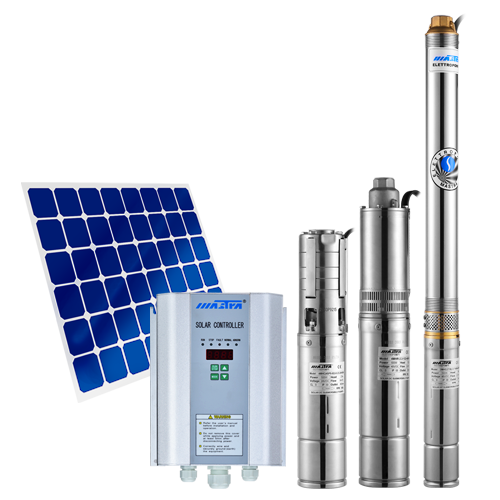
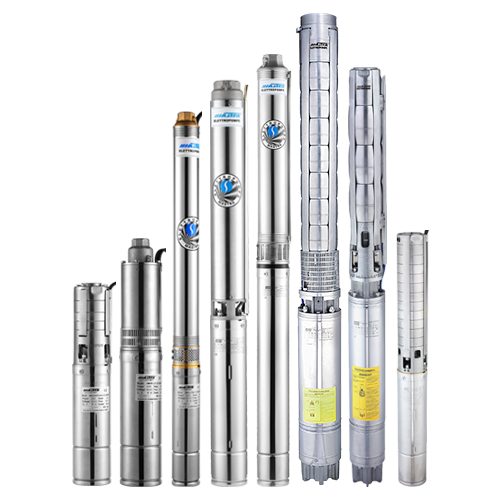




A submersible water pump is a crucial component of any well system, quietly working behind the scenes to provide your home with a consistent supply of water. But what happens when you turn on the faucet and nothing comes out, or the water pressure drops significantly? These issues often point to a problem with the pump itself.
Knowing how to test a submersible water pump can save you time, money, and the inconvenience of being without water. While some pump issues require a professional, there are several diagnostic tests you can perform yourself with basic tools and a bit of know-how. This guide will walk you through the process step-by-step, helping you identify whether your pump is the source of the problem and what you can do about it.
Signs of a Malfunctioning Submersible Water Pump
Before you begin testing, it's helpful to recognize the common symptoms of a failing pump. If you're experiencing any of the following, it might be time for a check-up:
· No Water: The most obvious sign. If no water is coming from any of your fixtures, the pump may have failed completely.
· Low Water Pressure: A noticeable decrease in water flow throughout your home can indicate a worn-out pump that is struggling to push water from the well.
· Pump Cycles On and Off Frequently: If you hear the pump clicking on and off more often than usual, it could be a sign of a bad pressure switch, a leak in the system, or a failing pump motor.
· Spiking Electricity Bills: A pump that has to work harder due to internal wear and tear will consume more energy, leading to an unexplained increase in your power costs.
· Dirty or Murky Water: Sediment or debris in your water could mean the pump's filter has failed or the pump is pulling in silt from the bottom of the well.
Preparing for the Test: Safety First
Working with electrical and water systems carries inherent risks. Before you start any tests, prioritizing your safety is essential.
· Turn Off the Power: Locate the circuit breaker for your submersible water pump and switch it off. This is the most critical step to prevent electrical shock. You can confirm the power is off by trying to run a faucet and listening for the pump's pressure switch to click.
· Gather Your Tools: You will need a few basic tools to perform these tests. Having them ready will make the process smoother.
- Multimeter (digital is recommended)
- Screwdriver set
- Wrench
- Protective gloves and safety glasses

Step-by-Step Guide to Testing Your Pump
Follow these steps to diagnose issues with your submersible water pump system.
Step 1: Inspect the Pressure Tank and Switch
The pressure tank and switch work together to regulate water pressure and control the pump's operation. Often, what appears to be a pump problem is actually an issue with one of these components.
1.Check the Pressure Gauge: With the power still on initially, observe the pressure gauge on your tank. When you run water, the pressure should drop. When it hits the cut-in pressure (usually around 30-40 PSI), the pump should kick on. It should shut off when it reaches the cut-out pressure (usually 50-60 PSI). If the pump isn't responding correctly to these pressure changes, the switch might be faulty.
2.Inspect the Pressure Switch: Now, turn off the power at the breaker. Remove the cover from the pressure switch, which is typically a small gray box mounted on the pipe near the pressure tank. Look for any signs of corrosion, burnt contacts, or insect nests that could be causing a malfunction. If the contacts look blackened, you can try cleaning them gently with fine-grit sandpaper, but replacement is often the better long-term solution.
Step 2: Test the Pump Motor with a Multimeter
If the pressure switch seems fine, the next step is to test the pump's electrical components. This will determine if the motor is receiving power and functioning correctly. This requires using a multimeter.
1.Access the Control Box: Some submersible pump systems have a control box mounted on the wall near the pressure tank. Others have the starting components integrated into the pump motor itself. If you have a control box, this is where you'll perform your tests. If not, you will need to access the wiring at the wellhead.
2.Test the Voltage: Set your multimeter to measure AC voltage (VAC). With the power to the pump turned on, carefully touch the multimeter probes to the incoming power terminals on the pressure switch. The reading should match your home's voltage (e.g., 240V). If there's no voltage, the issue is with your home's electrical supply, not the pump.
3.Check for Resistance (Ohms): Turn the power off again. Disconnect the wires leading from the control box to the pump motor. Set your multimeter to measure resistance (Ω). Test the resistance between the different motor wires according to the manufacturer's diagram (often found inside the control box lid).
4.
。You'll typically test between the "start" and "run" terminals.
。You will also test each wire to the ground wire.
。Compare your readings to the specifications provided by the manufacturer. A reading of infinity (OL) or zero can indicate a broken winding or a short circuit in the motor, respectively. A reading to ground means the motor is shorted and needs replacement.
Step 3: Test the Pump's Amperage Draw
Measuring the amperage (current) the pump draws while running is another excellent diagnostic test. An incorrect amp reading can signal a problem.
1.Use a Clamp-On Ammeter: A clamp-on ammeter (which is a feature of many multimeters) is the safest way to do this.
2.Measure the Amps: With the pump running, clamp the meter around one of the main wires going to the pump. Compare the reading to the full load amps (FLA) rating printed on the pump or in its manual.
3.
。High Amps: A reading significantly higher than the FLA suggests the pump is working too hard. This could be due to a blockage, bad bearings, or an impending motor failure.
。Low Amps: A reading lower than normal could mean the pump is running without a load, which might happen if it's not submerged in water or if there's a blockage preventing water from entering.
When to Call a Professional
While these DIY tests can help you narrow down the problem, some situations are best left to a professional.
· Pulling the Pump: If your tests indicate a failed motor or a problem with the pump itself, it will need to be pulled from the well. This requires specialized equipment and expertise to avoid damaging the pump, wiring, or well casing.
· Complex Electrical Issues: If you are not comfortable working with electrical components or if your tests are inconclusive, it's always safer to consult a qualified well technician.
· You Don't Have the Right Tools: Performing these tests without a reliable multimeter or other necessary tools can lead to inaccurate results or safety hazards.
Get Your Water Flowing Again
Testing a submersible water pump is a process of elimination. By starting with the simplest components like the pressure switch and moving on to more complex electrical tests, you can often pinpoint the source of your water woes. A faulty pressure switch or control box capacitor are relatively easy and inexpensive fixes. However, if your diagnostics point to a failed motor, it's time to call in a professional to handle the replacement. Regular maintenance and prompt testing at the first sign of trouble will ensure your well system provides reliable service for years to come.
Submersible Water Pump
Submersible Pump
submersible fountain pump


Get Touch With Us
Contact Info
0086-139 2903 3707
+86 138 2702 0863
No.22, North 3rd Road, Duruan Town, Jiangmen City, Guangdong Province, China
Related Products