




When your submersible water well pump fails or needs maintenance, you'll need to remove it from your well. This task might seem daunting, but with proper preparation and the right approach, homeowners can tackle this project safely. Whether you're dealing with reduced water pressure, unusual noises, or complete pump failure, knowing how to remove a submersible water well pump can save you time and money.
Removing a submersible pump requires careful planning, the right tools, and attention to safety protocols. This comprehensive guide will walk you through each step of the process, from initial preparation to safely extracting your pump from the well.
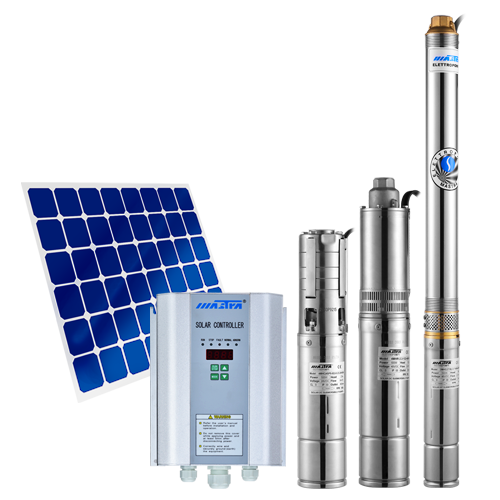
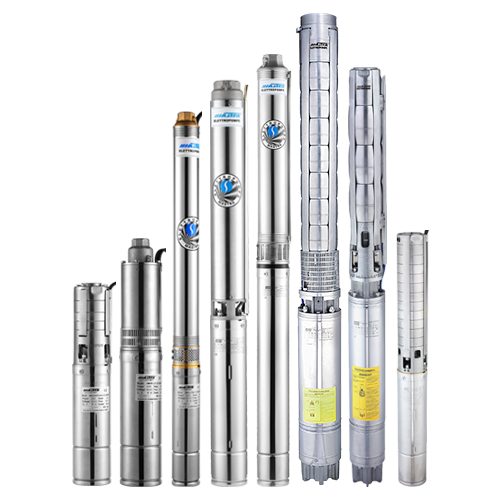
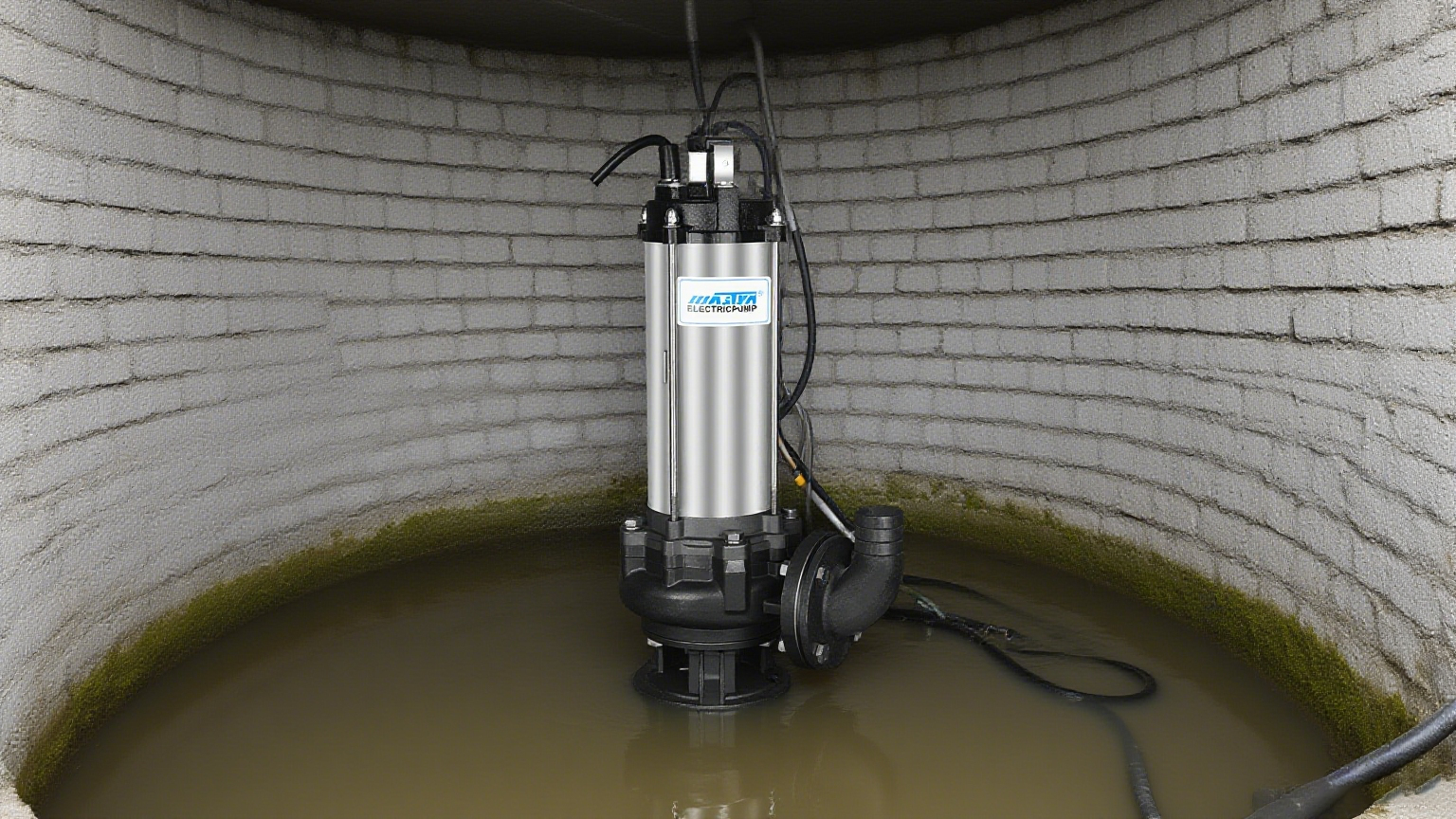
Submersible Water Well Pump System
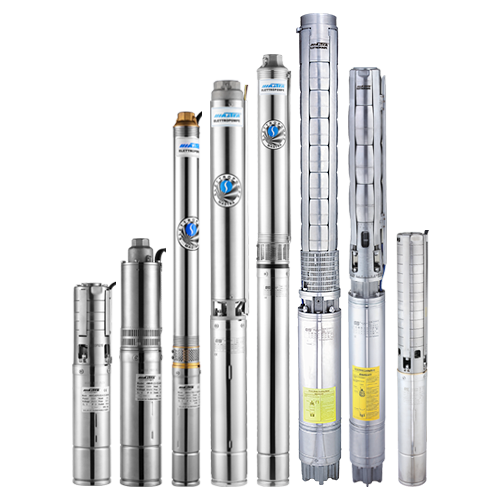
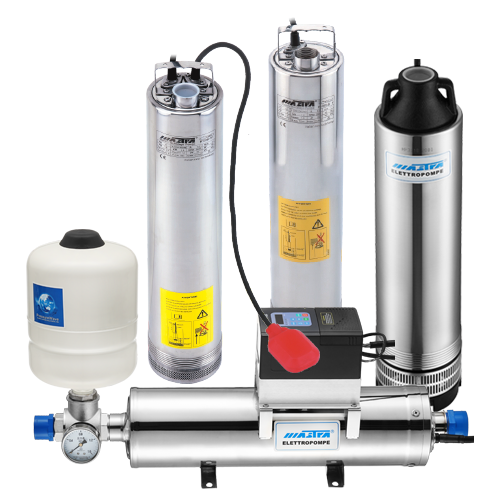
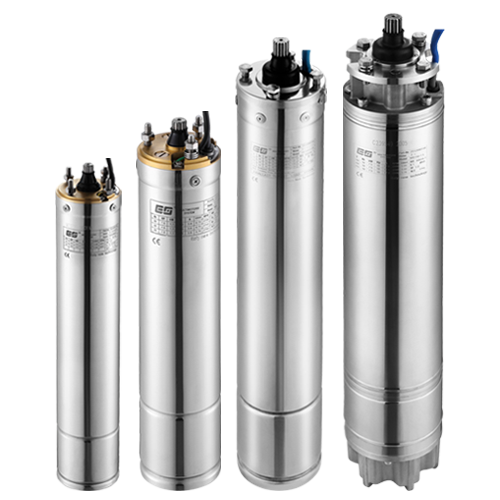
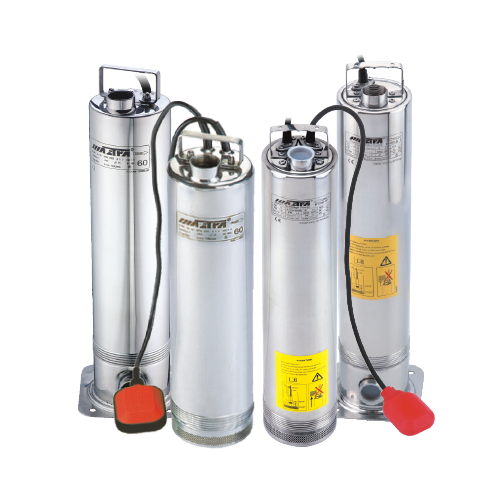
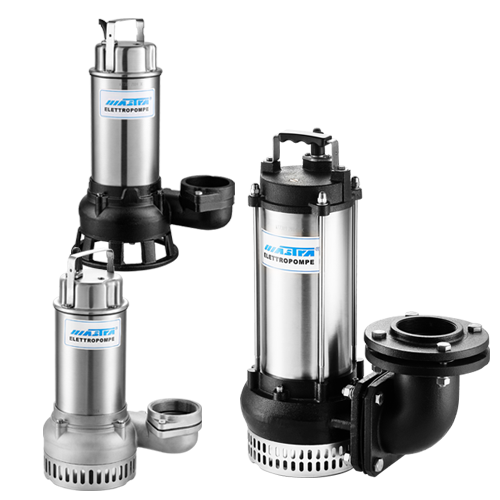
Before attempting removal, it's crucial to understand how your submersible water well pump system works. The pump sits deep in your well, connected to the surface through a drop pipe that carries water upward. An electrical cable runs alongside this pipe, powering the pump motor. A safety rope typically secures the entire assembly.
Most residential submersible pumps are installed at depths ranging from 25 to 400 feet, depending on your water table and well depth. The pump's weight, combined with the length of pipe and cable, makes this a physically demanding job that often requires assistance.
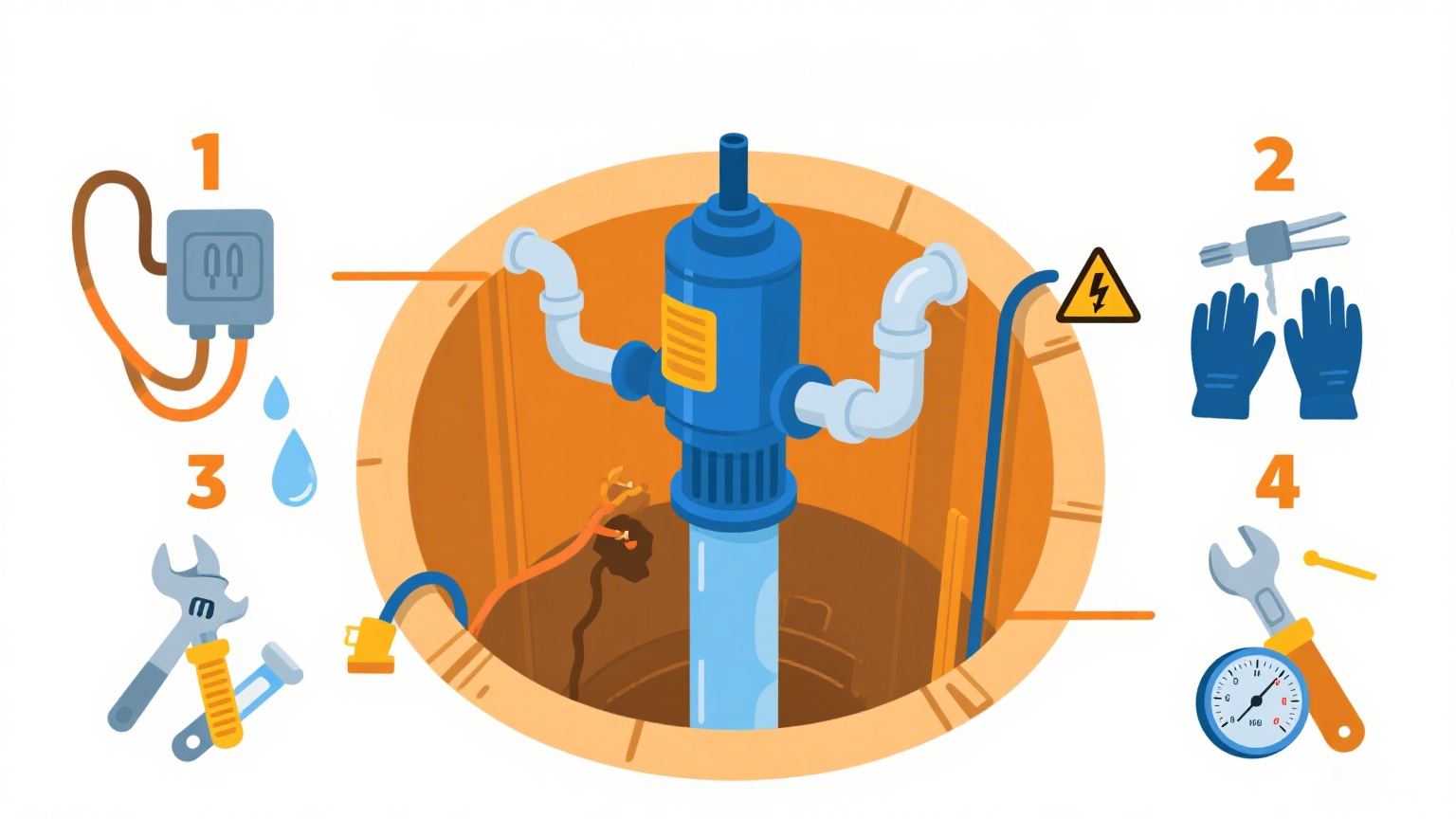
Essential Tools and Materials
Gathering the right equipment before you begin is critical for a safe and successful pump removal. You'll need:
Safety Equipment:
· Work gloves
· Safety glasses
· Non-slip shoes
· First aid kit
Tools:
· Pipe wrenches (two large wrenches)
· Well cap removal tools
· Cable puller or come-along
· Measuring tape
· Flashlight or headlamp
· Plastic sheeting or tarps
Additional Supplies:
· Rope or cable for securing components
· Bucket for water drainage
· Rags for cleaning
· Notebook for recording measurements
Having a helper is strongly recommended, as submersible pumps can weigh 50-200 pounds, and the combined weight of pipe and cable adds significantly to the load.
Safety Precautions and Preparation
Safety must be your top priority when removing a submersible water well pump. Start by turning off electrical power to the pump at the circuit breaker. Never attempt to work on a pump system while it's energized.
Check local regulations, as some areas require permits or professional installation for well pump work. Contact your local health department or building authority to understand requirements in your area.
Inspect the well cap and surrounding area for any damage or contamination risks. Wells must remain sealed and protected from surface contaminants throughout the removal process.
Mark the existing water level in your well before beginning work. This measurement helps determine proper pump placement during reinstallation.

Step-by-Step Removal Process
Step 1: Disconnect Power and Water Lines
Begin by switching off the electrical supply at your home's main panel. Locate the pressure tank and shut off the valve connecting it to the well. Drain any remaining pressure from the system by opening a nearby faucet.
At the well head, carefully disconnect the electrical connections. Take photos of the wiring configuration before disconnection to ensure proper reconnection later. Use electrical tape to secure wire ends and prevent them from falling into the well.
Step 2: Remove the Well Cap
Most well caps are secured with bolts or a twist-lock mechanism. Remove these fasteners carefully, keeping track of all hardware. Lift the cap straight up and set it aside on clean plastic sheeting.
Inspect the well casing opening. The drop pipe, electrical cable, and safety rope should be visible extending down into the well. Note their arrangement and condition.
Step 3: Secure the Pump Assembly
Before lifting anything, secure the safety rope to prevent the pump from falling deeper into the well if something slips. Attach a strong rope or cable to the existing safety line as backup security.
Test the integrity of all connections by gently lifting on each component. If any connections seem loose or damaged, address these issues before proceeding.
Step 4: Begin the Lifting Process
Start pulling the assembly upward slowly and steadily. Work in sections, pulling up 10-20 feet at a time. Have your helper support the pipe and cable as more length emerges from the well.
As you lift, coil the electrical cable neatly to prevent tangles. Keep the drop pipe straight and avoid letting it bang against the well casing, which could damage both the pipe and well.
Step 5: Handle the Pump
When the pump finally emerges, it will be heavy and likely dripping with water. Have your helper ready to assist in supporting the weight. Place the pump on a stable surface immediately.
Inspect the pump, drop pipe, and electrical connections for signs of wear, corrosion, or damage. This information will help determine whether repair or replacement is needed.
Troubleshooting Common Challenges
Sometimes pump removal doesn't go smoothly. If the pump seems stuck, don't force it. The assembly might be caught on a well casing joint or accumulated debris. Try rotating the pipe slightly while lifting, or lower it back down a few feet before attempting to lift again.
If the safety rope breaks during removal, stop immediately. You'll need professional equipment to retrieve the pump safely. Never continue lifting without proper security measures in place.
Excessive resistance during lifting often indicates a problem. The pump might be oversized for the well casing, or debris may have accumulated around it. In these cases, consider hiring a professional well service company.
Post-Removal Inspection and Next Steps
Once you've successfully removed your submersible water well pump, conduct a thorough inspection. Check the pump housing for cracks, examine the impellers for damage, and test the electrical connections for continuity.
Document the pump's model number, specifications, and installation depth. This information proves valuable when purchasing replacement parts or a new pump.
Clean all components thoroughly, removing any accumulated sediment or mineral deposits. Store the pump in a dry location if you plan to repair rather than replace it.
When to Call a Professional
While many homeowners can successfully remove a submersible water well pump, certain situations require professional expertise. If your well is deeper than 200 feet, the pump has been in service for many years, or you encounter unexpected complications, contact a licensed well service contractor.
Professional services have specialized equipment like truck-mounted pullers and proper safety gear for deep well work. They also carry insurance and understand local codes and regulations.
Signs that indicate you need professional help include: unusual resistance during lifting, damaged well casing, contaminated water, or if you're uncomfortable with any aspect of the removal process.
Preparing for Reinstallation
Removing a submersible water well pump is only half the job. Before reinstalling the same pump or installing a replacement, address any issues you discovered during removal. Replace worn cables, repair damaged pipe sections, and ensure all connections are secure.
Consider upgrading components while the system is accessible. New control boxes, pressure switches, or safety ropes can improve system reliability and performance.
Plan your reinstallation carefully, ensuring you have all necessary parts and tools ready. The sooner you can restore water service, the less inconvenience for your household.
Successfully removing a submersible water well pump requires preparation, patience, and respect for safety protocols. While the task is physically demanding, most homeowners with basic mechanical skills can complete it successfully. Take your time, don't rush the process, and don't hesitate to seek professional help when needed. Your careful approach will ensure safe removal and set the stage for successful pump repair or replacement.
Submersible Water Well Pump
Submersible Well Pump
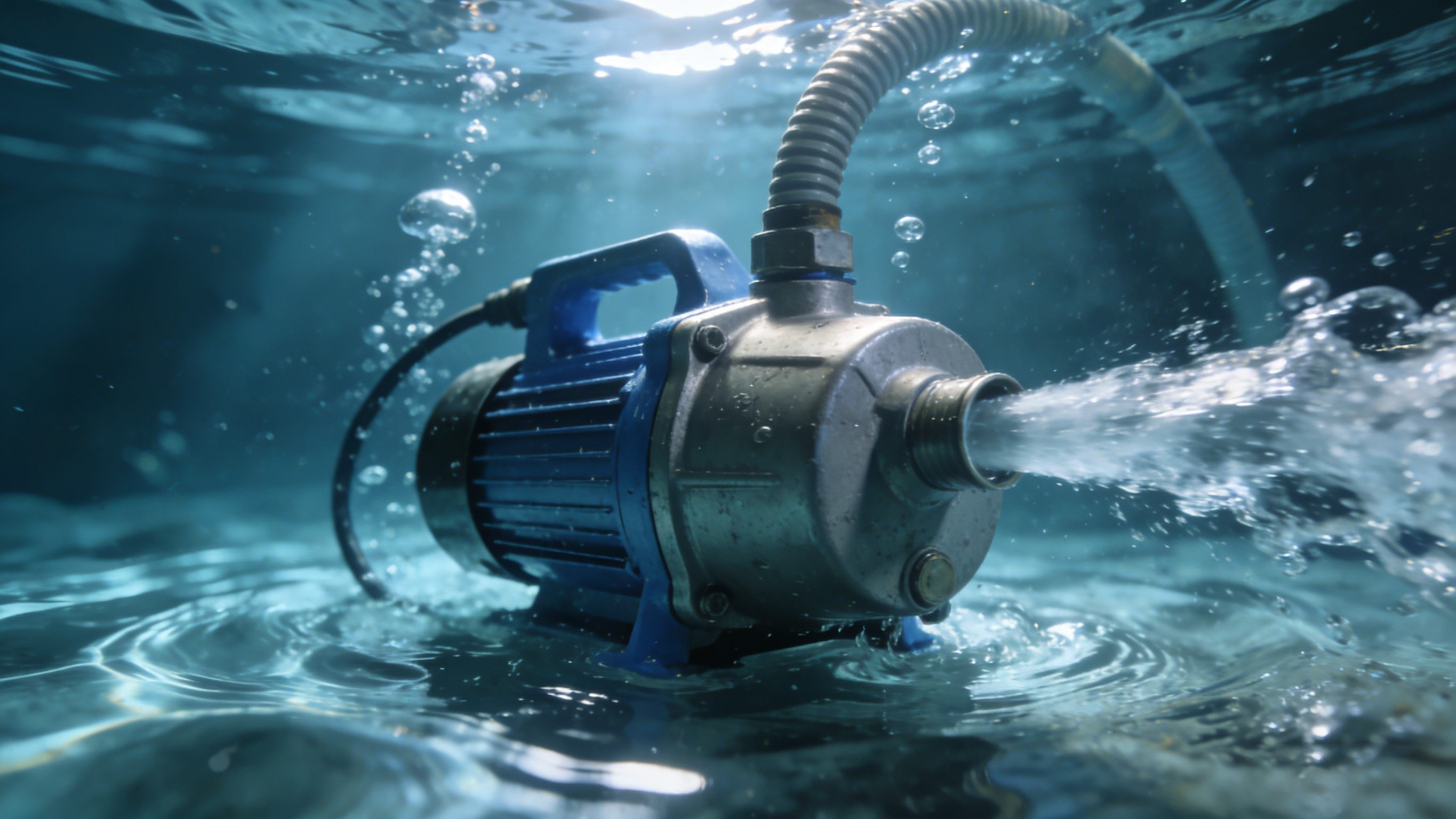
Submersible Water Pump
Get Touch With Us
Contact Info
0086-139 2903 3707
+86 138 2702 0863
No.22, North 3rd Road, Duruan Town, Jiangmen City, Guangdong Province, China