
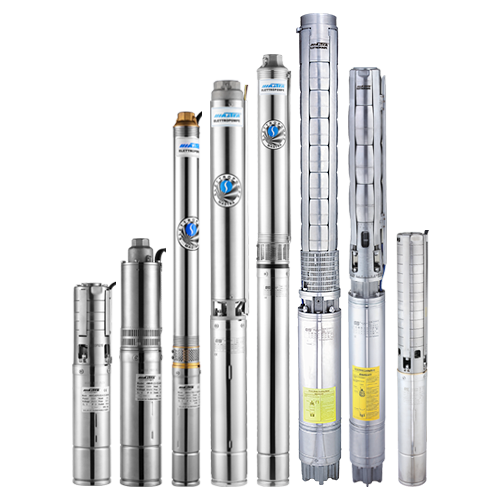
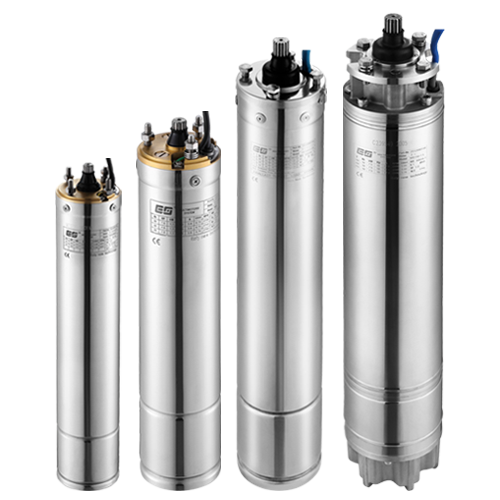
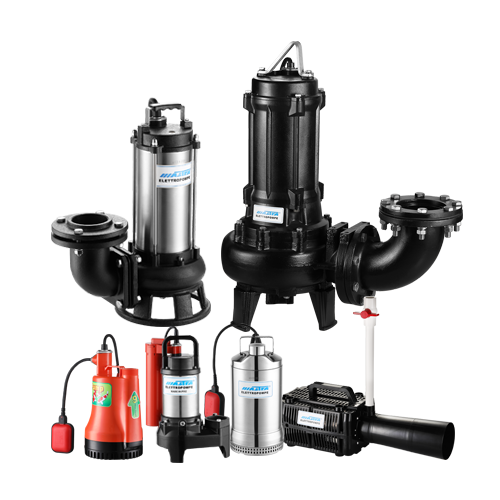
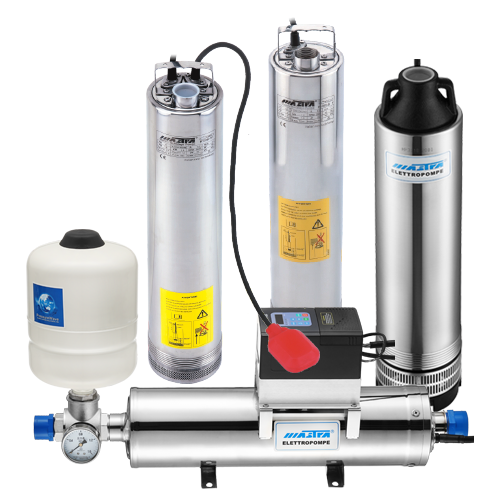
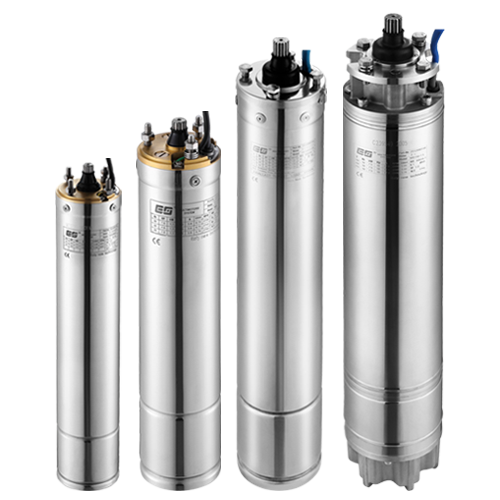
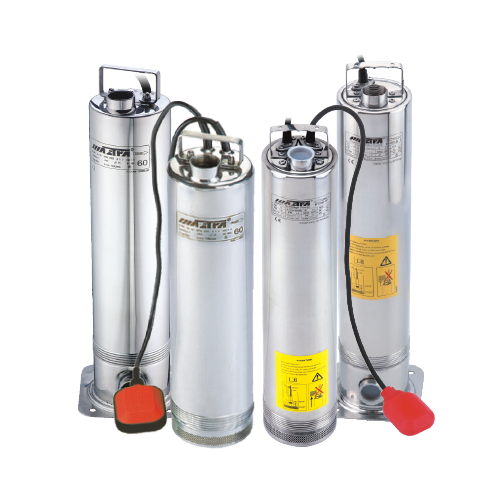
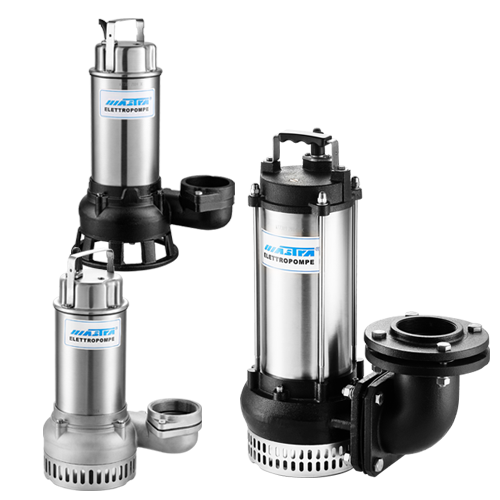




A submersible water pump is a workhorse, tirelessly moving water for your pond, fountain, or well. But over time, debris like algae, leaves, and mineral deposits can build up, leading to clogs, reduced performance, and even costly damage. Regular cleaning is the single best thing you can do to extend the life of your pump and ensure it operates efficiently.
This guide will walk you through everything you need to know about keeping your submersible water pump in top condition. We'll cover why cleaning is so crucial, what tools you'll need, and provide a clear, step-by-step process to get the job done right. Following these instructions will not only save you from future headaches but also protect your investment.
Why Regular Cleaning is Essential
Neglecting your submersible water pump can lead to a host of preventable problems. When debris accumulates, it forces the motor to work harder to pull water through the intake screen. This extra strain can cause the pump to overheat, leading to premature failure.
Furthermore, a clogged pump has a significantly reduced flow rate. For a fountain, this means a weak trickle instead of a beautiful spray. For a pond, it means poor water circulation and oxygenation, which can harm your fish and promote algae growth. By simply scheduling a routine cleaning, you can maintain optimal performance, prevent costly replacements, and keep your water feature looking its best.
What You'll Need
Before you begin, gather a few basic tools to make the cleaning process smooth and effective. You likely have most of these items already.
· A bucket: Large enough to hold the pump and water.
· A soft-bristled brush or old toothbrush: For scrubbing away stubborn algae and grime.
· A screwdriver: A Phillips or flat-head, depending on your pump's screws.
· White vinegar: An excellent, non-toxic solution for breaking down mineral deposits.
· Protective gloves: To keep your hands clean.
· A clean cloth or rag: For wiping down components.
A Step-by-Step Guide to Cleaning Your Pump
With your tools ready, you can now begin the cleaning process. Follow these seven steps carefully for a thorough and safe cleaning.
Step 1: Disconnect the Power Source
Safety is the absolute priority. Before you do anything else, unplug the submersible water pump from its electrical outlet. Never attempt to remove or handle the pump while it is still connected to power, as this poses a serious risk of electric shock. If the pump is hardwired, shut off the corresponding circuit breaker.
Step 2: Remove the Pump from the Water
Carefully lift the pump out of the water. Submersible pumps can be heavy and slippery, so get a firm grip. If it's located in a deep well or pond, you may need to pull it up by its attached rope or hose—never by the power cord, as this can damage the electrical connections. Place the pump in your empty bucket to catch any drips and keep your work area clean.
Step 3: Disassemble the Pump
Most submersible water pumps are designed for easy maintenance. Start by removing the intake screen or filter cover, which usually snaps off or is held in place by a few screws. This will expose the impeller, which is the small, fan-like component that moves the water.
Consult your pump's user manual if you are unsure how to take it apart. Many manufacturers provide detailed diagrams. As you remove parts, lay them out in order so you can easily reassemble them later.
Step 4: Clean the Exterior and Intake Screen
Using your soft-bristled brush, scrub the outside of the pump housing and the intake screen. Remove all visible debris, such as leaves, sludge, and algae. An old toothbrush works perfectly for getting into the small vents of the intake screen. Rinse the components with clean water as you go.
Step 5: Clean the Impeller
The impeller is the heart of your pump and is often where the most stubborn clogs form. Carefully remove the impeller cover (it may twist off or be secured with screws). Gently pull the impeller out—it is often held in place by a magnet.
Inspect it for hair, stringy algae, or other debris that may have wrapped around it. Use your brush to clean the impeller and the housing it sits in. Be gentle, as the impeller can be delicate.
Step 6: Soak in a Vinegar Solution
For pumps with tough mineral buildup (white, crusty deposits), a vinegar soak is highly effective.
1.Place the disassembled plastic and metal parts (like the impeller and intake screen) into your bucket.
2.Create a solution of one part white vinegar and one part water.
3.Pour enough of the solution into the bucket to fully submerge the parts.
4.Let them soak for at least 30 minutes. For very heavy buildup, you can let them soak for a few hours or even overnight.
After soaking, use your brush to scrub away the loosened deposits. The acidity of the vinegar breaks down the minerals, making them much easier to remove. Rinse all parts thoroughly with clean water to remove any remaining vinegar residue.
Step 7: Reassemble and Reinstall
Once all components are clean and rinsed, it's time to put everything back together. Reassemble the pump in the reverse order you took it apart. Ensure all screws are tightened and covers are securely snapped in place.
Lower the pump back into the water, placing it on a stable, level surface. You can now safely reconnect the power. It may take a moment for the pump to prime itself and begin circulating water normally.

Maintaining Your Submersible Water Pump
Cleaning your pump is the first step; creating a maintenance schedule is the next. How often you need to clean your submersible water pump depends on its environment.
· For ponds with fish and plants: Aim to clean your pump every 1-3 months.
· For decorative fountains or water features: Cleaning every 3-6 months is usually sufficient.
· For clean water applications like wells: An annual check-up is often enough.
Check your pump's performance regularly. If you notice a weaker flow, it's a clear sign that it's time for a cleaning.
Your Next Steps
By following this guide, you can confidently clean and maintain your submersible water pump, ensuring it runs smoothly for years to come. Regular maintenance not only protects your pump but also enhances the beauty and health of your water feature. Setting a recurring reminder in your calendar is a great way to stay on top of this simple but crucial task.
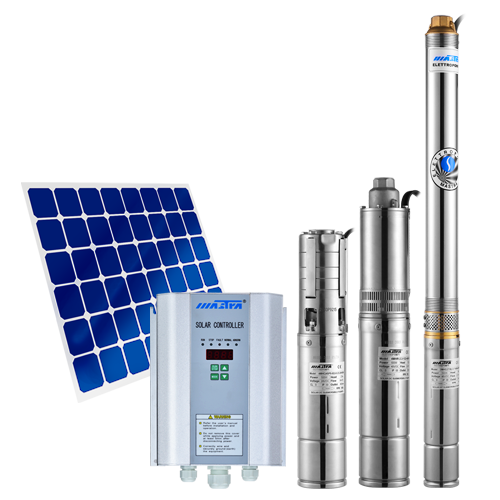
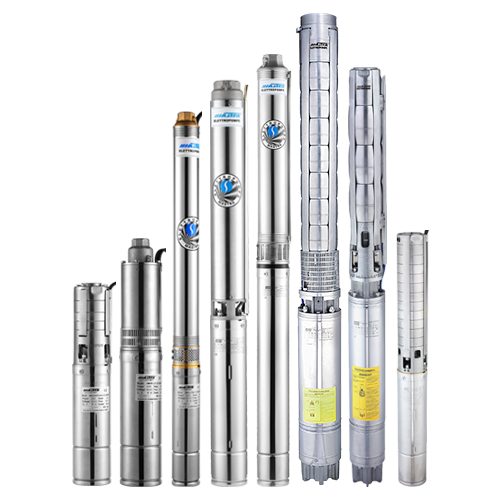
Submersible Water Pump
Submersible Pump
MASTRA pump

Get Touch With Us
Contact Info
0086-139 2903 3707
+86 138 2702 0863
No.22, North 3rd Road, Duruan Town, Jiangmen City, Guangdong Province, China
Related Products