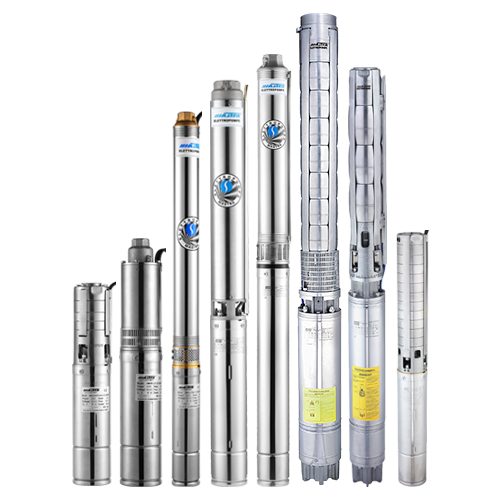
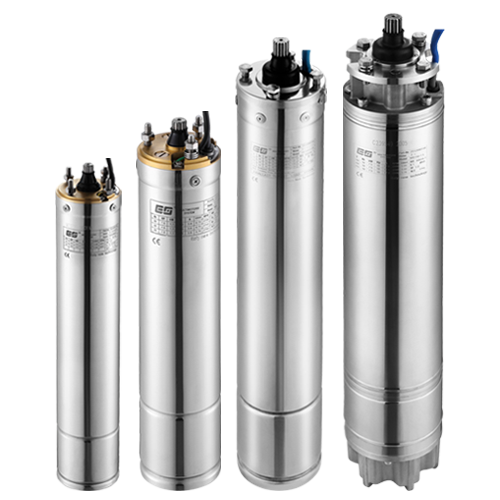
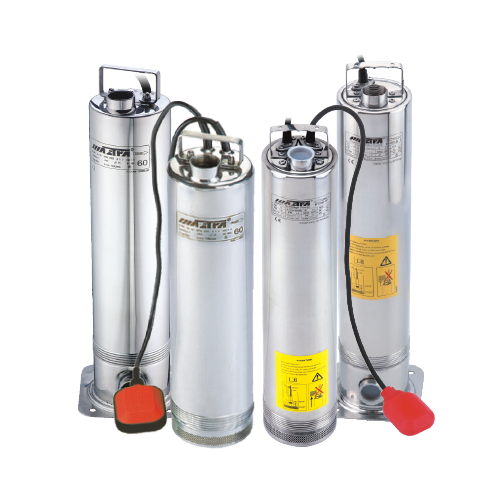
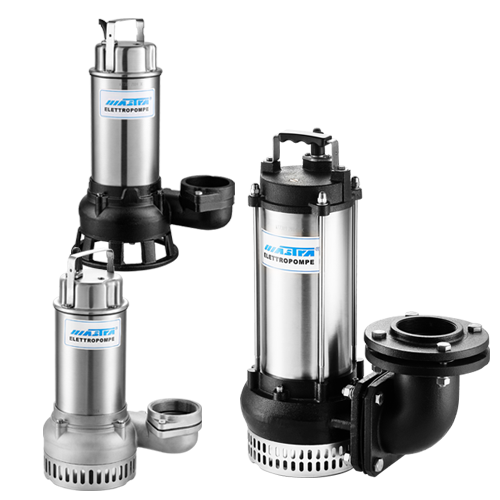




Whether you're dealing with a flooded basement, managing a well, or irrigating a field, moving large volumes of water is a common challenge. While many pumps can do the job, one of the most effective and reliable tools for the task is the submersible water pump. These powerful devices operate entirely underwater, pushing water to the surface with remarkable efficiency.
If you've ever wondered about the mechanics behind these workhorses, you're in the right place. This guide will explain exactly how a submersible water pump works, breaking down its key components, the mechanical process, and its common applications. By the end, you'll have a clear understanding of the engineering that makes these pumps so essential.
What Is a Submersible Water Pump?
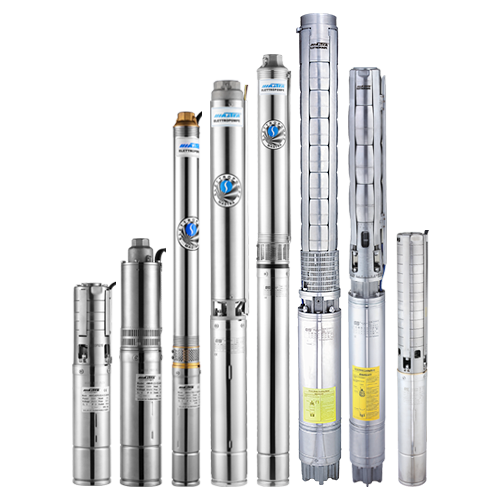
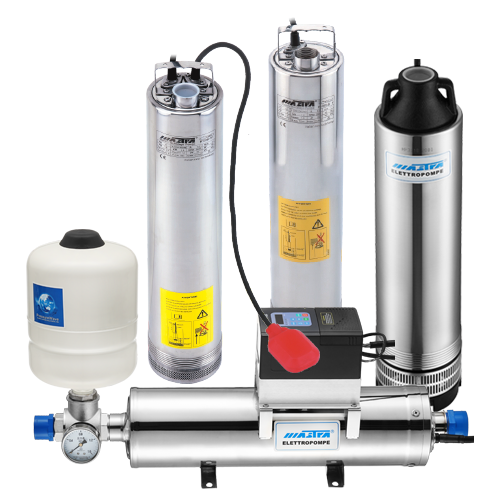
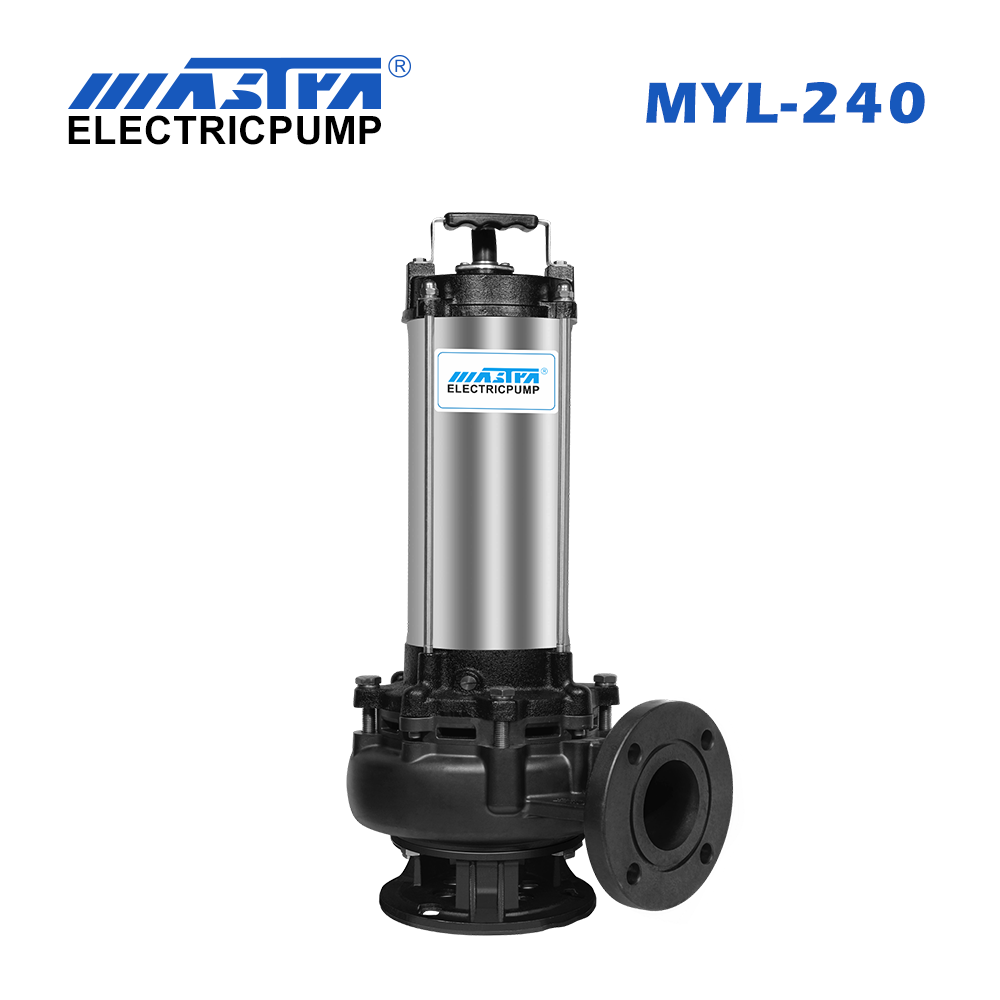
A submersible water pump is a device that is designed to be fully submerged in the fluid it is pumping. Unlike other types of pumps, like jet pumps, which pull water from the surface, a submersible pump pushes water upwards. This method is highly efficient because it uses the pressure of the water around it to its advantage and doesn't have to expend energy fighting air pressure or creating a vacuum.
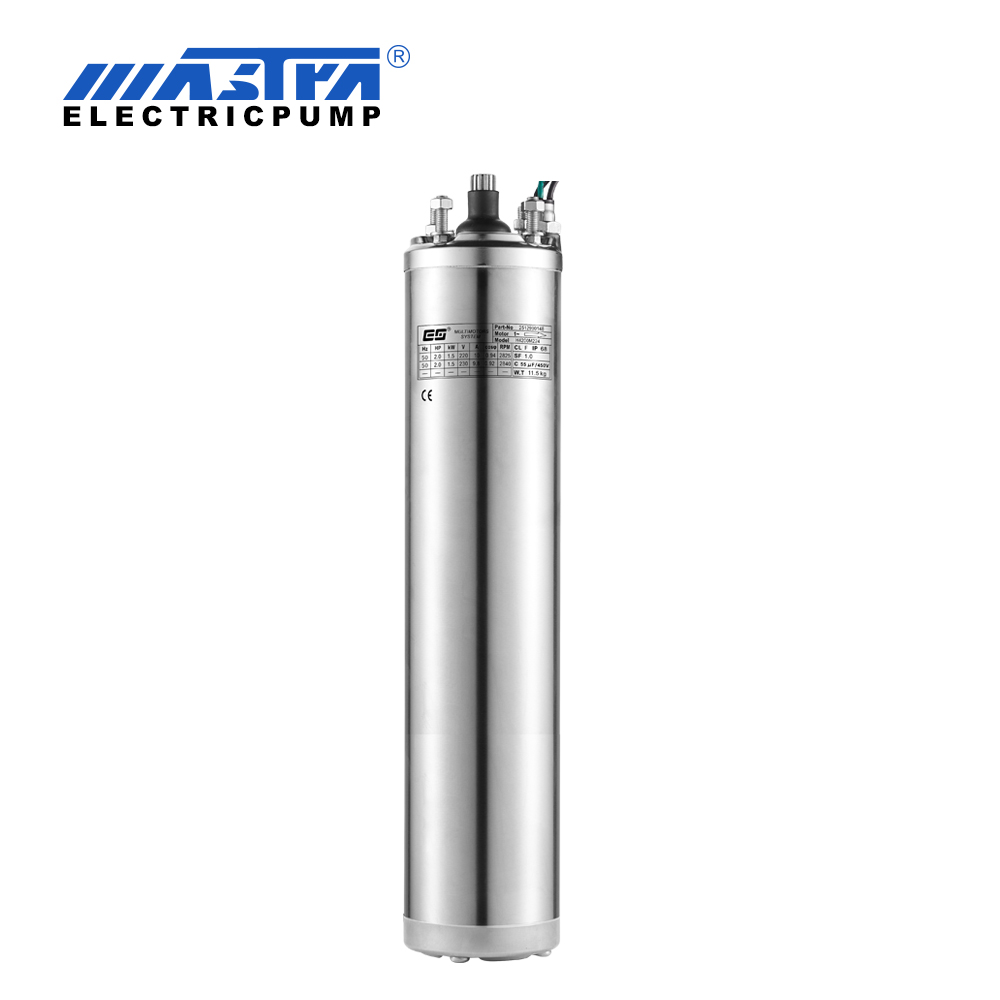
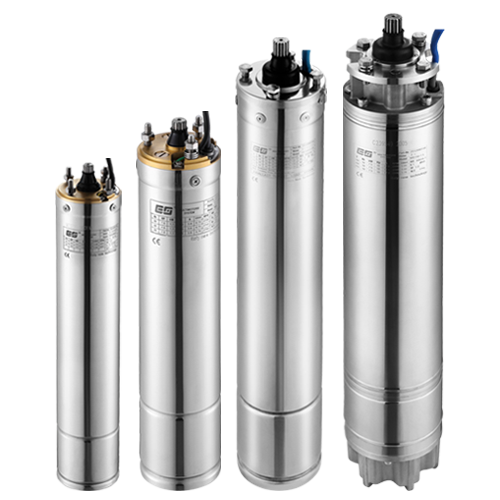
The entire assembly consists of a motor sealed in a watertight housing, which is closely coupled to the pump body. This design prevents the motor from getting damaged by the liquid it's submerged in and also helps keep the motor cool, allowing it to run for long periods without overheating.
The Key Components of a Submersible Pump
To understand how a submersible water pump works, it helps to know its main parts. While designs vary between manufacturers, most pumps include these core components:
· Motor: The heart of the pump, the electric motor provides the power needed to drive the impeller. It is housed in a hermetically sealed, oil-filled compartment to protect it from water and to aid in heat dissipation.
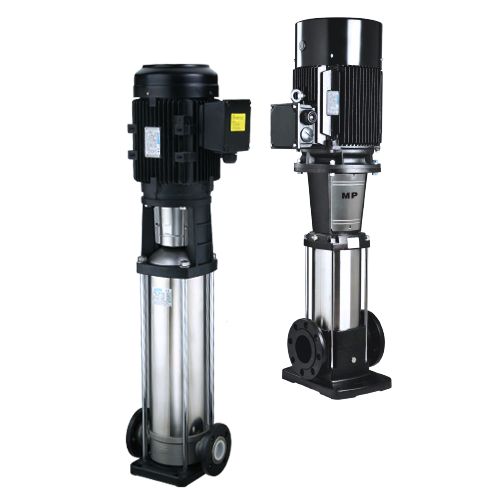
· Impeller: This is a rotor with a series of curved vanes. When the motor spins the impeller at high speed, it creates a centrifugal force that flings water outward. Multi-stage pumps have several impellers stacked on top of each other to generate higher pressure.
· Diffuser (or Volute): The impeller is housed inside the diffuser. This component is crucial as it slows down the water flung out by the impeller and converts its high velocity into high pressure. This pressure is what forces the water up the discharge pipe.
· Intake Screen: Located at the base of the pump, the intake screen acts as a filter. It prevents large debris like rocks, leaves, and other solids from entering the pump and damaging the impeller or clogging the system.
· Seals and Bearings: A system of mechanical seals and bearings protects the motor from water intrusion and ensures the shaft spins smoothly and with minimal friction. These are critical for the pump's longevity.
· Discharge Outlet: This is the connection point where the pipe that carries the water to the surface is attached.
How a Submersible Water Pump Works, Step by Step
The operation of a submersible water pump is a straightforward process based on the principle of centrifugal force. Here’s a breakdown of the entire cycle from start to finish.
Step 1: Submersion and Priming
The pump is lowered into the water source, such as a well, sump pit, or tank, until it is completely underwater. Because the pump is submerged, it is naturally "primed," meaning the pump body and intake are already filled with water. This eliminates the need for manual priming, which is a common requirement for pumps located above the water source.
Step 2: Powering the Motor
When the pump is switched on, electricity flows to the sealed motor. The motor's shaft begins to rotate at a high speed, typically thousands of revolutions per minute (RPM).
Step 3: Spinning the Impeller
The motor shaft is directly connected to the impeller. As the shaft spins, so does the impeller. The curved vanes of the rapidly spinning impeller catch the water that has entered through the intake screen.
Step 4: Creating Centrifugal Force
The high-speed rotation of the impeller creates a strong centrifugal force. This force pushes the water radially outward toward the edges of the pump casing, or diffuser. As this happens, a low-pressure area is created at the center of the impeller, which draws more water in through the intake. This creates a continuous flow of water into the pump.
Step 5: Converting Velocity to Pressure
When the water is flung to the outside of the impeller, it enters the diffuser. The diffuser is a specially shaped chamber that widens gradually. As the water flows through this expanding area, its speed decreases, but its pressure increases significantly. This principle is known as Bernoulli's principle—when the speed of a fluid decreases, its pressure increases.
Step 6: Discharging the Water
The highly pressurized water has nowhere to go but up. It is forced out of the pump through the discharge outlet and into the connected pipe or hose. In multi-stage pumps, the water from one impeller/diffuser stage is directed into the center of the next one, with each stage adding more pressure. This allows deep well pumps to push water up from hundreds of feet below the ground.
This process continues as long as the pump is powered and submerged, providing a steady and powerful flow of water to the surface.
Common Applications for Submersible Pumps
The efficient and reliable design of submersible water pumps makes them ideal for a wide range of applications in residential, commercial, and industrial settings.
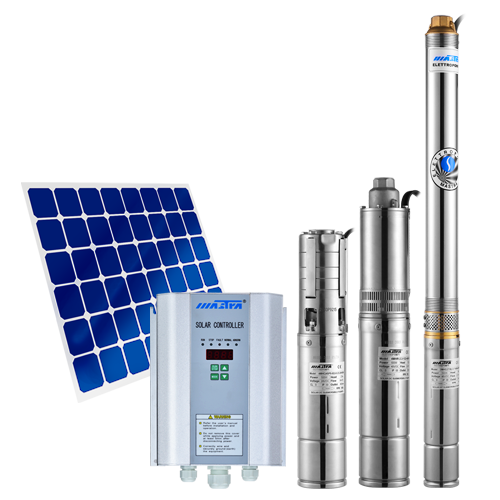
· Well Water Systems: This is one of the most common uses. Submersible pumps are placed deep inside a well to push groundwater up to a home or irrigation system.
· Sump Pits: In basements and crawl spaces prone to flooding, a submersible sump pump sits in a pit and automatically turns on to pump out accumulating water.
· Drainage: They are used to drain flooded areas, empty swimming pools, or manage water in construction sites.
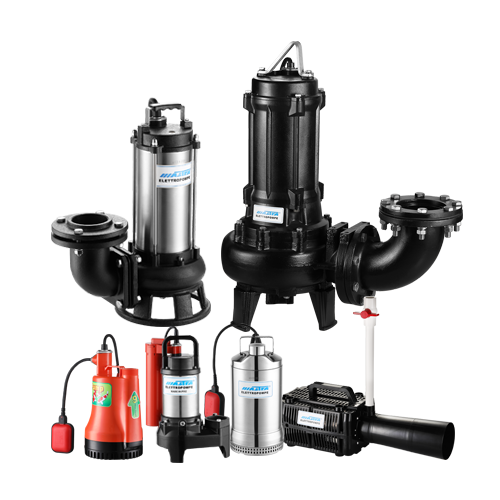
· Wastewater Management: Specialized submersible pumps, often called grinder pumps, are used in sewage systems to move wastewater and grind solids.
· Agriculture: Farmers rely on submersible pumps for irrigation, drawing water from wells, ponds, or rivers to water their crops.
Unlock the Power of Pushing Water
The genius of the submersible water pump lies in its simple yet powerful design. By using an underwater motor to push water instead of pulling it from above, these pumps overcome the limitations of atmospheric pressure and deliver a highly efficient and reliable flow. From providing clean drinking water to protecting homes from floods, the submersible pump is a crucial piece of technology that works quietly and effectively beneath the surface.
Submersible Water Pump
Submersible Pump
Water Pump


Get Touch With Us
Contact Info
0086-139 2903 3707
+86 138 2702 0863
No.22, North 3rd Road, Duruan Town, Jiangmen City, Guangdong Province, China
Related Products