
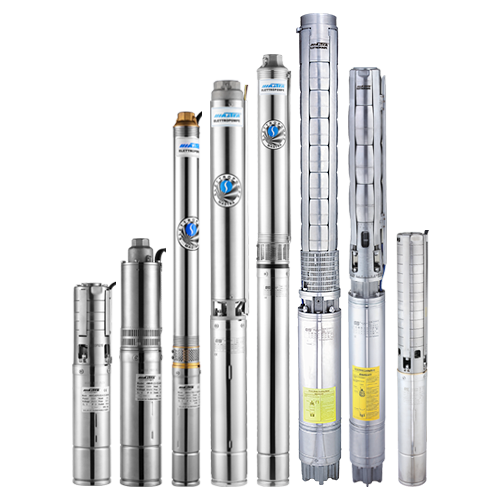
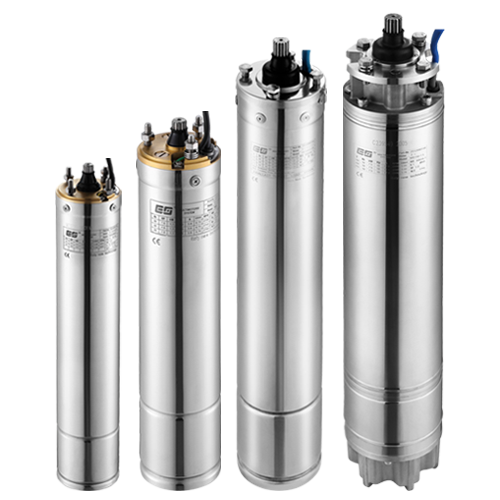
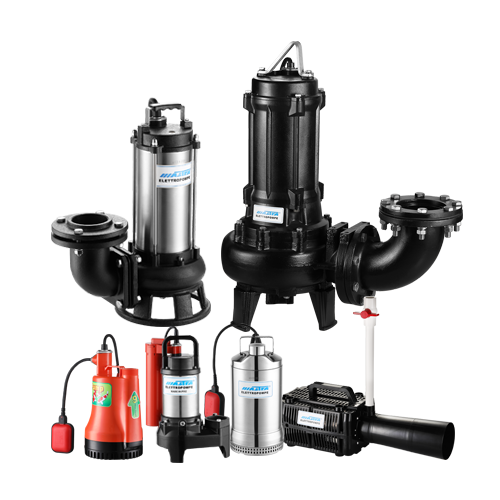
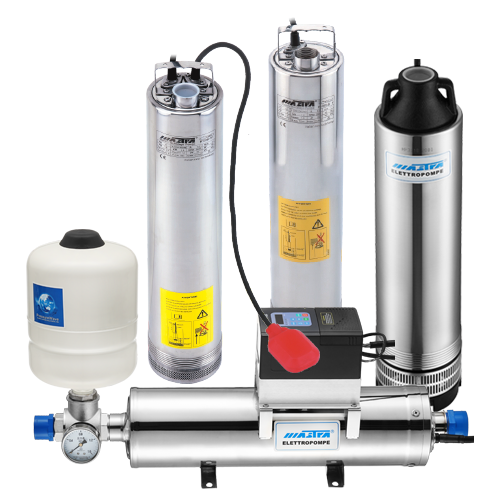
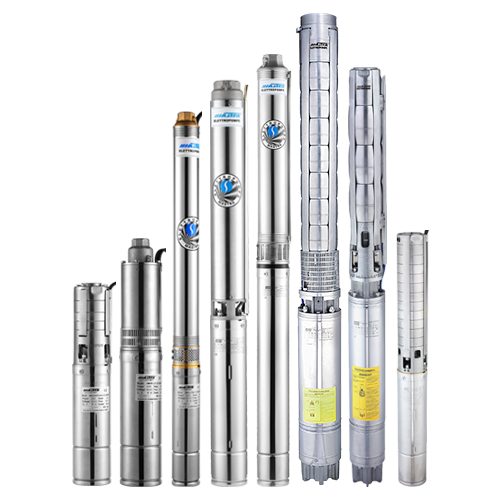




When selecting a submersible pump for your well, sump pit, or irrigation system, one of the most critical questions you'll face is: how far can it actually push water? The answer depends on several key factors that determine your pump's performance and effectiveness.
Understanding your submersible pump's capabilities isn't just about technical specifications—it's about ensuring you have reliable water access exactly where you need it. Whether you're pumping water from a deep well to your home, moving water across your property for irrigation, or dealing with basement flooding, knowing your pump's limitations can save you time, money, and frustration.
The distance a submersible pump can push water varies significantly based on the pump's horsepower, head pressure requirements, pipe diameter, and elevation changes. Most residential submersible pumps can effectively push water between 100 to 400 feet horizontally, while vertical lifting capabilities typically range from 50 to 200 feet, depending on the specific model and conditions.
Understanding Head Pressure and Pump Performance
Head pressure is the fundamental concept that determines how far your submersible pump can push water. This measurement represents the total resistance your pump must overcome, including both vertical lift and horizontal distance.
Vertical Head vs. Horizontal Distance
Every foot of vertical lift equals approximately 10 feet of horizontal distance in terms of energy required. This means if your pump needs to lift water 20 feet vertically, it uses the same energy as pushing water 200 feet horizontally on level ground.
Most submersible pumps are rated by their maximum head capacity, typically measured in feet. A pump rated for 100 feet of head can lift water 100 feet straight up, push it 1,000 feet horizontally, or handle some combination of both.
Calculating Total Dynamic Head
To determine if your submersible pump can handle your specific application, you need to calculate the Total Dynamic Head (TDH). This includes:
· Static head (vertical distance from water source to destination)
· Friction losses in pipes and fittings
· Pressure requirements at the delivery point
· Any additional elevation changes
Factors That Affect Pumping Distance
Pipe Size and Material
The diameter of your pipes significantly impacts how far water can be pushed. Larger pipes create less friction, allowing water to travel farther with the same pump power. A 1-inch pipe will have considerably more friction loss than a 2-inch pipe over the same distance.
PVC pipes typically offer less friction than galvanized steel, while smooth-bore pipes perform better than corrugated options. The number of fittings, bends, and valves in your system also adds to friction losses.
Pump Horsepower and Flow Rate
Higher horsepower submersible pumps can push water farther, but there's a trade-off between distance and flow rate. A 1 HP pump might push water 300 feet at 10 gallons per minute, but only 200 feet at 20 gallons per minute.
Understanding your flow requirements helps determine the right balance. Irrigation systems might need higher flow rates over shorter distances, while domestic water systems often prioritize consistent pressure over maximum flow.
Elevation Changes and Terrain
Uphill pumping dramatically reduces the distance your submersible pump can effectively move water. For every foot of elevation gain, you lose approximately 10 feet of potential horizontal distance.
Conversely, downhill runs can extend your pump's effective range, though you'll need to account for pressure regulation to prevent system damage.

Typical Performance Ranges by Pump Size
1/3 HP Submersible Pumps
These smaller pumps are suitable for shallow wells and light-duty applications. They typically handle:
· Vertical lift: 40-80 feet
· Horizontal distance: 400-800 feet (on level ground)
· Flow rates: 5-15 gallons per minute
1/2 to 3/4 HP Submersible Pumps
Mid-range pumps offer better performance for residential applications:
· Vertical lift: 80-120 feet
· Horizontal distance: 800-1,200 feet (on level ground)
· Flow rates: 10-25 gallons per minute
1 HP and Higher Submersible Pumps
Heavy-duty pumps designed for deep wells and high-demand applications:
· Vertical lift: 100-200+ feet
· Horizontal distance: 1,000-2,000+ feet (on level ground)
· Flow rates: 15-50+ gallons per minute
Optimizing Your Submersible Pump System
Proper Sizing
Oversizing your pump doesn't necessarily mean better performance. An oversized pump may cycle on and off frequently, reducing efficiency and lifespan. Work with the pump curves provided by manufacturers to match your specific head and flow requirements.
System Design Considerations
Installing a pressure tank near the delivery point can help maintain consistent pressure and reduce pump cycling. This is especially important for longer horizontal runs where pipe volume is significant.
Consider installing check valves to prevent backflow and maintain prime, particularly in systems with long horizontal runs or elevation changes.
Maintenance for Optimal Distance
Regular maintenance keeps your submersible pump performing at its maximum range. Clean intake screens, inspect electrical connections, and monitor for signs of wear that could reduce pumping efficiency.
Scale buildup in pipes can significantly increase friction losses over time, effectively reducing your pump's range. Periodic system flushing or chemical treatment may be necessary in areas with hard water.
When to Consult a Professional
While understanding these basics helps you make informed decisions, complex installations often require professional assessment. Factors like varying terrain, multiple delivery points, or specialized applications may need custom calculations and system design.
A qualified pump installer can perform detailed head loss calculations, recommend optimal pipe sizing, and ensure your system meets local codes and efficiency standards.
Making the Right Choice for Your Needs
The question of how far a submersible pump can push water doesn't have a one-size-fits-all answer. Your specific application, terrain, flow requirements, and system design all play crucial roles in determining actual performance.
Start by clearly defining your needs: how much water do you need, where does it need to go, and what obstacles must the pump overcome? Use this information to select a pump with adequate head capacity and flow rate for your application.
Remember that it's often better to slightly oversize your pump's head capacity while matching flow requirements closely. This provides some safety margin for friction losses and ensures reliable performance even as system components age.
With proper selection, installation, and maintenance, a quality submersible pump can reliably move water the distance you need for years of dependable service.
submersible water pump
submersible pump
Sewage pump
Get Touch With Us
Contact Info
0086-139 2903 3707
+86 138 2702 0863
No.22, North 3rd Road, Duruan Town, Jiangmen City, Guangdong Province, China
Related Products