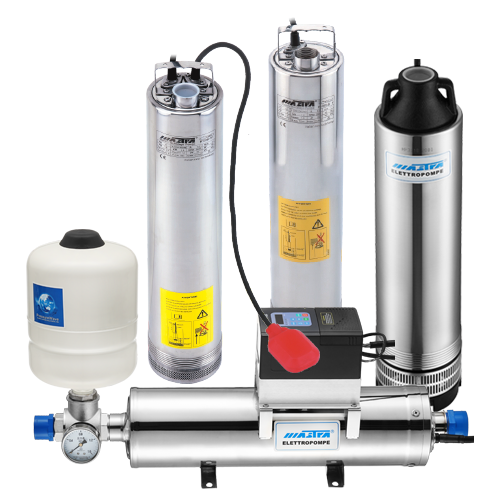
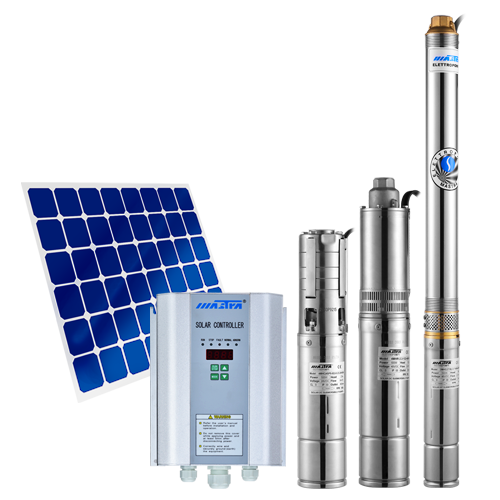
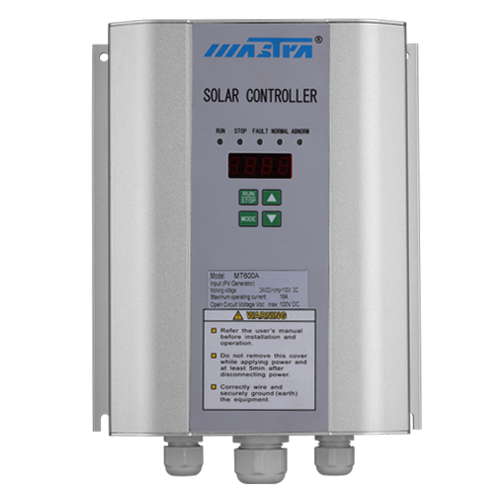
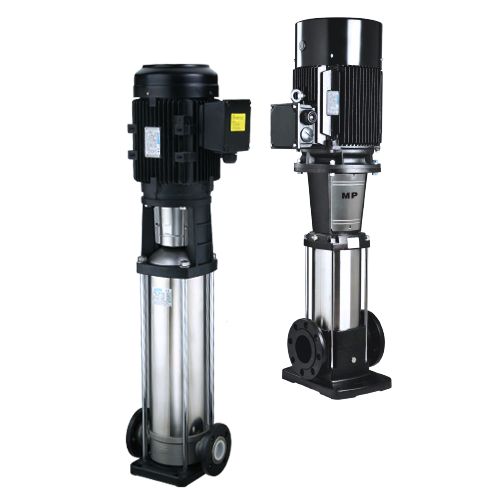




When you're planning a water system for your home, farm, or business, one of the most critical questions you'll face is understanding your submersible pump's capabilities. If you're considering a 1 horsepower (HP) submersible pump, you're probably wondering just how far it can push water—whether vertically up from a well or horizontally across your property.
The answer isn't straightforward because it depends on several factors including head pressure, flow rate requirements, pipe diameter, and system efficiency. A 1 HP submersible pump can typically lift water vertically between 200 to 400 feet, but this varies significantly based on your specific setup and water demands.
Understanding these limitations upfront can save you from costly mistakes and ensure your water system meets your needs reliably for years to come.
Head Pressure and Pump Performance
The distance a submersible pump can push water is primarily determined by what engineers call "total dynamic head" (TDH). This measurement combines several factors that create resistance against your pump's output.
Static Head represents the vertical distance water must travel from the water source to its destination. If your well is 150 feet deep and you need water at ground level, your static head is 150 feet.
Friction Head occurs as water moves through pipes, fittings, and valves. Longer pipe runs, smaller diameters, and more bends create additional resistance that reduces your pump's effective range.
Pressure Head accounts for the pressure required at your delivery point. If you need 40 PSI at your house, this translates to approximately 92 feet of additional head pressure.
A typical 1 HP submersible pump operates most efficiently when the total dynamic head ranges between 200 to 300 feet. Beyond this range, flow rates drop significantly, and the pump may struggle to deliver adequate water volume.
Vertical Lifting Capacity
For vertical applications like well water systems, a 1 HP submersible pump can generally lift water between 200 to 400 feet, depending on the required flow rate.
At maximum head (around 400 feet), your pump might only deliver 5-10 gallons per minute (GPM). This flow rate works for basic household needs but may be insufficient for irrigation or high-demand applications.
At moderate head pressures (200-250 feet), the same pump typically delivers 15-25 GPM, providing adequate flow for most residential applications including multiple fixtures running simultaneously.
The relationship between head and flow follows a predictable curve: as lifting distance increases, available flow rate decreases proportionally. This trade-off is fundamental to pump physics and affects every water system design.
Horizontal Distance Considerations
Horizontal pumping presents different challenges than vertical lifting. While gravity doesn't work against horizontal flow, friction becomes the primary limiting factor.
For every 100 feet of horizontal pipe run, you can expect approximately 2-5 feet of friction head loss, depending on pipe diameter and flow rate. A 4-inch pipe creates significantly less friction than a 2-inch pipe carrying the same volume.
This means a 1 HP submersible pump pushing water horizontally through properly sized pipes can potentially move water 1,000 to 2,000 feet or more, assuming minimal elevation changes and reasonable flow requirements.
However, practical limitations often reduce these distances. Pipe sizing, fitting losses, and pressure requirements at the destination all impact actual performance.
Factors That Affect Pumping Distance
Several variables significantly influence how far your submersible pump can effectively push water.
Pipe diameter plays a crucial role in system efficiency. Undersized pipes create excessive friction, dramatically reducing pump performance. A general rule suggests pipe diameter should allow water velocity between 5-8 feet per second for optimal efficiency.
Water demand directly affects achievable distance. Higher GPM requirements reduce the maximum head your pump can overcome. If you need 30 GPM instead of 15 GPM, your maximum pumping distance could drop by 30-50%.
System design impacts efficiency through proper component selection. Quality check valves, appropriate wire sizing, and properly designed pump chambers all contribute to optimal performance.
Pump curve matching ensures your selected pump operates efficiently at your required head and flow combination. Pumps perform best within specific operating ranges, and selecting the wrong pump for your application wastes energy and reduces lifespan.
Calculating Your Specific Requirements
To determine if a 1 HP submersible pump meets your needs, you'll need to calculate your system's total dynamic head.
Start by measuring the vertical lift required from water source to delivery point. Add any elevation changes along horizontal runs.
Calculate friction losses using standard pipe friction charts or online calculators. Include losses from fittings, valves, and pipe length.
Determine required pressure at your delivery point and convert to feet of head (multiply PSI by 2.31).
Add these components together for your total dynamic head. Compare this figure to your pump's performance curve to verify adequate flow rates.
Consider future expansion needs when sizing your system. Installing a slightly larger pump initially often costs less than upgrading later.
Common Applications and Realistic Expectations
A 1 HP submersible pump suits many applications when properly matched to system requirements.
Residential well systems with depths up to 250 feet typically perform well with 1 HP pumps, providing 15-20 GPM for household use.
Small irrigation systems can utilize 1 HP pumps for gardens or small agricultural applications, assuming reasonable distances and moderate pressure requirements.
Pond circulation and water feature applications often work excellently with 1 HP pumps, especially when vertical lift requirements remain under 100 feet.
Livestock watering systems frequently employ 1 HP pumps to supply multiple water points across moderate distances.
Maximizing Your Pump's Performance
Several strategies can help you get maximum distance and performance from your 1 HP submersible pump.
Proper pipe sizing prevents unnecessary friction losses. Use manufacturer guidelines or consult pipe sizing charts to select appropriate diameters.
Minimize fittings and bends where possible. Each elbow or tee fitting creates additional friction equivalent to several feet of straight pipe.
Install quality components including check valves, pressure tanks, and control systems designed for your specific application.
Regular maintenance keeps your pump operating at peak efficiency. Annual inspections and prompt repairs prevent minor issues from becoming major problems.
Consider booster pumps for extremely long horizontal runs or high-pressure applications. Sometimes two smaller pumps work better than one large pump.
Making the Right Choice for Your System
A 1 HP submersible pump can push water considerable distances when properly applied. Vertical lifting capacity typically ranges from 200-400 feet depending on flow requirements, while horizontal distances can extend much further with proper pipe sizing.
Success depends on accurately calculating your total dynamic head and matching it to your pump's performance curve. Don't forget to consider factors like future expansion, maintenance access, and energy efficiency when making your final selection.
Before purchasing, consult with a qualified pump dealer or engineer who can review your specific requirements and recommend the best solution. Proper system design upfront prevents costly problems and ensures reliable water delivery for years to come.
Solar Submersible Pump
Submersible Pump
electric submersible pump

Get Touch With Us
Contact Info
0086-139 2903 3707
+86 138 2702 0863
No.22, North 3rd Road, Duruan Town, Jiangmen City, Guangdong Province, China
Related Products