




Quick answer:
To effectively install and maintain a deep well dc submersible pump, connect the unit to a properly sized drop pipe and compatible power controller, then lower it carefully into the casing above the well's sediment zone. Regular maintenance requires annual electrical testing, inspecting the intake screen for blockages, and monitoring water flow rates to prevent premature motor burnout.
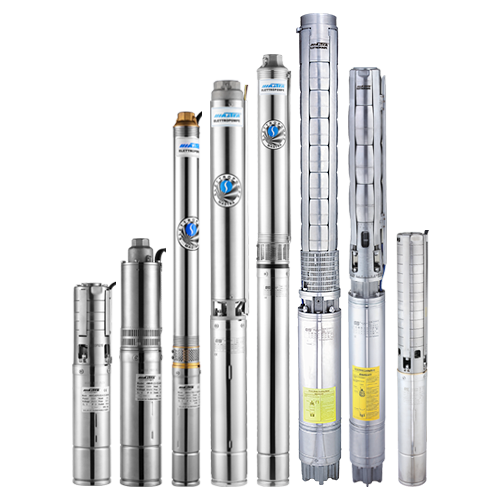
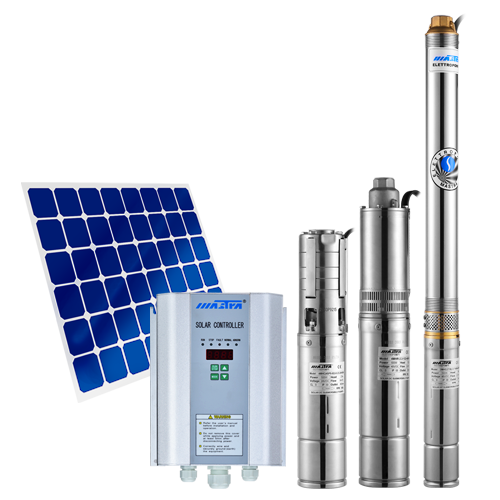
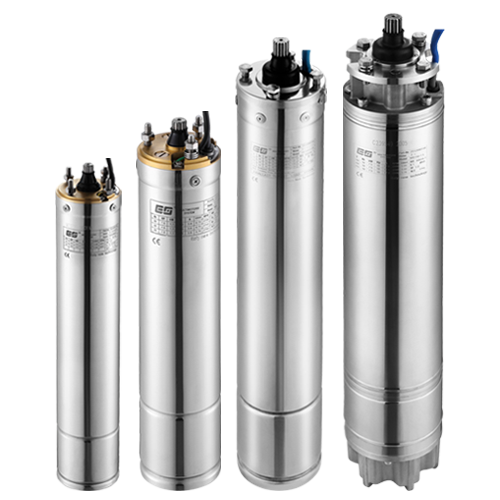
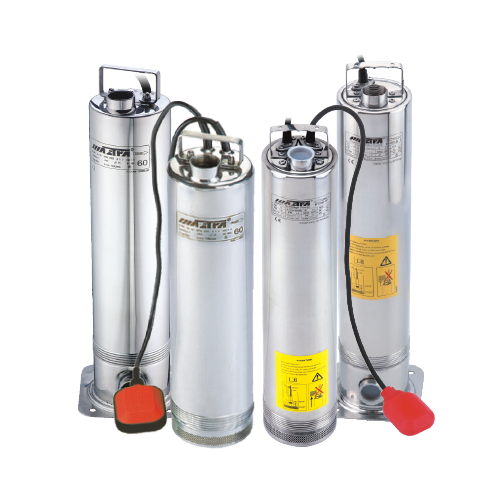
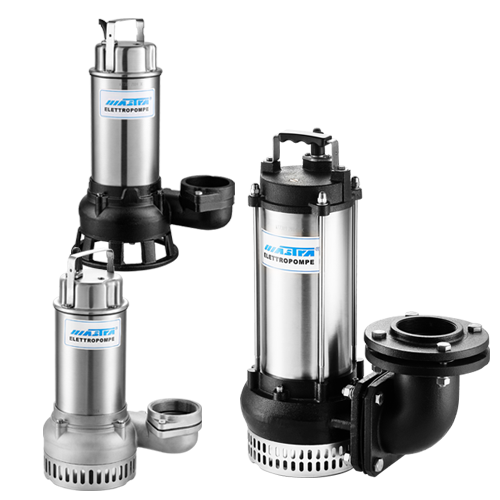
Accessing reliable water sources in remote or off-grid locations requires durable equipment. The deep well dc submersible pump provides a highly efficient solution for agricultural irrigation, livestock watering, and residential water supply. Because these units operate on direct current, they pair perfectly with solar panel arrays, eliminating the need for grid connectivity.
Proper installation dictates how effectively the system will operate over its lifespan. A poorly installed unit can suffer from voltage drops, pipe leaks, or sediment ingestion, leading to expensive repairs and system downtime. By understanding the mechanical and electrical requirements of your pumping system, you can ensure a consistent water supply regardless of your location.
This guide outlines the critical steps for installing, maintaining, and troubleshooting your dc submersible pump. You will learn how to secure the electrical connections, lower the unit safely into the casing, and keep the system operating at peak performance for years to come.
How do you prepare for a deep well dc submersible pump installation?
Before you lower any equipment into the ground, you must gather precise measurements and verify your components. Installing a submersible pump requires careful planning to prevent equipment damage.
First, measure the total depth of the well and the static water level. You must place the pump entirely submerged in the water, but it needs to sit at least 10 to 15 feet above the bottom of the well. Placing the unit too low will cause the intake screen to suck up mud and sediment, which destroys the internal impellers.
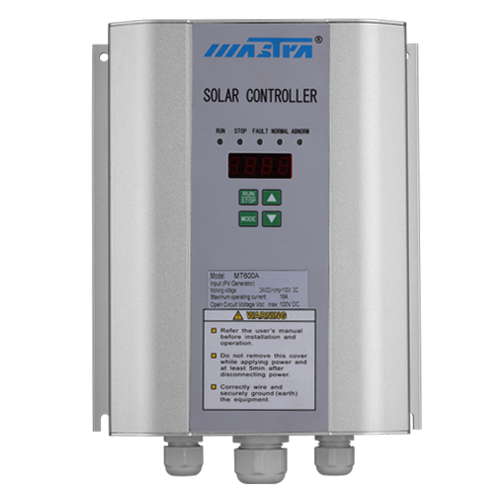
Next, confirm that your solar panels and pump controller match the voltage requirements of your deep well dc submersible pump. According to manufacturers like Guangdong Ruirong Pump Industry Co., Ltd. (makers of MASTRA pumps), mismatched electrical components will cause immediate controller faults or severely reduce the pump's water yield. Choose a marine-grade, waterproof heat shrink kit for all underwater electrical splices.
What are the steps to install a deep well dc submersible pump?
Executing the installation requires a methodical approach. Follow these precise steps to secure your system.
How do you splice the electrical cables safely?
The electrical connection is the most vulnerable part of any submersible pump installation. Strip the wires from the pump motor and the main drop cable. Use butt connectors to crimp the corresponding wires tightly. Slide a resin-filled heat shrink tube over each individual connection and apply heat until the resin oozes out the ends. This resin creates a watertight seal that prevents electrical shorts underwater.
How do you attach the drop pipe and safety rope?
Thread the appropriate drop pipe (typically high-density polyethylene or galvanized steel) into the discharge port of the pump. Wrap the threads with heavy-duty Teflon tape to prevent leaks. You must also tie a dedicated safety rope made of rot-proof nylon or stainless steel cable to the pump's lifting eye. The safety rope bears the weight of the unit during installation and removal, preventing strain on the electrical cable and drop pipe.
How do you properly lower the pump into the casing?
Tape the electrical cable to the drop pipe every 10 feet using waterproof electrical tape. This prevents the wire from chafing against the well casing. Slowly lower the assembly into the well using the safety rope and pipe. Do not use the electrical cable to support the weight of the pump. Once you reach the target depth, secure the pipe and safety rope to the wellhead seal.

What is the best way to maintain a dc submersible pump?
Routine dc submersible pump maintenance prevents sudden system failures. Since the pump itself sits deep underground, maintenance focuses heavily on the surface-level electronics and monitoring performance metrics.
Inspect the solar array and the controller cabinet every six months. Clean the solar panels with water and a soft brush to remove dust and bird droppings, which can severely reduce power output. Check the controller for any flashing error codes, loose wiring terminals, or signs of insect nesting inside the enclosure.
Monitor the water output continuously. If you notice a gradual decrease in water pressure or flow rate, the pump's intake screen may be clogged with minerals or the impellers might be wearing down. Pulling the pump up for a physical inspection every three to five years is a recommended practice to clean the intake screen and test the motor's resistance.
How do you troubleshoot common submersible pump issues?
Even with a perfect installation, environmental factors can cause operational issues. Knowing how to diagnose these problems saves time and money.
Why is the pump running but delivering low water yield?
If the motor operates but water flow is weak, check the solar conditions first. Heavy cloud cover reduces the voltage reaching the dc submersible pump. If sunlight is optimal, the issue likely stems from a drop in the well's static water level or a leak in the underground drop pipe.
Why won't the pump start?
A pump that fails to start usually points to an electrical fault. Use a multimeter to measure the voltage at the controller output terminals. If the controller outputs the correct voltage but the pump remains off, the underground cable splice has likely failed, or the motor has burned out. If the controller shows no output, investigate the solar array connections or check for blown fuses within the controller board.
Maximizing your deep well pumping system's longevity
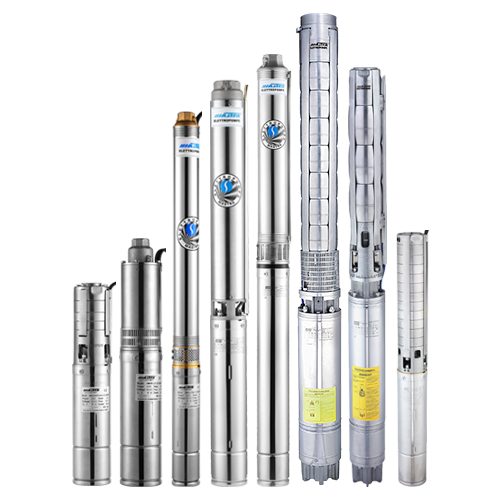
Implementing strict installation standards and a proactive maintenance schedule will dramatically extend the life of your equipment. Taking the time to secure waterproof connections, properly space the pump above the sediment floor, and keep the solar power system clean ensures your water supply remains uninterrupted. For reliable hardware, consider sourcing high-quality stainless steel units from established manufacturers like MASTRA, which specialize in high-efficiency motors for off-grid applications.
Frequently Asked Questions
How much does a dc submersible pump cost to maintain?
Maintaining a dc submersible pump typically costs between $50 and $150 annually. These costs primarily cover cleaning supplies for solar panels, replacement fuses for the controller, and occasional wellhead inspections.
How long does a deep well dc submersible pump last?
A high-quality deep well dc submersible pump lasts between 8 and 15 years when properly installed. Lifespan depends heavily on water quality; highly abrasive water filled with sand will degrade the impellers faster than clean water.
What is the best alternative to a standard AC submersible pump?
Choose a solar-powered dc submersible pump if off-grid reliability matters more than high-volume industrial flow rates. DC pumps eliminate the need for costly grid extensions or fuel-heavy diesel generators, making them the superior choice for remote agricultural and residential applications.
Related News


Get Touch With Us
Contact Info
0086-139 2903 3707
+86 138 2702 0863
No.22, North 3rd Road, Duruan Town, Jiangmen City, Guangdong Province, China
Related Products