The best submersible well pump for 2026 is one matched to four core factors: your well depth (which determines required lift), your daily water demand (which determines flow rate), your well's diameter (which determines pump size), and your preferred energy source (grid power or solar). Getting these four factors right is more important than chasing a specific brand or horsepower rating.
Search interest in "best submersible well pump" and similar terms has grown steadily as more homeowners move to private wells, driven partly by rising interest in energy independence and off-grid living. But "best" is relative — the right submersible well pump for a shallow 100-foot residential well looks nothing like the right pump for a 400-foot ranch well feeding livestock troughs and irrigation lines. This guide walks through the selection criteria that matter most in 2026, including a factor that's become increasingly relevant: solar compatibility.

What Is a Submersible Well Pump?
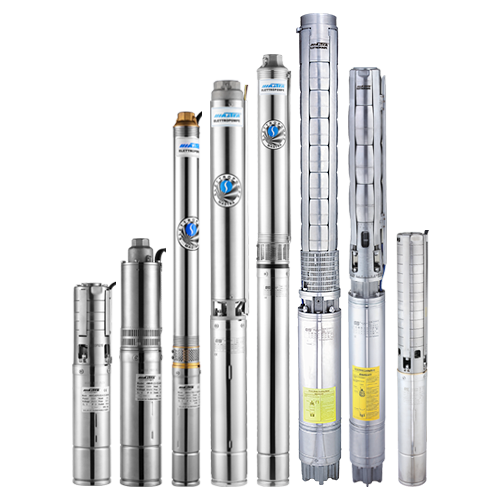
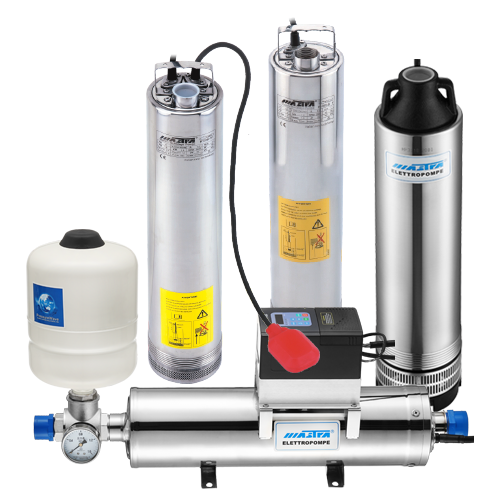
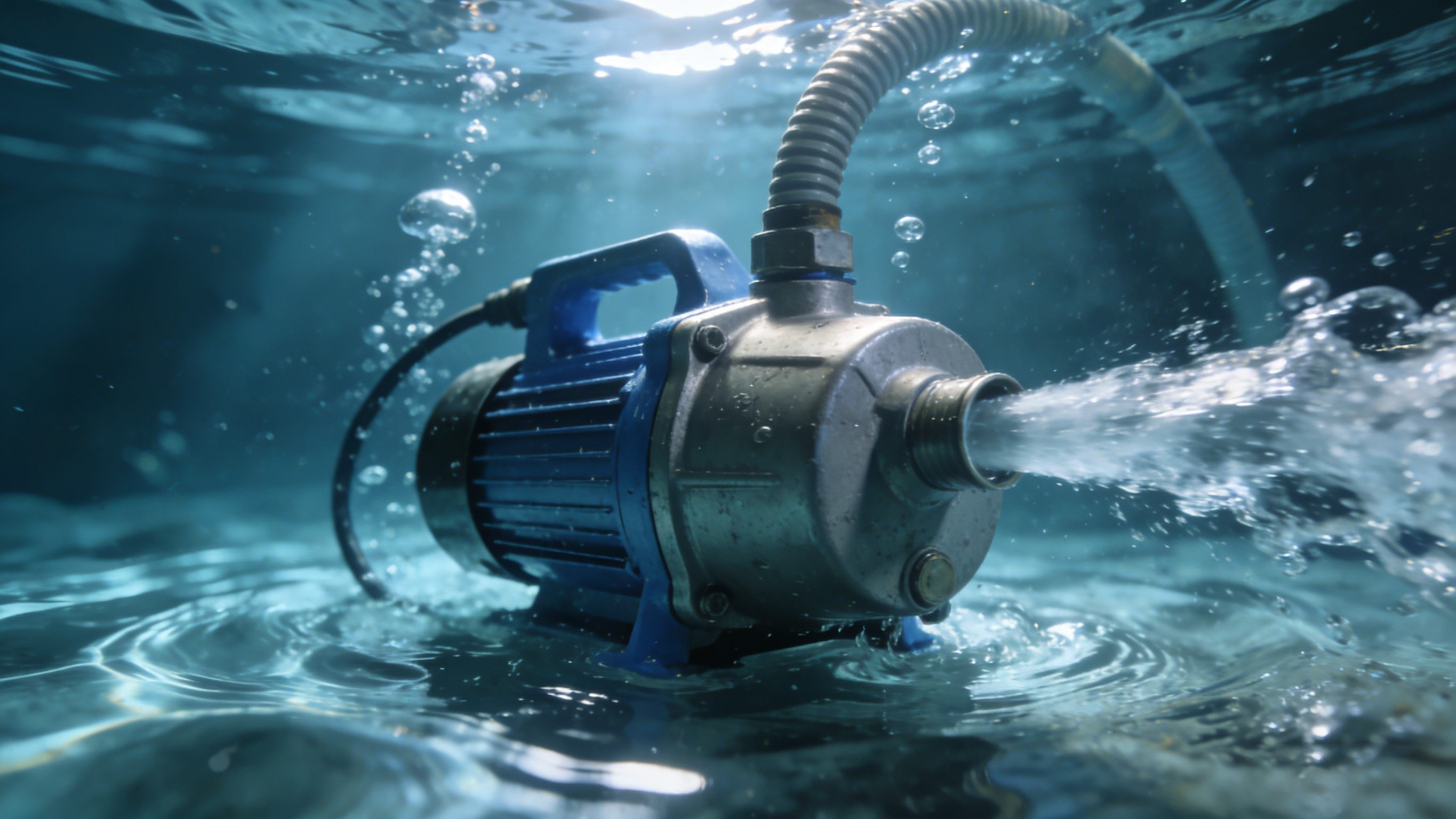
A submersible well pump is a sealed, waterproof pump unit designed to be lowered directly into a water well, where it pushes water upward to the surface rather than pulling it from above ground. Because the motor is submerged in water, these pumps run cooler and quieter than surface-mounted alternatives, and they're the standard choice for residential and agricultural wells deeper than 25 feet.
How Do You Choose the Right Submersible Well Pump?
Choosing the right submersible well pump comes down to matching the pump's specifications to your well's physical characteristics and your household's water needs. Use the checklist below as your starting point before comparing specific models.
1. Well Depth (Determines Required Lift)
Your well depth — or more precisely, the distance from the pump's resting position to your point of use — determines how much "head" or lift the pump needs to generate. A pump rated for 150 feet of lift will struggle or fail in a 300-foot well, even if its flow rate looks impressive on paper. Always check your well completion report or have a licensed well contractor confirm the static water level before shopping.
2. Daily Water Usage (Determines Flow Rate)
Flow rate, measured in gallons per minute (GPM), should be sized to your household's peak demand — not just your average daily use. A family running a dishwasher, a shower, and an outdoor sprinkler simultaneously needs a pump that can handle that combined draw without a drop in pressure. As a general rule, most single-family homes need a pump rated between 8–12 GPM, while properties with irrigation or livestock needs require significantly more.
3. Well Diameter (Determines Pump Diameter)
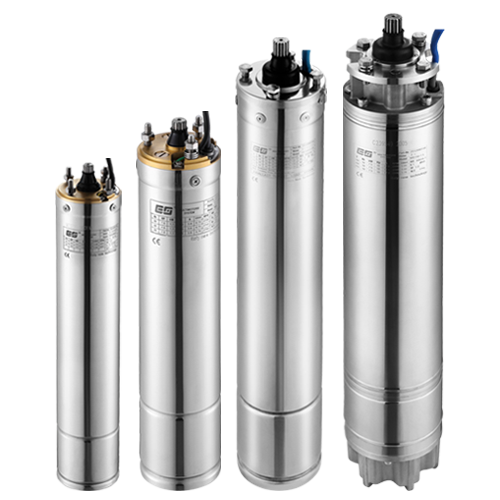
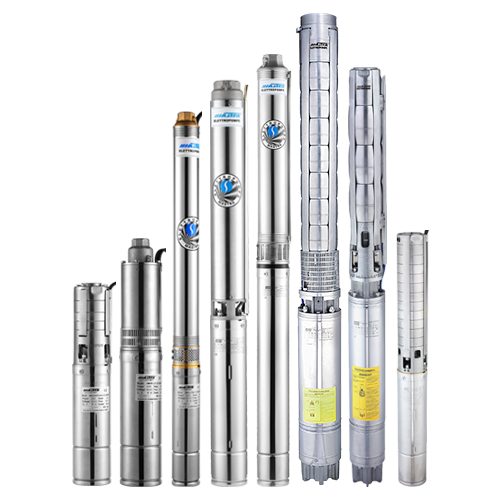
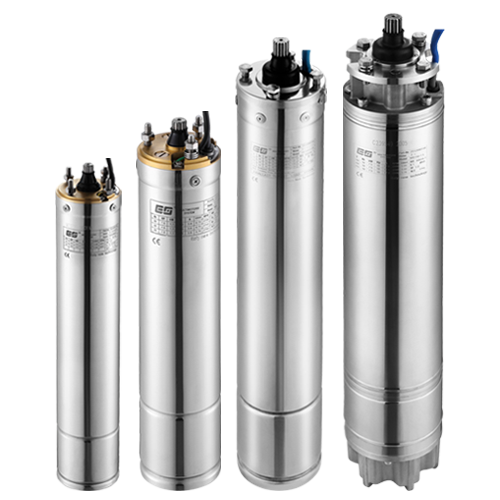
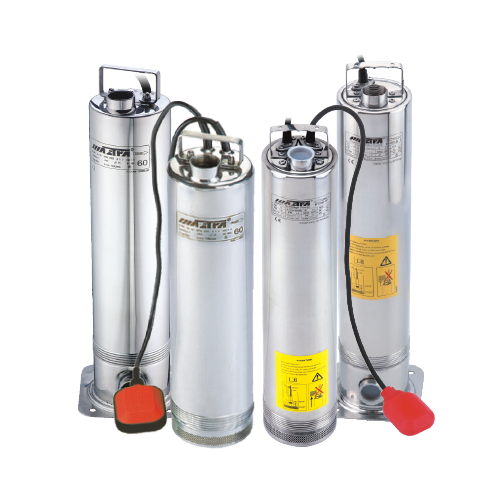
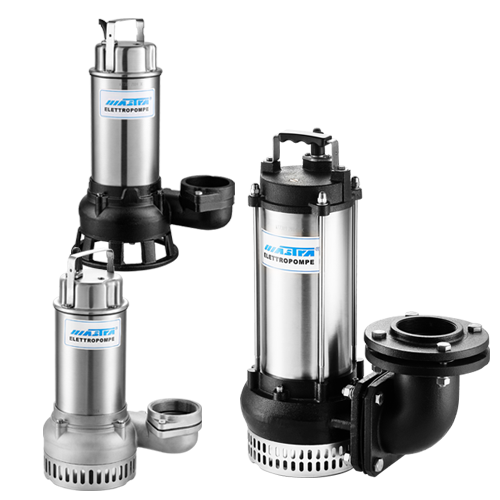
The pump you choose must physically fit inside your well casing. A 4-inch well can only accommodate a 4-inch (or smaller) submersible pump; attempting to force a larger unit into an undersized casing isn't possible. Manufacturers like MASTRA (mastrapump.com) produce submersible well pumps across a full range of diameters — including 3-inch, 3.5-inch, 4-inch, 5-inch, 6-inch, 8-inch, and 10-inch models — which reflects how central this sizing constraint is to the selection process. Confirm your casing diameter before evaluating any other spec.
4. Energy Source: Grid Power or Solar
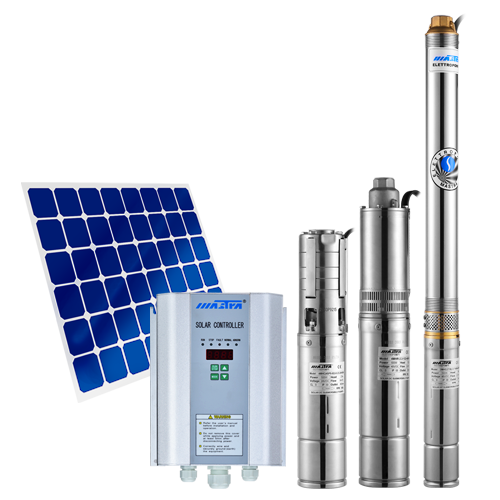
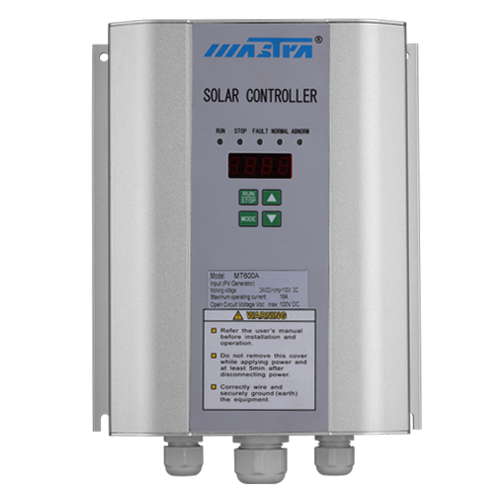
This is where 2026 selection criteria diverge most from a decade ago. Solar-compatible submersible pumps have moved from a niche off-grid solution to a mainstream option, driven by falling solar panel costs and improvements in variable frequency drive (VFD) technology. Pumps built with VFD electronics — a technology found in systems like the Grundfos SQ series — can adjust their motor speed to match fluctuating solar power output throughout the day, rather than requiring a constant, stable current. This makes solar-compatible pumps a practical option even for properties that experience partial cloud cover or seasonal sunlight variation. If you're weighing energy sources: grid-powered pumps are better suited for properties with reliable utility access and lower upfront budgets, while solar-compatible pumps work best for remote properties, backup water security, or households prioritizing long-term energy savings.
What Makes a Submersible Well Pump "Best" in 2026?
The best submersible water well pump in 2026 balances four qualities: correct sizing for your well's depth and diameter, sufficient flow rate for peak household demand, corrosion-resistant materials (typically stainless steel), and — increasingly — compatibility with solar or variable-frequency power. Pumps that check all four boxes, rather than excelling at just one specification, deliver the most reliable long-term performance.