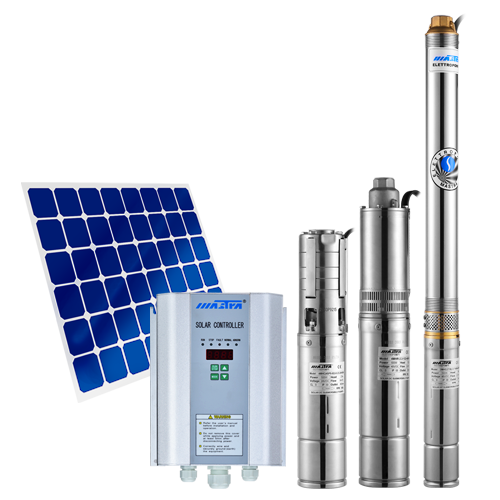
A properly sized solar powered deep well pump system matches three components together: the PV panel array (sized to peak sun hours), an MPPT controller (matched to panel voltage and pump input), and the pump itself (selected for the well's total dynamic head and required flow rate). Getting this combination wrong is one of the most common reasons solar well pump systems fail to deliver enough water or burn out prematurely.
A solar well pump system is not a simple assembly of "solar panels plus a water pump." Each component must be engineered to work with the others, and a mismatch anywhere in the chain—undersized panels, an incompatible controller, or a pump rated for the wrong head and flow—can mean a system that underperforms, stalls during cloudy periods, or fails within months. For buyers and installers sourcing a solar submersible pump, understanding sizing fundamentals reduces procurement risk and ensures the system performs as expected from day one.
This guide walks through how to calculate PV panel power based on peak sun hours, how to choose the right type of MPPT controller for solar pump applications, and how to determine the pump's head and flow requirements. It also covers how manufacturers like MASTRA Pump support this process through OEM/ODM system design and full bill-of-materials (BOM) support.

Why Do Solar Well Pump Systems Fail When Sized Incorrectly?
Most solar well pump system failures trace back to a mismatch between components rather than a single defective part. When the PV array doesn't generate enough power for the pump's start-up and running current, the pump cycles on and off or fails to start altogether. When the controller isn't matched to the panel's voltage output, the system loses efficiency or trips safety cutoffs. When the pump is rated for the wrong total dynamic head, it either fails to deliver water from a deep well or runs inefficiently and wears out early.
Because solar well pump systems are typically installed in remote, off-grid locations, correcting these errors after installation is costly. Site visits, well access, and system disassembly all add expense that could have been avoided with correct sizing calculations up front. This is why buyers increasingly look for suppliers who provide complete, pre-matched system BOMs rather than sourcing panels, controllers, and pumps separately.
How Do You Calculate PV Panel Power for a Solar Well Pump?
PV panel power is calculated by dividing the pump's total daily energy requirement (in watt-hours) by the site's peak sun hours, then adding a safety margin to account for system losses.
1.Determine the pump's power rating (watts). This comes from the pump's rated input power, based on the required flow rate and total dynamic head (see the section below).
2.Estimate daily run time. Calculate how many hours per day the pump needs to run to meet daily water demand.
3.Calculate daily energy demand. Multiply pump power (W) by run time (hours) to get watt-hours per day.
4.Divide by peak sun hours. Peak sun hours represent the number of hours per day the site receives solar irradiance equivalent to 1,000 W/m². This figure varies by location and season—typically 4 to 6 hours in most regions, but as low as 3 in winter or cloudy climates.
5.Add a safety margin. Industry practice typically adds 20–30% to the calculated panel wattage to account for cable losses, panel degradation over time, temperature derating, and cloudy-day performance drops.
Example formula:
Required PV Array Wattage = (Pump Power × Daily Run Hours) ÷ Peak Sun Hours × 1.2–1.3 (safety margin)
Using the lowest expected peak sun hours for the installation site—rather than an annual average—helps ensure the system performs reliably even during the least favorable season.
What Type of MPPT Controller Should You Use for a Solar Pump?
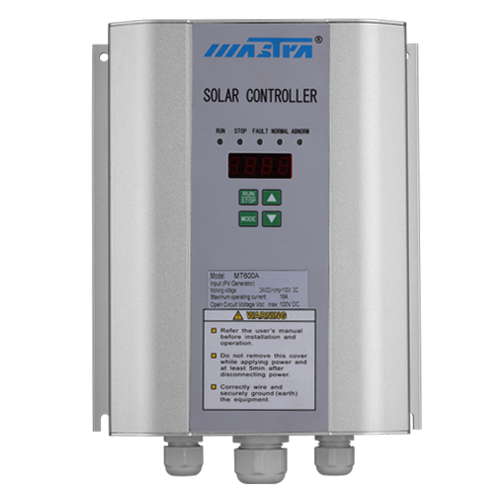
An MPPT (Maximum Power Point Tracking) controller should be selected based on the pump's motor type (AC or DC), its voltage and current ratings, and its startup power requirements—not simply its running wattage.
MPPT controllers designed for solar pump applications differ from standard solar charge controllers because they must handle variable DC input from the panels while managing the pump motor's electrical characteristics:
DC pump systems
typically pair with a dedicated solar pump MPPT controller that converts variable panel DC voltage into stable output for a DC submersible motor, continuously adjusting to draw maximum available power as sunlight changes throughout the day.
AC pump systems
require a solar pump inverter/controller that converts DC panel output into AC power matched to the motor's voltage and frequency (e.g., 220V/380V, 50Hz/60Hz), often with built-in VFD (variable frequency drive) functionality to manage motor startup current.
Startup surge handling
matters because submersible pump motors draw significantly more current at startup than during normal operation. The controller must be rated to handle this surge without tripping or under-delivering power.
Dry-run and overload
protection
are standard features on quality solar pump controllers, protecting the pump motor from damage when water levels drop or electrical loads exceed safe limits.
Buyers should confirm the controller's input voltage range matches the PV array's output range across all conditions (including cold mornings, when panel voltage rises) and that its rated current exceeds the pump motor's maximum draw.
How Do You Determine the Right Pump Specifications (Head and Flow)?
Pump specifications are determined by two figures: total dynamic head (the total vertical distance plus friction losses the pump must overcome) and required flow rate (the volume of water needed per unit of time).
Total Dynamic Head (TDH) includes:
the vertical distance from the water level in the well to the discharge point
the additional depth the water level drops while the pump is running
resistance in the piping, based on pipe diameter, length, and material
any additional elevation or pressure needed at the point of use (e.g., elevated storage tank)
Flow rate is determined by the intended use case:
based on household size and daily consumption needs
based on herd size and daily consumption per animal
based on crop water requirements and area under cultivation
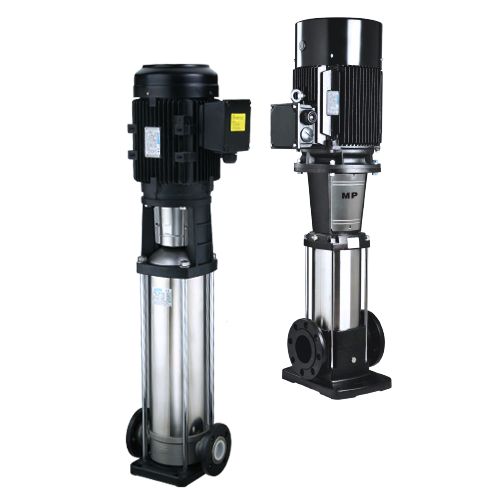
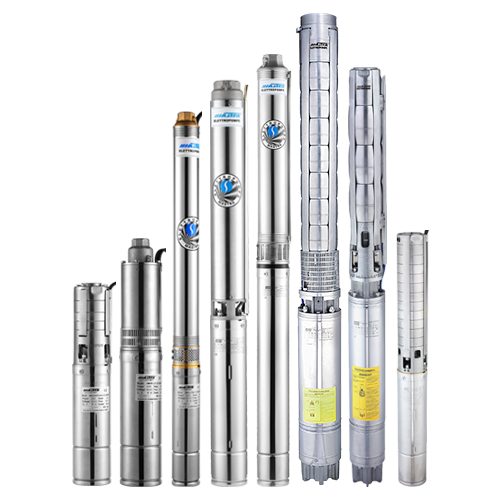
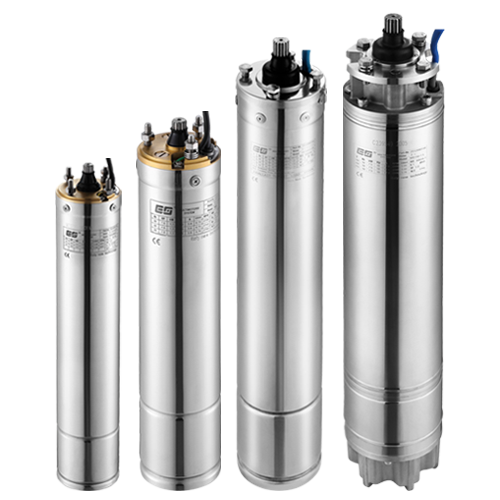
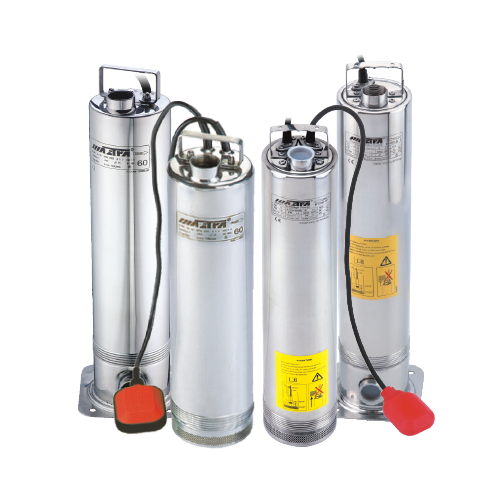
Once TDH and flow rate are known, these two figures are cross-referenced against a pump's performance curve (provided by the manufacturer) to confirm the pump can deliver the required flow at that head. Deep well applications typically call for multistage submersible pumps, which use multiple impeller stages to generate the higher head pressures needed to lift water from significant depths.
How Do PV Panels, Controller, and Pump Work Together as a System?
The three components must be sized as an integrated set: the panel array must generate enough wattage to meet the pump's energy demand across the site's peak sun hours, the controller must be rated to handle the panel's voltage output and the pump's startup and running current, and the pump must be selected for the well's actual head and flow requirements—not oversized or undersized based on assumption.
A mismatch in any single component undermines the whole system:
Undersized panels: the controller and pump receive insufficient power, causing intermittent operation or failure to start, especially during cloudy periods or low-sun seasons.
Incompatible controller: mismatched voltage or current ratings reduce efficiency, trigger protective shutdowns, or in worst cases, damage the pump motor.
Incorrectly sized pump: a pump rated for too little head will fail to deliver water from a deep well, while a pump rated for too much head relative to demand runs inefficiently and may shorten equipment life.
This is why solar well pump system design benefits from being handled as a single calculation, using matched components from a supplier that understands how they interact—rather than assembling parts from multiple sources with no guarantee of compatibility.
How Can Manufacturers Support System-Level Sizing and Sourcing?
Manufacturers that offer OEM/ODM services can support buyers by providing a complete, pre-matched bill of materials (BOM) that pairs PV panels, MPPT controllers, and pumps according to the site's head, flow, and sun-hour requirements—removing the guesswork from individual component sourcing.
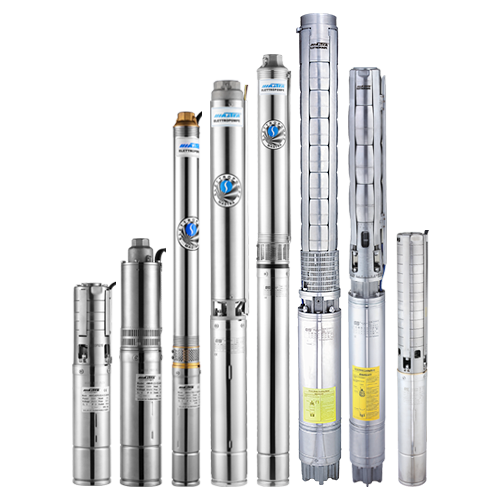
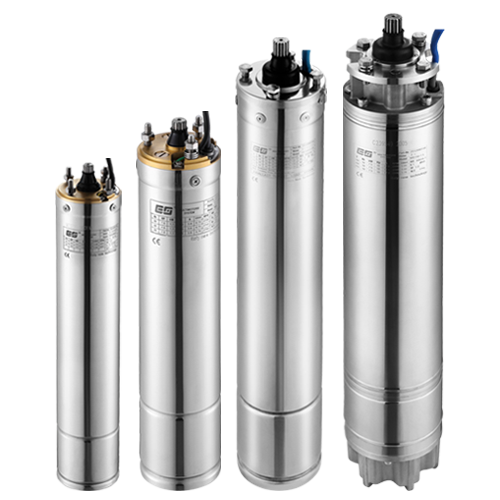
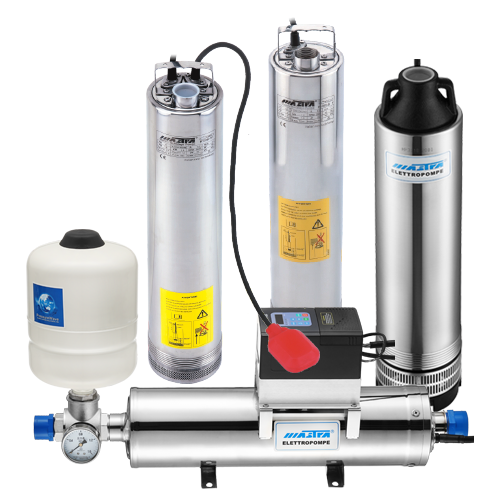
MASTRA Pump, a manufacturer specializing in stainless steel submersible pumps and motors, offers a dedicated solar water pump system product line alongside its own controllers, allowing buyers to source matched components from a single supplier. For businesses building or reselling solar well pump systems, this kind of OEM/ODM support—covering full BOM lists tailored to project specifications—can reduce the sizing errors and compatibility risks that come from mixing components across multiple vendors. Buyers evaluating suppliers for a solar submersible pump project can review MASTRA's pump selection resources or contact the manufacturer directly to request a system configured to their well's head and flow data.