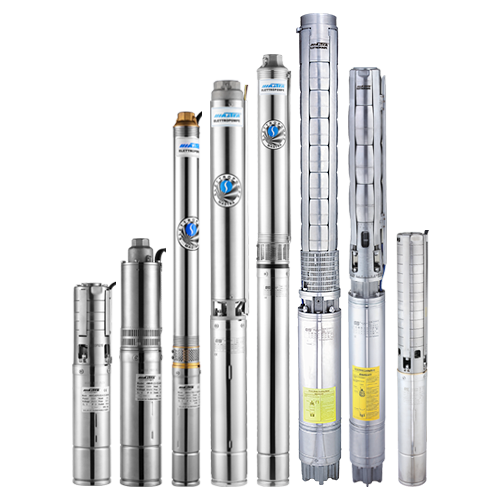
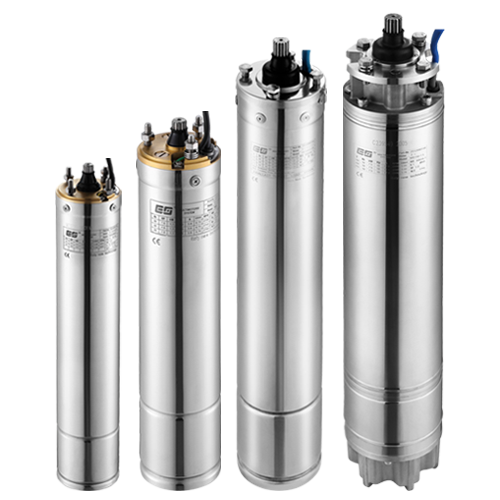
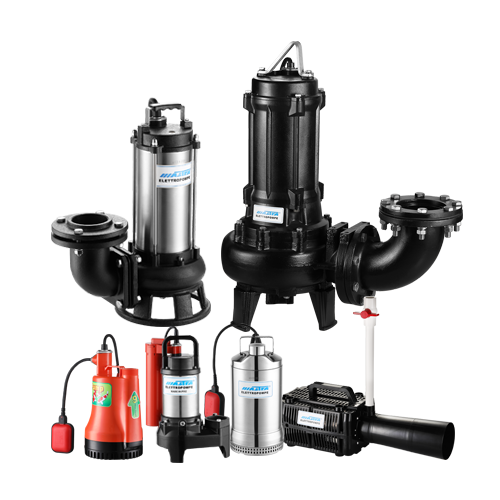
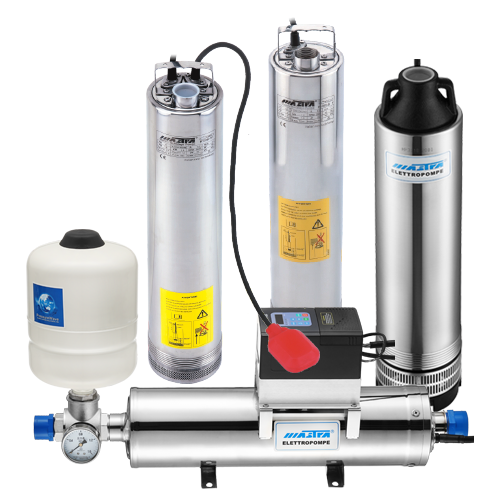
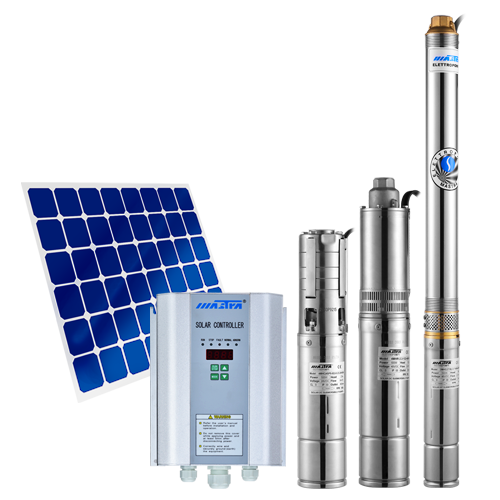
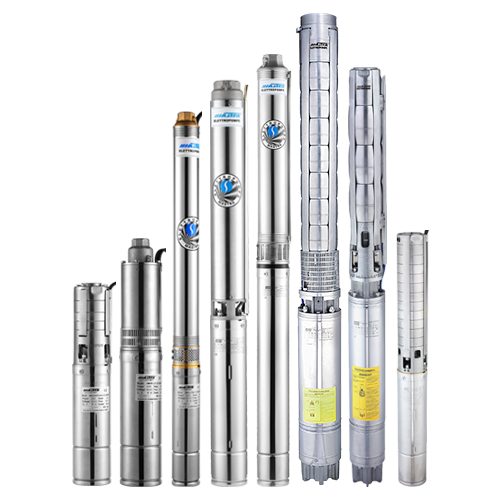
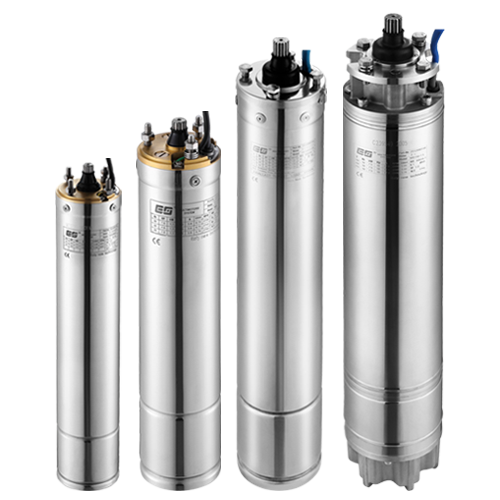
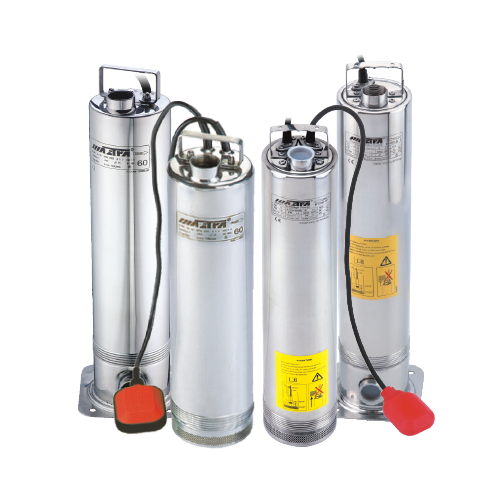
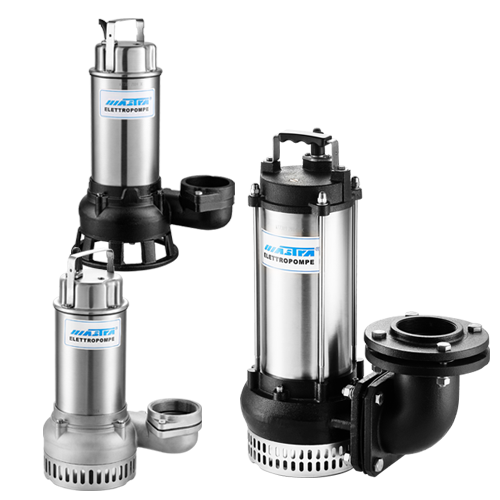
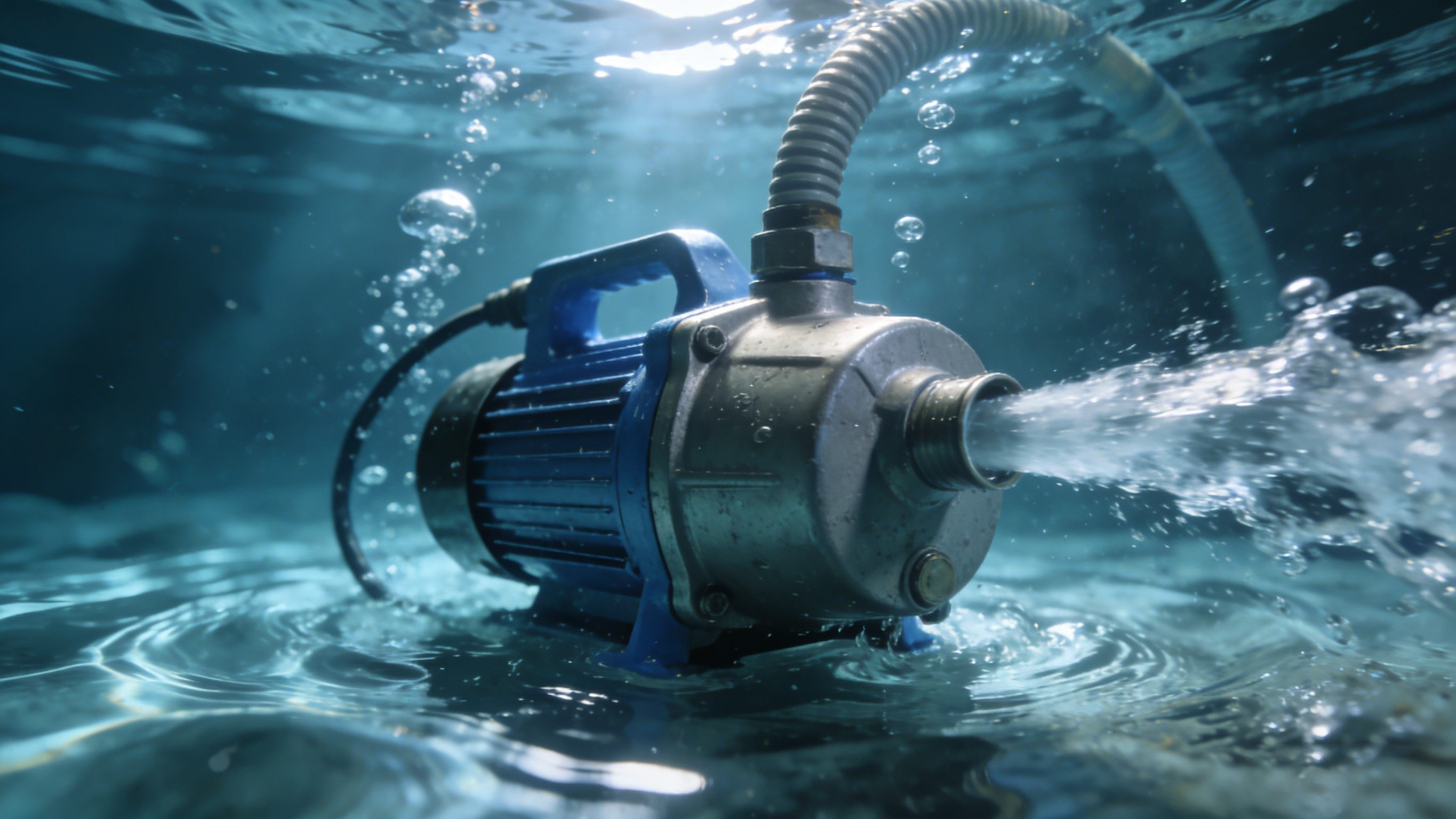
The right voltage for a solar submersible pump depends on three factors: well depth, required flow rate, and whether the system will run entirely off-grid or connect to existing power infrastructure. A 12V solar submersible pump suits small-flow, shallow-well, off-grid applications; a 48V DC solar pump handles higher-power needs across deeper wells or larger flow demands; and an AC solar water pump (paired with an inverter) currently dominates the market, holding a 72.9% share, because it integrates easily with the grid or a generator.
Choosing between these three isn't just a technical decision—it's the point where most farm irrigation projects succeed or stall. The solar pump market is shifting fast, moving from pure DC systems toward hybrid AC/DC setups, and each voltage class now serves a distinct role rather than competing head-to-head. Below, we break down where each option fits so you can match the pump to your farm instead of the other way around.

What Is a 12V Solar Submersible Pump Best Used For?
A 12V solar submersible pump is best suited for small-scale, off-grid applications like livestock watering, garden irrigation, or shallow-well domestic supply. These pumps run on low power draw, making them compatible with small solar panel arrays and basic battery setups.
The trade-off is capacity. Take the ECO-WORTHY 12V solar submersible pump as an example: it can lift water up to 230 feet, but its flow rate tops out around 3.2 GPM (gallons per minute). That's plenty for a small trough or drip system, but it won't keep pace with a larger irrigation block. If your farm's water need is modest and your well isn't especially deep relative to flow demand, a 12V system delivers simplicity and a lower upfront cost.
12V DC solar pumps make sense when:
The well is shallow to moderate depth
Daily water demand is low (livestock, small gardens, remote cabins)
The site has no grid access and battery backup is preferred
Budget and simplicity outweigh the need for high flow
What Is a 48V DC Solar Pump Designed For?
A 48V DC solar pump is designed for farms that need more power than a 12V system can deliver but still want to stay within a DC (direct current) architecture. Higher voltage allows the pump to move more water, reach greater depths, or both, without the efficiency losses that come from running high current through thin, low-voltage wiring.
This makes 48V DC solar pumps a middle-ground solution: they support larger solar arrays and higher-capacity batteries, which suits medium-sized farms scaling up from a 12V setup or needing to serve multiple watering points. Because they remain DC systems, they still avoid the added cost and complexity of an inverter, which keeps the overall system simpler than a full AC setup.
48V DC solar pumps make sense when:
Water demand has outgrown a 12V system's flow capacity
The well is deeper, requiring more lift without excessive current loss
The farm still wants to avoid inverter costs and stay purely DC
Multiple irrigation zones or larger livestock operations are in play
Why Do AC Solar Water Pumps Dominate the Market?
AC solar water pumps dominate the market—holding roughly 72.9% market share—because they integrate directly with existing electrical infrastructure, including the grid and backup generators. This flexibility matters for farms that can't rely on solar power alone, whether due to seasonal sunlight variation, cloudy climates, or the need for consistent output regardless of weather.
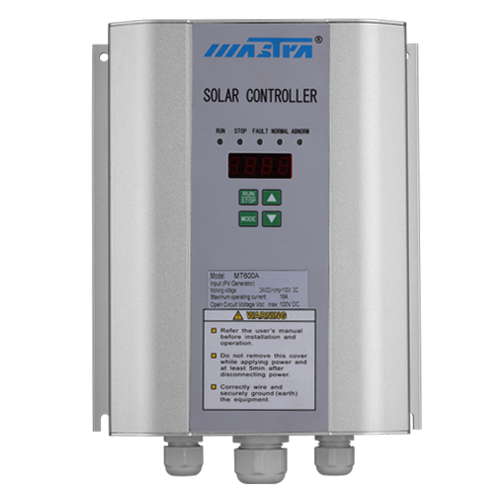
An AC solar pump system works by pairing solar panels with an inverter, which converts DC power from the panels into AC power the pump can use. This setup allows the same pump to draw from solar during the day and switch to grid or generator power when needed, which is a critical advantage for larger commercial farms that cannot risk water interruption.
AC solar water pumps make sense when:
The farm already has grid access or a generator as backup
Water demand is high enough to justify the added inverter cost
Reliability under variable weather conditions is a priority
The operation is scaling toward commercial-level irrigation
12V DC vs. 48V DC vs. AC Solar Pump: Quick Comparison
How Do I Choose the Right Solar Pump Voltage for My Farm?
Choosing the right solar pump voltage comes down to matching your well depth and daily water volume to the pump's capacity, then deciding whether off-grid independence or grid/generator flexibility matters more. Start by calculating your farm's peak daily water demand and total dynamic head (well depth plus friction loss), then compare that figure against the flow and lift specs of each voltage class.
Farms with modest, predictable needs and no grid access typically start with 12V DC. Those outgrowing a 12V setup, or needing more lift without added system complexity, often move to 48V DC. Larger operations—especially those with existing electrical infrastructure or a need for weather-independent reliability—tend toward AC systems despite the higher upfront cost of an inverter.
For a closer look at solar pump system configurations, see MASTRA's solar water pump systems.