
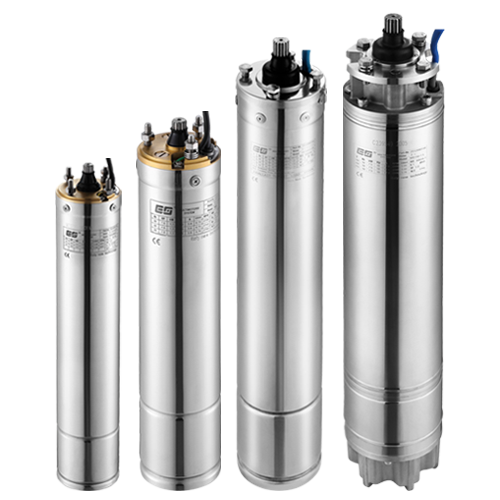
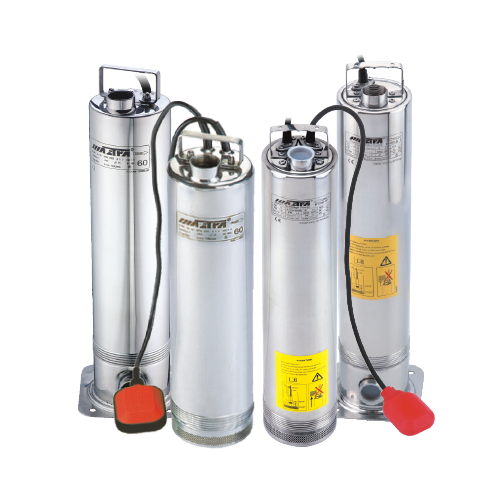
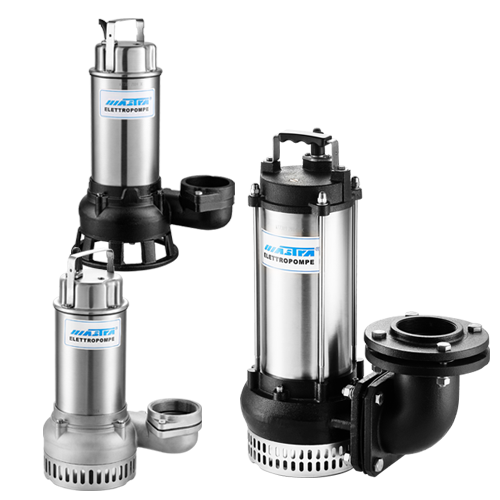




You turn on the faucet, but nothing comes out. It is a frustrating scenario that every homeowner with a well or cistern fears. But beyond the inconvenience of having no water, there is a much bigger concern lurking underground: is your pump still running?
A running pump with no water flowing through it is a recipe for disaster. It can lead to overheating, mechanical failure, and a hefty repair bill. If you are wondering whether your system is smart enough to save itself, you are asking the right question. Understanding how these systems work—and when they don't—is key to protecting your investment and ensuring a reliable water supply for your home or farm.
The Short Answer: Does the Pump Stop Automatically?
Generally speaking, a standard submersible pump does not shut off by itself when the water runs out. The motor is simply an electrical device told to spin when it receives power. It does not inherently "know" if it is pumping water or spinning in the air.
However, the answer becomes "yes" if your system is equipped with specific protection devices. Modern installations often include control boxes, sensors, or switches designed to detect a dry-run scenario and cut the power. Without these external add-ons, a standard pump will continue to run until you manually turn it off or until it burns out.
Why Running Dry is Dangerous for Your Pump
Why is the lack of water such a critical issue for a submersible water pump? Unlike air-cooled motors found in other machinery, submersible units rely on the water they are pumping for two essential functions:
Cooling: The motor generates significant heat while running. The water flowing around the motor housing absorbs this heat and dissipates it. Without water, the temperature rises rapidly.
Lubrication: Many internal components, such as seals and bearings, use the water as a lubricant. When the environment is dry, friction increases dramatically.
If a pump runs dry for even a short period, the internal plastic impellers can melt and fuse together, or the motor windings can overheat and short out. This is why "dry run protection" is a critical feature for any reliable water system.
Common Mechanisms That Shut Off Pumps
Since the submersible well pump usually cannot save itself, engineers have developed several external devices to do the job. Here is a breakdown of the most common protection methods found in residential and industrial systems.
1. Float Switches
This is the most common and mechanical method, often used in tanks and cisterns. A plastic float is tethered to the pump. When the water level is high, the float floats up, completing the circuit and allowing the pump to run. When the water level drops below a certain point, the float drops, breaking the circuit and cutting power to the pump.
2. Low-Pressure Cut-off Switches
Common in pressure tank systems, these switches monitor the water pressure in your pipes. If the pressure drops significantly below the "cut-in" setting (for example, below 20 PSI on a 40/60 switch), the device assumes the well is dry or a pipe has burst. It then cuts power to the pump to prevent damage.
3. Electronic Pump Controllers
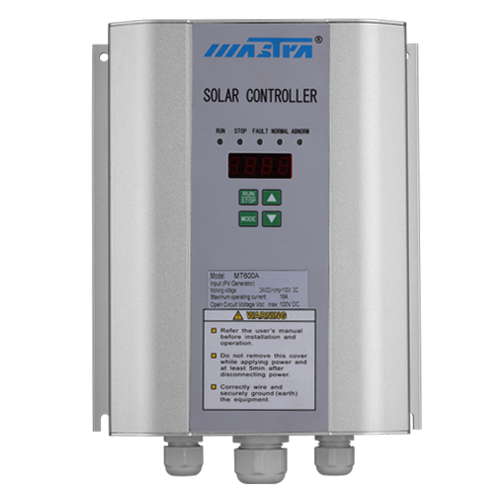
These are the "brains" of modern pump systems. Electronic controllers monitor electrical current (amperage) and flow. When a pump runs dry, the load on the motor changes (it spins easier because it isn't pushing heavy water). The controller detects this drop in amperage or lack of flow and shuts the system down, often triggering a "dry run" alarm.
Comparison of Protection Devices
To help you understand which protection might be installed on your system (or which one you need), refer to the table below:
Protection Device | Mechanism | Best Application | Limitations |
|---|---|---|---|
Float Switch | Physical float shuts off power when water drops. | Open tanks, cisterns, large diameter wells. | Can get stuck on debris; hard to use in narrow well casings. |
Pressure Switch (Low Cut-off) | Senses extreme pressure drop. | Residential pressure tank systems. | May require manual reset; can be triggered by high water usage. |
Flow Sensor / Controller | Detects lack of water movement or electrical load change. | All systems, including deep wells and irrigation. | More expensive; requires electronic control box. |
Probes / Sensors | Metal probes detect water conductivity. | Deep submersible well pumps. | Very reliable but requires extra wiring down the well. |
Troubleshooting: How to Tell if Your Pump is Running Dry
If you don't have an automatic shut-off system, you need to be vigilant. Recognizing the signs of a dry well early can save your equipment.
Symptoms of a Dry-Running Pump:
No Water: The most obvious sign.
Sputtering Faucets: Air mixed with water coming out of the tap often indicates the water level has dropped to the pump's intake.
High Electricity Bill: If the pump can't build pressure, the pressure switch never tells it to stop. It runs 24/7, driving up your energy costs.
Hot Water: In rare cases, if the pump runs against a closed valve or with very little water, the friction can actually heat the water coming out of your tap.
If you notice these signs, shut off the breaker to your pump immediately and wait for the well to recover before troubleshooting.
The Importance of Quality Equipment
Preventing dry-run damage starts with selecting high-quality equipment designed for durability. Investing in a pump from a reputable manufacturer can make the difference between a system that lasts for years and one that fails during the first dry summer.
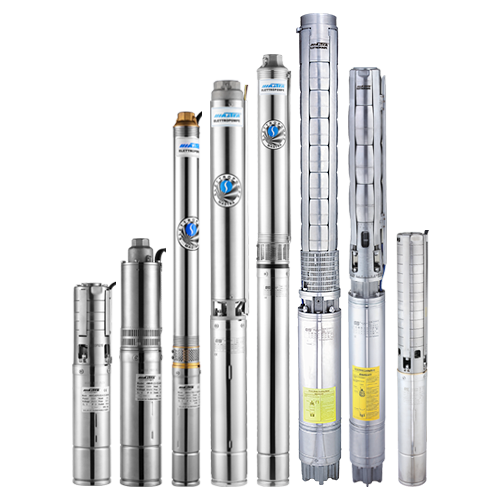
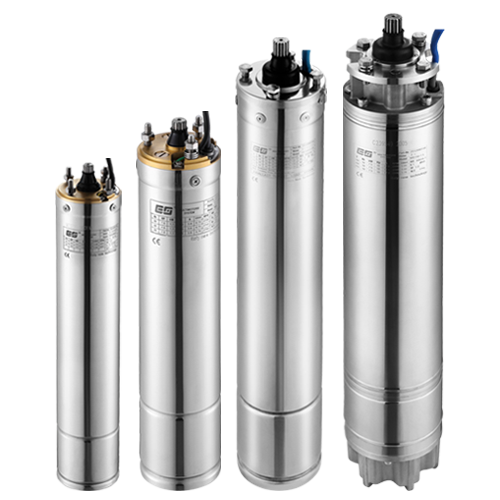
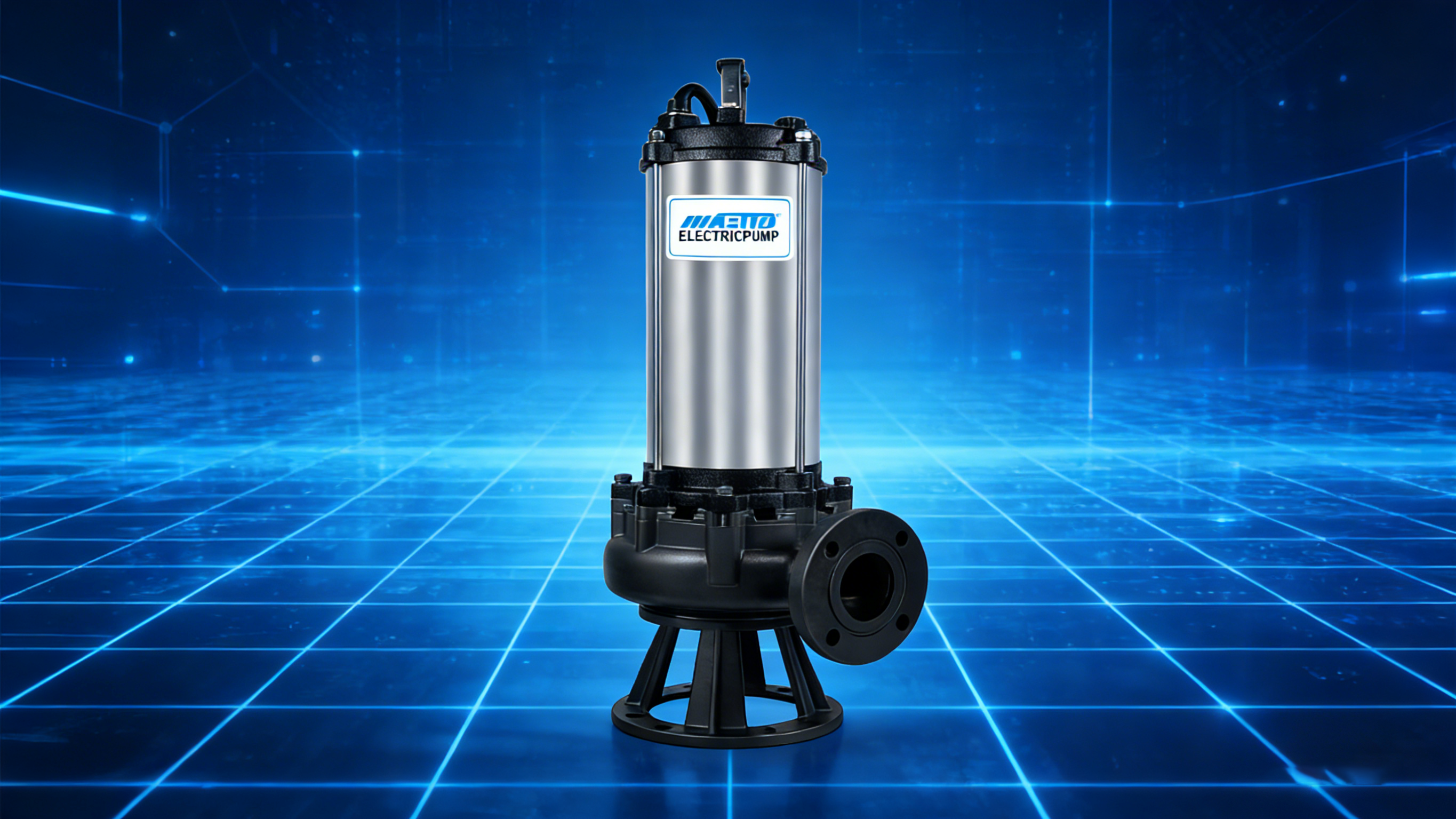
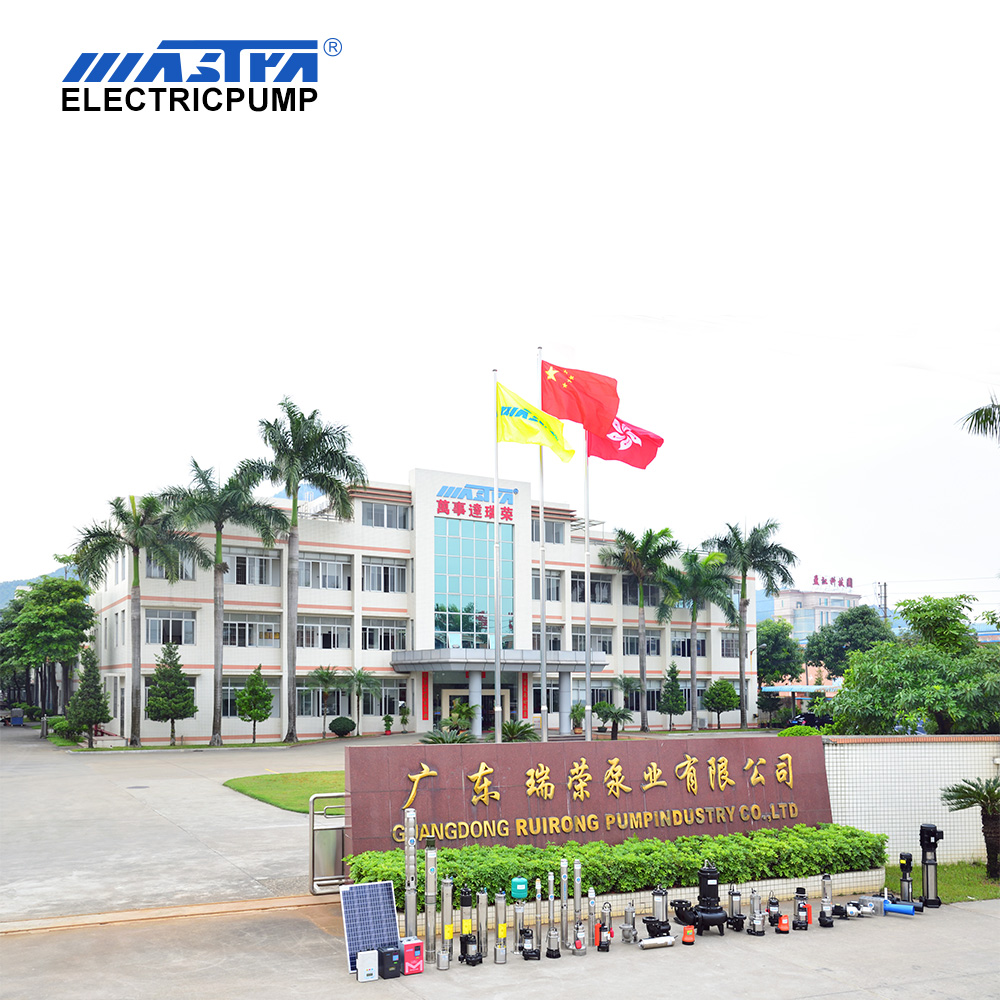
Guangdong Ruirong Pump Industry Co., Ltd. is a prime example of a manufacturer that prioritizes longevity and safety. With over 30 years of experience, they produce submersible pumps and motors that meet rigorous international standards, including NEMA.
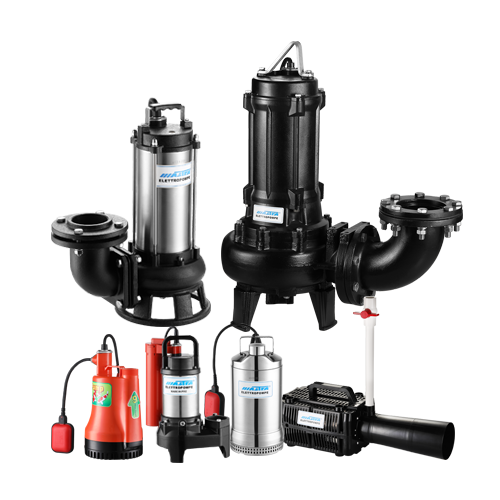
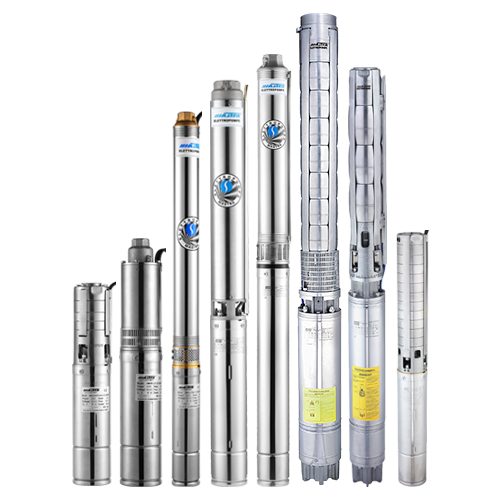
Their product range, marketed under the MASTRA brand, includes stainless steel submersible motors and pumps widely used in over 80 countries. What makes them stand out is their focus on comprehensive quality control. They manufacture their own components and utilize advanced testing centers to ensuring every unit can handle demanding environments.
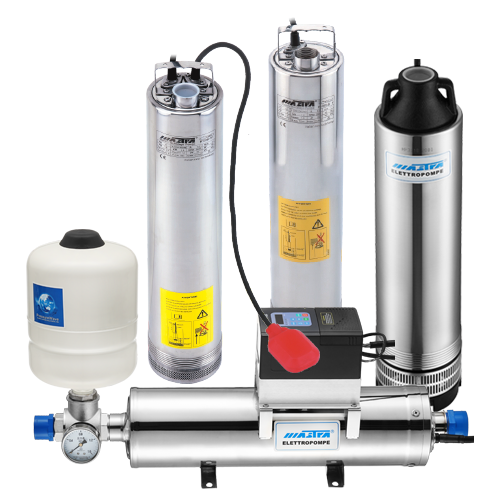
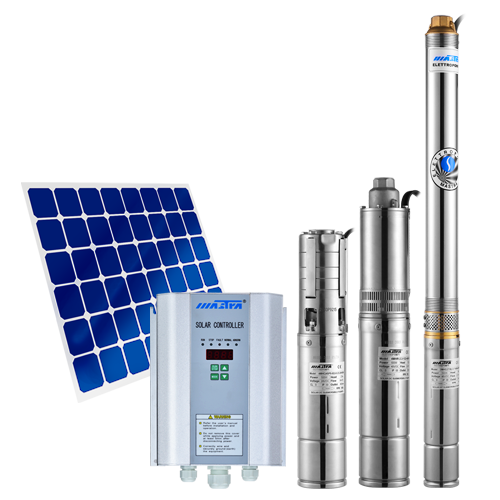
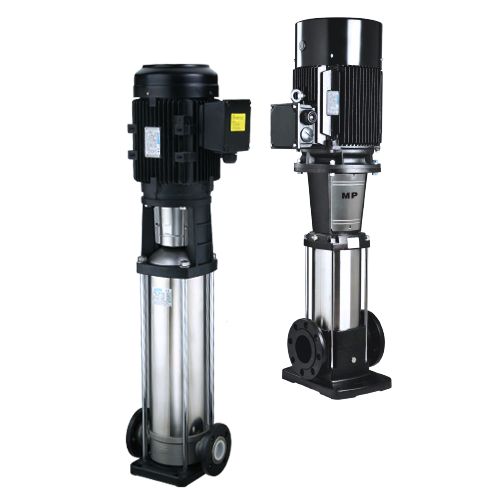
Ruirong also offers advanced controllers that pair perfectly with their pumps. These controllers provide that essential layer of intelligence, monitoring for dry-run conditions and shutting the system down before damage occurs. Whether you need a 3-inch pump for a home well or a massive 10-inch industrial pump, choosing a manufacturer with this level of engineering depth ensures your water supply remains secure.
Frequently Asked Questions
Can I add dry run protection to my existing pump?
Yes. You can usually retrofit a system with a "PumpSaver" or an electronic flow controller. These devices are installed at the control box above ground, meaning you don't need to pull the pump out of the well to install them.
How long can a submersible pump run without water?
It varies by model, but damage can occur in as little as 45 seconds to a few minutes. Water-lubricated bearings can dry out almost instantly, leading to friction and heat buildup. It is never safe to test a pump dry.
Will the pump restart automatically after a dry run?
If you have an intelligent controller, yes. Many are programmed to shut off for a set time (e.g., 30 minutes) to let the well recover, then attempt to restart. Mechanical switches (like low-pressure switches) usually require a manual reset.
Protecting Your Water Supply
So, does a submersible pump shut off itself with no water? In most cases, no—not without help. Relying on a bare-bones pump installation leaves you vulnerable to expensive failures.
To ensure your water system is "set it and forget it," you need two things: the right protection mechanisms (like sensors or controllers) and a high-quality pump foundation. By combining smart detection systems with robust hardware from trusted manufacturers like Guangdong Ruirong Pump Industry Co., Ltd., you can rest easy knowing your system will handle a dry spell without burning out.
If you are unsure about your current setup, consult a professional to see if your system has the necessary safeguards in place.
submersible well pump
submersible pump
submersible water pump

Get Touch With Us
Contact Info
0086-139 2903 3707
+86 138 2702 0863
No.22, North 3rd Road, Duruan Town, Jiangmen City, Guangdong Province, China
Related Products