




If you've ever dealt with a flooded basement, managed a deep well, or set up a large garden feature, you've likely encountered the need to move water from point A to point B. While there are dozens of pump types on the market, the submersible pump stands out for its efficiency and unique design. But how exactly does it move that fluid? Does a submersible pump push water, or does it pull it like a straw?
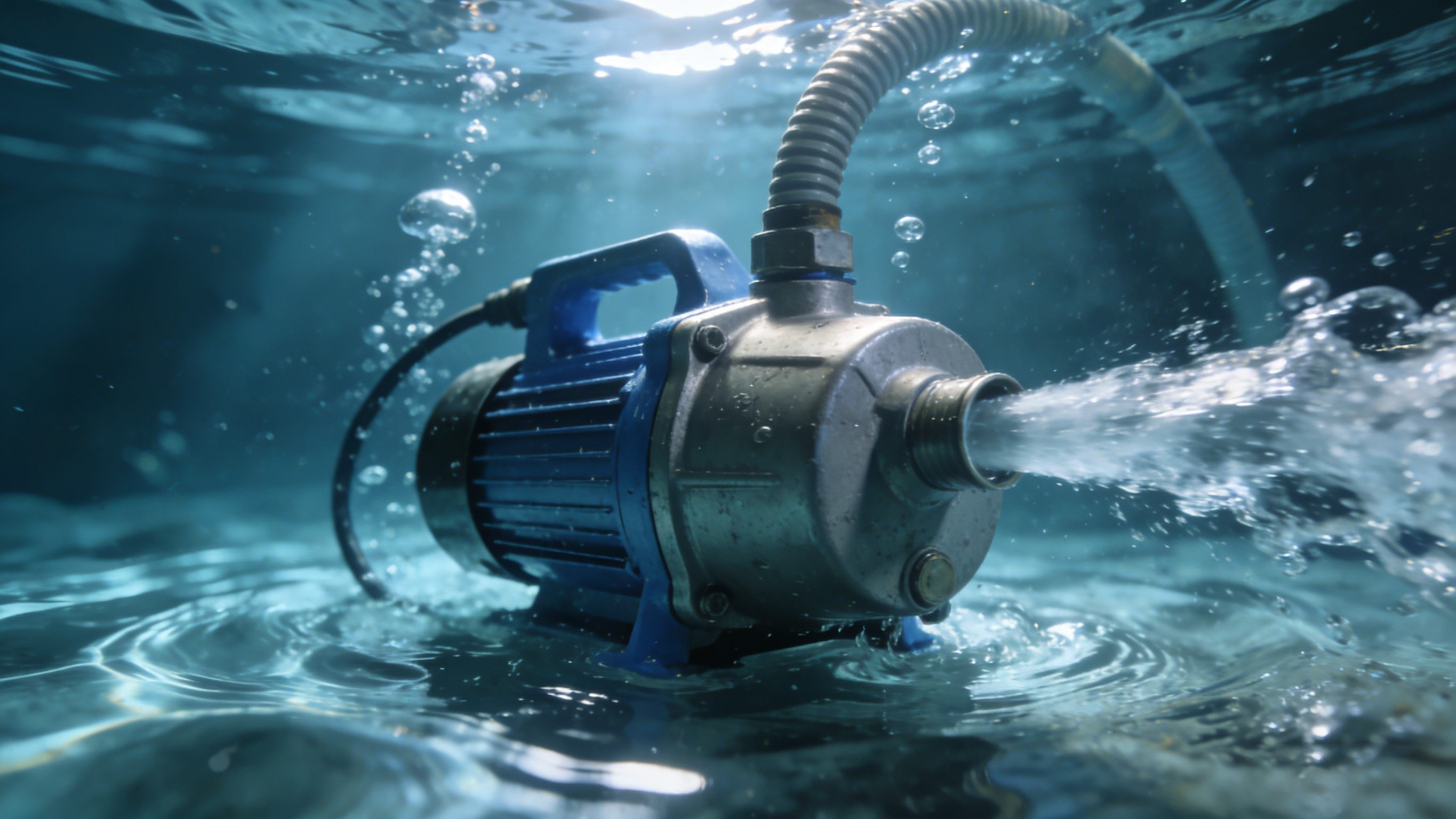
The short answer is: Yes, a submersible pump pushes water. Unlike jet pumps that rely on suction to pull liquid up, submersible units are submerged directly into the fluid, using mechanical energy to push the water to the surface.
This distinction is crucial for understanding why these pumps are so effective for deep wells and drainage. In this guide, we will explore the mechanics behind submersible water pumps, why "pushing" is more efficient than "pulling," and how to choose the right equipment for your needs.
How Does a Submersible Pump Work?
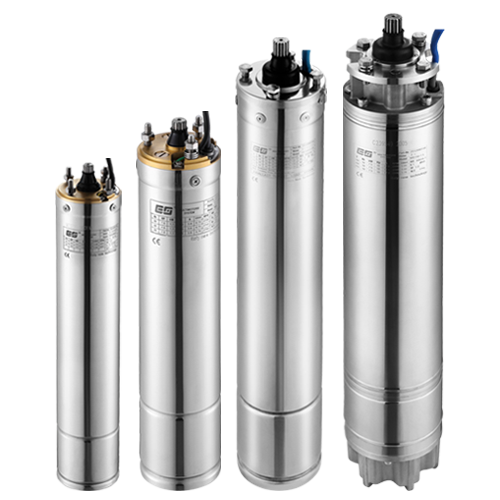
To understand why a submersible pump pushes water, we first need to look at what's happening inside the casing. These pumps are hermetically sealed units that combine a pump and a motor. The entire assembly is designed to be fully submerged in the liquid it needs to process.
The Mechanism of Pushing
When you turn on a submersible pump, the electric motor spins an impeller (or a series of impellers in multi-stage pumps). This spinning action creates centrifugal force.
Intake: Water enters the pump through an intake screen at the bottom or middle of the unit.
Acceleration: The rotating impellers spin the water rapidly, adding kinetic energy (speed) to the fluid.
Pressure Conversion: As the water moves outward through the impeller and into the diffuser (a stationary component), that speed is converted into pressure.
Discharge: This built-up pressure pushes the water up through the discharge pipe and out of the well or tank.
Because the pump is already surrounded by water, it doesn't need to "prime" itself or create a vacuum to suck water in. It simply grabs the water that is already there and pushes it upward.
Push vs. Pull: The Efficiency Battle
Why does it matter if a pump pushes or pulls? In the world of fluid dynamics, pushing is significantly more efficient, especially for deep applications.
When a standard jet pump tries to pull water (suction), it is limited by atmospheric pressure. Theoretically, a perfect vacuum can only lift water about 33 feet (10 meters) at sea level. In reality, due to friction and inefficiencies, most suction pumps struggle to lift water past 25 feet.
Submersible pumps, on the other hand, do not rely on atmospheric pressure. By pushing the water from the bottom up, they can lift fluids from depths of hundreds, or even thousands, of feet.
Comparison: Submersible Pump vs. Jet Pump
Feature | Submersible Pump | Jet Pump (Suction) |
|---|---|---|
Action | Pushes water up | Pulls water via suction |
Placement | Underwater (in the well/tank) | Above ground |
Priming | Self-priming (no manual priming needed) | Requires manual priming |
Depth Capability | Excellent for deep wells (hundreds of feet) | Limited to shallow depths (approx. 25 ft) |
Noise Level | Quiet (sound is muffled by water) | Can be noisy |
Cavitation Risk | Low risk | Higher risk if suction lift is too high |
Types of Submersible Pumps
Not all submersible water pumps are created equal. Depending on whether you are draining a pool or supplying drinking water for a farm, the internal design will vary.
Deep Well Pumps
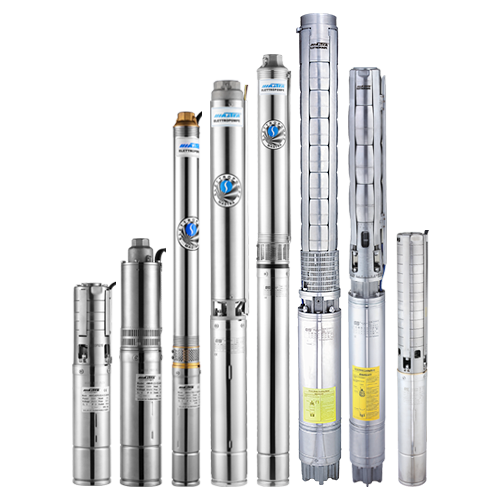
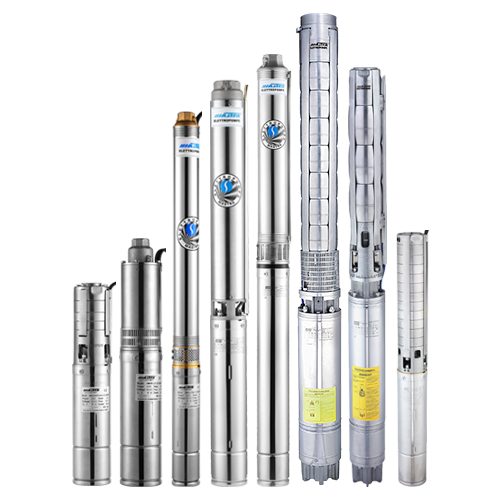
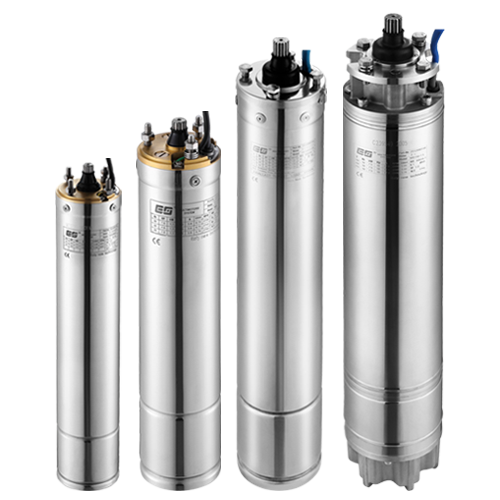
These are long, slender cylinders designed to fit inside drilled well casings. They often use multiple stages (stacked impellers) to generate the immense pressure required to push water up from deep underground aquifers.
Sump and Sewage Pumps
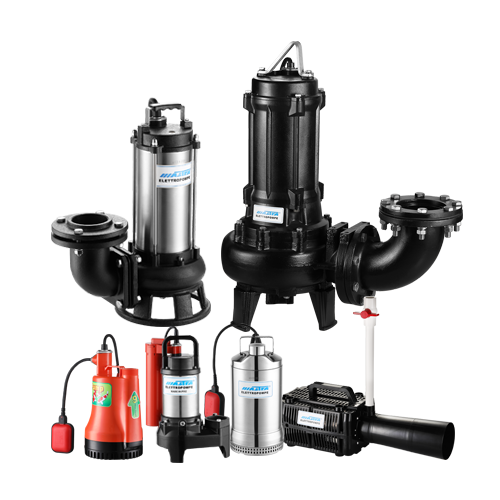
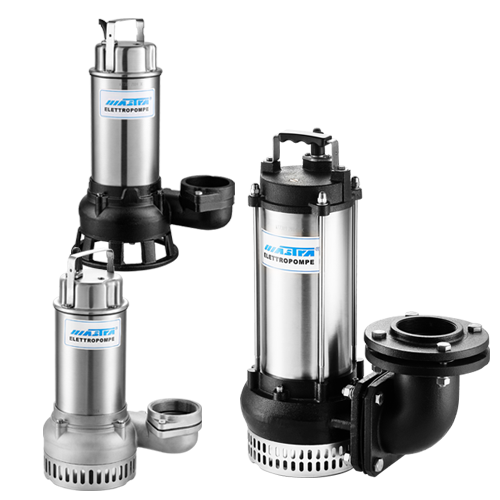
Used primarily for drainage, these pumps are designed to move large volumes of water at lower pressures. Sewage pumps, in particular, feature specialized impellers capable of handling solids without clogging.
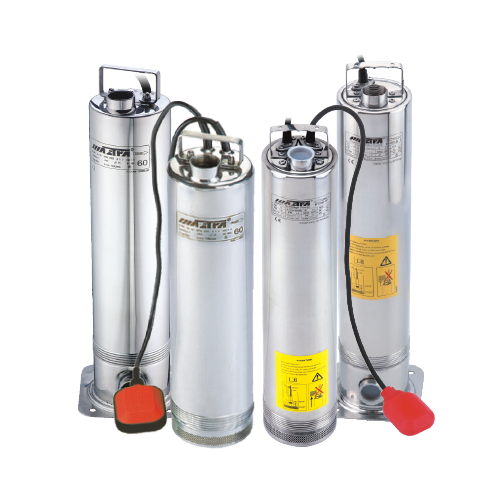
Multi-Stage Centrifugal Pumps
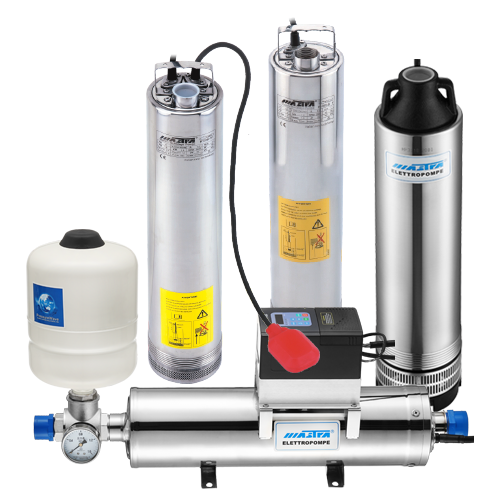
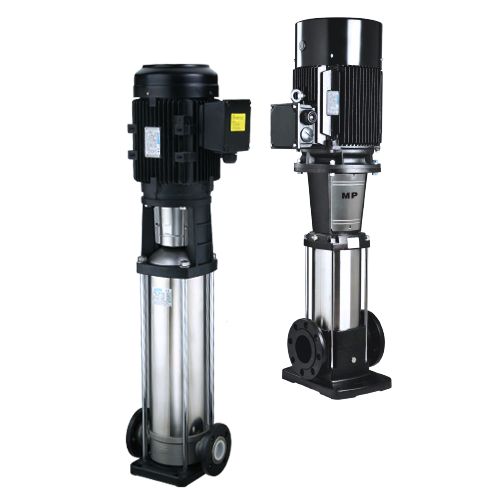
For industrial or agricultural applications requiring high pressure, multi-stage centrifugal pumps are the gold standard. They utilize a series of impellers to incrementally increase pressure, allowing water to travel great distances or heights.

Frequently Asked Questions (FAQ)
To help you get the most out of your water system, here are answers to the most common questions about submersible technology.
Can a submersible pump run dry?
No, most submersible pumps rely on the water they are pumping to cool the motor. If the pump runs dry, the motor can overheat and fail very quickly. Many modern units come with float switches or sensors to shut the pump off automatically if the water level drops too low.
How long do submersible pumps last?
A high-quality submersible pump can last anywhere from 8 to 15 years, depending on the water quality and usage frequency. Sand or sediment in the water can wear down the impellers faster, while clean water applications tend to have longer lifespans.
Is a check valve necessary?
Yes. Since the pump pushes water upward, gravity will try to pull that water back down into the well once the pump turns off. A check valve prevents this backflow, which keeps the system pressurized and prevents the pump from spinning backward (which can damage the motor).
What is the difference between a 50Hz and 60Hz pump?
This refers to the electrical frequency. In North America, the standard is usually 60Hz, while many other parts of the world use 50Hz. It is critical to match the pump's frequency to your local power supply to ensure the motor runs at the correct speed and doesn't burn out. Manufacturers like MASTRA Pump offer specialized models for both 50Hz and 60Hz power grids.
Can I use a submersible pump for solar applications?
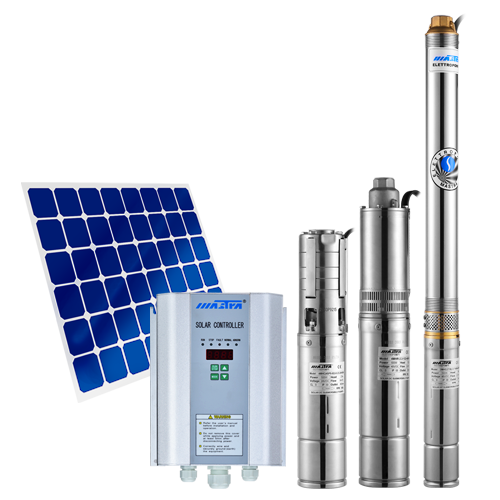
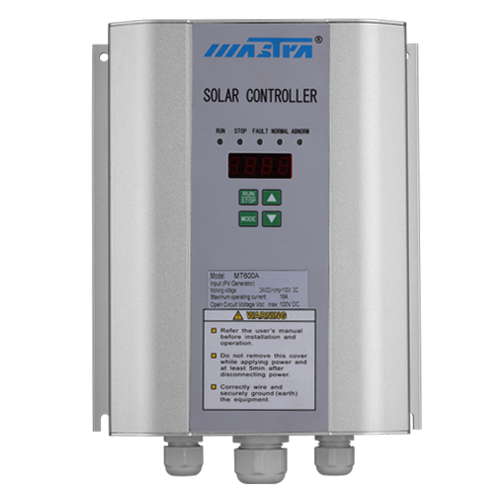
Absolutely. Solar water pump systems are becoming increasingly popular for remote agriculture and livestock watering. These DC-powered pumps connect directly to solar panels and are highly efficient at pushing water without grid electricity.
Making the Right Choice for Your Water Needs
Understanding that a submersible pumppushes water rather than pulling it highlights why these tools are essential for deep water extraction. They offer superior efficiency, reliability, and power compared to their suction-based counterparts.
Whether you need a heavy-duty solution for a deep well or a reliable system for irrigation, selecting the right pump involves looking at the lift height (head), flow rate, and power source.
If you are looking for reliable pumping solutions, explore the wide range of options available at MASTRA Pump. From stainless steel deep well pumps to solar-powered systems, you'll find the engineering expertise needed to keep your water flowing.
submersible water pump
submersible pump manufacturers in china
submersible pump

Get Touch With Us
Contact Info
0086-139 2903 3707
+86 138 2702 0863
No.22, North 3rd Road, Duruan Town, Jiangmen City, Guangdong Province, China
Related Products