
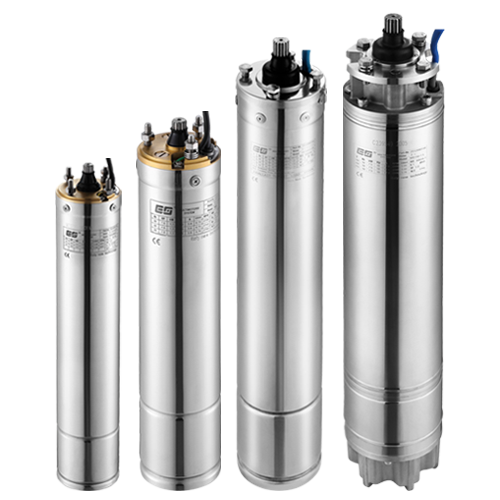
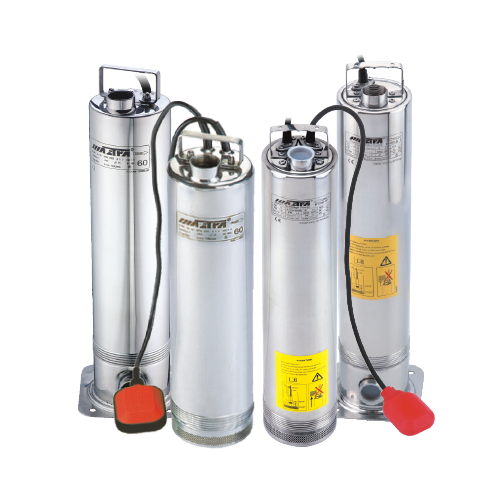
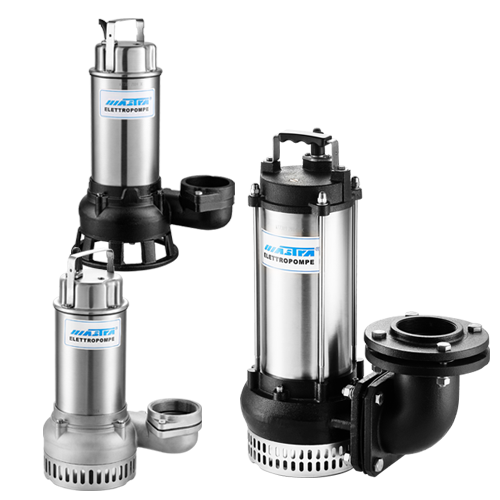




If you rely on well water for your home, farm, or industrial facility, your submersible pump is the unsung hero of your daily operations. It works silently underground, pushing water up to where you need it. But this convenience comes at a cost: electricity. Understanding how much energy your pump consumes is crucial for managing utility bills and making informed decisions about system upgrades or solar alternatives.
Energy costs are rising globally, making efficiency more important than ever. Whether you are installing a new system or auditing an existing one, knowing the electrical appetite of your pump can save you significant money over time. This guide breaks down the factors influencing power consumption, how to calculate your specific usage, and why modern alternatives like solar submersible water pumps are changing the game.
Understanding Submersible Pump Power Ratings
To figure out how much electricity your submersible pump uses, you first need to look at its power rating. This is typically measured in horsepower (HP) or kilowatts (kW).
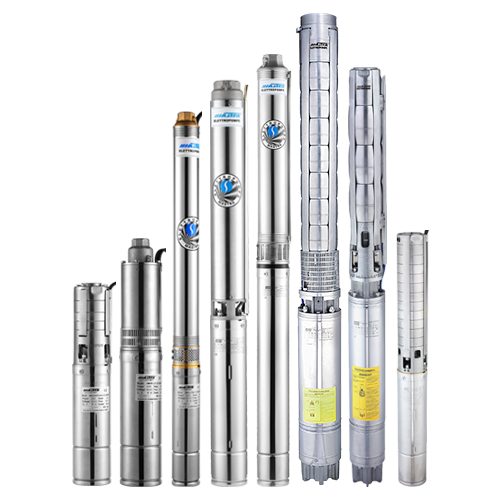
Most residential submersible pumps range from 0.5 HP to 2 HP, while industrial or agricultural pumps can go much higher.
Here is a simple conversion to keep in mind:
1 Horsepower (HP) ≈ 0.746 Kilowatts (kW)
However, this conversion only tells you the output power. The input power—the actual electricity the pump pulls from the grid—is always higher due to motor inefficiency. Electric motors are never 100% efficient. A standard submersible pump might operate at 60-80% efficiency.
Typical Power Consumption Table
Here is a breakdown of estimated energy usage for common pump sizes, assuming an average motor efficiency:
Pump Size (HP) | Estimated Input Power (Watts) | Estimated kWh per Hour of Use |
|---|---|---|
0.5 HP | 600 - 800 W | 0.6 - 0.8 kWh |
1.0 HP | 1,100 - 1,500 W | 1.1 - 1.5 kWh |
1.5 HP | 1,600 - 2,000 W | 1.6 - 2.0 kWh |
2.0 HP | 2,200 - 2,600 W | 2.2 - 2.6 kWh |
5.0 HP | 5,000 - 5,500 W | 5.0 - 5.5 kWh |
Note: These are estimates. Always check the manufacturer's data plate for the specific amperage and voltage to get an exact wattage.
Factors That Influence Electricity Usage
Two neighbors might have the exact same 1 HP submersible pump but see very different electricity bills. Why? Because the pump's power rating is only half the story. The following factors dictate how hard your pump has to work and how long it needs to run.
1. Depth of the Well (Total Dynamic Head)
Gravity is the main adversary of a water pump. The deeper the water lies below the surface, the more energy is required to lift it. This vertical distance is known as the "head." A pump lifting water 200 feet will consume more electricity than one lifting water 50 feet, even if they pump the same volume of water, because the motor faces greater resistance.
2. Pump Efficiency and Age
Like all machinery, pumps experience wear and tear. A brand-new stainless steel pump from a reputable manufacturer like MASTRA Pump will operate near peak efficiency. However, as seals wear down and impellers degrade over years of use, the motor has to work harder to move the same amount of water, drawing more amperage and driving up your electric bill.
3. Water Demand
This is the most obvious factor: the more water you use, the longer the pump runs.
Residential use: Showers, laundry, and dishwashing create intermittent demand.
Irrigation: Large-scale watering requires the pump to run continuously for hours, leading to significantly higher consumption.
Leaks: A leaking check valve or a waterlogged pressure tank can cause the pump to "short cycle" (turn on and off rapidly), which spikes electricity usage drastically.
How to Calculate Your Pump’s Electrical Cost
You don't need a degree in engineering to estimate your running costs. You just need a simple formula and your local electricity rate.
The Formula:
(Pump Watts / 1000) × Hours of Operation × Cost per kWh = Total Cost
Example Scenario:
Let’s say you have a 1 HP submersible pump (consuming approximately 1,500 watts).
You run the pump for 3 hours a day.
Your electricity rate is $0.15 per kWh.
Convert Watts to Kilowatts: 1,500 W / 1000 = 1.5 kW
Calculate Daily Consumption: 1.5 kW × 3 Hours = 4.5 kWh per day
Calculate Daily Cost: 4.5 kWh × $0.15 = $0.675 per day
Calculate Monthly Cost: $0.675 × 30 days = $20.25 per month
By performing this calculation, you can determine if your current setup is economical or if it's time to look for a more efficient solution.
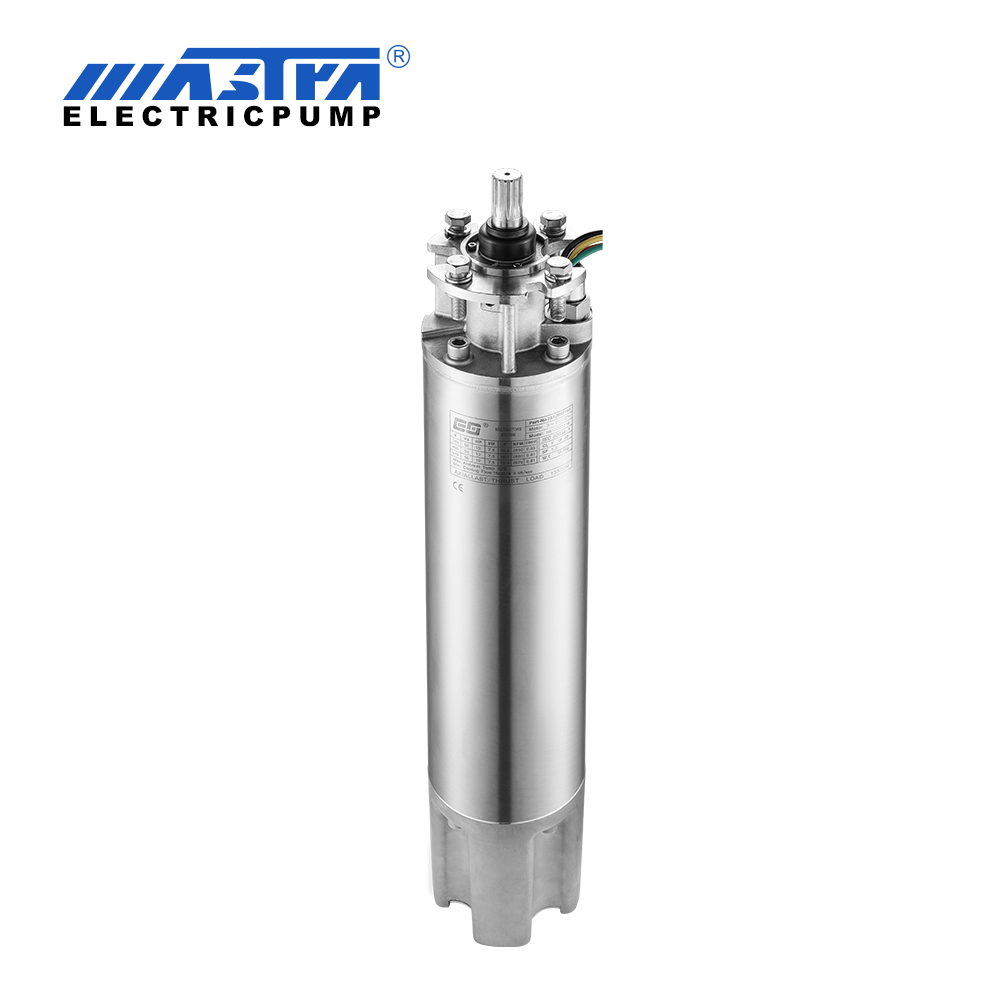
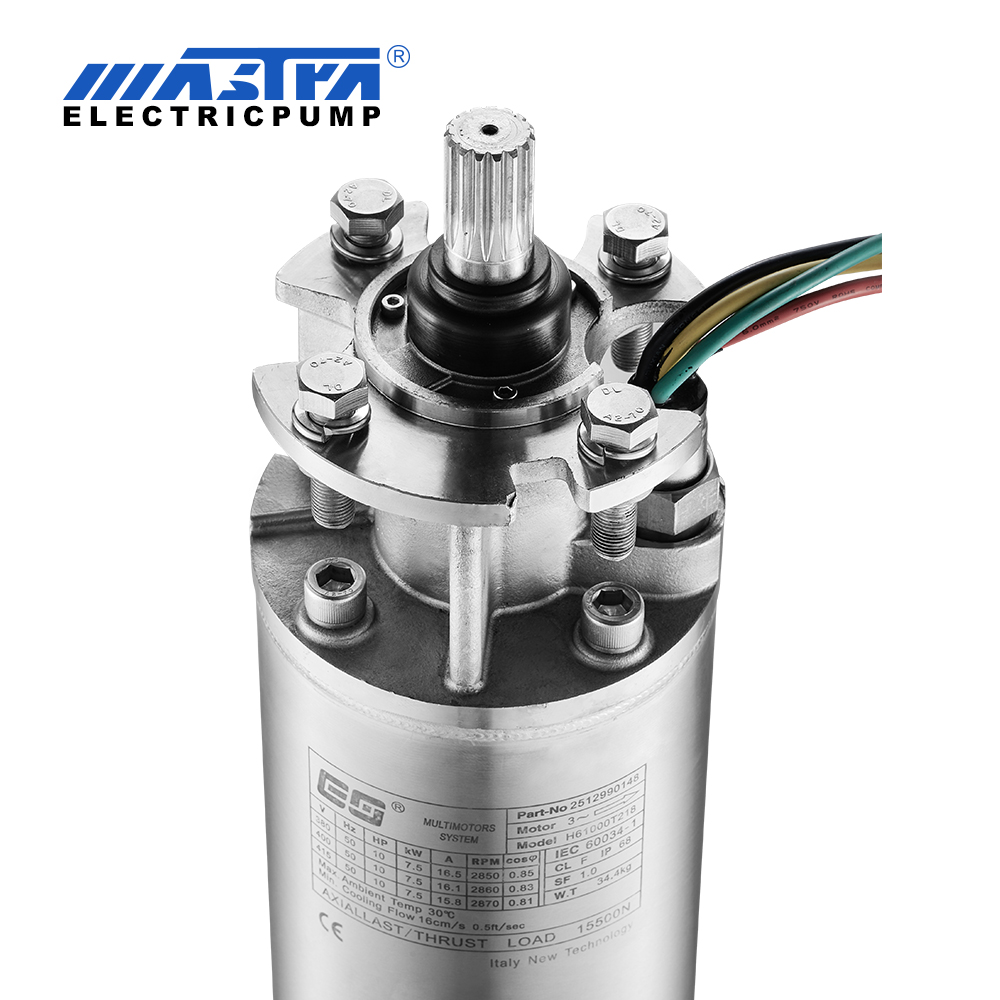
The Solar Advantage: Reducing Electricity Costs to Zero
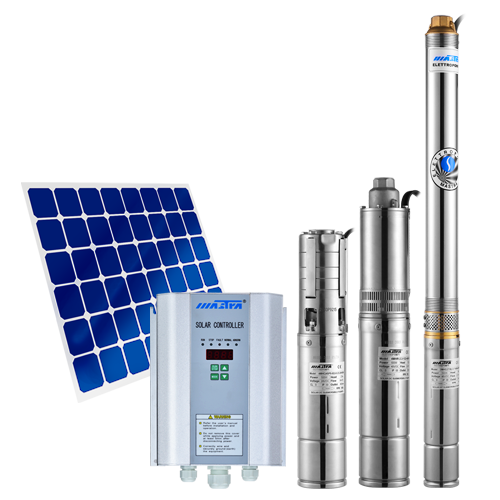
For many users, especially in agriculture or remote locations, the ongoing cost of electricity is a major burden. This has led to a surge in popularity for the solar submersible water pump.
Unlike traditional pumps that rely on grid electricity, solar pumps utilize photovoltaic (PV) panels to power the motor.
Benefits of Solar Submersible Pumps
Zero Operating Costs: Once installed, the energy from the sun is free. There is no monthly utility bill associated with pumping water.
Grid Independence: You are not affected by power outages or fluctuating electricity prices. This is vital for livestock farmers who need a reliable water source regardless of grid status.
Low Maintenance: Modern solar pumping systems often use DC (Direct Current) motors, which are highly efficient and durable.
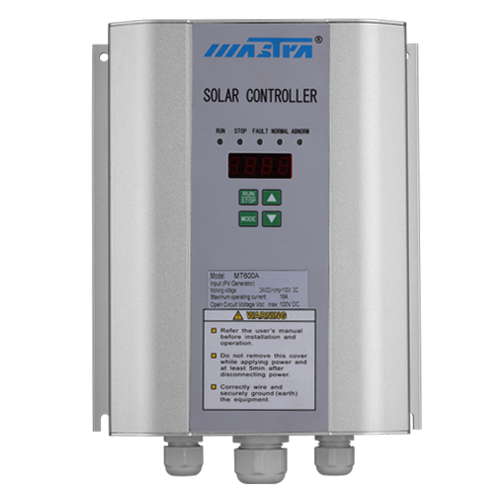
Companies like MASTRA Pump specialize in these systems, offering solar water pump kits that include the pump, controller, and necessary connections. While the upfront investment is higher than a standard AC pump, the return on investment (ROI) is often realized within a few years through energy savings alone.
Tips for Improving Pump Efficiency
If switching to solar isn't an option right now, there are still ways to reduce the electricity usage of your standard submersible pump.
Install a Constant Pressure Valve
Standard systems pump water into a pressure tank until it hits a set limit (e.g., 60 psi) and then shut off. If you use water while the pump is filling the tank, the pump runs longer. Constant pressure controllers vary the speed of the pump motor to match your water demand exactly. This "Variable Frequency Drive" (VFD) technology can reduce energy consumption significantly.
Regular Maintenance
Pulling a pump for maintenance is difficult, but monitoring the surface components is easy. Check your pressure tank regularly to ensure it holds the correct air charge. A waterlogged tank causes the pump to cycle on and off frequently, which uses massive amounts of startup power and shortens the motor's life.
Upgrade to the Correct Size
An oversized pump is a common energy waster. If you have a 2 HP pump where a 1 HP pump would suffice, you are paying for unused capacity every time you turn on the tap. Consulting with pump selection experts can help ensure your equipment matches your specific head and flow requirements.
Making the Smart Choice for Your Water Needs
Water is essential, but paying excessive amounts to move it shouldn't be. Whether you are running a small household well or a large agricultural irrigation system, understanding the electrical consumption of your submersible water pump is the first step toward efficiency.
By calculating your usage and considering factors like well depth and motor efficiency, you can take control of your utility costs. For those looking to eliminate these costs entirely, the transition to a solar submersible water pump offers a sustainable and financially smart future.
If you are unsure which pump size is right for you or want to explore high-efficiency and solar options, visiting a specialist manufacturer like MASTRA Pump can provide you with the technical guidance and reliable hardware needed to optimize your water system.
Submersible Water Pump
Submersible pump
solar submersible water pump


Get Touch With Us
Contact Info
0086-139 2903 3707
+86 138 2702 0863
No.22, North 3rd Road, Duruan Town, Jiangmen City, Guangdong Province, China
Related Products