
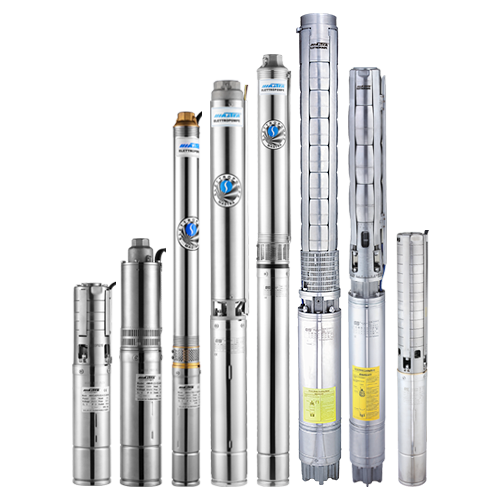
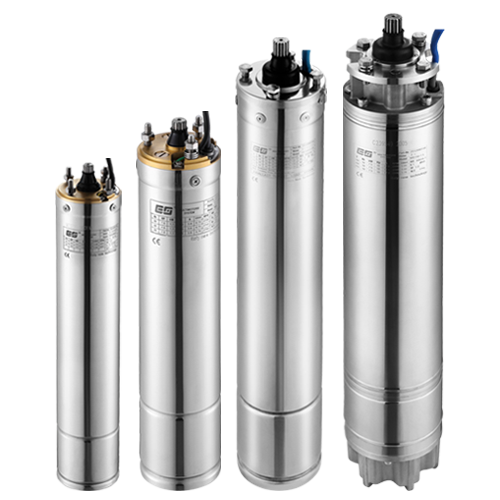
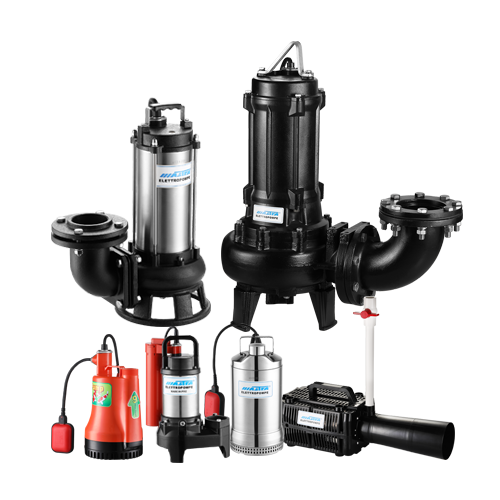
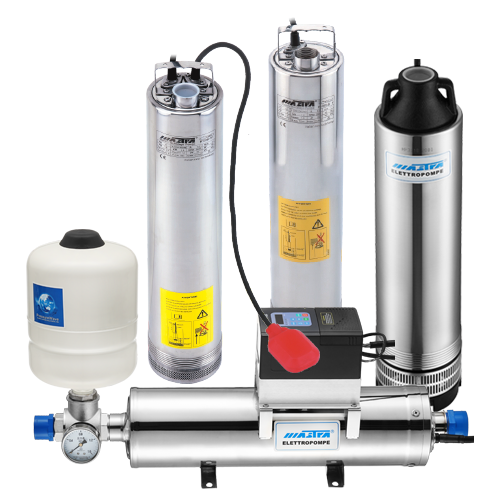
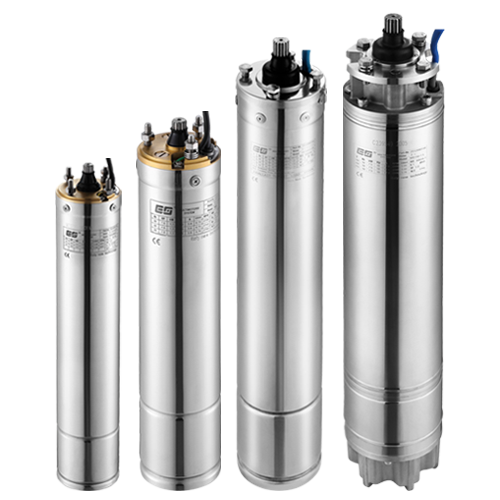
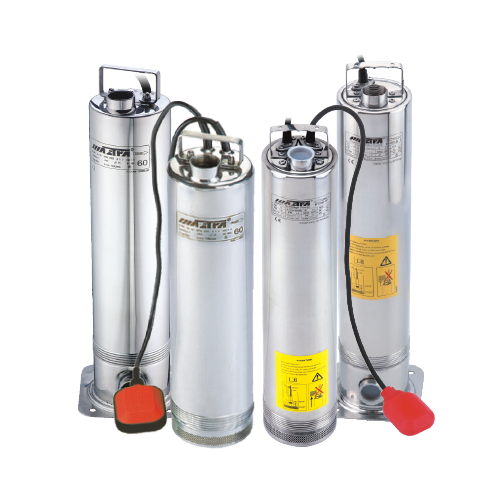
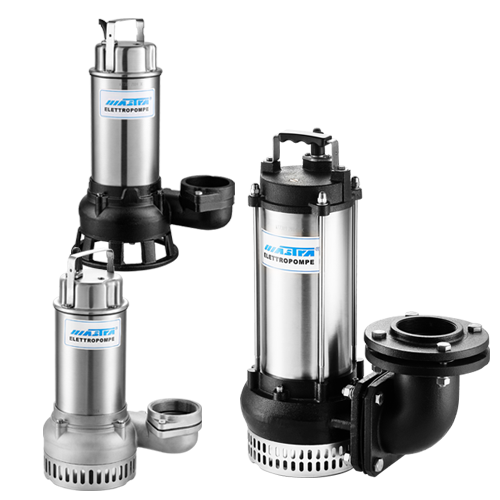




Submersible 12 volt water pumps have become increasingly popular for agricultural irrigation, off-grid water systems, and emergency water supply applications. Their low-voltage design makes them appealing for solar-powered setups and mobile applications, but many users wonder: just how safe are these pumps?
Understanding the safety profile of submersible 12 volt water pumps requires examining their electrical design, construction quality, and proper installation practices. This guide explores the key safety features, potential risks, and best practices for using these versatile pumps.
Understanding Submersible Water Pump Safety Features
Submersible water pumps operate entirely underwater, which creates unique safety considerations compared to surface pumps. The good news is that modern submersible 12 volt water pumps incorporate several safety features specifically designed for underwater operation.
Low Voltage Advantages
The 12-volt design offers inherent safety benefits. Unlike standard 120V or 240V pumps, 12-volt systems pose minimal electrical shock risk to users. This lower voltage makes them particularly suitable for:
Agricultural settings where moisture is prevalent
Residential wells and water features
Marine applications
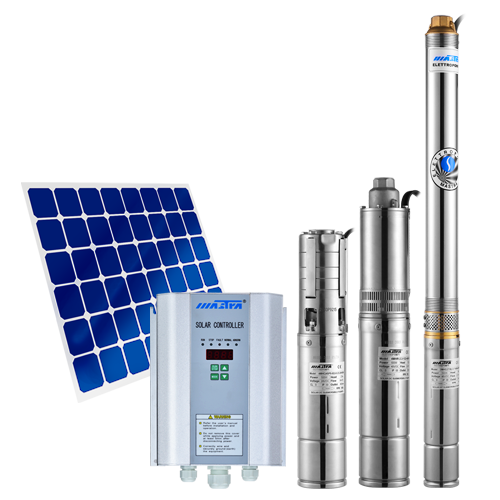
Solar-powered water systems
1
Sealed Motor Construction
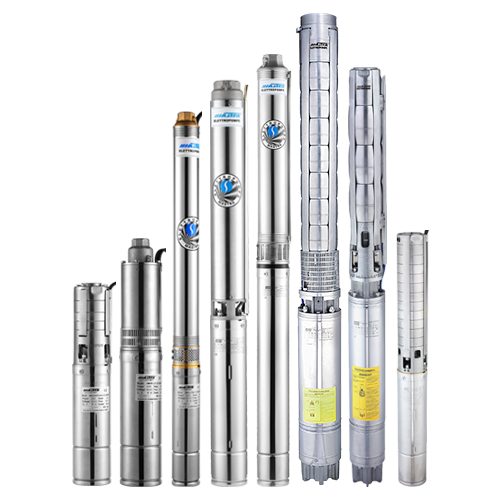
Quality submersible water pump manufacturers design their products with hermetically sealed motors that prevent water from entering electrical components. This sealed construction protects both the pump's internal mechanisms and reduces the risk of electrical hazards. Look for pumps with:
Stainless steel or corrosion-resistant housings
Multiple seal systems
Water-cooled motor designs
IP68 waterproof ratings or higher
1
Key Safety Considerations When Using 12 Volt Submersible Pumps
While submersible 12 volt water pumps are generally safe, proper installation and maintenance remain critical for preventing accidents and ensuring reliable operation.
Electrical Safety Guidelines
Even at 12 volts, proper electrical connections matter. Follow these safety practices:
Use appropriate wiring: Select wire gauge suitable for the pump's current draw and cable length. Undersized wiring can overheat and create fire hazards.
Install proper fusing: Always use fuses or circuit breakers rated for your pump's specifications. This protects against short circuits and overload conditions.
Maintain dry connections: Keep all electrical connections above water level and protect them with weatherproof enclosures. Even low-voltage systems can corrode and fail if exposed to moisture.
Ground your system: Proper grounding provides an additional layer of protection against electrical faults.
Installation Best Practices
Correct installation significantly impacts pump safety and longevity. Submersible water pump manufacturers typically recommend:
Maintain adequate submersion depth: Pumps must remain fully submerged during operation. Running a submersible pump dry can cause overheating and motor failure, potentially creating fire hazards.
Use appropriate suspension methods: Secure the pump with proper cables or chains—never support it by the electrical cable alone. This prevents cable damage and electrical failures.
Install check valves: These prevent backflow and reduce strain on the pump during startup, extending its service life.
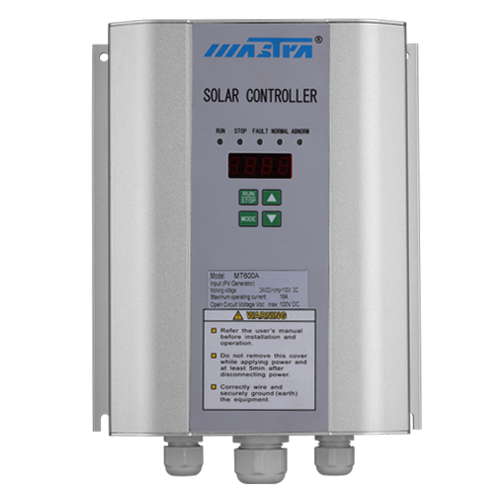
Ensure proper ventilation: While the pump operates underwater, any control equipment or batteries should be in well-ventilated areas to prevent heat buildup.

Comparing Safety Across Different Pump Types
When evaluating safety, it helps to understand how submersible 12 volt water pumps compare to other options.
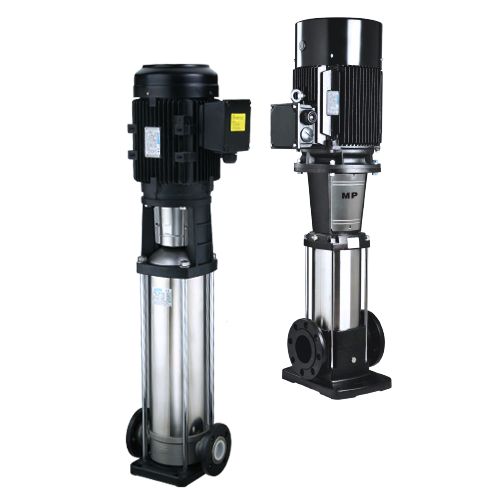
Submersible vs. Surface Pumps
Submersible pumps offer several safety advantages over surface pumps:
Quieter operation reduces noise pollution
No priming required, eliminating dry-run risks
Protected from weather and vandalism
Lower risk of unauthorized access
However, surface pumps provide easier maintenance access and quicker problem detection.
DC vs. AC Submersible Pumps
Traditional AC submersible pumps (120V or 240V) deliver higher power output but present greater electrical shock risks. The 12-volt DC variants prioritize safety through:
Dramatically reduced shock potential
Compatibility with solar panels and batteries
Suitability for off-grid applications
Lower electromagnetic interference
1
Quality Matters: Choosing Safe Submersible Pumps
Not all submersible 12 volt water pumps offer the same safety standards. When selecting a pump, prioritize products from reputable submersible water pump manufacturers who:
Provide detailed safety certifications
Use high-quality stainless steel or corrosion-resistant materials
Offer comprehensive installation instructions
Include built-in thermal protection
Provide adequate warranty coverage
Companies like MASTRA Pump, which specialize in submersible pump manufacturing, invest heavily in safety testing and quality control. Their products typically feature multiple safety mechanisms and undergo rigorous quality assurance processes.
Common Safety Hazards and How to Avoid Them
Even well-designed pumps can pose risks if improperly used or maintained. Be aware of these potential hazards:
Electrical Hazards
Cable damage: Inspect cables regularly for cuts, abrasions, or deterioration. Replace damaged cables immediately rather than attempting repairs.
Improper voltage: Ensure your power source matches the pump's voltage requirements. Using incorrect voltage can damage the pump and create safety risks.
Moisture in connections: Regularly check connection points for signs of moisture intrusion or corrosion.
Mechanical Hazards
Debris ingestion: Install appropriate filters or screens to prevent debris from entering the pump. Foreign objects can damage impellers and cause mechanical failures.
Overheating: Even water-cooled pumps can overheat if run continuously beyond their duty cycle. Follow manufacturer guidelines for operating cycles.
Freezing conditions: In cold climates, protect pumps from freezing, which can crack housings and damage seals.
Maintenance for Safe Operation
Regular maintenance keeps submersible 12 volt water pumps operating safely and efficiently.
Inspection Schedule
Create a maintenance routine that includes:
Monthly checks: Verify proper operation, check for unusual noises or vibrations, and inspect visible components for damage.
Quarterly maintenance: Clean intake screens, test electrical connections, and verify proper grounding.
Annual service: Conduct comprehensive inspections, including seal integrity, cable condition, and motor performance.
Warning Signs
Stop using your pump immediately if you notice:
Unusual vibrations or noises
Reduced water flow
Electrical tripping or fluctuations
Visible damage to cables or housing
Water leaks around cable entries
Burning smells or discolored components
1
Making the Right Choice for Your Application
Submersible 12 volt water pumps offer excellent safety characteristics when properly selected, installed, and maintained. Their low-voltage design makes them significantly safer than higher-voltage alternatives for most residential and agricultural applications.
When choosing a pump, research submersible water pump manufacturers carefully. Look for companies with proven track records, comprehensive product documentation, and responsive customer support. Quality manufacturers provide detailed safety information and installation guidelines to help users maximize both performance and safety.
For anyone considering a submersible water pump system, the 12-volt option represents one of the safest choices available. Combined with proper installation practices and regular maintenance, these pumps deliver reliable, safe water movement for years to come.
submersible water pump
submersible water pump manufacturers
submersible 12 volt water pumps


Get Touch With Us
Contact Info
0086-139 2903 3707
+86 138 2702 0863
No.22, North 3rd Road, Duruan Town, Jiangmen City, Guangdong Province, China
Related Products