
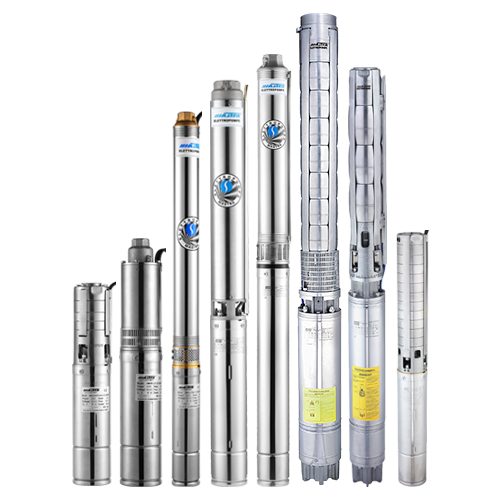




Air pockets trapped inside a submersible water pump can cause serious performance issues. Your pump might lose pressure, make unusual noises, or stop working altogether. Learning to bleed air from your submersible water pump is an essential maintenance skill that can save you time, money, and frustration.
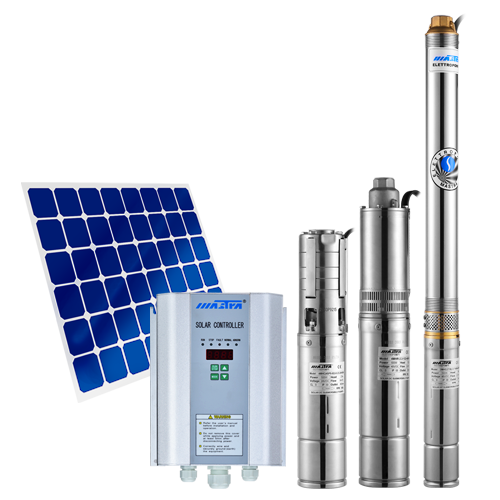
Whether you're working with a standard submersible pump or a solar powered submersible water pump, air trapped in the system reduces efficiency and can potentially damage the pump if left unaddressed. This guide walks you through the process of identifying, removing, and preventing air locks in your submersible water pump system.
Understanding Air Lock in Submersible Pumps
Air lock occurs when air becomes trapped in your pump's impeller housing or discharge line, creating a pocket that prevents water from flowing properly. This happens more frequently during initial installation, after maintenance work, or when the water level drops below the pump intake.
When air enters the system, it compresses under pressure instead of moving through like water would. This compression creates a barrier that blocks water flow, resulting in reduced performance or complete pump failure.
Common signs of air lock include:
Reduced water pressure or flow rate
Sputtering or intermittent water delivery
Unusual gurgling or knocking sounds
The pump running but not delivering water
Excessive vibration during operation
1
Tools and Materials You'll Need
Before starting the bleeding process, gather these items:
Adjustable wrench or appropriate socket set
Bucket or container for water drainage
Garden hose (if using external bleeding method)
Teflon tape for resealing connections
Safety gloves and eye protection
Flashlight for inspecting connections
Clean cloth or towel
1
Step-by-Step Guide to Bleeding Air
Step 1: Turn Off the Power
Safety comes first. Shut off the power supply to your submersible pump at the circuit breaker or disconnect switch. For solar submersible pump systems, disconnect the solar panels or turn off the controller. Wait at least five minutes to ensure any stored electrical charge dissipates.
Never attempt to work on a pump while it's receiving power, as this presents serious electrocution risks.
Step 2: Locate the Bleeding Points
Most submersible water pumps have designated air release points. Check your pump's manual to identify these locations. Common bleeding points include:
Air release valves on the pump housing
The discharge pipe connection at the wellhead
Pressure relief valves in the system
Drain plugs on the pump body
If your pump doesn't have a dedicated air release valve, you'll need to slightly loosen the discharge pipe connection to allow air to escape.
Step 3: Open the Air Release Valve
If your pump has an air release valve, slowly open it by turning counterclockwise. You'll hear a hissing sound as trapped air escapes. Keep the valve open until water begins to flow steadily without air bubbles.
For pumps without a dedicated valve, carefully loosen the discharge pipe connection by one or two turns. Don't remove it completely—you only need enough space for air to escape.
Step 4: Fill the System with Water
While the air release point is open, you need to introduce water into the system. The most effective method depends on your setup:
For accessible installations: Pour water directly into the discharge pipe using a funnel until it flows back out, pushing air ahead of it.
For deep well installations: You may need to use the pump's priming mechanism or a hand pump to force water through the system.
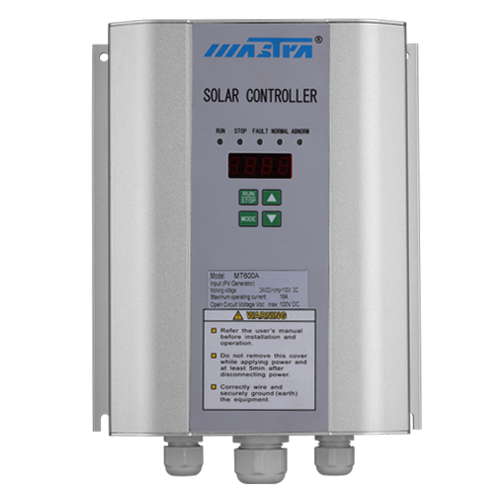
For solar powered submersible water pump systems: Ensure your solar controller is functioning properly and can provide adequate power to prime the pump once air is removed.
Step 5: Restart and Monitor
Once water flows steadily without air bubbles, close the air release valve or retighten the discharge connection. Apply Teflon tape to threaded connections before sealing to prevent future leaks.
Restore power to the pump and let it run for several minutes. Monitor the discharge for consistent flow without sputtering. Check all connections for leaks and tighten if necessary.

Preventing Future Air Lock Issues
Prevention is always easier than correction. Here are strategies to minimize air lock problems:
Maintain proper water levels: Ensure your pump remains fully submerged below the minimum water level. For solar submersible pump installations, consider adding a float switch that shuts off the pump if water levels drop too low.
Install check valves: A check valve in the discharge line prevents water from draining back down when the pump stops, which helps maintain prime and prevents air from entering the system.
Regular inspection: Check your pump and connections periodically for wear, cracks, or damage that could allow air infiltration.
Proper installation depth: Install your submersible pump at the manufacturer's recommended depth to ensure adequate water coverage even during seasonal variations.
Use quality components: Invest in reliable fittings, seals, and gaskets. Cheap components can develop leaks that introduce air into your system.
Troubleshooting Persistent Air Lock
If air continues to enter your system despite bleeding, investigate these potential causes:
Damaged seals or gaskets: Worn seals around the pump housing or pipe connections can allow air infiltration. Inspect and replace any deteriorated components.
Cracked discharge pipe: Check the entire length of discharge piping for hairline cracks, especially at connection points and where the pipe exits the well casing.
Insufficient submersion: The pump intake may be drawing in air if water levels fluctuate. Consider lowering the pump installation depth or reducing pumping rates during low-water periods.
Faulty foot valve: If equipped with a foot valve, ensure it's closing properly to prevent water from draining back down and air from entering.
Special Considerations for Solar Pumps
Solar powered submersible water pumps have unique considerations when bleeding air. The variable power output from solar panels can make priming more challenging, especially during cloudy conditions or early morning hours.
For optimal results when bleeding a solar submersible pump:
Perform the procedure during peak sunlight hours when maximum power is available
Ensure solar panels are clean and properly angled
Check that the solar controller settings match your pump's requirements
Consider installing a battery backup system to maintain consistent priming power
1
When to Call a Professional
While bleeding air from a submersible water pump is usually straightforward, certain situations require professional expertise:
Repeated air lock issues despite proper bleeding
Visible damage to the pump or discharge system
Electrical problems with the pump motor or controller
Inability to access the pump for maintenance
Uncertainty about proper bleeding procedures for your specific system
Professional pump technicians have specialized tools and experience to diagnose complex issues that may not be immediately apparent.
Maintaining Your Submersible Pump System
Regular maintenance extends your pump's lifespan and reduces the likelihood of air lock issues. Create a maintenance schedule that includes:
Monthly checks: Verify consistent water pressure and flow, listen for unusual sounds, and inspect visible components for wear or damage.
Quarterly inspections: Test electrical connections, examine exposed piping, and clean any accessible filters or screens.
Annual service: Consider professional inspection of the pump itself, including checking the impeller, seals, and motor performance.
For reliable submersible water pumps and solar submersible pump systems, quality matters. Companies like MASTRA Pump specialize in manufacturing high-performance submersible pumps designed for durability and ease of maintenance.
Keep Your Water Flowing
Bleeding air from your submersible water pump doesn't have to be complicated. With the right approach and regular maintenance, you can keep your water system operating efficiently for years to come. Remember to prioritize safety, follow manufacturer guidelines, and don't hesitate to seek professional help when needed.
Whether you're maintaining a residential well system or managing a solar powered submersible water pump for irrigation, understanding how to remove air locks gives you greater control over your water supply. Take the time to properly bleed your pump, implement preventive measures, and enjoy consistent water delivery when you need it most.
submersible water pump
solar powered submersible water pump
solar submersible pump


Get Touch With Us
Contact Info
0086-139 2903 3707
+86 138 2702 0863
No.22, North 3rd Road, Duruan Town, Jiangmen City, Guangdong Province, China
Related Products