




Installing a water system requires careful planning and high-quality equipment. When a pump fails deep underground or submerged in wastewater, retrieving and replacing it costs significant time and money. You need equipment built to last. The secret to a long-lasting water system often comes down to one critical factor: the material of the pump itself.
Water naturally breaks down many materials over time. Depending on the environment, your equipment might face corrosive chemicals, abrasive sand, or heavy waste. Selecting the right construction material prevents premature failure. It ensures your equipment runs efficiently for years without requiring constant maintenance or replacement.
Many buyers struggle to decide between cast iron, plastic, and metal options. Each material serves a specific purpose, but one consistently stands out for demanding applications. By understanding how different materials react to submerged environments, you can make a smart, cost-effective decision for your agricultural, industrial, or residential needs.
Why pump materials matter
Submersible equipment operates in uniquely difficult conditions. Unlike surface models, these devices sit entirely underwater. They push fluid upwards, which requires significant pressure and strong internal components.
Handling harsh environments
The fluid you need to move dictates your material requirements. Pure drinking water requires food-grade, non-toxic materials. Agricultural irrigation might involve water mixed with fertilizers or mild abrasive particles like sand. Industrial and municipal applications often deal with highly acidic or basic fluids. If you use a basic plastic or cheap metal casing in a corrosive environment, the casing will degrade, exposing the internal motor to liquid and causing immediate electrical failure.
The top contender: Stainless steel
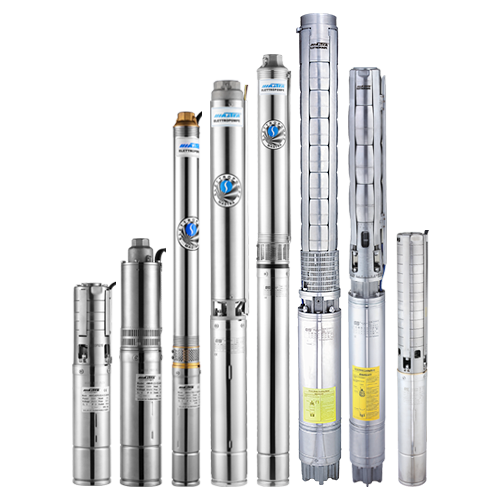
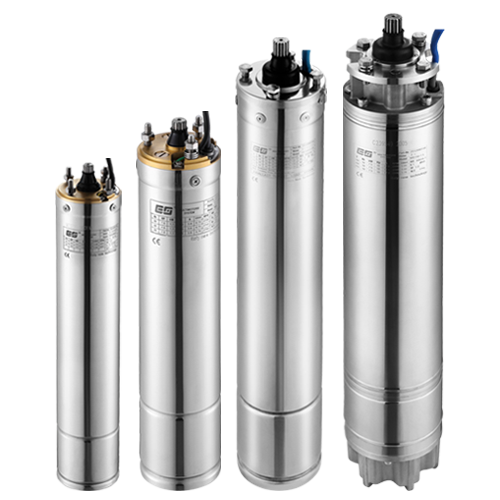
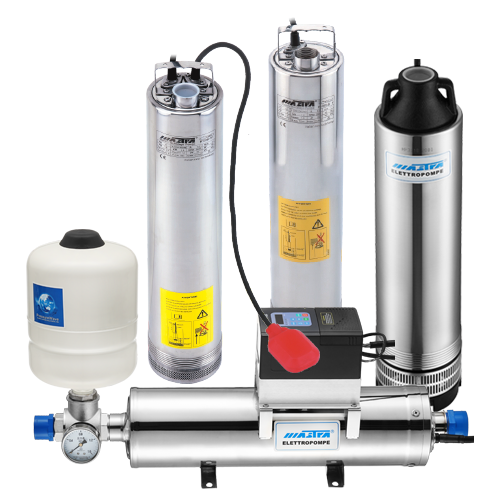
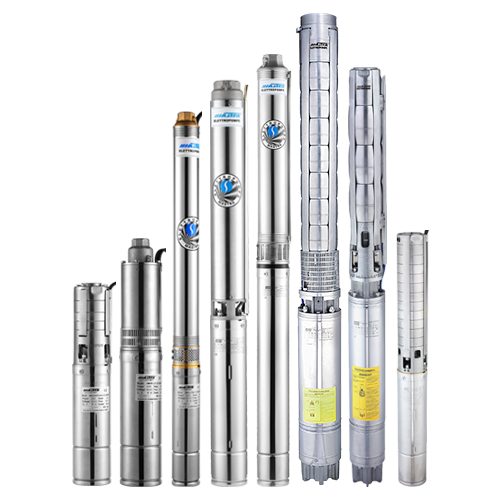
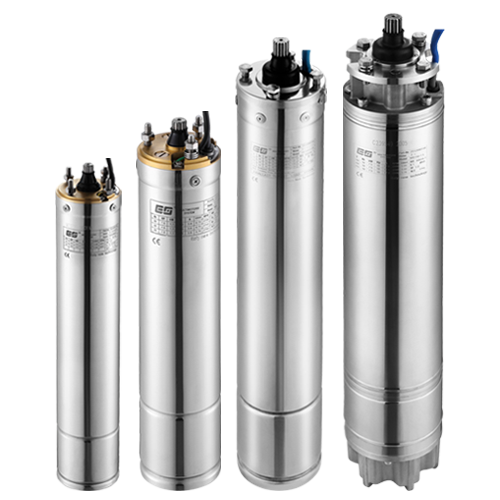
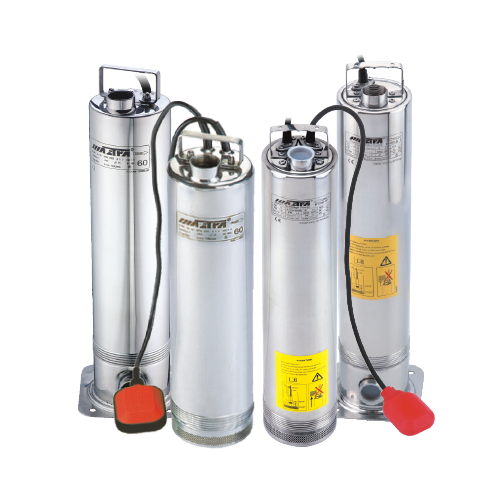
For most high-demand scenarios, a stainless steel submersible pump provides the most reliable performance. This metal alloy contains chromium, which forms a thin, invisible layer on the surface. This layer protects the metal underneath from water and oxygen.
Unmatched corrosion resistance
Rust destroys machinery quickly. When you place standard steel or poor-quality iron in water, oxidation begins almost immediately. Stainless steel resists this oxidation process. This makes it highly suitable for deep wells where the equipment remains submerged for a decade or more. It also handles varying pH levels much better than other metals.
Durability and long lifespan
Beyond resisting rust, stainless steel offers incredible physical strength. It can withstand the high pressure of deep water columns. If the fluid contains small amounts of sand or grit, the hard surface of the metal resists wearing down. This durability translates directly to cost savings. You will spend less money pulling the equipment up for repairs and replacing worn-out parts.

Comparing common pump materials
While stainless steel offers premium performance, it helps to understand how it compares to other common options on the market.
Cast iron vs. stainless steel
Cast iron is heavily used in the pumping industry. It is very heavy, incredibly strong, and typically less expensive to manufacture than stainless alloys. Cast iron works exceptionally well for heavy-duty applications where weight is not an issue. However, cast iron will rust over time unless heavily coated. In highly corrosive environments, a stainless steel model will easily outlast a cast iron equivalent.
Plastic and thermoplastic options
Thermoplastics are lightweight, entirely rust-proof, and very affordable. You will often see plastic used for small sump models or light residential duty. The main drawback of plastic is its physical strength. It cannot handle the extreme pressure of a deep well, nor can it survive heavy impacts. Plastics also degrade if exposed to certain harsh chemicals or high temperatures.
Specialized applications for stainless steel
Certain jobs simply demand the best materials available. When failure is not an option, project managers consistently turn to stainless alloys.
Tackling wastewater with a stainless steel submersible sewage pump
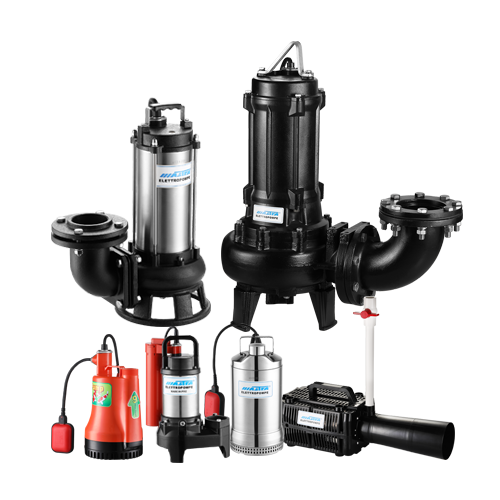
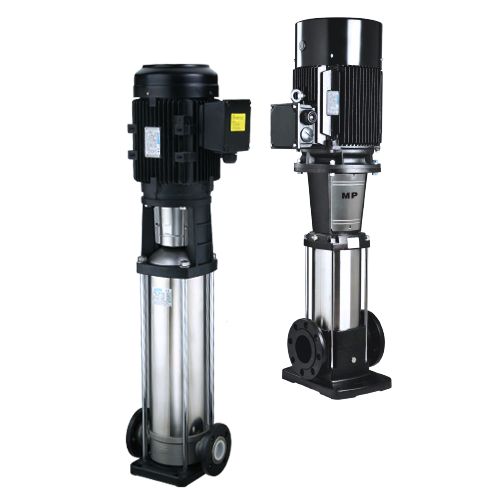
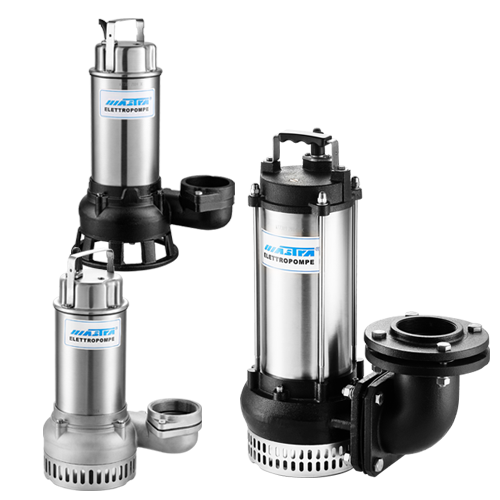
Moving sewage and wastewater presents a massive challenge. The fluid is highly corrosive, contains solid waste, and constantly fluctuates in chemical composition. A stainless steel submersible sewage pump handles these toxic environments with ease. The smooth surface of the metal prevents waste buildup, while the chemical resistance ensures the motor housing remains intact. This keeps municipal and industrial waste systems running smoothly without dangerous and costly leaks.
Finding the right supplier
Even the best materials require expert engineering to function properly. The way the metal is cast, welded, and assembled plays a huge role in the final product's reliability.
Working with trusted stainless steel submersible pump manufacturers
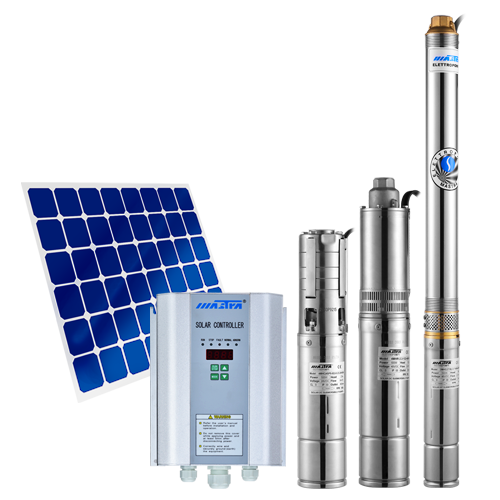
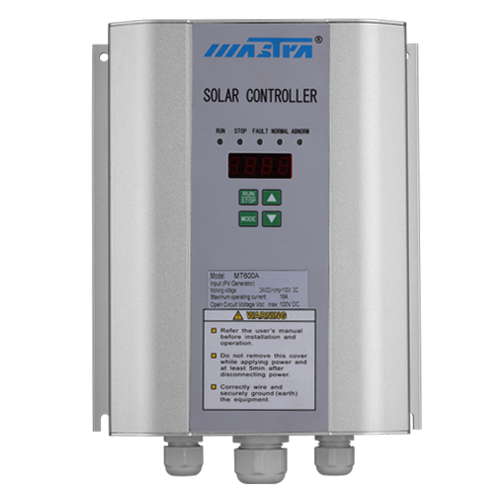
Partnering with experienced stainless steel submersible pump manufacturers ensures you receive a product tested for strict quality standards. Companies like Guangdong Ruirong Pump Industry Co., Ltd. (MASTRA PUMP) have spent decades perfecting their manufacturing processes. With extensive production experience and numerous national patents, a reliable manufacturer provides equipment that truly leverages the benefits of stainless steel. They offer a wide range of products, from agricultural solar pumps to heavy-duty sewage handlers, ensuring you get the exact specifications you need.
Making the right investment for your water system
Selecting the right equipment requires balancing initial costs with long-term reliability. While cheaper materials might save you a few dollars today, they often lead to expensive emergency replacements down the road. Investing in high-quality materials protects your entire water system.
By choosing a stainless steel model, you guarantee excellent corrosion resistance, physical durability, and reliable performance. Whether you are irrigating a massive farm, supplying drinking water from a deep well, or managing harsh wastewater, stainless steel delivers the results you need. Reach out to a trusted manufacturer today to find the perfect equipment for your next project.
stainless steel submersible pump manufacturers
stainless steel submersible pump
Stainless Steel Submersible Sewage Pump


Get Touch With Us
Contact Info
0086-139 2903 3707
+86 138 2702 0863
No.22, North 3rd Road, Duruan Town, Jiangmen City, Guangdong Province, China
Related Products