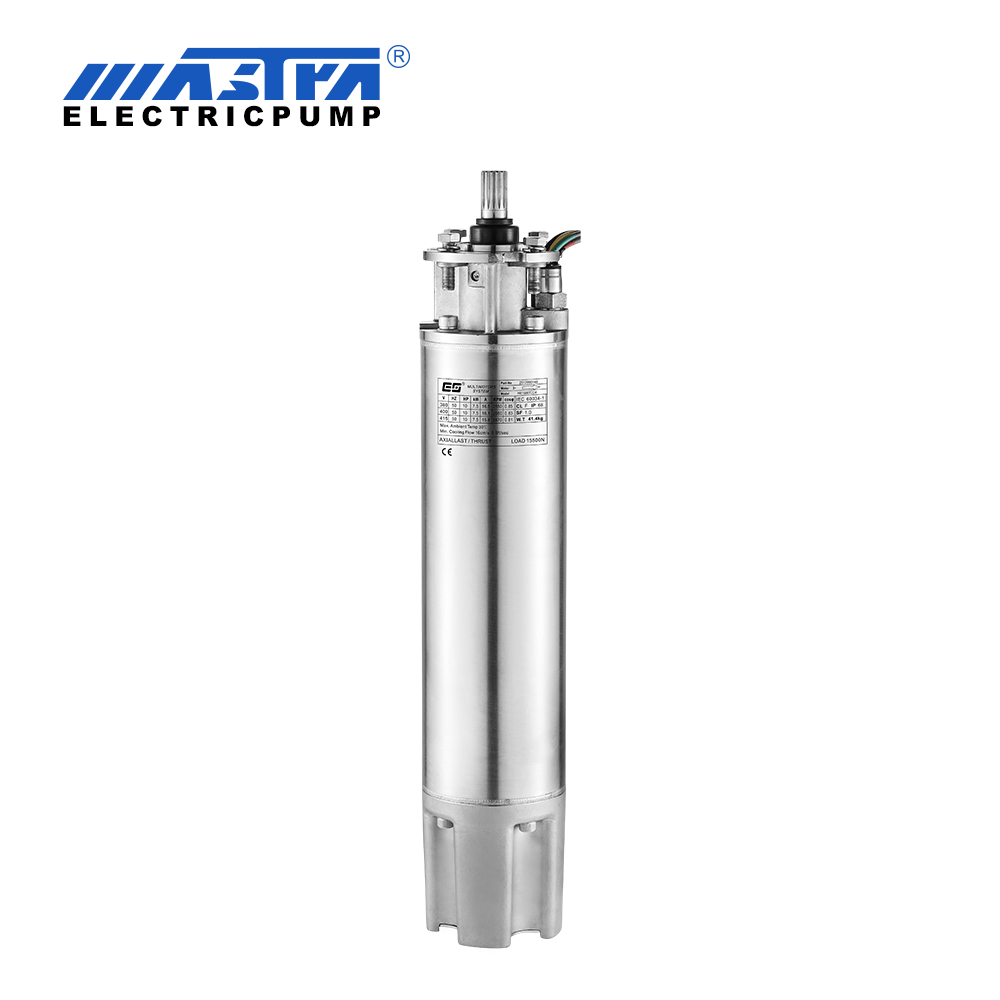
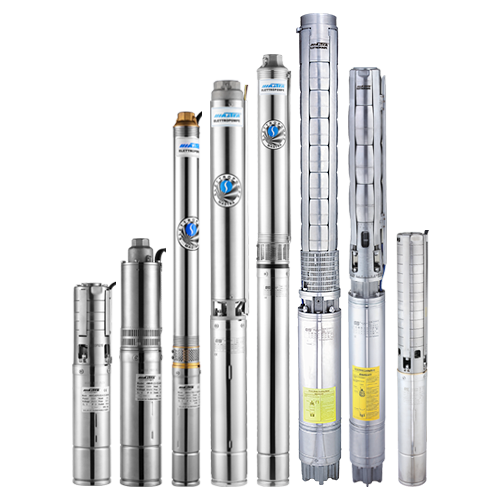
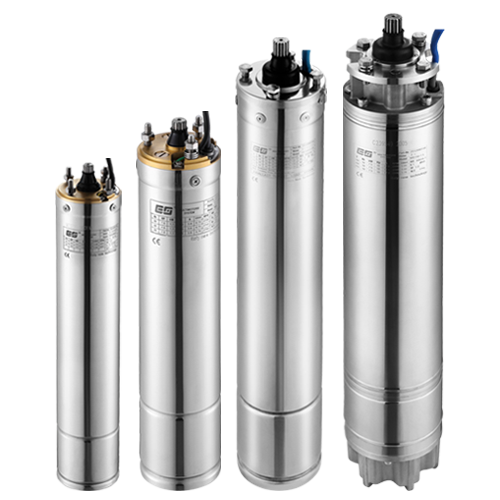
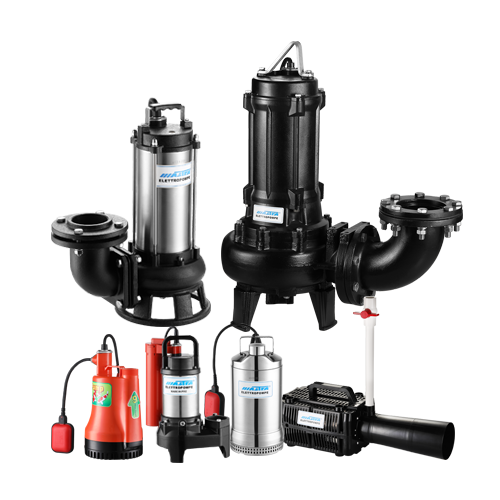
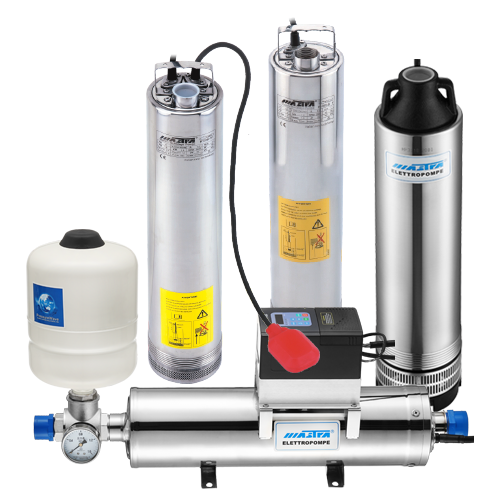
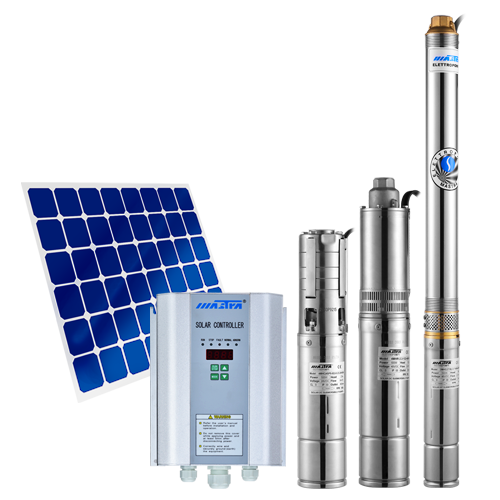
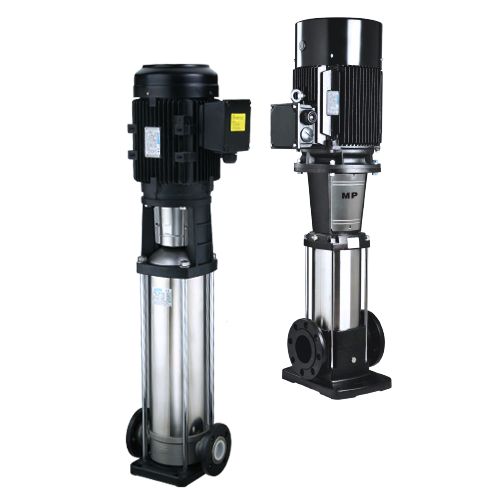
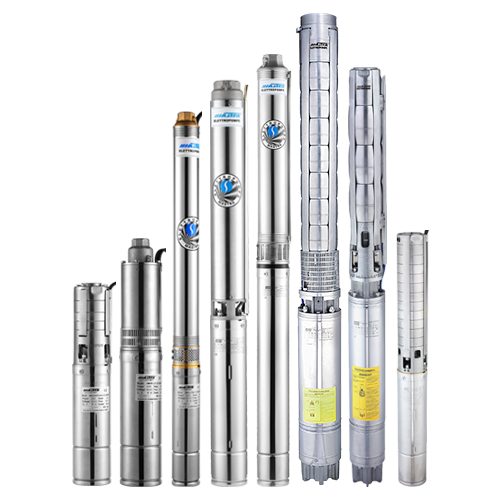
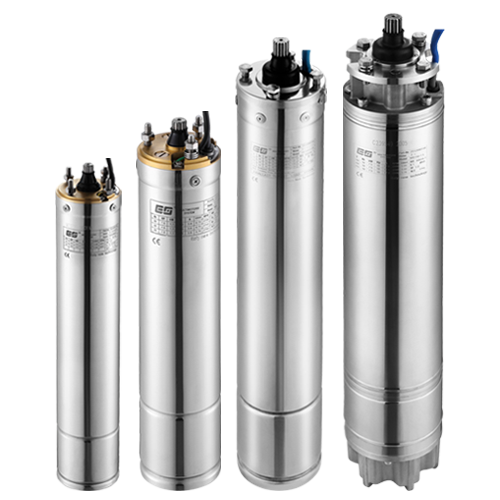
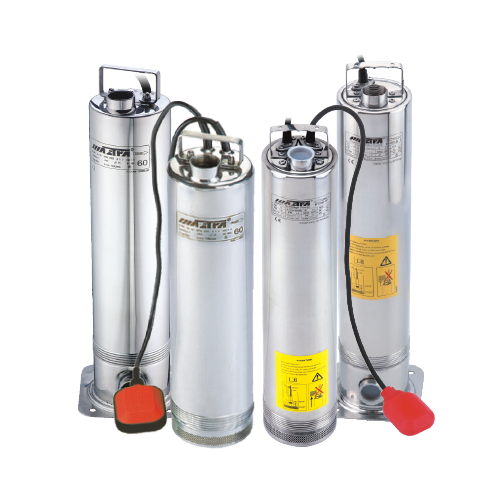
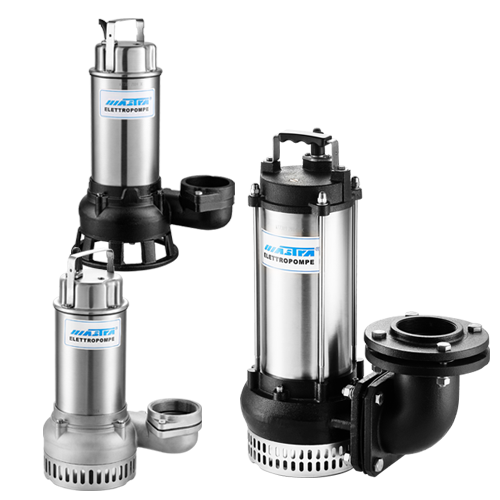




Access to a reliable water supply depends heavily on the equipment you install underground. When you rely on a borewell for agricultural irrigation, industrial processes, or daily residential water, the motor powering your pump acts as the heart of the entire system. Selecting the right borewell submersible motor dictates how efficiently and consistently water flows to the surface.
Making the wrong choice can lead to frequent breakdowns, high electricity bills, and costly replacements. With so many options on the market, understanding the technical specifications and build qualities of these devices is essential. This guide will walk you through the core differences in motor types, the key features you should prioritize, and how to match a motor to your specific well conditions. By the end, you will have the knowledge needed to make a smart, long-lasting investment.
Understanding the Submersible Motor
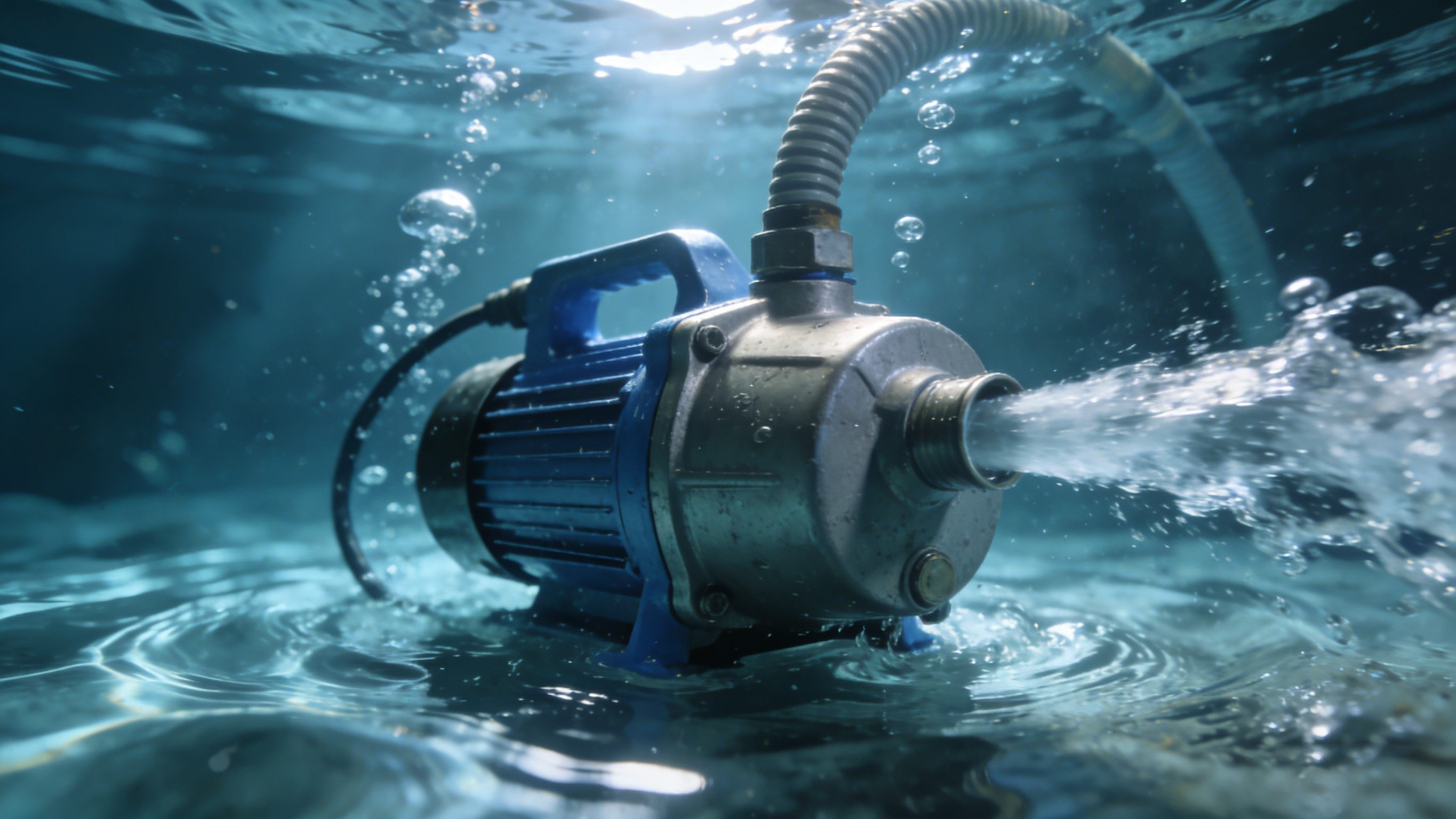
A submersible motor is a specialized electrical motor designed to operate completely submerged in water. It connects directly to a pump mechanism, pushing water up through the pipes rather than pulling it from the surface. This pushing action is highly efficient, preventing issues like pump cavitation and reducing the energy required to move water over long distances.
Because these motors operate hundreds of feet underground, they must withstand immense pressure, resist corrosion, and manage their own heat generation effectively. Deep well submersible pump motors are engineered specifically for these harsh environments. They are completely sealed to prevent water ingress into the electrical components, ensuring safe and continuous operation.
Key Factors in Choosing Deep Well Submersible Pump Motors
Finding the best motor requires matching the equipment's capabilities with your well's unique characteristics. Here are the primary factors you need to evaluate.
Motor Cooling Types: Water-Filled vs. Oil-Filled
Heat dissipation is a critical challenge for any electrical device operating continuously. Manufacturers generally offer two main cooling designs for deep well submersible pump motors.
Water-filled motors use a special mixture of water and anti-freeze to lubricate the bearings and cool the internal windings. These motors are environmentally friendly because they pose zero risk of groundwater contamination if a leak occurs. They are highly popular for drinking water applications.
Oil-filled motors use highly refined, non-toxic dielectric oil for cooling and lubrication. The oil provides excellent thermal conductivity, meaning these motors often handle temperature fluctuations better and have a very long lifespan. They are highly efficient but require strict manufacturing seals to ensure the oil never escapes into the borewell.
Construction Materials
The durability of a borewell submersible motor depends largely on the materials used to build it. Borewell water often contains minerals, salts, and sometimes sand, all of which can corrode or wear down inferior metals.
Look for motors constructed primarily from high-grade stainless steel. Stainless steel casings resist rust and corrosion better than cast iron or standard steel. Furthermore, check that the motor uses heavy-duty thrust bearings. These bearings handle the massive downward force generated by the pump as it pushes water upward, preventing premature mechanical failure.
Single-Phase vs. Three-Phase Power
Your available electrical supply will dictate the phase of the motor you can install.
Single-phase motors are typical for residential applications and smaller agricultural setups. They run on standard household electrical grids and usually require a control box containing starting capacitors.
Three-phase motors are built for heavy-duty industrial and large-scale farming operations. They provide higher efficiency, smoother operation, and greater starting torque. If your property has three-phase power available, utilizing a three-phase motor is almost always the better choice for high-volume pumping.

Sizing Your Borewell Submersible Motor
A motor that is too small will burn out trying to meet your water demands. A motor that is too large will waste electricity and increase your operational costs. Sizing your motor correctly involves understanding two main concepts: flow rate and total dynamic head.
Calculating Total Dynamic Head
Total dynamic head refers to the total resistance the pump must overcome to move water to its final destination. This includes the vertical distance from the water level in the borewell to the surface, the horizontal distance the water travels in pipes, and the friction loss caused by the pipe walls and valves. You must choose a motor with enough horsepower (HP) to drive the pump against this total head pressure.
Matching Flow Rate Demands
Flow rate is the volume of water the system delivers per minute or hour. Agricultural irrigation systems usually require high flow rates, meaning you will need a higher-horsepower motor paired with a large pump end. Residential homes need lower flow rates but still require a motor strong enough to lift the water from deep underground. Always consult a pump curve chart to ensure the motor and pump combination meets your specific flow rate and head requirements.
The Role of Quality Manufacturing
Even the best specifications mean very little if the manufacturing quality is poor. Sourcing your equipment from a reputable company ensures the motor will perform exactly as advertised.
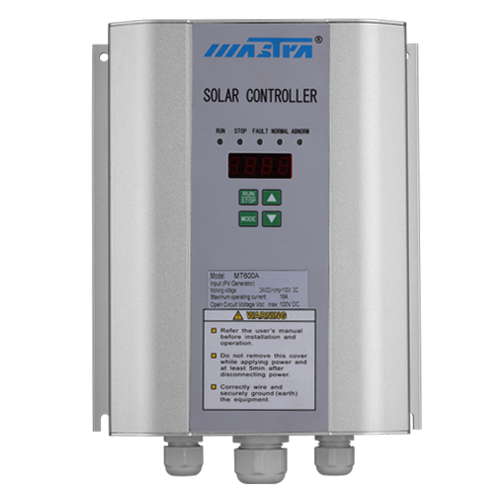
Companies like MASTRA PUMP, manufactured by Guangdong Ruirong Pump Industry Co., Ltd., represent a strong standard in this industry. With extensive production experience and numerous national patents, they produce highly reliable deep well submersible pump motors designed for 50Hz and 60Hz power grids. Investing in equipment from established manufacturers guarantees access to better warranties, consistent customer support, and parts built to strict quality control standards. Quality manufacturers also innovate continually, offering solar-compatible motors and advanced control systems that further reduce running costs.
Make the Right Choice for Your Water System
Selecting the ideal borewell submersible motor requires balancing your water needs, electrical availability, and the physical conditions of your well. Focus on high-quality stainless steel construction, choose the appropriate cooling mechanism, and accurately calculate your total dynamic head before making a final decision.
To take the next step, consult with a certified well technician or review the technical catalogs from trusted manufacturers. Accurate calculations and professional advice will ensure your new motor provides a steady, trouble-free water supply for years to come.
borewell submersible motor
deep well submersible pump motors
submersible motor


Get Touch With Us
Contact Info
0086-139 2903 3707
+86 138 2702 0863
No.22, North 3rd Road, Duruan Town, Jiangmen City, Guangdong Province, China
Related Products