




If you're considering a submersible water pump for your home, farm, or business, safety is likely at the top of your mind. After all, these devices operate entirely underwater—mixing electricity and water in a way that might seem risky at first glance.
The good news? When properly installed and maintained, submersible water pumps are remarkably safe. They're engineered with multiple safety features and have been used reliably in millions of applications worldwide, from residential wells to industrial operations.
This guide will walk you through everything you need to know about submersible water pump safety, including how they work, what makes them secure, and the precautions you should take.
How Submersible Water Pumps Work
Understanding the basics helps explain why these pumps are safe despite being submerged.
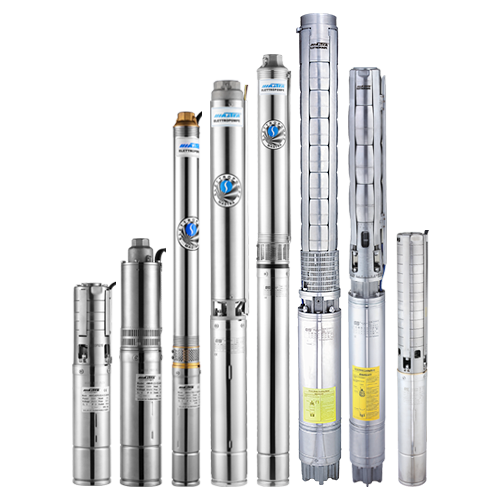
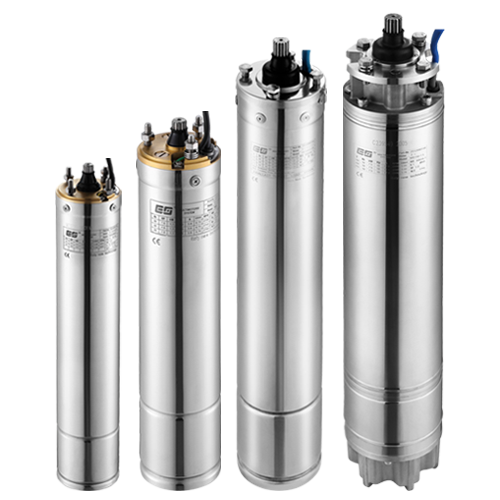
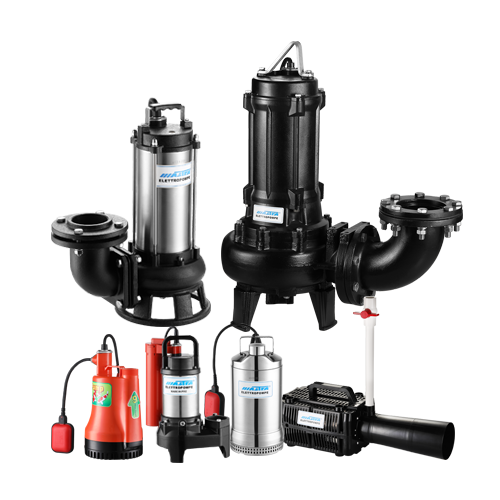
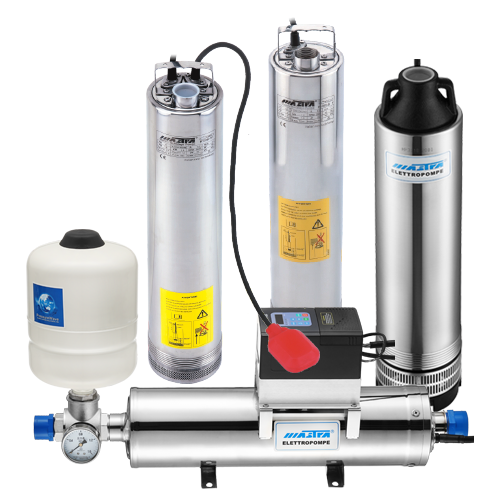
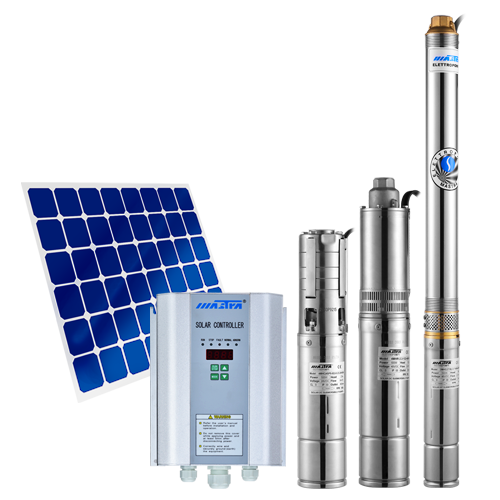
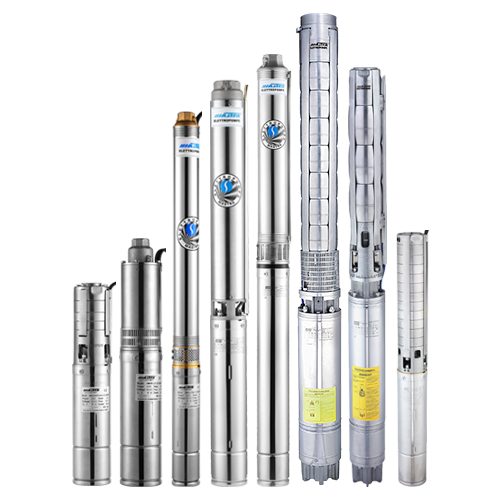
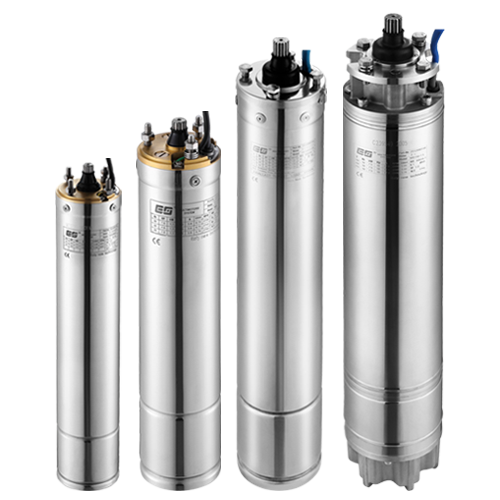
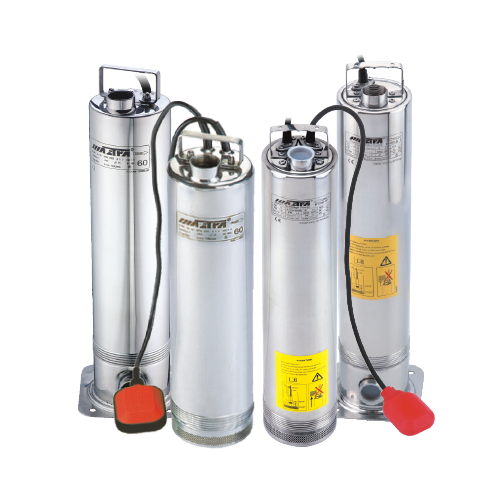
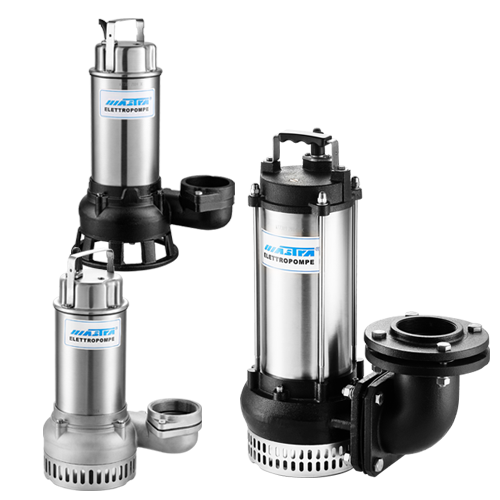
A submersible water pump is designed to operate completely underwater. Unlike surface pumps that sit above ground and draw water up, submersible pumps push water from below. They're hermetically sealed units with a motor and pump housed in a waterproof casing.
The pump connects to your power supply through specially designed waterproof cables. Water enters through an intake screen, passes through the impeller (the spinning component that creates pressure), and exits through a discharge pipe to wherever you need it.
This design offers several advantages. Submersible pumps don't need to be primed, they're quieter than surface pumps, and they're more efficient because they push rather than pull water.
Built-In Safety Features
Modern submersible water pumps incorporate numerous safety mechanisms that make them reliable for everyday use.
Waterproof Housing
The entire motor and electrical components are sealed inside a corrosion-resistant housing. Manufacturers use materials like stainless steel or durable plastics designed to withstand constant water exposure. Multiple seals prevent water from reaching any electrical parts.
Thermal Protection
Most quality submersible pumps include thermal overload protection. If the motor overheats due to running dry or working too hard, the pump automatically shuts off before damage occurs. This prevents fires and extends the pump's lifespan.
Ground Fault Protection
When installed correctly, submersible water pumps should be connected to a ground fault circuit interrupter (GFCI). This device monitors electrical current and cuts power instantly if it detects any leakage, preventing electric shock.
Pressure Switches
Many systems include pressure switches that turn the pump on and off based on water demand. This prevents the pump from running continuously and burning out.
What Makes Submersible Water Pumps Safer Than You Think
Despite operating underwater, submersible water pumps actually present less risk than many surface pumps in certain scenarios.
Because the entire unit is submerged, there's no exposed electrical connection at ground level where people or animals might come into contact with it. The pump is typically installed deep in a well or at the bottom of a tank, far from reach.
The sealed design means there's no risk of water splashing onto electrical components during operation. Surface pumps, by contrast, can be exposed to rain, flooding, or accidental spills that create hazards.
Submersible pumps also run cooler than surface pumps because the surrounding water acts as a coolant. This reduces the risk of overheating and potential fire hazards.
Potential Safety Concerns and How to Avoid Them
While submersible water pumps are generally safe, improper installation or maintenance can create risks. Here's what to watch for.
Electrical Installation
The most critical safety factor is proper electrical installation. Always hire a licensed electrician to connect your submersible water pump. They'll ensure the wiring meets local codes, the voltage matches your pump's requirements, and appropriate circuit protection is in place.
Never attempt to splice or repair underwater cables yourself. Damaged cables should be replaced entirely by a professional.
Running Dry
Submersible pumps rely on water for cooling. If the water level drops and the pump runs dry, it can overheat rapidly. Install a float switch or low-water cutoff to prevent this. These devices automatically shut off the pump when water levels get too low.
Chemical Exposure
If you're pumping water containing chemicals, sewage, or other corrosive substances, make sure your pump is rated for that application. Using the wrong pump can lead to seal failure and leaks.
Age and Wear
Like any mechanical device, submersible pumps wear out over time. Seals can deteriorate, and components can corrode. Have your pump inspected regularly, and replace it according to the manufacturer's recommended lifespan (typically 8-15 years for residential applications).
Installation Best Practices
Proper installation is your first line of defense for safe operation.
Choose a pump that's appropriately sized for your application. An undersized pump will work too hard and fail prematurely, while an oversized pump wastes energy and may cycle on and off too frequently.
Ensure the pump is installed at the correct depth. It should be deep enough to stay submerged even when water levels fluctuate, but not so deep that it's difficult to retrieve for maintenance.
Use the correct gauge wire for your pump's amperage and the distance from your electrical panel. Undersized wiring creates heat and fire hazards.
Install a check valve in the discharge line to prevent water from flowing backward when the pump shuts off. This reduces stress on the pump and prevents water hammer.

Maintenance Tips for Long-Term Safety
Regular maintenance keeps your submersible water pump safe and efficient.
Test your GFCI outlet monthly by pressing the test button. If it doesn't trip, replace it immediately.
Listen for unusual sounds. Grinding, rattling, or humming can indicate mechanical problems that need attention before they become safety issues.
Monitor your pump's performance. If it's cycling more frequently, running longer, or not delivering adequate pressure, have it inspected.
Keep records of installation dates, maintenance performed, and any repairs. This helps you track the pump's age and anticipate when replacement might be needed.
If you notice your water has an unusual taste, odor, or appearance, have it tested. While this isn't necessarily a pump safety issue, it could indicate problems with your well or water system.
When to Call a Professional
Some situations require expert attention.
If your GFCI trips repeatedly, don't just reset it. This indicates an electrical problem that needs professional diagnosis.
Any signs of electrical burning smells, sparking, or visible damage to cables or connections should be addressed immediately by a qualified electrician.
If your pump fails to start, stops working unexpectedly, or behaves erratically, have it inspected rather than attempting repairs yourself.
Schedule professional inspections every few years, even if everything seems fine. A technician can spot early warning signs you might miss.
Choosing a Safe Submersible Water Pump
When shopping for a submersible water pump, prioritize safety features.
Look for pumps from reputable manufacturers with strong safety records. Check for certifications from organizations like Underwriters Laboratories (UL) or NSF International, which indicate the pump meets safety standards.
Read customer reviews focusing on long-term reliability and safety. Pay attention to comments about customer service, as good support matters if issues arise.
Don't choose based solely on price. A cheap pump might lack important safety features or use inferior materials that fail prematurely.
Verify that replacement parts are readily available. Even the best pumps eventually need maintenance, and having access to genuine parts ensures safe repairs.
Making the Right Choice for Your Needs
Submersible water pumps are safe, reliable tools when you select the right model and maintain it properly. The key is understanding their operation, ensuring professional installation, and staying vigilant about maintenance.
If you're still uncertain about whether a submersible water pump is right for your situation, consult with a water systems professional. They can assess your specific needs, recommend appropriate equipment, and ensure everything is installed safely.
With the right approach, a submersible water pump will provide years of trouble-free service, giving you peace of mind along with reliable water supply.
Submersible Water Pumps
submersible pump Manufacturer
China submersible pump
Related News


Get Touch With Us
Contact Info
0086-139 2903 3707
+86 138 2702 0863
No.22, North 3rd Road, Duruan Town, Jiangmen City, Guangdong Province, China
Related Products