
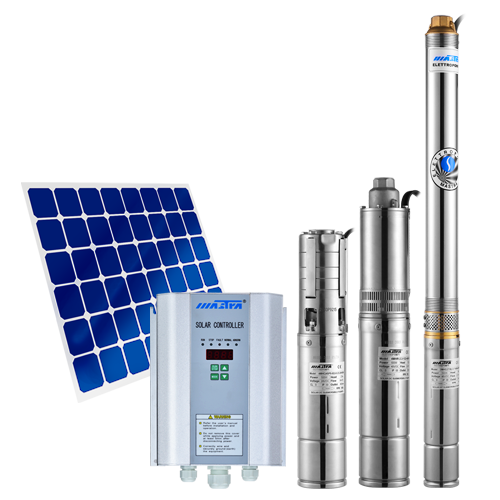
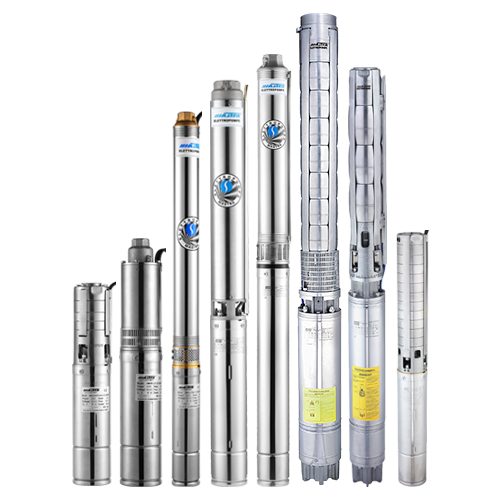
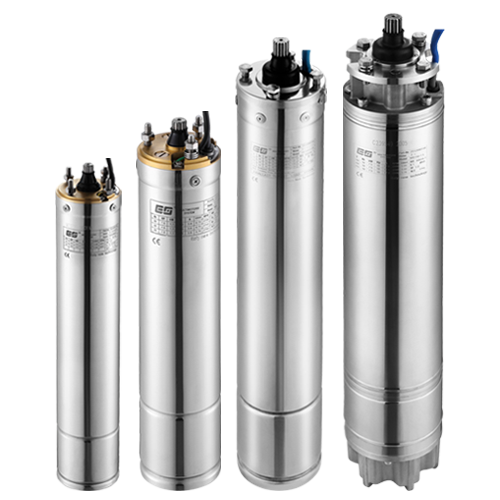
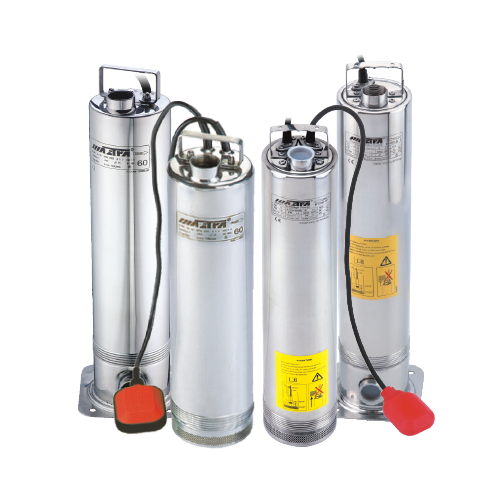
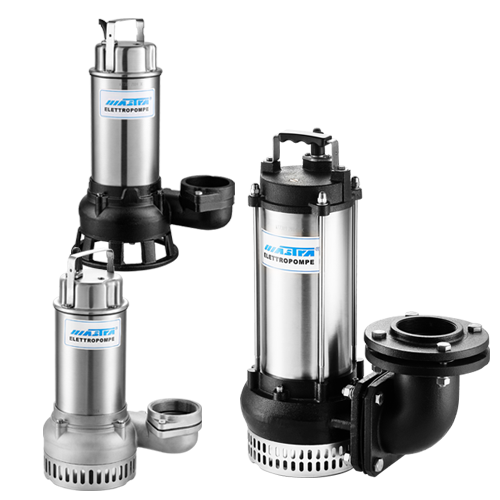




When it comes to accessing clean drinking water from wells, boreholes, or other underground sources, submersible pumps are among the most popular solutions. But if you're considering installing one or already have a submersible pump system, you might wonder: are these pumps actually safe for drinking water?
The short answer is yes—submersible pumps can be perfectly safe for drinking water when properly installed, maintained, and paired with the right components. However, the safety of your drinking water depends on several critical factors that go beyond just the pump itself.
Understanding these factors will help you make informed decisions about your water system and ensure your family has access to safe, clean drinking water. Let's explore what makes a submersible pump safe, potential risks to watch for, and best practices for maintaining water quality.
What Makes a Submersible Pump Safe for Drinking Water
Food-Grade Materials and Construction
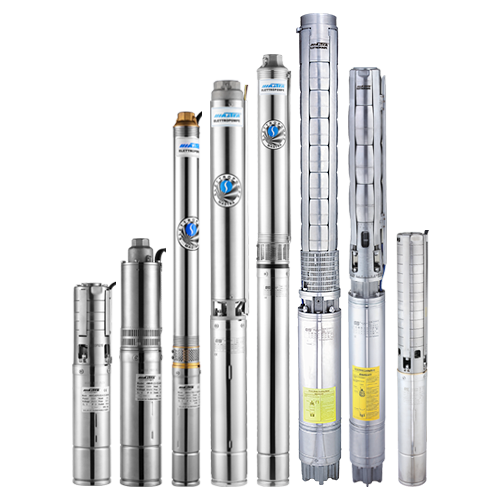
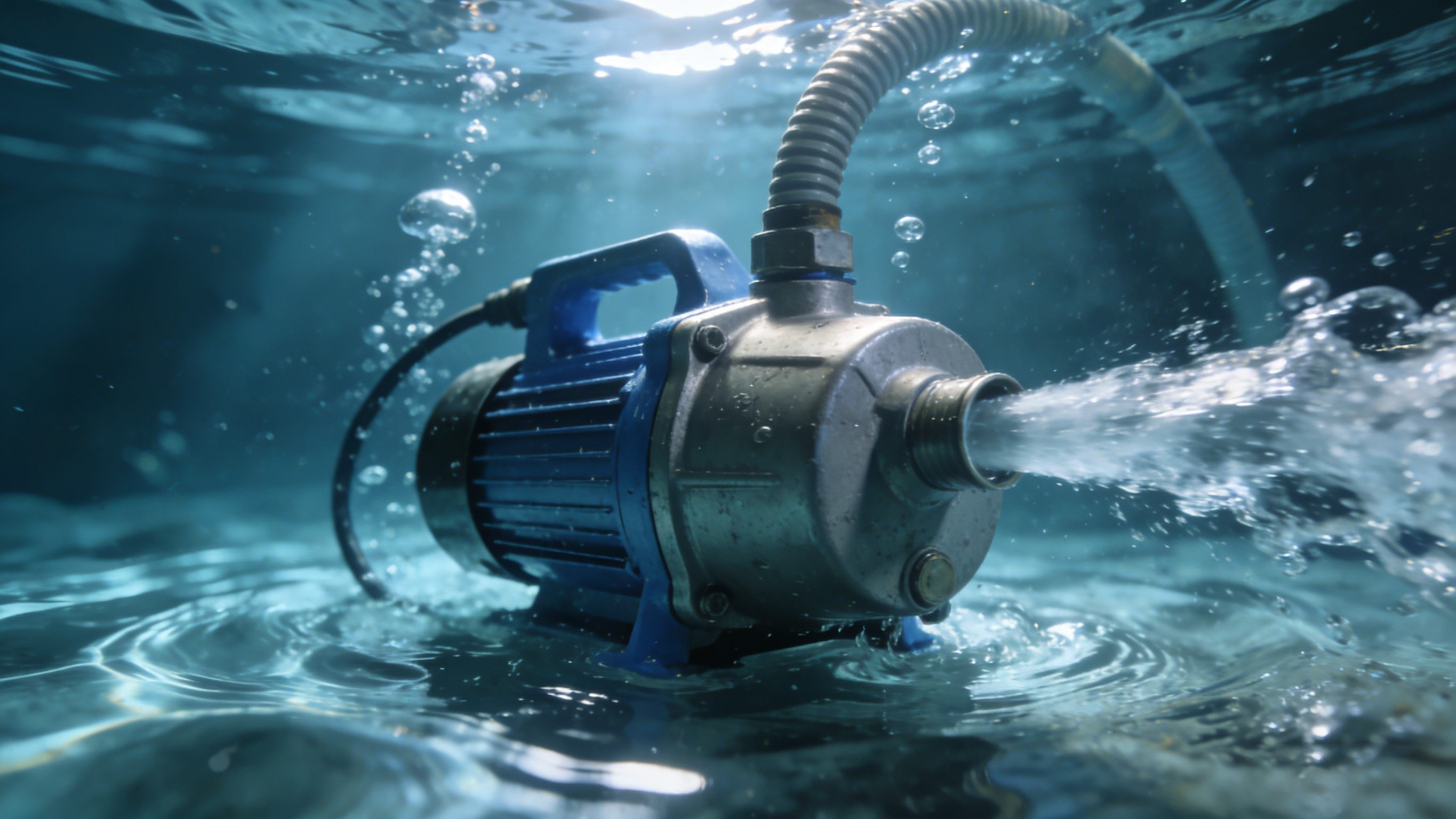
A quality submersible pump designed for potable water uses food-grade materials that won't leach harmful chemicals into your water supply. These pumps typically feature stainless steel components, food-grade plastics, and specially designed seals that prevent contamination.
The pump housing, impellers, and internal components are manufactured to meet strict standards for drinking water applications. Look for pumps that carry certifications from organizations like NSF International or the Water Quality Association, which test products for safety in potable water systems.
Sealed Design Prevents Contamination
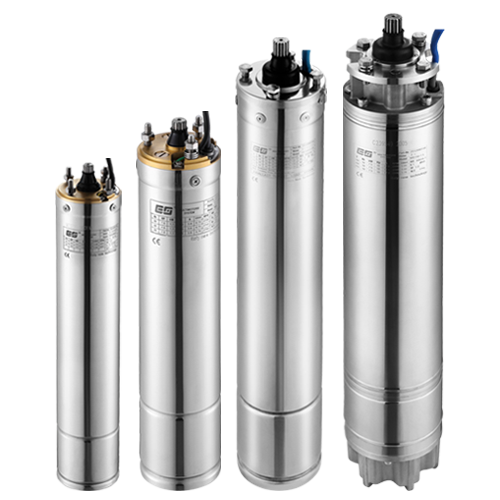
Submersible pumps are designed with sealed motor compartments that prevent well water from entering the electrical components. This sealed construction is crucial for preventing contamination and ensuring the pump can operate safely while fully submerged.
The sealed design also protects the motor oil and other internal fluids from mixing with your water supply. Quality pumps use double mechanical seals and other protective measures to maintain this separation.
Potential Safety Concerns and How to Address Them
Motor Oil Contamination
One of the primary concerns people have about submersible pumps is the possibility of motor oil leaking into the water supply. While this is a legitimate concern, it's largely preventable with proper pump selection and maintenance.
High-quality submersible pumps use food-grade lubricants and multiple seal systems to prevent any oil from reaching the water. Regular maintenance and inspections can catch potential seal failures before they become a problem.
Electrical Safety
Since submersible pumps operate underwater with electrical components, proper installation is critical for safety. The pump must be connected to a ground fault circuit interrupter (GFCI) and installed according to local electrical codes.
Professional installation ensures that all electrical connections are properly sealed and protected, preventing both safety hazards and potential contamination issues.
Material Degradation
Over time, pump components can degrade, potentially affecting water quality. Cheap pumps made with inferior materials may corrode, releasing metals or other contaminants into your water supply.
Investing in a quality submersible pump with corrosion-resistant materials helps prevent this issue. Regular water testing can also help identify any changes in water quality that might indicate pump problems.
Choosing the Right Submersible Pump for Safe Drinking Water
Look for Potable Water Certifications
When selecting a submersible pump for drinking water, choose models specifically designed and certified for potable water use. These pumps meet stringent safety standards and use materials that won't contaminate your water supply.
Certifications to look for include NSF/ANSI 61 (drinking water system components) and NSF/ANSI 372 (low lead content). These standards ensure the pump won't introduce harmful contaminants into your drinking water.
Consider Stainless Steel Construction
Stainless steel submersible pumps offer superior corrosion resistance and durability compared to cast iron or other materials. While they may cost more upfront, stainless steel pumps typically last longer and are less likely to contaminate your water supply.
The investment in a quality stainless steel pump often pays for itself through reduced maintenance costs and longer service life.
Size Your Pump Properly
An oversized or undersized pump can create problems that affect water quality. An oversized pump may cycle on and off frequently, causing pressure fluctuations that can disturb sediment in your well. An undersized pump may struggle to meet demand, potentially drawing water from lower levels where quality might be compromised.
Work with a water system professional to properly size your submersible pump based on your water needs and well characteristics.

Essential Safety Practices for Submersible Pump Systems
Regular Water Testing
Even with a safe, properly installed submersible pump, regular water testing is essential. Test your water at least annually for bacteria, nitrates, and other common contaminants. More frequent testing may be necessary if you notice changes in taste, odor, or appearance.
Professional water testing can identify potential issues early, allowing you to take corrective action before your drinking water safety is compromised.
Proper Installation and Maintenance
Professional installation is crucial for ensuring your submersible pump operates safely. A qualified technician will ensure proper electrical connections, adequate well seal installation, and correct pump placement.
Regular maintenance includes checking electrical connections, testing pump operation, and inspecting the well cap and casing for potential contamination sources. Follow the manufacturer's recommended maintenance schedule to keep your system operating safely.
Water Treatment Considerations
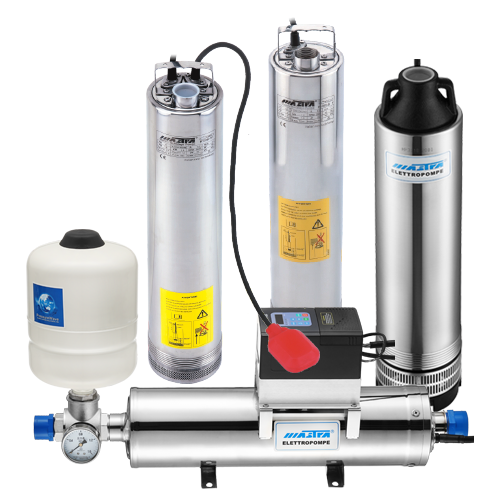
While a properly functioning submersible pump won't contaminate your water, it also won't improve water that's already contaminated at the source. Depending on your water quality, you may need additional treatment systems like sediment filters, UV sterilizers, or water softeners.
Have your water tested to determine what treatment, if any, is needed to ensure safe drinking water from your submersible pump system.
When to Replace Your Submersible Pump
Signs of Potential Problems
Several warning signs indicate it may be time to replace your submersible pump to maintain water safety:
· Changes in water taste, odor, or color
· Decreased water pressure or flow rate
· Frequent pump cycling or electrical issues
· Visible signs of corrosion or damage
· Age of the pump exceeding manufacturer recommendations
Don't ignore these warning signs, as they could indicate problems that affect your drinking water safety.
Preventive Replacement
Even a well-maintained submersible pump won't last forever. Most quality pumps have a service life of 10-15 years, depending on usage and water conditions. Planning for preventive replacement before problems develop helps ensure continuous access to safe drinking water.
Making the Right Choice for Your Water System
A submersible pump can absolutely be safe for drinking water when you choose the right equipment and follow proper installation and maintenance practices. The key is selecting a pump specifically designed for potable water use, having it professionally installed, and maintaining both the pump and your overall water system properly.
Remember that water safety depends on more than just your pump—source water quality, proper well construction, and appropriate treatment systems all play important roles. Regular water testing and system maintenance will help ensure your submersible pump continues to deliver safe, clean drinking water for years to come.
If you're unsure about your current system or planning a new installation, consult with a qualified water system professional who can assess your specific needs and recommend the best submersible pump solution for safe drinking water.
Submersible Water Pump
Submersible Pump
MASTRA pump


Get Touch With Us
Contact Info
0086-139 2903 3707
+86 138 2702 0863
No.22, North 3rd Road, Duruan Town, Jiangmen City, Guangdong Province, China