




Submersible water pumps quietly power countless applications around the world, from draining flooded basements to irrigating vast agricultural fields. Unlike their surface-mounted counterparts, these ingenious devices operate completely underwater, making them essential tools for both residential and industrial water management.
Understanding how submersible water pumps work can help you choose the right pump for your needs, troubleshoot issues, and maintain your equipment properly. This guide breaks down the mechanics, components, and applications of these versatile machines in straightforward terms.
The Basic Principle Behind Submersible Water Pumps
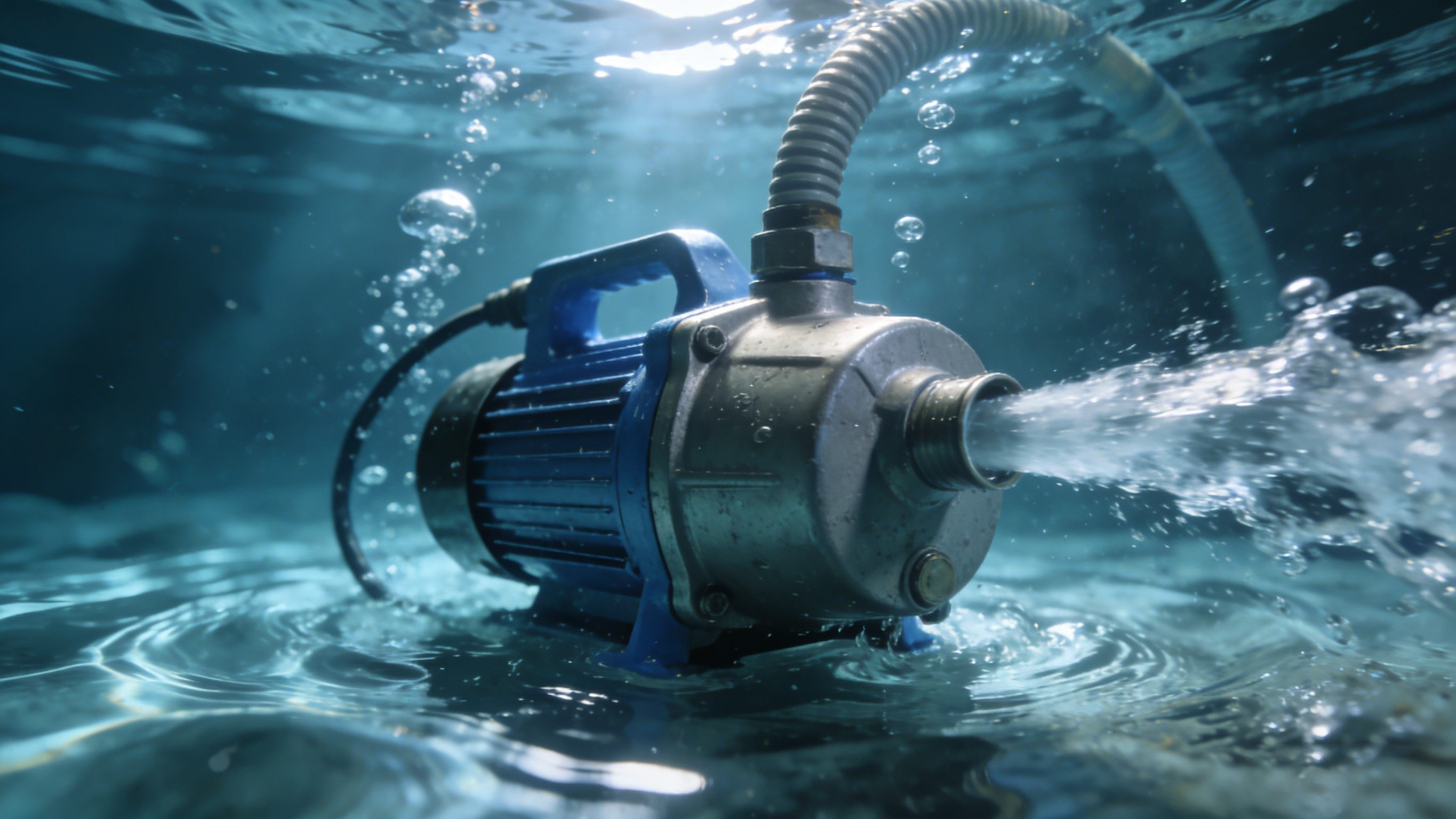
Submersible water pumps operate on a simple yet effective principle: they push water upward rather than pulling it from above. The pump sits directly in the water source, creating pressure that forces liquid through the discharge pipe to its destination.
This push mechanism offers significant advantages over suction-based systems. Traditional surface pumps must overcome atmospheric pressure and can lose their prime, but submersible pumps maintain constant contact with the water source. This design eliminates many common pumping problems and makes the system more reliable.
The pump's motor and impeller assembly work together to create the necessary pressure differential. As the impeller spins, it draws water into the pump housing and accelerates it outward, building the pressure needed to move water through the discharge system.
Key Components of Submersible Water Pumps
Motor Assembly
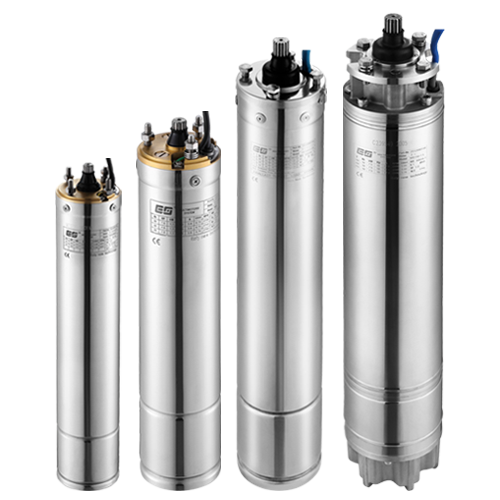
The motor represents the heart of any submersible water pump. These motors are specially designed to operate underwater, with sealed housings that prevent water infiltration. Most residential submersible pumps use single-phase motors, while larger commercial and industrial applications often require three-phase systems for increased power and efficiency.
The motor housing typically features multiple seals and gaskets to maintain watertight integrity. Oil-filled chambers in some models provide additional protection and help dissipate heat generated during operation.
Impeller System
The impeller converts the motor's rotational energy into kinetic energy that moves water. Submersible pumps may use centrifugal impellers, which work best for high-flow, moderate-pressure applications, or turbine-style impellers for higher-pressure, lower-flow situations.
Centrifugal impellers feature curved vanes that accelerate water outward through centrifugal force. Multi-stage pumps stack multiple impellers to achieve higher pressures, with each stage adding to the overall head pressure.
Pump Housing and Volute
The pump housing, or volute, surrounds the impeller and guides water flow. Its carefully designed shape converts the high-speed water flow from the impeller into pressure. The volute's spiral design gradually increases in cross-sectional area, which helps maintain pressure while reducing water velocity.
Sealing Systems
Multiple sealing systems protect the motor from water damage. Primary seals around the motor shaft prevent water entry, while secondary seals provide backup protection. Some pumps include oil-filled seal chambers that equalize pressure and provide lubrication.
Types of Submersible Water Pumps
Deep Well Pumps
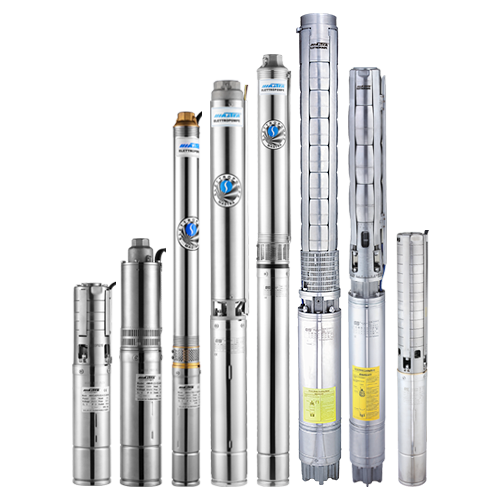
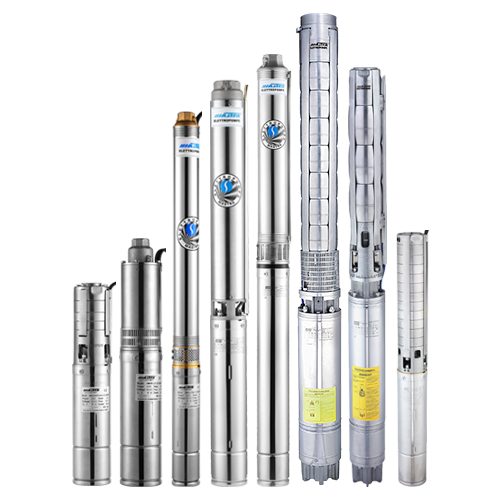
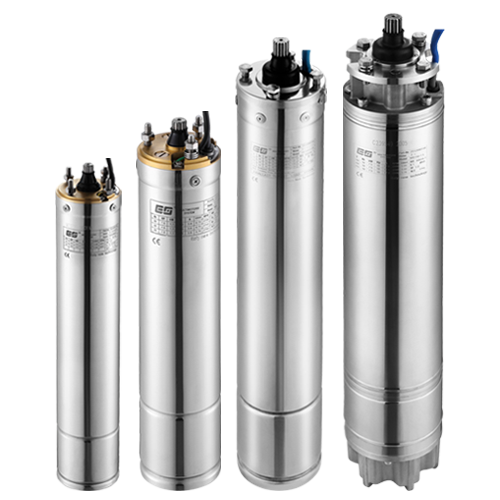
Deep well submersible pumps are designed for water wells and can operate at depths exceeding 300 feet. These pumps feature narrow diameters to fit inside well casings and multiple impeller stages to achieve the high pressures needed to lift water from great depths.
Sump Pumps
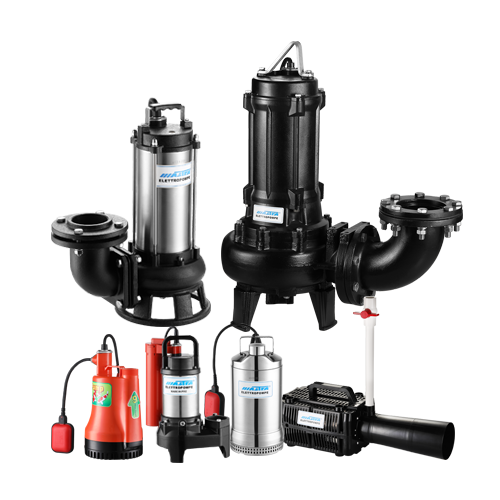
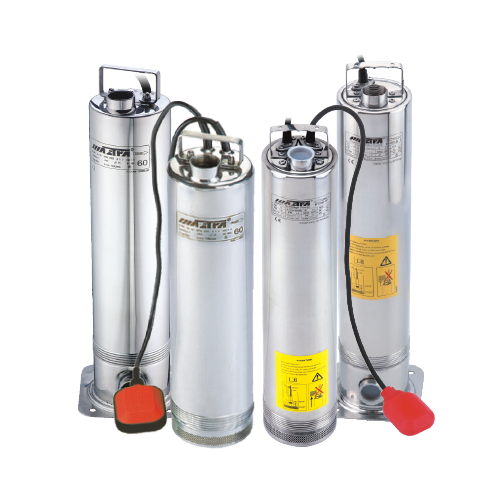
Sump pumps prevent basement flooding by removing water from sump pits. These pumps typically feature automatic float switches that activate the pump when water levels rise. They're designed for intermittent operation and can handle debris-laden water.
Sewage and Effluent Pumps
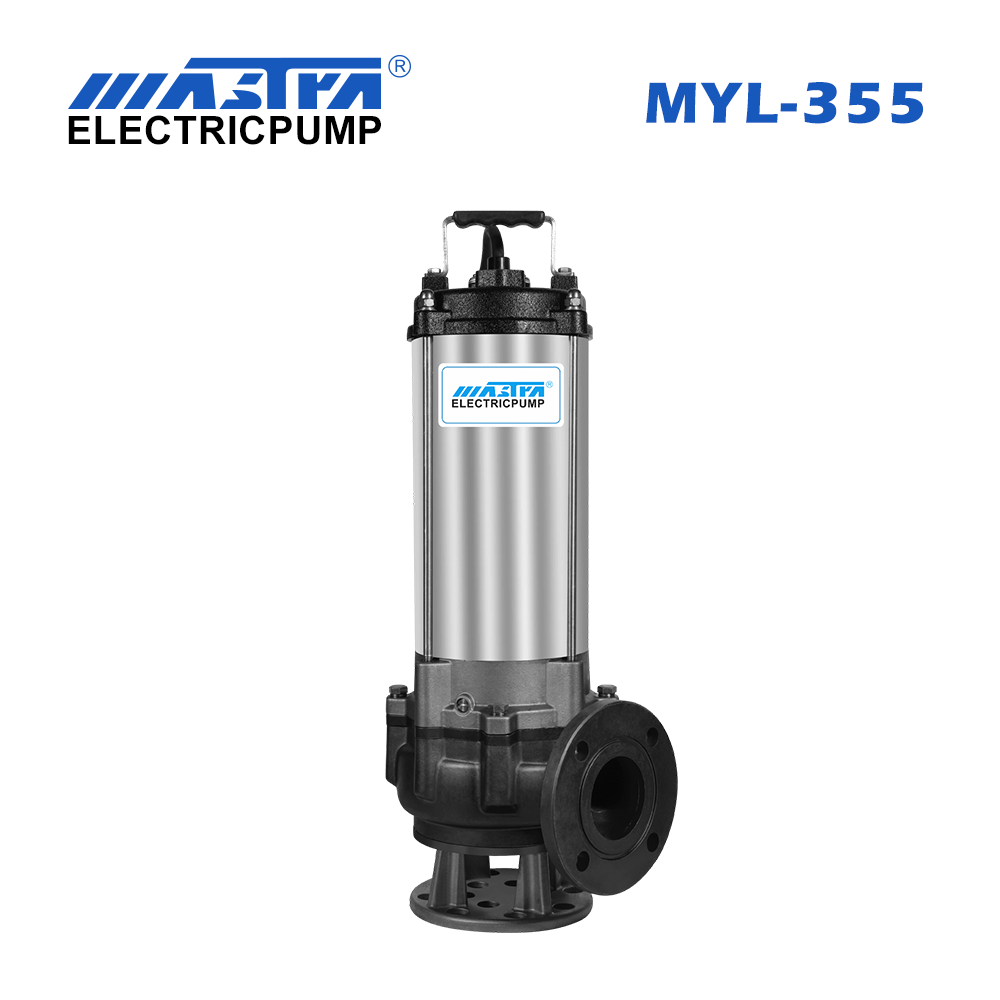
These specialized pumps handle wastewater and solids. They feature larger impeller passages and robust construction to manage sewage, greywater, or other contaminated liquids. Sewage pumps often include grinding mechanisms to break down solid materials.
Utility and Drainage Pumps
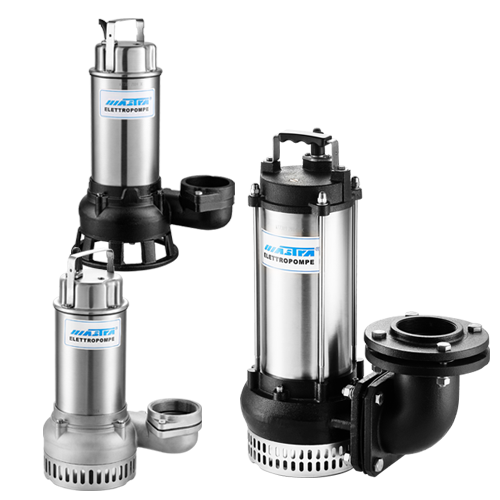
Utility submersible pumps serve various drainage applications, from construction dewatering to pond management. They're typically portable and designed to handle clean or slightly contaminated water.
How Water Moves Through the System
The pumping process begins when the motor spins the impeller inside the pump housing. Water enters through the suction inlet, typically located at the bottom or side of the pump. The spinning impeller accelerates this water outward, creating a low-pressure area at the center that draws in more water.
As water moves through the impeller, it gains both velocity and pressure. The volute housing then converts much of this velocity into additional pressure. This pressurized water exits through the discharge port and travels up the discharge pipe to its destination.
Multi-stage pumps repeat this process multiple times. Water flows from one impeller stage to the next, with each stage adding pressure. This design allows relatively compact pumps to achieve impressive lifting heights.
Installation and Operation Considerations
Proper Sizing
Selecting the right pump requires understanding your specific flow rate and head pressure requirements. Flow rate measures how much water you need to move, typically expressed in gallons per minute (GPM). Head pressure represents the total resistance the pump must overcome, including vertical lift, pipe friction, and system pressure.
Power Requirements
Submersible water pumps require appropriate electrical connections and protection. Most residential pumps operate on standard household voltage, but larger pumps may need 240V or three-phase power. Proper wiring, including ground fault protection, is essential for safe operation.
Control Systems
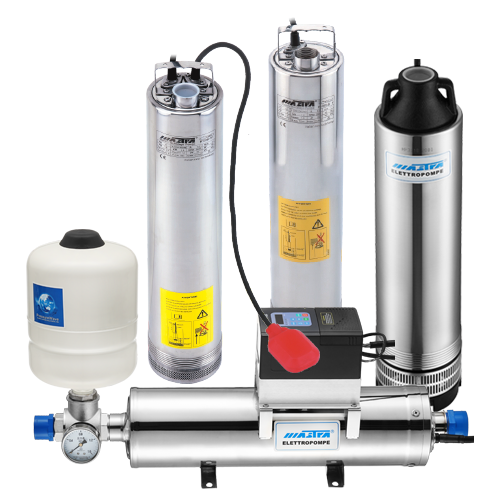
Many submersible pumps include automatic control systems. Float switches activate sump pumps when water levels rise, while pressure switches control well pumps based on system pressure. More sophisticated systems may include variable frequency drives that adjust pump speed to match demand.
Common Applications
Submersible water pumps serve numerous purposes across residential, commercial, and industrial settings. Homeowners rely on them for well water systems, basement drainage, and irrigation. Commercial applications include fountain systems, wastewater management, and building drainage systems.
Industrial uses encompass mining dewatering, construction site drainage, and process water systems. Municipal water utilities use large submersible pumps for water distribution and sewage treatment.
Agriculture represents another major application area, with submersible pumps providing irrigation water from wells, ponds, and reservoirs. Their ability to operate reliably underwater makes them ideal for remote agricultural locations.
Your Next Steps
Submersible water pumps offer reliable, efficient solutions for moving water in challenging environments. Their underwater operation eliminates priming issues while providing consistent performance across various applications.
When selecting a submersible pump, consider your specific flow and pressure requirements, along with the type of liquid you need to move. Proper installation and maintenance will ensure years of dependable service from these hardworking machines.
Whether you're dealing with basement flooding, need reliable well water, or require industrial pumping solutions, understanding how submersible water pumps work helps you make informed decisions about your water management needs.
Submersible Water Pumps
Submersible Water Pump
Submersible Pump
Related News


Get Touch With Us
Contact Info
0086-139 2903 3707
+86 138 2702 0863
No.22, North 3rd Road, Duruan Town, Jiangmen City, Guangdong Province, China
Related Products