



Maintaining a lush, green lawn is a point of pride for many homeowners. But as water bills rise and environmental concerns grow, finding efficient ways to irrigate your garden has become more important than ever. If you have access to a well, a pond, or a large rainwater tank, you might be sitting on a goldmine of free water. The question is: how do you get that water from its source to your thirsty grass?
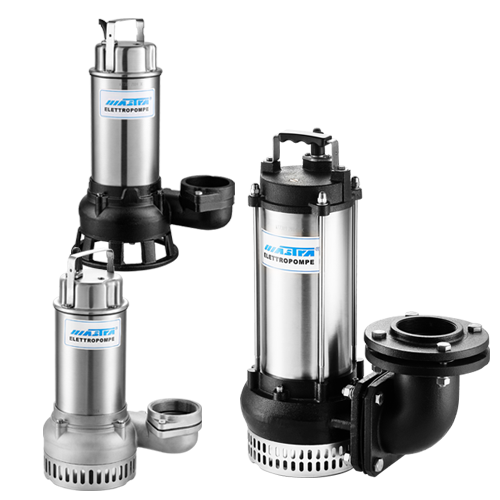
Enter the submersible pump. Often used for draining flooded basements or emptying pools, these robust devices are more versatile than many people realize. They are designed to be fully submerged in water, pushing it up and out with significant force. But does this raw power translate effectively to the delicate task of lawn irrigation?
The short answer is yes. Using a submersible pump to water your lawn is not only possible but can also be incredibly efficient and cost-effective. However, it isn't quite as simple as dropping a pump in a pond and attaching a hose. To get it right, you need to understand pressure requirements, pump capacity, and filtration. This guide will walk you through everything you need to know to transform your watering routine.
Understanding How a Submersible Pump Works
Before you start setting up your irrigation system, it helps to understand what makes a submersible pump tick. Unlike jet pumps or centrifugal pumps that sit on dry land and suck water up through a pipe, a submersible pump is designed to operate directly inside the water source.
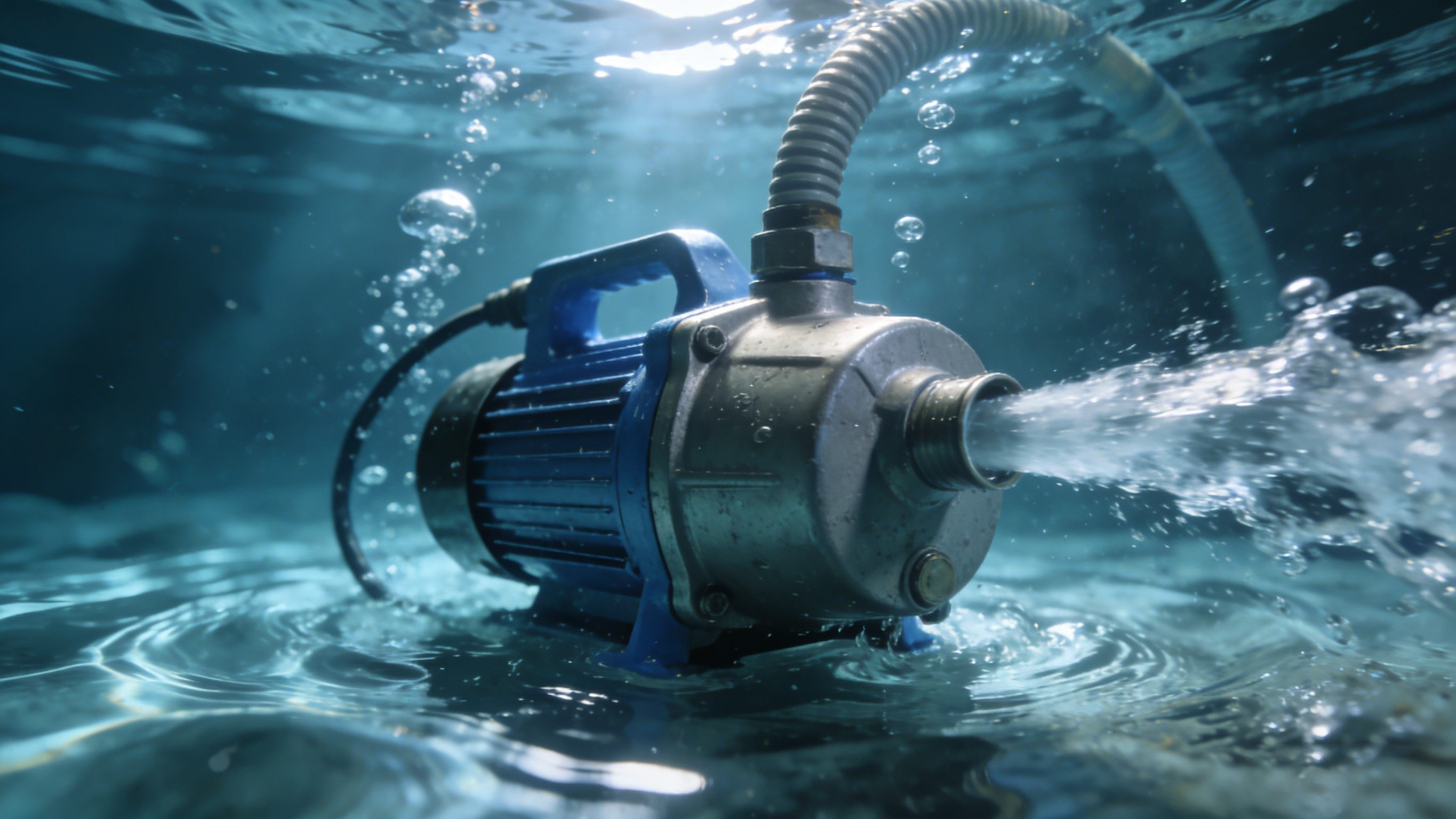
The motor is hermetically sealed in a watertight casing, closely coupled to the pump body. When activated, the pump pushes water toward the surface rather than pulling it. This design is inherently more efficient because "pushing" water requires less energy than "sucking" it, especially over vertical distances.
Why Use One for Irrigation?
There are several compelling reasons to consider this setup for your lawn:
Efficiency: Because they don't fight gravity and atmospheric pressure to pull water into the intake, they move water more efficiently.
Quiet Operation: Being underwater muffles the noise of the motor, making them much quieter than above-ground pumps.
Self-Priming: Since they are already submerged, you never have to worry about priming the pump before use.
Versatility: They can handle water sources that might contain small debris (like pond water), provided you choose a model designed for "dirty water."
1
Matching the Pump to Your Sprinkler System
The biggest challenge in using a submersible pump for irrigation is matching the pump's output to your sprinkler's needs. Sprinklers require two things to work correctly: flow rate (measured in gallons per hour or GPH) and pressure (measured in PSI).
If your pump provides too much pressure, you could blow out your sprinkler heads or hoses. If it provides too little, your sprinklers will just dribble water rather than spraying it.
Calculating Head Pressure
To choose the right pump, you need to calculate "Total Dynamic Head." This sounds technical, but it’s essentially a measure of the resistance the pump must overcome. It includes:
Vertical Lift: The height difference between the water surface and your lawn.
Friction Loss: As water moves through a hose or pipe, friction slows it down. Longer hoses and smaller diameters increase friction.
Required Pressure: The pressure your specific sprinkler heads need to operate (usually between 30 and 50 PSI).
Most submersible pumps will have a performance curve or chart on the packaging. You want to look for a model that can deliver the required GPH at the total head height you calculated.
The Role of a Pressure Tank
For automated systems or setups where you want to turn the hose nozzle on and off without running back to unplug the pump, you might need a pressure tank and switch. This setup mimics standard household plumbing. When you open the nozzle, water flows from the tank. When the tank pressure drops, the switch turns the pump on to refill it. Without this, a standard utility pump runs continuously, which can burn out the motor if you close the nozzle while the pump is still running.

Sourcing Your Water: Ponds, Wells, and Rain Barrels
Where you get your water will dictate the type of submersible pump you need.
Drawing from a Pond or Lake
Natural water sources are fantastic for lawns because the water is often richer in nutrients than treated tap water. However, ponds contain algae, leaves, and silt.
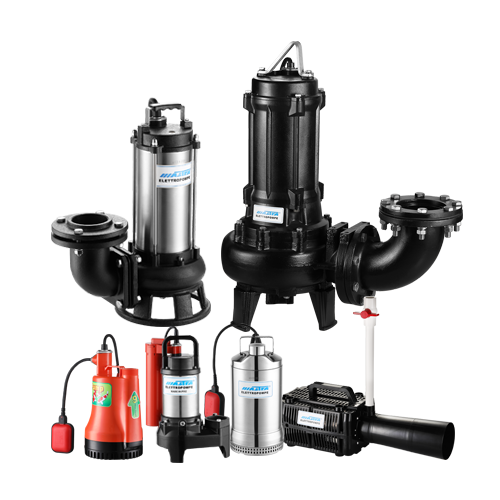
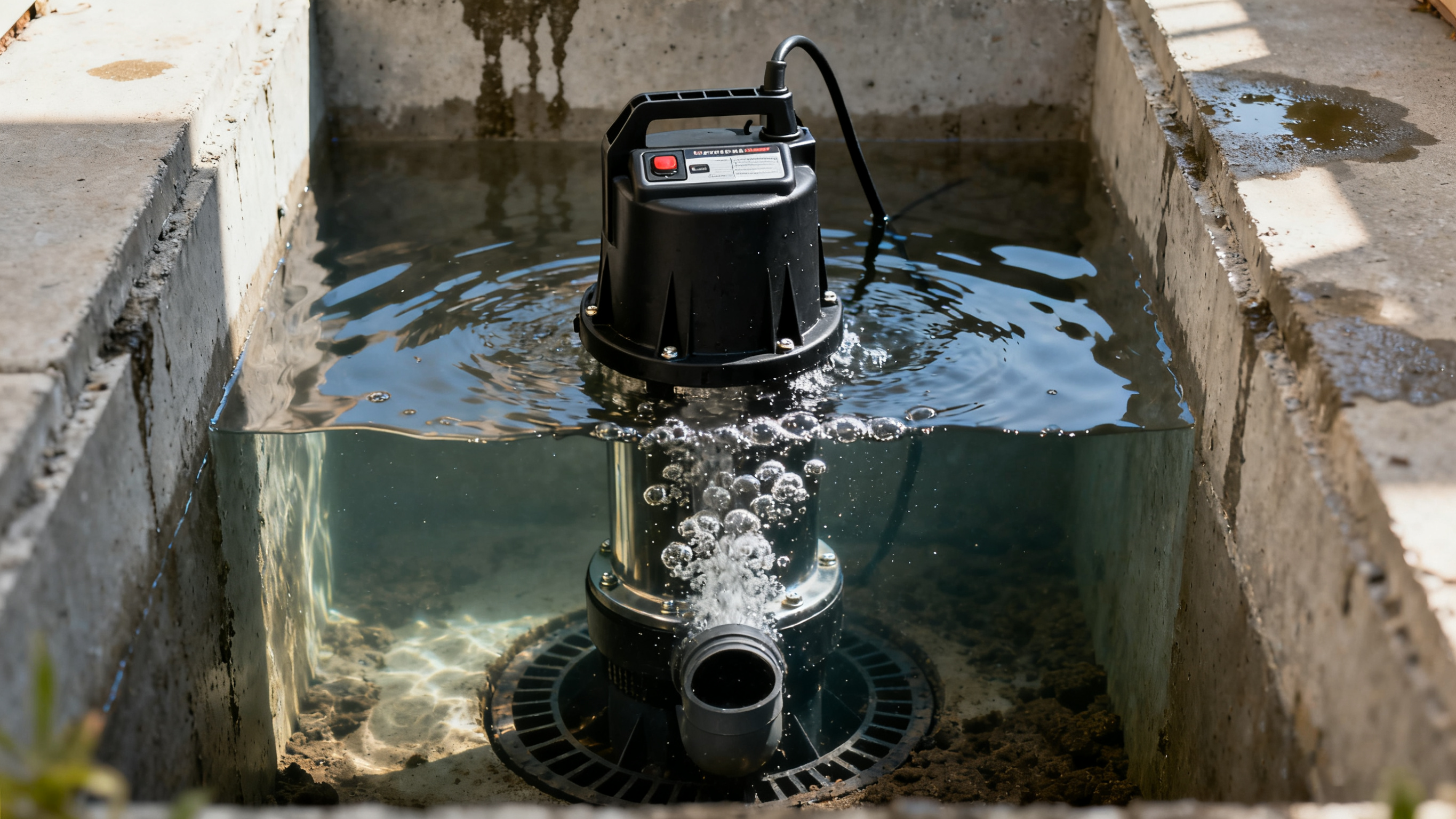
Recommendation: Use a "dirty water" or "trash" submersible pump capable of handling solids. Even then, you should encase the pump in a mesh filter bag or a bucket with holes drilled in it to prevent large debris from clogging the intake or your sprinkler nozzles.
1
Utilizing Rainwater Tanks
Rain harvesting is an eco-friendly way to keep your lawn green. A standard rain barrel might rely on gravity, but if you need to run a sprinkler, gravity often won't provide enough pressure (you get roughly 0.43 PSI per foot of elevation).
Recommendation: A standard utility submersible pump placed inside the tank can boost that pressure significantly, turning a passive drip into a powerful spray.
1
Deep Wells
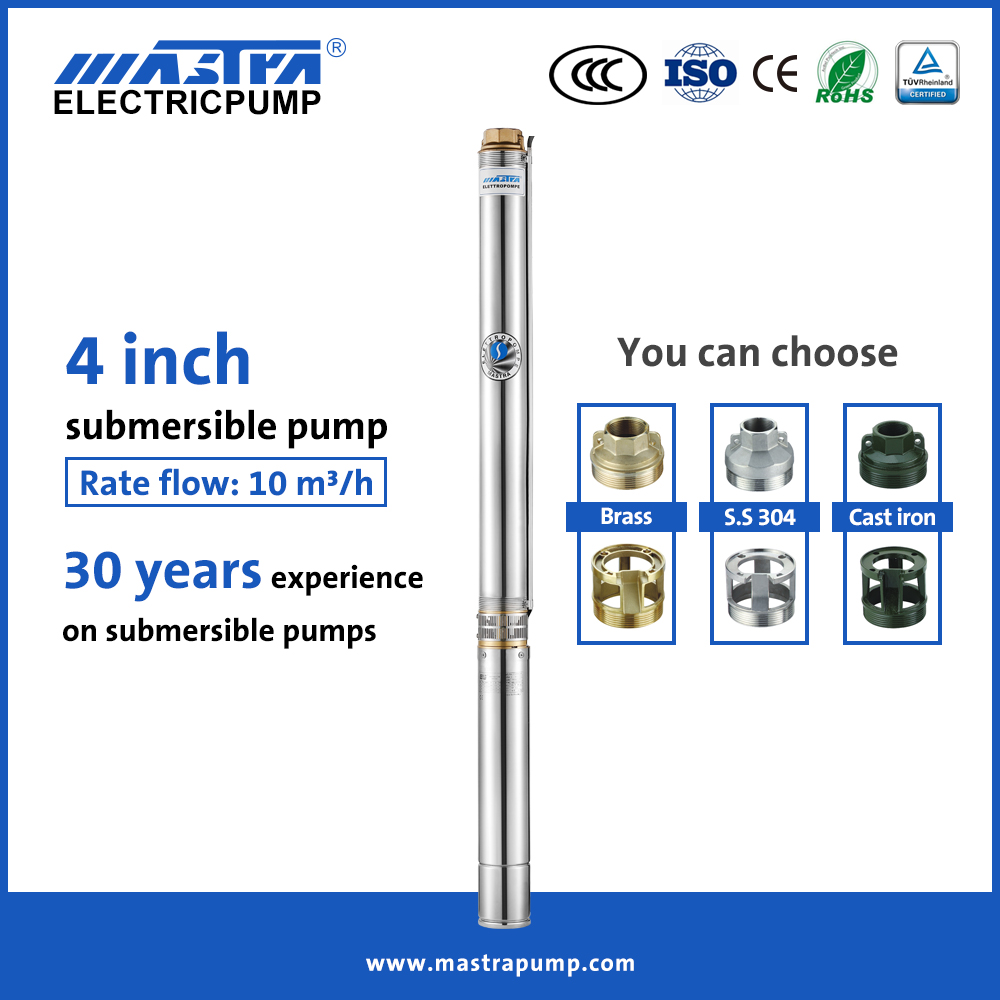
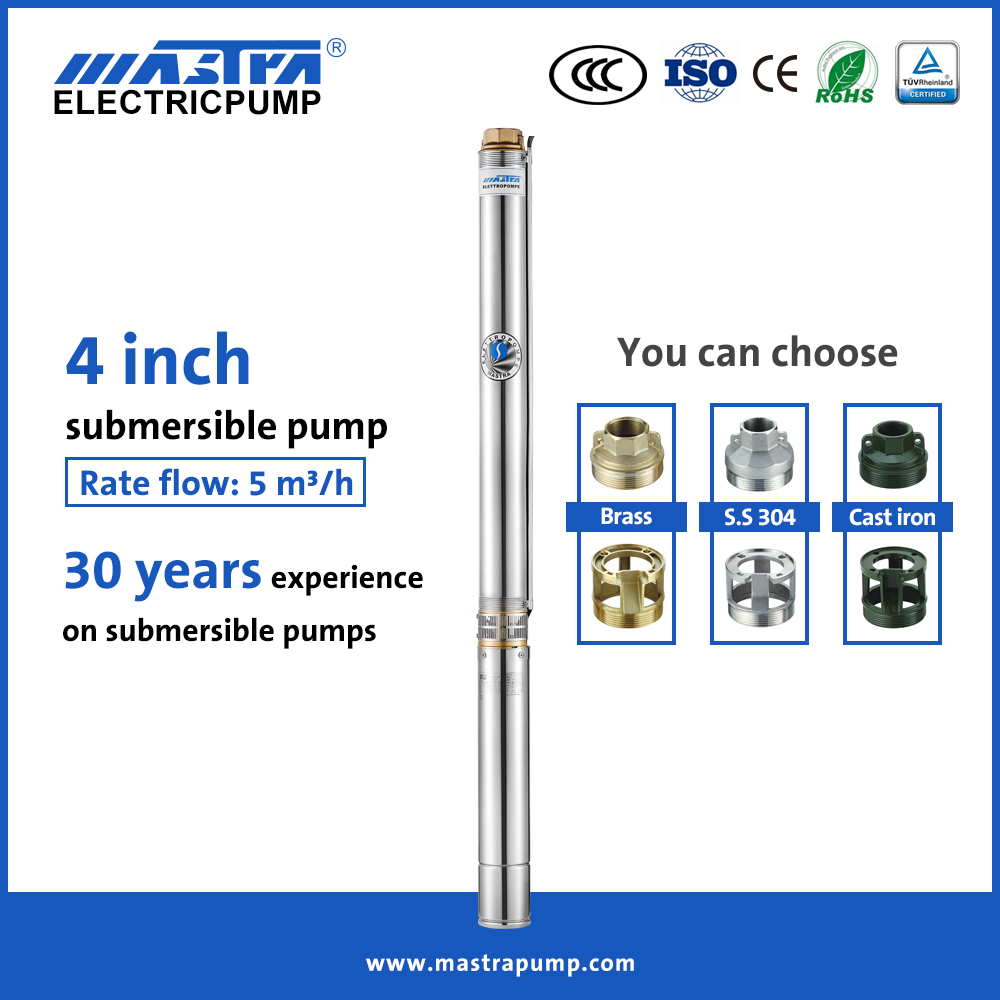
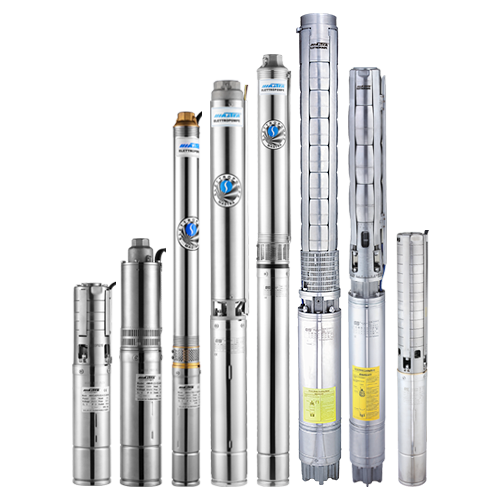
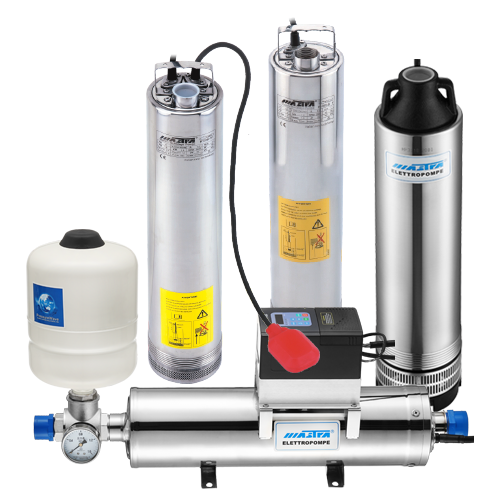
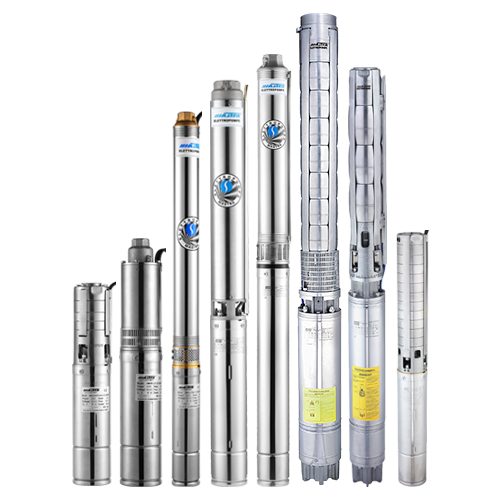
If you are using a deep well, you will need a specialized deep-well submersible pump. These are long, cylindrical pumps designed to fit into narrow well casings and push water up from great depths.
Potential Pitfalls and How to Avoid Them
While the benefits are clear, there are common mistakes homeowners make when setting up this system.
Overworking the Pump
Standard utility pumps are often designed for intermittent use—like draining a hot tub—rather than running for three hours straight to water a lawn. If you plan on long watering sessions, ensure your pump is rated for "continuous duty." If it isn't, you risk overheating the motor.
Ignoring Filtration
Sprinkler heads have tiny nozzles that clog easily. Even if your pump can pass small solids, your sprinklers cannot. Always install an inline filter between the pump and the sprinklers if you are using water from a pond or rain barrel. This small investment saves you from constantly cleaning out clogged sprinkler heads.
Lack of Run-Dry Protection
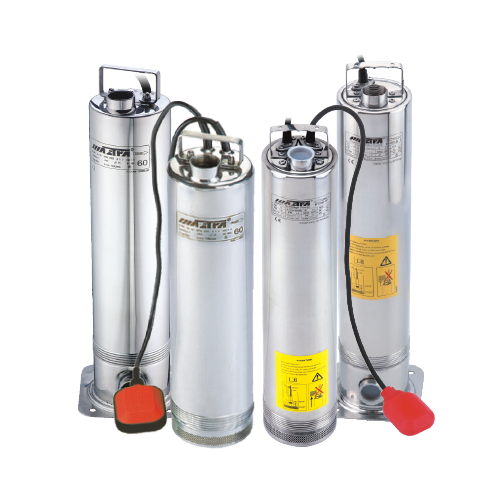
Submersible pumps rely on the surrounding water to keep cool. If your water source dries up while the pump is running, the motor can overheat and fail within minutes. Look for pumps with a float switch—a device that automatically shuts the pump off when the water level gets too low.
Step-by-Step Setup Guide
Ready to get started? Here is a simple workflow to get your system up and running.
Assess Your Needs: Determine how many sprinklers you want to run at once and check their GPH and PSI requirements.
Select Your Pump: Choose a continuous-duty submersible pump that meets those pressure and flow requirements.
Prepare the Intake: If pumping from a pond, place the pump in a filter bucket or wrap it in a filter mesh to protect against debris.
Connect the Hose: Attach a garden hose or irrigation pipe to the pump’s outlet. Ensure the diameter matches the pump's discharge size for maximum efficiency.
Install Inline Filter: Place a filter on the hose line before it reaches the sprinklers to catch fine sediment.
Submerge and Secure: Lower the pump into the water. Use a rope to lower and lift it; never pull it by the power cord.
Power Up: Plug in the pump. (Always use a GFCI outlet for safety near water).
Monitor: Watch the flow at the sprinklers. If the pressure is too high, you can install a ball valve to throttle the flow slightly.
1
Is It Worth the Effort?
Switching to a submersible pump system requires an initial investment of time and money. You have to buy the pump, the hoses, and potentially filtration equipment. However, the long-term savings can be substantial. If you are currently paying for municipal water to irrigate a large lawn, the return on investment can be realized in just a season or two.
Furthermore, using rainwater or pond water is often better for your grass. Municipal water contains chlorine and fluoride, whereas natural water sources are chemical-free and temperature-balanced.
By utilizing a submersible pump, you aren't just saving money; you are taking control of your resources and building a more self-sufficient home. Whether you are draining a rain barrel or pulling from a backyard creek, this powerful tool can be the key to the greenest lawn on the block.
submersible water pump
Submersible Pump
submersible pump manufacturers in china

Get Touch With Us
Contact Info
0086-139 2903 3707
+86 138 2702 0863
No.22, North 3rd Road, Duruan Town, Jiangmen City, Guangdong Province, China
Related Products