




Sourcing industrial equipment requires a careful balance of cost, reliability, and technical compatibility. When you need equipment to move water, sewage, or industrial fluids, the stakes are exceptionally high. A failing pump can cause severe operational delays, expensive repairs, and significant safety hazards.
Finding a reliable submersible pump manufacturer helps you avoid these costly operational nightmares. A strong manufacturing partner provides durable products built to exact specifications. They also offer the necessary support to keep your systems running smoothly over time.
This guide outlines exactly how to choose a submersible pump supplier for your specific business needs. We will cover the most important assessment criteria, including technical certifications, material quality, and OEM capabilities. By understanding these seven key factors, buyers can confidently reduce their decision-making risks and secure high-quality equipment.

7 Key Factors to Evaluate Submersible Pump Suppliers
Evaluating potential manufacturing partners requires a detailed look at their production standards and business operations. Use these seven factors to ensure you make the best possible choice.
1. Verify Technical Certifications
A credible submersible pump manufacturer must hold recognized industry certifications. Certifications prove that the facility follows strict quality control and safety standards. Always look for ISO 9001 compliance, which demonstrates a commitment to consistent quality management systems.
You should also check for product-specific safety certifications like CE. A CE mark indicates that the pumps meet the health, safety, and environmental protection standards required for sale within the European Economic Area. Sourcing from a certified facility significantly lowers the risk of receiving defective or unsafe equipment.
2. Assess Material Quality and Manufacturing Processes
The environment in which a submersible pump operates is notoriously harsh. Submerged in water, chemicals, or sewage, the equipment constantly faces the threat of corrosion and physical wear. You must review the specific materials used by the manufacturer during production.
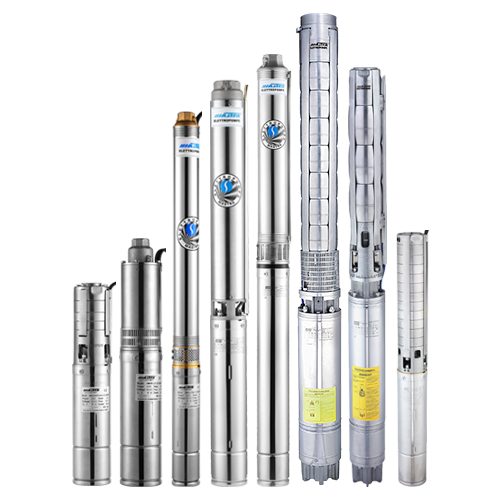
Look for suppliers that utilize high-grade stainless steel and other wear-resistant components. Stainless steel offers excellent corrosion resistance, extending the lifespan of the pump. Ask the manufacturer about their casting and machining processes to ensure the final product can withstand continuous, heavy-duty operation.
3. Review OEM and ODM Capabilities
Many buyers require custom solutions to fit unique industrial applications. If you need pumps tailored to specific voltage requirements or customized physical dimensions, you need an OEM submersible pump partner. Original Equipment Manufacturer (OEM) and Original Design Manufacturer (ODM) capabilities show that a supplier has a robust engineering department.
A supplier with strong OEM services can modify existing designs or create entirely new products based on your technical drawings. This flexibility is vital for businesses looking to scale their operations or integrate pumps into proprietary machinery.
4. Analyze Delivery Cycles and Production Capacity
Lengthy production delays can severely impact your project timelines. When evaluating a potential supplier, you must have a clear understanding of their standard delivery cycles. Ask for estimated lead times for both standard catalog items and custom OEM orders.
It is also helpful to assess the size and capacity of their manufacturing facility. A large-scale enterprise with high monthly output can handle bulk orders and unexpected spikes in demand. Ensure the supplier has the logistical infrastructure required to ship products safely and efficiently to your global location.
5. Investigate After-Sales Services
Your relationship with a pump manufacturer should not end once the products leave the factory. Reliable after-sales support is a crucial component of a smart purchasing decision. Submersible pumps require maintenance, occasional troubleshooting, and access to replacement parts.
Check if the manufacturer provides clear warranty terms for their motors and pump assemblies. Ask about their technical support response times and whether they offer remote troubleshooting assistance. A supplier that stands behind their product will help you minimize downtime if technical issues arise.
6. Check the Breadth of the Product Catalog
Working with a single supplier for multiple equipment needs simplifies your procurement process. Review the manufacturer's catalog to see the variety of products they offer. A comprehensive catalog suggests a deep understanding of fluid dynamics and diverse market needs.
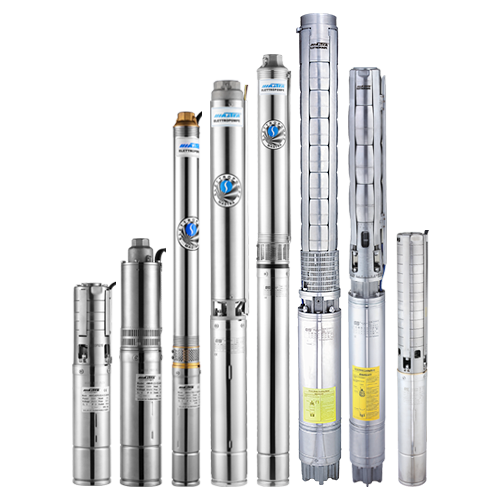
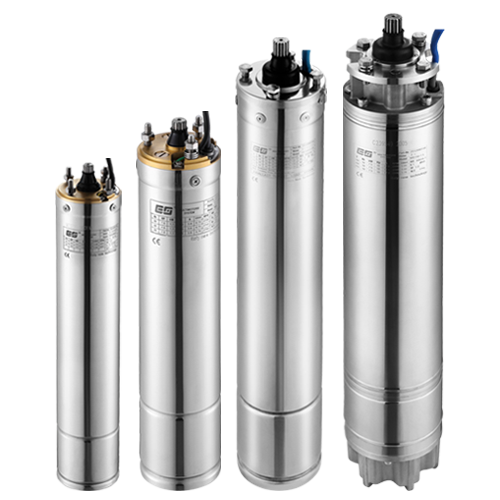
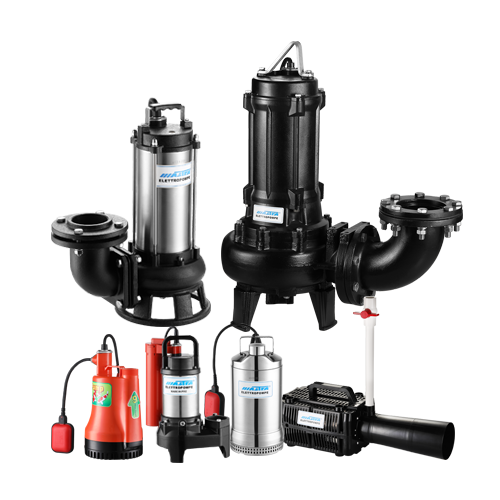
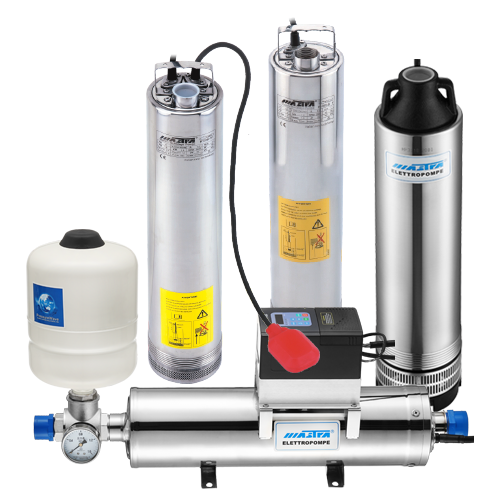
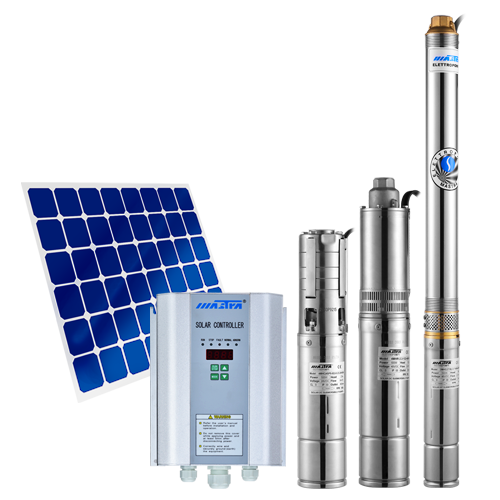
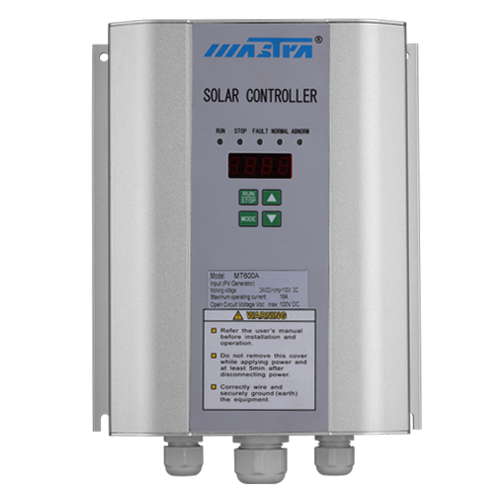
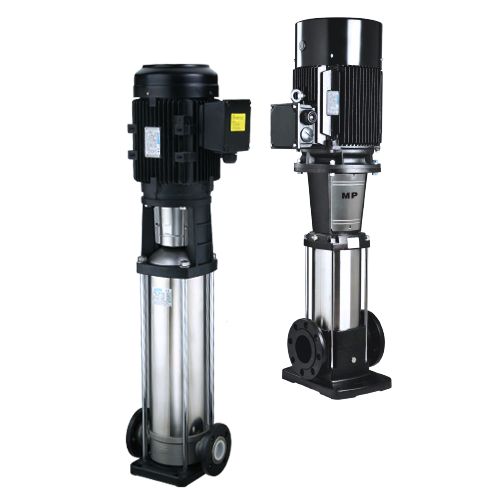
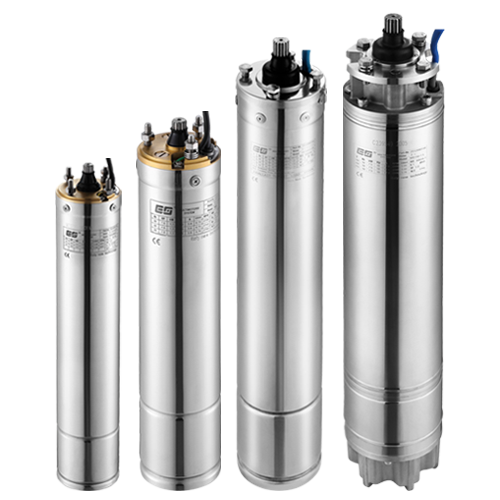
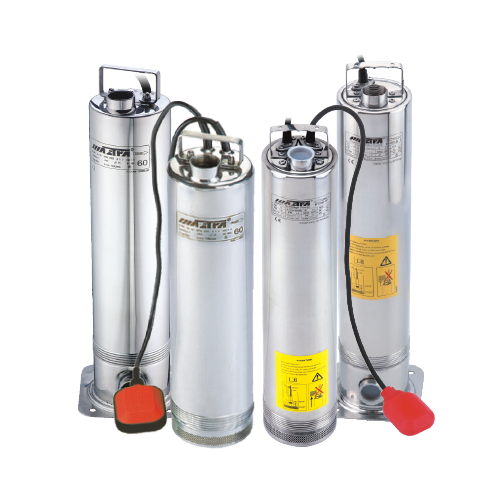
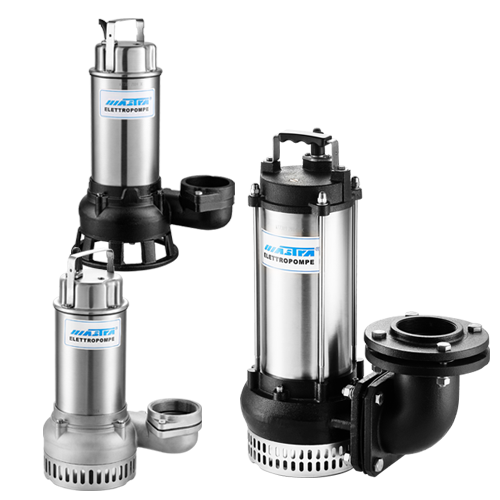
Look for companies that produce a wide range of equipment, including deep well pumps, sewage pumps, multi-stage centrifugal pumps, and solar water pump systems. They should also offer motors compatible with both 50Hz and 60Hz power grids to support different international markets.
7. Consider the Manufacturer’s Location and Export Experience
Sourcing equipment from established industrial hubs can offer significant pricing and logistical advantages. For example, partnering with a submersible pump manufacturer in China provides access to advanced production technology at highly competitive price points.
Companies like Guangdong Ruirong Pump Industry Co., Ltd. (MASTRA Pump) serve as excellent examples of established export enterprises. With decades of production experience and extensive national patents, they supply high-quality stainless steel pumps to numerous global markets. Selecting a manufacturer with proven export experience ensures they understand international shipping regulations and standard customs procedures.
Frequently Asked Questions About Sourcing Pumps
Why is stainless steel important for deep well pumps?
Stainless steel is highly resistant to rust and chemical corrosion. Deep well pumps are entirely submerged in ground water, which can contain abrasive minerals and corrosive elements. Stainless steel construction ensures the pump maintains its structural integrity and operational efficiency over many years of continuous use.
What is the difference between an OEM and an ODM supplier?
An OEM (Original Equipment Manufacturer) builds products based on the buyer's exact design and specifications. An ODM (Original Design Manufacturer) designs and manufactures products independently, allowing buyers to rebrand and sell those products under their own company name.
How can I verify a manufacturer's production capacity?
You can verify production capacity by requesting virtual factory tours or reviewing their facility floor area and machinery list. Many reputable suppliers also publish their average monthly output and export volume statistics to demonstrate their scale.
Make Your Next Pump Purchase with Confidence
Procuring the right industrial equipment directly impacts the success and profitability of your operations. By thoroughly evaluating technical certifications, material quality, and after-sales support, you can easily identify a trustworthy manufacturing partner.
Take the time to request detailed product catalogs and ask specific questions about OEM capabilities and lead times. A reputable supplier will gladly provide transparent answers and documentation to earn your business. Reach out to a verified manufacturer today to request a quote and secure reliable pumping solutions for your next big project.


Get Touch With Us
Contact Info
0086-139 2903 3707
+86 138 2702 0863
No.22, North 3rd Road, Duruan Town, Jiangmen City, Guangdong Province, China
Related Products