




Water extraction and management projects require significant capital, making the choice of equipment highly consequential. Purchasers constantly evaluate how to balance upfront costs with long-term operational efficiency. One of the most critical decisions is selecting the right motor type for your pumping system. Should you invest in a DC submersible pump or an AC submersible pump?
The answer depends heavily on your project's location, power availability, and flow requirements. Selecting the wrong technology can lead to inflated energy bills, frequent maintenance, or insufficient water pressure. This guide explores the distinct advantages of both technologies, helping you determine which option delivers the best return on investment (ROI) for your specific application.
The Case for the DC Submersible Pump
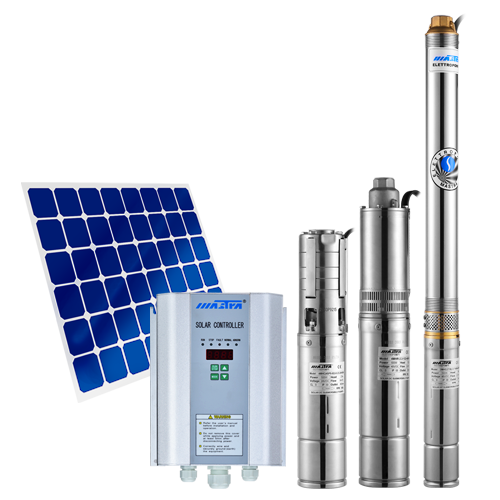
Direct current (DC) pumps have revolutionized water management in remote and off-grid locations. These systems operate using power that flows in a single direction, making them perfectly suited for renewable energy sources.
Off-Grid Independence
For projects situated miles away from the nearest municipal power grid, establishing a reliable electrical connection is often cost-prohibitive. A DC submersible pump solves this problem by integrating seamlessly with solar panels or battery banks. Agricultural operations, rural water supply initiatives, and remote livestock watering systems benefit immensely from this localized power generation. You gain complete energy independence and protect your project from grid outages or fluctuating utility rates.
Eliminating Inverters for Maximum Efficiency
One of the most significant advantages of a DC setup is the direct utilization of solar energy. Solar panels naturally produce direct current. When you use an AC pump with a solar array, you must install an inverter to convert the DC power into AC power. This conversion process inevitably results in energy loss, often reducing overall system efficiency by up to 20 percent.
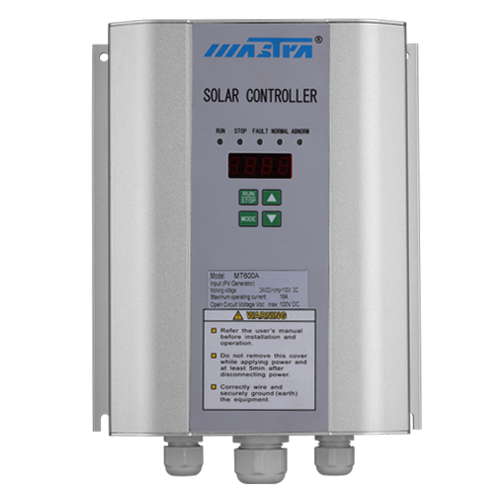
By utilizing a DC submersible pump, you bypass the need for an inverter entirely. The power flows straight from the panels to the pump motor. This reduces your initial hardware costs, eliminates a potential point of mechanical failure, and ensures that every watt of generated electricity goes directly toward moving water.

The Power of the AC Submersible Pump
While DC systems excel in off-grid environments, alternating current (AC) pumps dominate large-scale industrial, municipal, and commercial agricultural applications. These pumps rely on the standard electrical grid or large on-site generators.
Handling Large-Flow and High-Head Projects
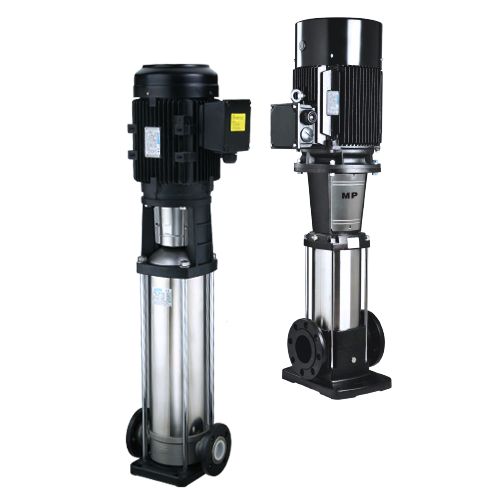
When a project requires moving massive volumes of water or pushing it up steep elevations, an AC submersible pump is usually the superior choice. AC motors are generally capable of generating higher horsepower than their DC counterparts. This makes them highly effective for deep well extraction, municipal water treatment facilities, and extensive crop irrigation systems. If your site demands a high flow rate and robust head pressure, an AC pump provides the raw mechanical power necessary to keep operations running smoothly.
Long-Term Cost-Effectiveness for Grid-Tied Sites
If your project site already has access to a stable, affordable utility grid, an AC pump often provides a better ROI. The upfront cost of an AC pump is typically lower than a comparable DC pump. Furthermore, you do not need to invest thousands of dollars in solar panels, mounting hardware, or battery storage systems. You simply connect the pump to your existing electrical infrastructure. For high-volume projects where power is readily available, the sheer reliability and lower initial purchase price of AC equipment make it a financially sound decision.
Partnering with the Right Manufacturer
Understanding the technical differences between pump types is only the first step. To truly maximize your ROI, you must source your equipment strategically. The market is flooded with options, so it is crucial to carefully choose submersible pump supplier partners that align with your project goals.
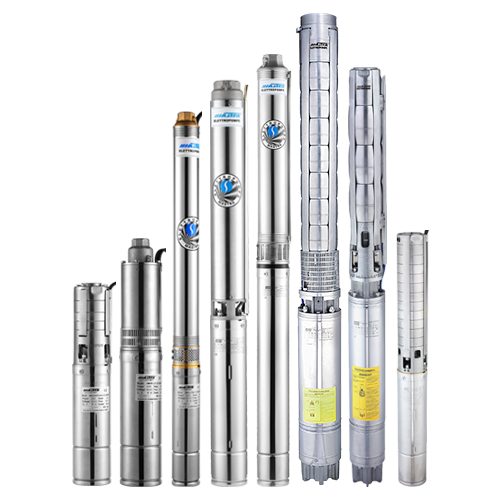
Working directly with a reputable submersible pump manufacturer ensures you receive authentic, high-quality equipment backed by solid warranties. Many project managers seek out an OEM submersible pump provider to customize equipment specifically for their unique flow and pressure requirements. Additionally, partnering with an established submersible pump manufacturer in China can offer exceptional cost savings without sacrificing engineering quality, providing access to scalable production and global shipping networks.
Frequently Asked Questions (FAQ)
Can a DC pump handle high-head applications?
Yes, certain engineered DC pumps can manage high-head requirements. However, for extreme depths or massive flow rates, AC pumps generally remain the more cost-effective and powerful solution.
Do I need a backup generator for a solar DC pump?
It depends on your water storage capacity. Many projects pump water into a large holding tank during daylight hours, eliminating the need for batteries or generators at night. If you require continuous 24/7 pumping, a battery bank or backup generator will be necessary.
How do maintenance costs compare between the two?
DC pumps with brushless motors require very little maintenance, though replacing the entire unit can be slightly more expensive. AC pumps are generally easier and cheaper to repair due to the widespread availability of standardized parts and local technicians.
Make the Right Investment for Your Water Project
Securing the best ROI requires aligning your equipment with your environmental and operational realities. A DC submersible pump offers unmatched efficiency and independence for off-grid, solar-powered projects by eliminating energy-wasting inverters.
Conversely, an AC submersible pump delivers the heavy-duty performance required for large-flow and high-head projects connected to a reliable power grid.
Evaluate your site's power access, calculate your daily water requirements, and consult with a trusted manufacturer to configure a pumping system that will drive your project's success for years to come.


Get Touch With Us
Contact Info
0086-139 2903 3707
+86 138 2702 0863
No.22, North 3rd Road, Duruan Town, Jiangmen City, Guangdong Province, China
Related Products