




Quick answer:
A standard DC submersible pump cannot reliably handle sewage solids. Most DC submersible pumps are built for clean water and solar irrigation, with narrow impellers that clog on rags, sludge, and debris. For wastewater with solids, you need a purpose-built submersible sewage pump featuring a vortex or cutter impeller and a wider solids-passage rating.
If you've ever tried to move dirty water with the wrong pump, you already know how fast things go wrong. Clogs, burnouts, and emergency call-outs add up quickly. Many buyers assume any submersible pump will work in a wastewater pit—after all, it sits underwater and pushes liquid. But sewage is a different beast entirely.
This post explains the real difference between a clean-water DC submersible pump and a dedicated sewage pump. You'll learn why solids handling matters, what specs to check before you buy, and how to match the right pump to your application. By the end, you'll know exactly what equipment your wastewater project needs—and what to avoid.
Table of Contents
What is a DC submersible pump designed for?
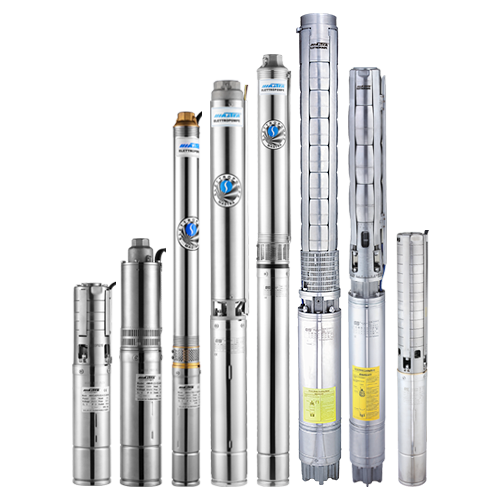
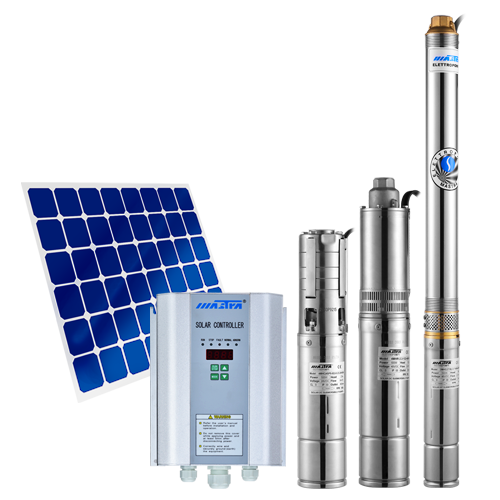
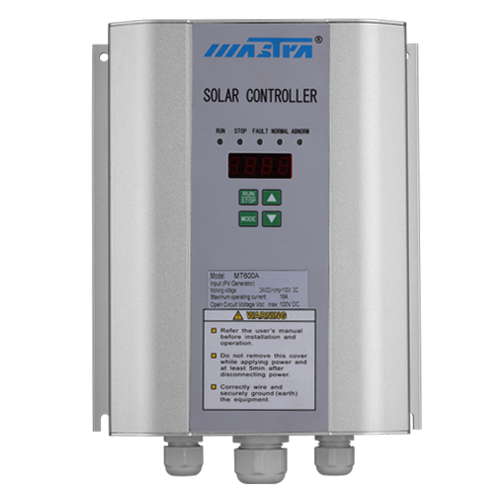
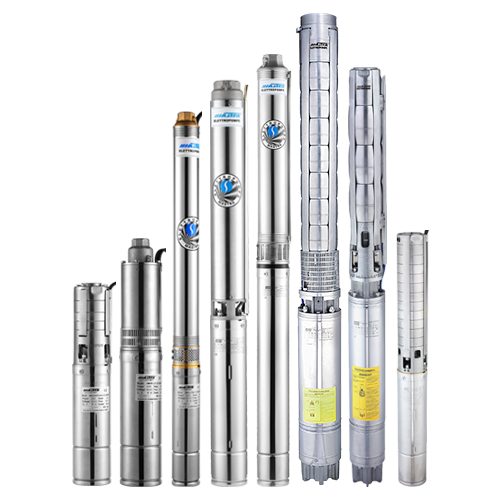
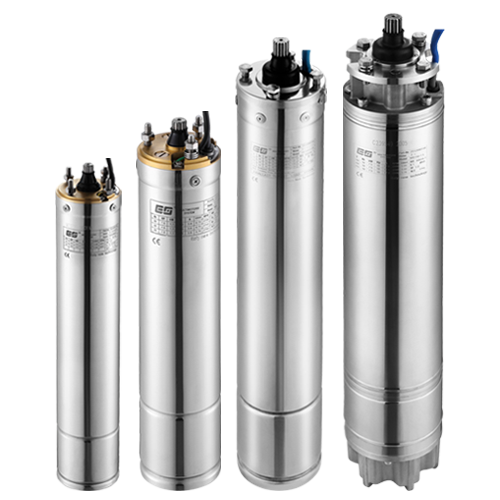
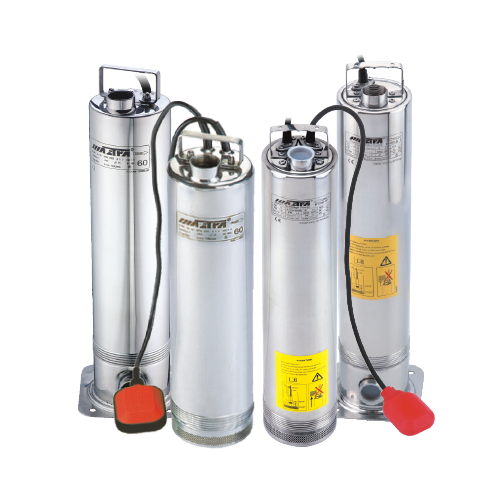
A DC submersible pump runs on direct current, often from solar panels or batteries. These pumps shine in off-grid settings like agricultural irrigation, livestock watering, and remote borehole supply. MASTRA's R95-DF solar series, for example, is built for pumping clean water from deep wells using solar power.
The key word here is clean. Most DC submersible pumps use multistage or radial impellers with tight internal clearances. Those tight tolerances boost efficiency and pressure when moving clear water. But they also mean even small particles can jam the works.
So while a DC submersible pump is excellent for what it's designed to do, that design rarely includes passing solids. The narrow flow paths that make these pumps efficient are the same paths that clog when faced with sewage.
Why can't a standard submersible pump handle sewage solids?
Sewage and wastewater carry a messy mix: organic sludge, fibrous material, grit, rags, and suspended particles. A standard sewage pump has to pass these without seizing up. A clean-water pump simply can't.
Three factors make the difference:
Impeller design. Clean-water pumps use closed or multistage impellers with small gaps. Sewage pumps use vortex, channel, or cutter impellers engineered to let solids flow through—or to chop them into smaller pieces.
Solids passage rating. A true submersible sewage pump is rated to pass solids of a specific diameter, often 35mm to 50mm or more. Standard DC pumps usually have no meaningful solids rating at all.
Material strength. Wastewater is abrasive and corrosive. Sewage pumps use heavy-duty cast iron or reinforced stainless steel to survive constant contact with grit and chemicals.
Run a clean-water pump in a sewage pit and you're inviting frequent clogs, overheating, and a shortened lifespan. The repair costs almost always exceed the savings of using the cheaper pump.
What features should a sewage pump have for solids handling?
When you shop for a submersible pump for solids handling, focus on the specs that actually deal with debris. Here's what matters most:
Vortex or cutter impeller. A vortex impeller creates a swirling flow that carries solids through with minimal contact. A cutter impeller shreds tough material like rags and fibers before pumping—ideal for raw sewage.
Generous solids-passage diameter. Check the maximum particle size the pump can pass. Bigger is better for raw, untreated waste.
Durable construction. Look for cast iron bodies or robust stainless steel that resists corrosion and abrasion.
Reliable sealing. A double mechanical seal with an oil chamber protects the motor from moisture and extends service life.
Adequate power and head. Sewage often needs to be lifted to a higher discharge point, so size the pump for both flow rate and total head.
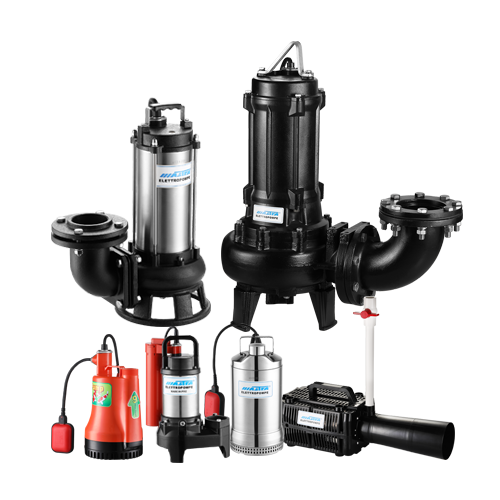
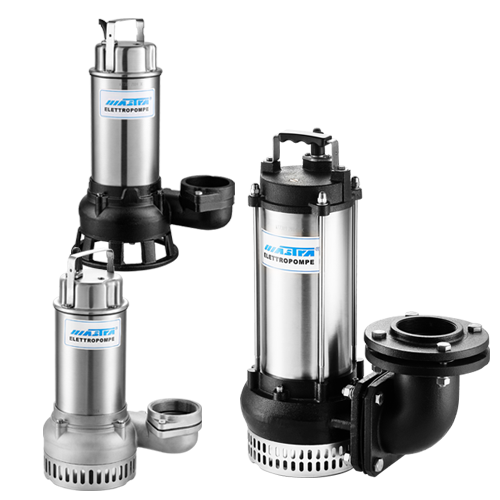
MASTRA manufactures a dedicated sewage pump range in both 50Hz and 60Hz versions, engineered specifically for these demands rather than adapted from clean-water designs.
Sewage pump vs. sludge pump: what's the difference?
People often use "sewage pump" and "sludge pump" interchangeably, but they aren't identical.
A sewage pump moves wastewater that contains soft solids and suspended particles—think municipal wastewater, building drainage, and septic transfer. A sludge pump handles thicker, denser material with a higher concentration of solids, such as the settled sludge at the bottom of treatment tanks.
Choose a sewage pump if you're moving flowing wastewater with manageable solids. Choose a sludge pump when the medium is thick, viscous, and heavily loaded with settled matter. Using a sewage pump on dense sludge often leads to overload, while using an oversized sludge pump on light wastewater wastes energy. Matching the pump to the actual medium is what keeps your system running.

Can you ever use a DC submersible pump in a wastewater system?
Yes—but only in the right role. A DC submersible pump can work well for the clean-water side of a wastewater operation. Examples include solar-powered transfer of treated effluent, dosing clear water in a remote treatment setup, or moving filtered water that no longer contains solids.
The deciding factor is simple. If the liquid still contains solids, grit, or sludge, you need a submersible sewage pump or a sludge pump. If the liquid is clean and you want off-grid, solar-friendly operation, a DC submersible pump is a smart choice.
Trying to force a clean-water DC pump into a solids-handling job is where buyers get burned. Match the pump to the medium, and both pump types earn their place.
How to choose the right pump for your application
Start by answering three questions:
What's in the water? Clean water, light sewage, or heavy sludge? This determines impeller type and solids rating.
How far and high must it move? Calculate your flow rate and total head to size the motor correctly.
What's your power source? Grid power points toward standard AC sewage pumps. Off-grid sites with clean water suit a DC submersible pump.
When in doubt, consult a manufacturer's pump selection tool or technical team. MASTRA offers a pump selection resource and direct support to help match equipment to your exact conditions, which removes the guesswork from a costly decision.
The bottom line on DC pumps and solids
A standard DC submersible pump is a fine tool for clean water and solar applications—but it isn't built to handle sewage solids. For wastewater loaded with debris, a purpose-built submersible sewage pump with a vortex or cutter impeller is the reliable choice. For thick, settled material, step up to a sludge pump.
The cheapest pump is rarely the cheapest solution once clogs and breakdowns enter the picture. Spec the right pump for your medium from the start, and you'll save on maintenance, downtime, and replacement costs for years.
Need help choosing? Explore MASTRA's sewage pump range and pump selection tools at mastrapump.com, or reach out to their team for a tailored recommendation.
Frequently asked questions
Can a DC solar submersible pump pump dirty water?
A DC solar submersible pump is designed for clean water from wells and boreholes. It can handle slightly turbid water but not sewage with solids, fibers, or sludge. For dirty water with debris, use a dedicated submersible sewage pump.
What size solids can a submersible sewage pump pass?
It varies by model, but many submersible sewage pumps pass solids between 35mm and 50mm, with some heavy-duty units handling larger debris. Always check the pump's stated solids-passage rating before buying.
What's the difference between a vortex and a cutter impeller?
A vortex impeller creates a swirling flow that carries solids through with minimal contact, reducing clogs. A cutter impeller shreds tough material like rags into smaller pieces before pumping. Cutter impellers suit raw sewage with fibrous waste.
Is a sewage pump the same as a sludge pump?
No. A sewage pump moves flowing wastewater with soft, suspended solids. A sludge pump handles thicker, denser material with a high concentration of settled solids, such as the sludge in treatment tanks.
How long does a submersible sewage pump last?
With correct sizing, quality construction, and routine maintenance, a well-matched submersible sewage pump can last several years. Lifespan drops sharply if you run a clean-water pump on sewage, since clogging and overheating cause premature failure.


Get Touch With Us
Contact Info
0086-139 2903 3707
+86 138 2702 0863
No.22, North 3rd Road, Duruan Town, Jiangmen City, Guangdong Province, China
Related Products