Quick answer:
The global solar water pump market was valued at roughly $1.7 billion in 2025 and is projected to reach $4.4 billion by 2035, growing at a CAGR of 9.7%. Within that market, the solar submersible pump segment alone is expected to hit $2.5 billion, driven by agricultural modernization, government incentives, and falling photovoltaic costs. For farmers and irrigation planners, solar submersible pumps like those from MASTRA Pump offer a durable, low-cost alternative to diesel-powered systems.
Irrigation has always been the backbone of food production, but the tools farmers use to move water are changing fast. Diesel generators and grid-tied electric pumps, once the default choice for well irrigation, are losing ground to a quieter, cheaper, and more resilient alternative: the solar submersible pump. As fuel costs climb and climate pressures intensify, agricultural operations across Asia, Africa, and Latin America are rethinking how they get water from underground aquifers to their fields.
This shift isn't just anecdotal. Market data points to a structural change in how irrigation infrastructure gets built and financed. Understanding the forces behind this growth can help farm operators, government agencies, and equipment buyers make smarter decisions about their next water system investment.

How big is the solar water pump market heading into 2026?
The solar water pump market reached an estimated $1.7 billion in 2025, and analysts project it will climb to $4.4 billion by 2035, reflecting a compound annual growth rate of 9.7% over the decade. The solar submersible pump segment specifically is forecast to reach $2.5 billion, making it one of the fastest-growing categories within renewable-powered agricultural equipment.
This growth isn't evenly distributed. It's concentrated in regions where grid electricity is unreliable or absent, diesel fuel is expensive to transport, and agriculture remains a dominant economic sector. Southeast Asia, South Asia, and parts of sub-Saharan Africa are seeing the steepest adoption curves, largely because solar submersible systems solve a problem that has persisted for decades: how to irrigate land that sits far from power infrastructure.
What's driving demand for solar submersible well pumps?
Three forces are converging to push solar submersible pumps from a niche technology into a mainstream irrigation solution.
Agricultural modernization and water-saving irrigation
As global food demand rises, farmers are under pressure to produce more with less water. Solar submersible well pumps pair naturally with drip and sprinkler irrigation systems, which require consistent, moderate water pressure rather than the high-volume bursts diesel pumps typically deliver. This compatibility makes solar pumps a practical fit for precision agriculture initiatives that prioritize water efficiency over raw output.
Beyond efficiency, these systems reduce labor demands. A solar submersible pump requires minimal daily maintenance compared to a diesel engine that needs fuel refills, oil changes, and manual starts. For smallholder farmers managing limited labor resources, that difference matters.
Policy support and renewable energy targets
Governments across the developing world have made rural electrification and renewable energy adoption policy priorities, and agricultural irrigation is often where those two goals intersect. In Myanmar, government and NGO-backed initiatives have supported the installation of solar irrigation systems across 540 separate projects, helping smallholder farmers reduce dependence on costly diesel fuel. In the Philippines, rural assistance programs have incorporated solar pump installations as part of broader agricultural support packages aimed at improving farm productivity in areas with limited grid access.
These programs typically combine subsidies, low-interest financing, or direct equipment grants, lowering the upfront cost barrier that has historically kept solar systems out of reach for smaller operations. Choose a subsidized solar submersible pump program if your farm operates in a region with active government or NGO irrigation initiatives, since these programs often offset 30-50% of equipment costs.
Falling photovoltaic component prices
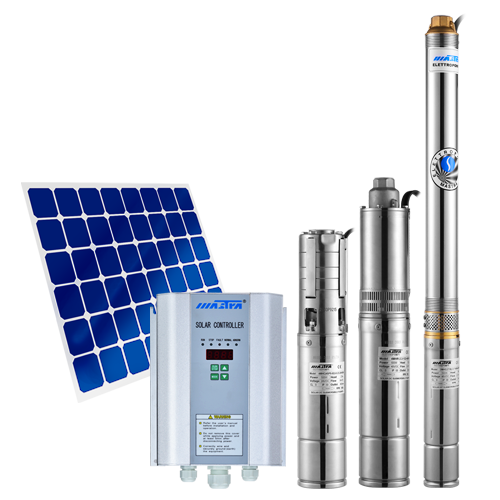
The cost of solar panels has dropped consistently over the past decade, and that decline continues to reshape the economics of solar-powered irrigation. Lower photovoltaic (PV) prices mean the total installed cost of a solar submersible pump system, panels, controller, and pump, keeps becoming more competitive against diesel alternatives, even in markets where diesel fuel remains relatively cheap.
This cost trend compounds with falling battery and controller prices, making hybrid systems (solar with grid or battery backup) increasingly viable for farms that need irrigation reliability during cloudy periods or at night.
Solar submersible pumps vs. diesel pumps: which should you choose?
The right choice depends on your specific farm conditions, not a blanket recommendation.
Choose a solar submersible pump if your property has consistent sun exposure, you're located far from reliable grid power, or you want to eliminate recurring fuel costs and reduce long-term operating expenses. Solar systems have higher upfront costs but dramatically lower costs over a 10-15 year lifespan, since there's no fuel to buy and fewer moving parts to maintain.
Choose a diesel pump if you need high-volume water output on demand regardless of weather, your budget can't absorb the upfront solar investment, or you're pumping from extreme depths that require more continuous power than a standard solar array can supply without battery backup.
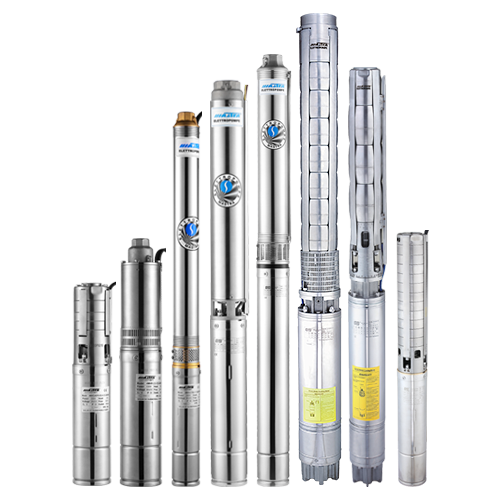
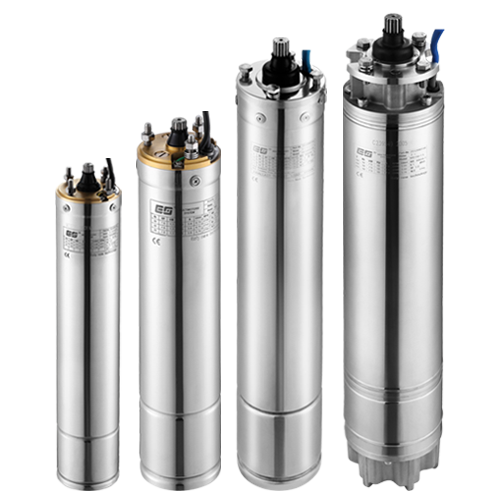
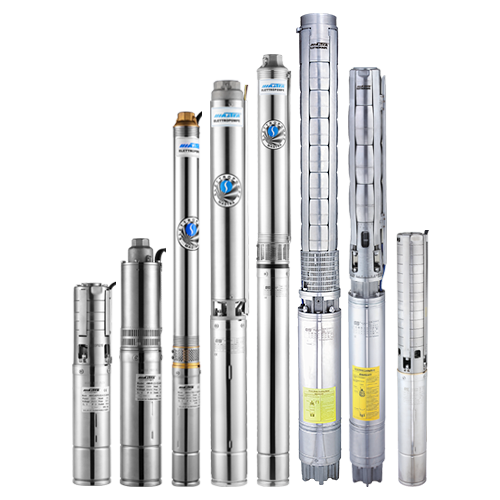
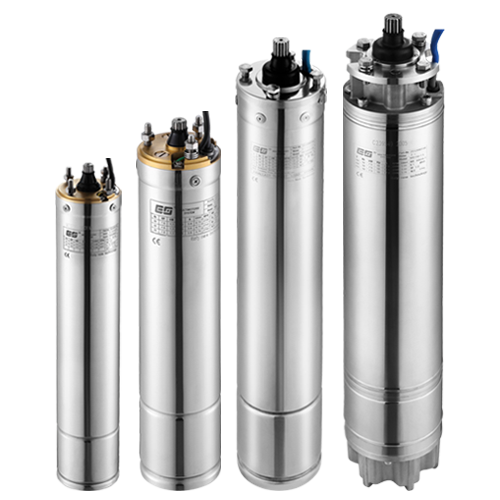
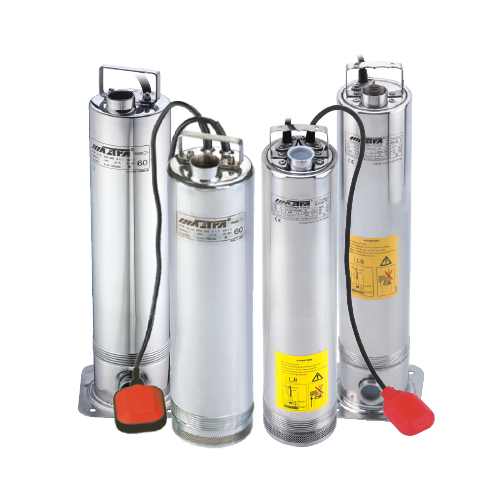
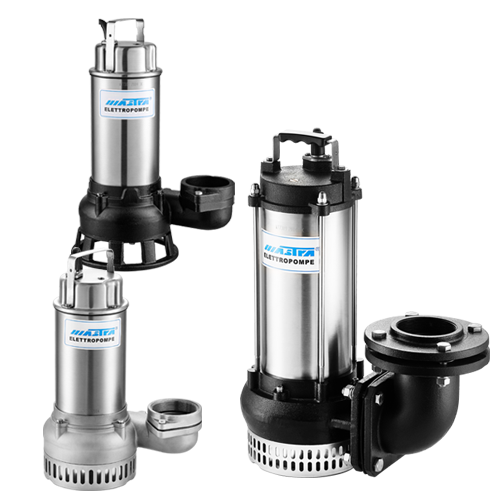
For most small to mid-sized irrigation operations in sun-rich regions, the long-term economics favor solar. MASTRA Pump, for example, manufactures stainless steel submersible pumps and motors designed specifically for well irrigation, offering configurations suited to both standard agricultural wells and deeper borehole applications.
What should buyers look for in a solar submersible pump system?
Not all solar submersible pumps are built the same, and the wrong configuration can lead to underperformance or premature failure. Buyers should evaluate:
Match the pump's maximum lift capacity to your well's actual depth, with some margin for seasonal water table fluctuations.
Stainless steel motors resist corrosion better than cheaper alternatives, extending service life in mineral-heavy or saline groundwater.
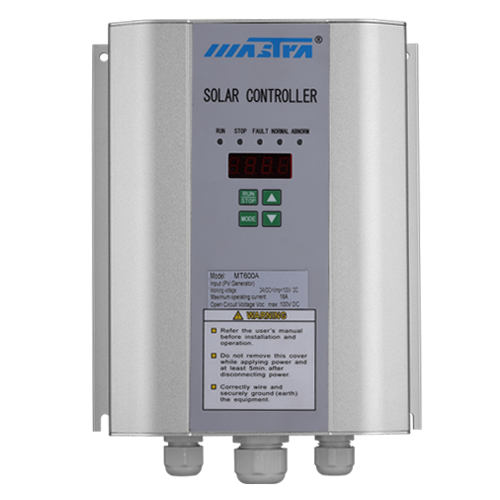
A quality solar controller regulates voltage fluctuations from the panel array, protecting the pump motor from damage during variable sunlight conditions.
Oversized panel arrays waste money; undersized arrays leave pumps underpowered during peak irrigation demand. A proper sizing calculation, often based on well depth and daily water volume needs, prevents both problems.
Working with a manufacturer that offers pump selection support, rather than a generic one-size-fits-all product, reduces the risk of mismatched equipment.
Planning your next irrigation investment
The data points in one direction: solar submersible pumps are moving from alternative technology to standard agricultural infrastructure. With the global solar water pump market on track to more than double by 2035, and submersible systems leading that growth, now is a practical time for farm operators and irrigation planners to evaluate whether a transition away from diesel makes sense for their operation.
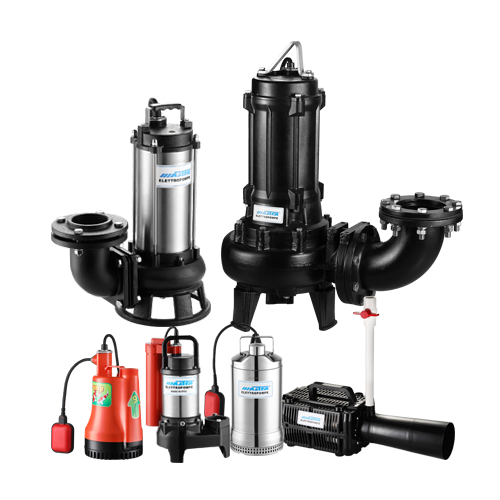
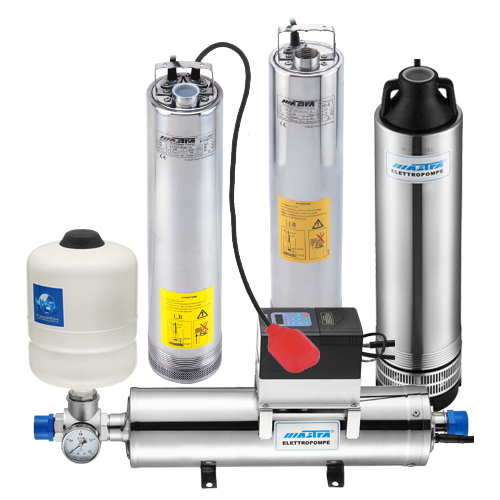
If you're exploring solar submersible pump options for your well irrigation project, reviewing manufacturer specifications, such as motor materials, depth ratings, and controller systems, is the first step toward a system that matches your farm's actual water needs. MASTRA Pump's product range, spanning submersible pumps, motors, and complete solar water pump systems, offers a starting point for comparing specifications against your site conditions.