Quick answer:
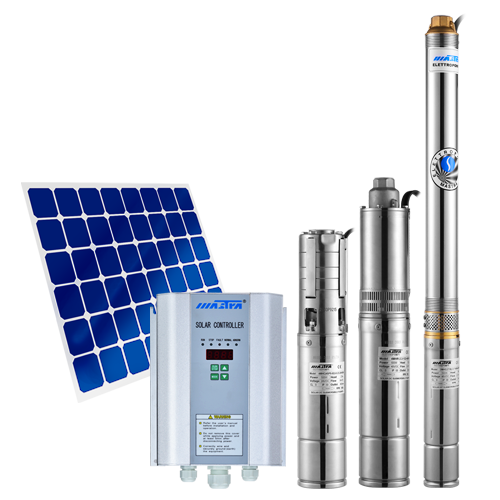
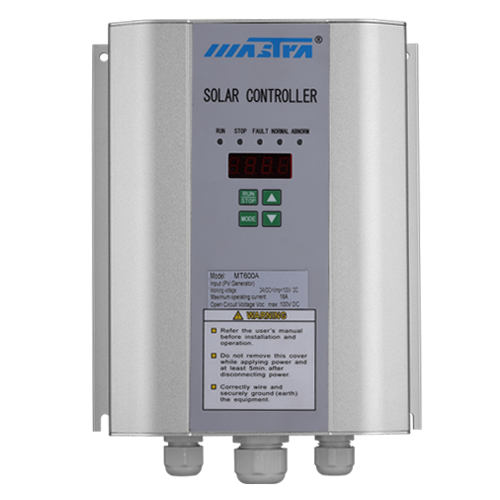
MASTRA PUMP, produced by Guangdong Ruirong Pump Industry Co., Ltd., stands apart because it owns its manufacturing—not just its brand. With in-house stainless steel and cast iron processing, flexible OEM/ODM production, controlled lead times, and proprietary solar pump controller technology, MASTRA PUMP operates as a reliable submersible pump factory rather than a trading intermediary.
When a procurement manager in Lagos or a distributor in São Paulo searches for a "reliable submersible pump factory," they're not just looking for a product catalog. They're trying to answer a harder question: will this supplier still be answering emails in six months, and will the next container match the sample that impressed them?
That question separates genuine manufacturers from trading companies rebranding someone else's pumps. And it's the question this post is built to answer, using MASTRA PUMP as the example throughout.

Why does it matter whether a supplier owns its factory?
Many companies selling submersible pumps online are trading companies. They source from multiple small workshops, repackage the output under a private label, and resell it at a markup. This model works until something goes wrong—a batch fails quality control, a part needs re-engineering, or a buyer needs a custom specification. At that point, the trading company has no direct control over production and can only relay requests to a factory it doesn't own.
MASTRA PUMP is manufactured by Guangdong Ruirong Pump Industry Co., Ltd., a company that controls its own production facility rather than outsourcing to third parties. This distinction matters for three practical reasons:
Quality consistency. When one company owns the full production line, it can enforce the same material standards and tolerances on every unit, batch after batch.
Direct accountability. If an issue arises, buyers deal with the people who built the pump, not a reseller relaying messages to an unnamed workshop.
Faster problem-solving. Engineering changes, replacement parts, and troubleshooting move faster when the manufacturer doesn't need to coordinate with an external supplier first.
What role does in-house material processing play in pump quality?
Submersible pumps live in harsh conditions—underground, underwater, often in mineral-heavy or corrosive water. The choice of material, and how precisely it's machined, directly determines how long a pump lasts before it fails.
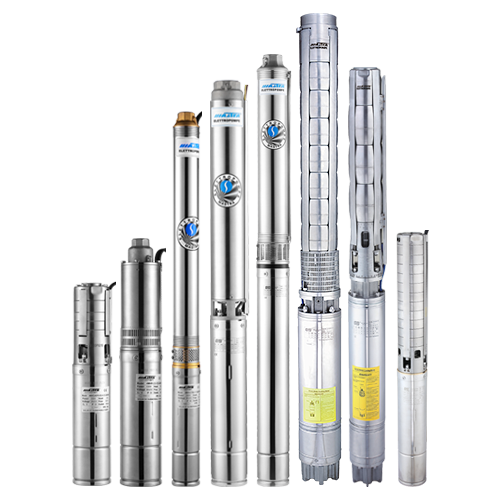
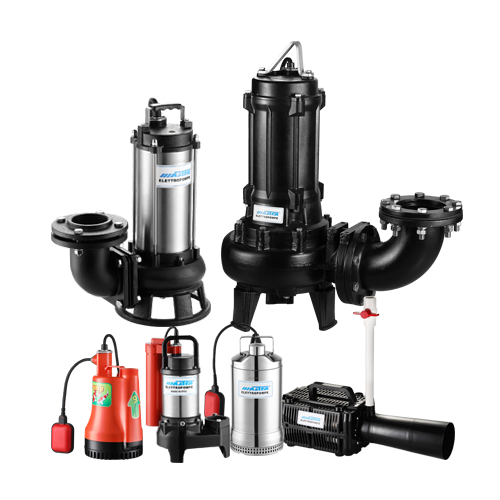
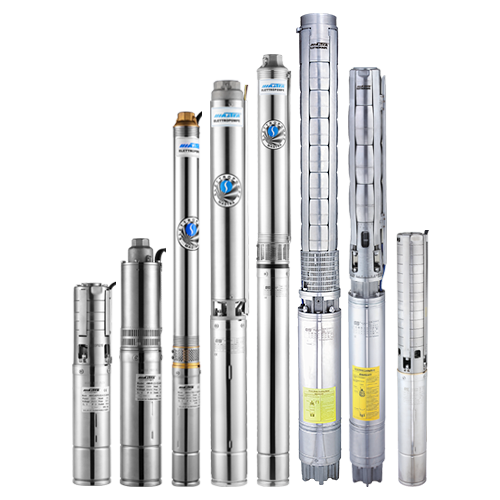
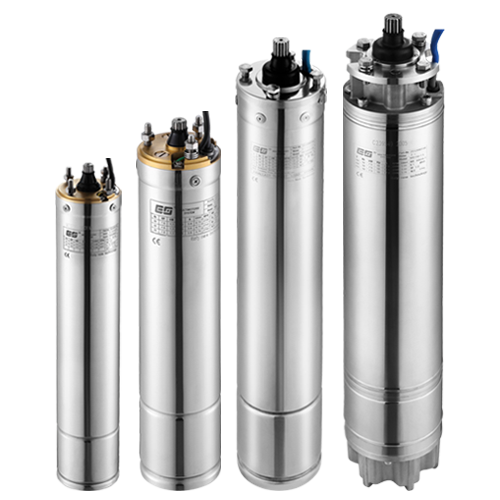
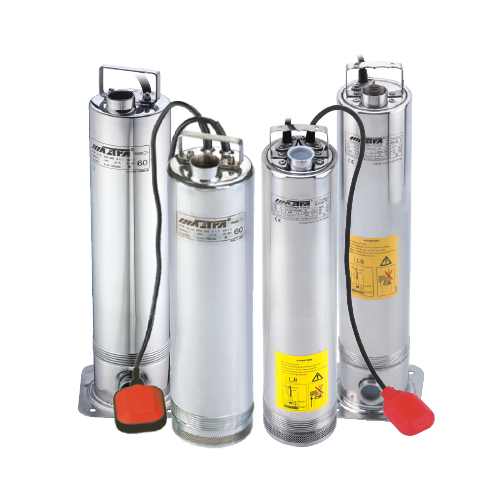
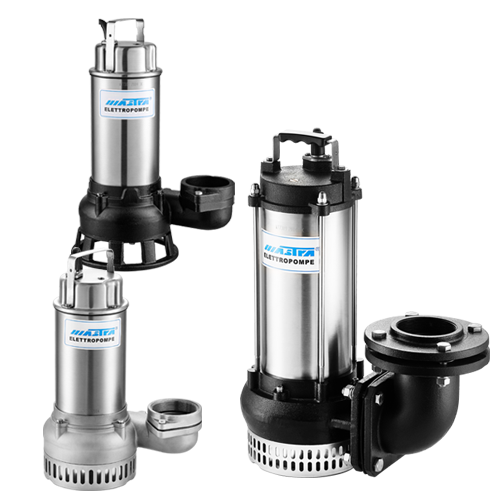
MASTRA PUMP's product range includes both stainless steel and cast iron submersible pumps, spanning sizes from 3-inch to 10-inch models designed for deep wells, boreholes, and mining applications. Rather than relying on outside vendors to supply finished components, the ability to process these materials in-house allows tighter control over wall thickness, surface finish, and corrosion resistance.
This matters especially for buyers in regions with aggressive groundwater chemistry. A 316L anti-corrosion stainless steel pump, for example, is built specifically for mining and high-corrosion environments where a standard-grade pump would degrade within months. Choose full stainless steel construction if your water source has high mineral content or salinity; choose a standard cast iron option if cost efficiency matters more than extreme corrosion resistance and your water conditions are moderate.
How does OEM/ODM flexibility benefit international buyers?
Import businesses, distributors, and installers rarely want an identical, off-the-shelf product for every market. A distributor in a Francophone country may need French-language labeling and documentation. A buyer serving a 60Hz electrical market needs motor specifications that differ from a 50Hz region. A private-label importer wants their own branding on the pump housing.
This is where OEM/ODM capability becomes a genuine differentiator rather than a marketing phrase. A manufacturer offering true OEM/ODM service can adjust:
Voltage and frequency specifications (50Hz and 60Hz product lines)
Pump diameter and stage configuration for different well sizes
Branding, packaging, and documentation for private-label resale
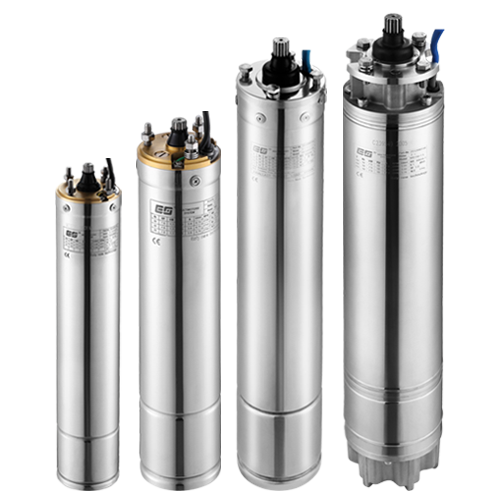
Motor and controller pairings for specific regional power conditions
Buyers sourcing for resale should ask any prospective supplier a direct question: can you modify the specification sheet, or only the label? A trading company can usually only change the label. A manufacturer with in-house engineering can change the specification itself.
Why does lead time control matter more than low prices?
Price is often the first filter buyers apply, but it's rarely the deciding factor once a relationship moves past the initial quote. Lead time reliability tends to matter more, especially for distributors who are managing their own customer commitments and can't absorb open-ended delays.
A factory that controls its own casting, machining, and assembly processes can forecast production timelines with more accuracy than a trading company waiting on multiple external suppliers to each hit their own deadlines. With a stated monthly output in the tens of thousands of units and a dedicated production facility, Guangdong Ruirong Pump Industry Co., Ltd. is positioned to give buyers firmer delivery commitments than companies assembling orders from fragmented supply chains.
For buyers planning seasonal installations—agricultural irrigation ahead of planting season, for instance—a missed delivery window isn't just an inconvenience. It can mean a lost growing season for the end customer. This is one of the most underrated criteria when evaluating the best submersible pump manufacturer China has to offer: not just can they build it, but can they deliver it when they said they would.
What should buyers expect from after-sales support?
A pump that fails six months after installation, with no clear path to repair or replacement, is a liability disguised as a bargain. After-sales response separates manufacturers who stand behind their products from those who disappear after the invoice clears.
A responsive after-sales mechanism typically includes:
A named technical contact, not a general inquiry inbox
Spare parts availability for motors, impellers, and seals
Willingness to troubleshoot field issues remotely before requiring a return
Documented warranty terms specific to the product line purchased
Buyers evaluating a reliable submersible pump factory should ask for examples of how past issues were resolved, not just warranty length on paper. A factory that can describe a specific resolution process signals operational maturity; one that can only point to a generic policy document often hasn't been tested yet.
How does proprietary technology like solar pump controllers add value?