




Quick answer:
To verify submersible pump quality before a bulk order, buyers should request sample test reports, inspect key component materials (such as stainless steel thickness), conduct noise and vibration tests, and perform an on-site or remote video factory audit. These steps significantly reduce the risk of receiving defective or substandard products.
Ordering submersible pumps in bulk is a significant investment. One bad batch can mean warranty claims, project delays, and damaged relationships with your own clients. Yet many buyers skip the verification stage entirely, relying on a supplier's catalog photos and price sheet alone.
That's a costly mistake.
Whether you're sourcing deep well pumps, sewage pumps, or solar water pump systems, the quality gap between suppliers can be enormous—even when the specs on paper look identical. A pump rated at the same horsepower and flow rate can perform very differently depending on the material grade of its impeller, the thickness of its stainless steel casing, or the tolerances maintained on the factory floor.
This guide walks you through a practical, step-by-step quality verification process for submersible pumps—from reviewing sample test documentation to conducting a full factory audit, whether in person or via remote video. Follow these steps before committing to a bulk order, and you'll have the evidence you need to buy with confidence.
Table of Contents
Why Does Pre-Shipment Quality Verification Matter for Submersible Pumps?
Submersible pumps operate in demanding environments: submerged underwater, often under high pressure, and expected to run continuously for years. Unlike a consumer product where a failure means a return and refund, a failed submersible pump in a deep borehole or irrigation system can mean thousands of dollars in extraction costs alone.
For bulk buyers, the stakes are even higher. A quality issue that affects 10% of a 500-unit order doesn't just erode your margin—it erodes your reputation. Clients who receive faulty pumps rarely distinguish between the manufacturer and the distributor.
Pre-shipment verification shifts control back to the buyer. It allows you to catch problems before they become your problem.
Step 1: Request and Review Sample Test Reports
Before a single unit ships, ask your submersible pump manufacturer for documented test reports on the specific pump models you're ordering. A reputable supplier will have these on hand.
What should a legitimate pump test report include?
A credible test report should cover the following:
Flow rate and head pressure curves tested across multiple operating points
Motor insulation resistance readings (typically measured in megaohms)
Power consumption and efficiency under rated load conditions
Hydrostatic pressure testing results to confirm casing integrity
Startup and shutdown performance data
Third-party certification references, such as CE, ISO 9001, or country-specific electrical safety standards
Look for reports issued by accredited third-party testing laboratories rather than documents produced entirely in-house. Cross-check the model numbers on the report against the exact SKUs in your purchase order. If there's a mismatch, request a fresh test on the exact production batch.
One important note: test reports describe what a pump can do under controlled conditions. They are a starting point, not a guarantee. Pair them with physical inspection for a complete picture.
Step 2: Inspect Key Component Materials
Performance on paper means little if the physical materials don't hold up in the field. For submersible pumps, the material quality of several components is critical to long-term reliability.
What materials should you inspect in a submersible pump?
Stainless Steel Grade and Thickness
The most important material check for most submersible pumps is the stainless steel used in the casing, impeller, and pump body. Common grades include 304 and 316 stainless steel. Grade 316 offers better corrosion resistance, particularly in saline or chemically aggressive water—making it the preferred choice for coastal installations or wells with high mineral content.
Use a thickness gauge to verify that the stainless steel walls match the manufacturer's stated specifications. Thin-walled casings are a common cost-cutting measure that significantly reduces pump lifespan.
Impeller Material and Precision
The impeller is the pump's workhorse. Check whether it's manufactured from the same stainless steel grade as the casing, or from a lower-grade material. Inspect the impeller channels for smoothness—rough surfaces cause turbulence, reduce efficiency, and accelerate wear.
Motor Winding and Insulation
For the submersible motor, inspect the winding wire for copper purity. Some manufacturers substitute copper-clad aluminum wire, which has lower conductivity and higher failure rates under heat. Request a sample cross-section or a copper purity certificate if there's any doubt.
Seals and O-Rings
Water-tightness depends on the quality of mechanical seals and rubber O-rings. Check that the materials are rated for the operating temperature and water chemistry of your target application. NBR (nitrile rubber) suits standard freshwater applications, while EPDM or Viton compounds are preferable for chemically complex environments.
Step 3: Conduct Noise and Vibration Tests
A submersible pump that passes a paper inspection can still reveal problems during operation. Noise and vibration testing is one of the most reliable ways to identify manufacturing defects that documentation alone won't catch.
How do you perform a submersible pump noise and vibration test?
Vibration Analysis
Excessive vibration is a symptom of imbalanced rotating parts, misaligned shafts, or worn bearings. Use a vibration meter (accelerometer) to measure vibration levels at the motor housing during operation. Compare readings against the manufacturer's stated maximum vibration limits. Persistent vibration above rated limits points to assembly inconsistencies—particularly problematic in large batch production, where quality control may be less rigorous than during sample production.
Acoustic Noise Measurement
Measure sound pressure levels (in decibels) with the pump running at full load. A sudden increase in noise compared to baseline—or an irregular, grinding quality—typically signals cavitation, impeller contact, or bearing damage.
Run-In Testing
Whenever possible, request a run-in test of at least 30 minutes under load before the pump is shipped. This catches early-life failures that occur as components settle. Ask the factory to provide a video recording of the run-in test if an in-person visit isn't feasible.
Step 4: Perform a Factory Audit (On-Site or Remote Video)
Reviewing documentation and inspecting samples tells you about individual units. A factory audit tells you whether the processes that produced those units can be consistently replicated across your entire bulk order.
What should a factory audit for a submersible pump supplier cover?
Production Environment
Check that the factory maintains a clean, organized production floor. Contamination during assembly—particularly of seals, bearings, and motor windings—is a leading cause of premature pump failure. Look for evidence of quality management systems, such as ISO 9001 certification, which requires documented procedures for production and inspection.
Raw Material Traceability
Ask to see incoming material inspection records. A well-run factory tracks the origin and grade of every batch of steel, copper, and rubber that enters the production line. If records are vague or unavailable, treat this as a significant red flag.
In-Process Quality Control
Observe (or request footage of) the assembly line. Key checkpoints include:
Torque verification on fasteners
Leak testing of assembled units before painting or packaging
Electrical testing of motor windings after assembly
Final run testing of completed pumps
Workforce and Equipment
A factory's equipment tells you a lot. CNC machining centers, precision balancing machines, and dedicated pressure test stations indicate a serious manufacturing operation. High staff turnover or inadequately trained workers on the assembly line, on the other hand, is associated with inconsistent build quality.
Remote Video Audits
If a site visit isn't practical, a structured video audit can still yield valuable information. Ask the supplier to conduct a live walkthrough via video call, covering the production floor, raw material storage, quality control stations, and finished goods inspection area. Prepare a written checklist in advance so the audit is systematic rather than a guided tour of the areas the supplier prefers to show.

Pre-Bulk Order Quality Verification Checklist
Use this checklist before approving a bulk order of submersible pumps:
Third-party test reports received and cross-referenced against order SKUs
Stainless steel grade confirmed (304 or 316) and wall thickness measured
Impeller material and surface finish inspected
Motor winding copper purity verified (certificate or cross-section sample)
Mechanical seals and O-rings rated for target application
Vibration levels measured and within manufacturer specifications
Acoustic noise levels measured at full load
Run-in test completed (minimum 30 minutes) and documented
Factory quality management certification reviewed (e.g., ISO 9001)
Raw material traceability records inspected
In-process inspection checkpoints observed
Production equipment appropriate for the product type
Remote or on-site factory audit completed with documented findings
Choosing a Reliable Submersible Pump Manufacturer
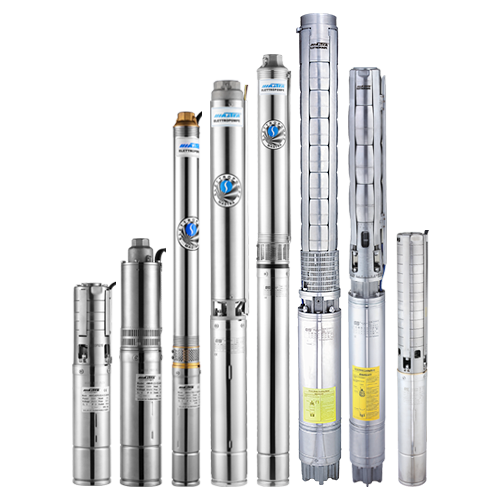
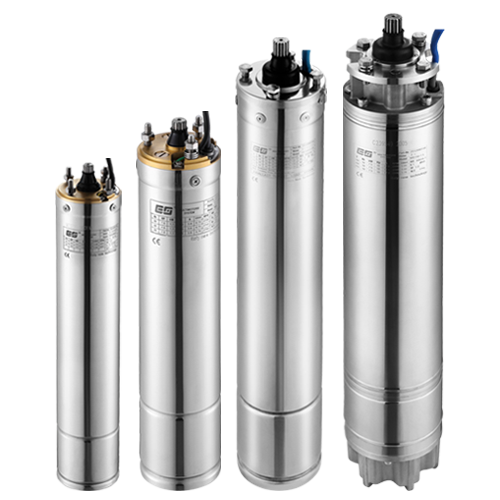
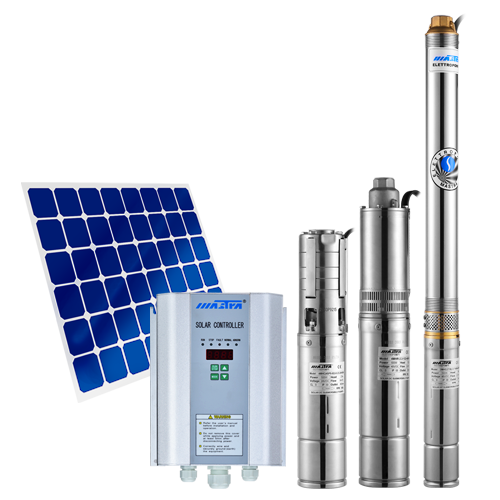
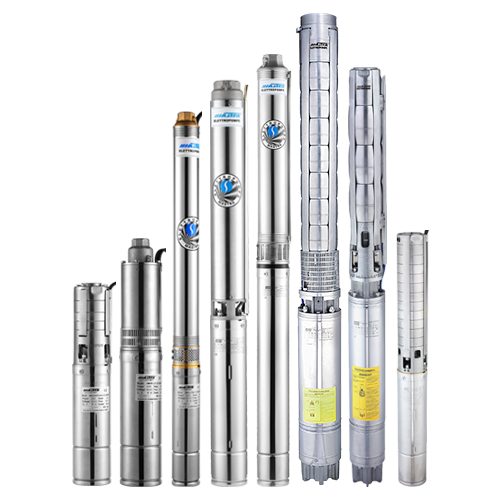
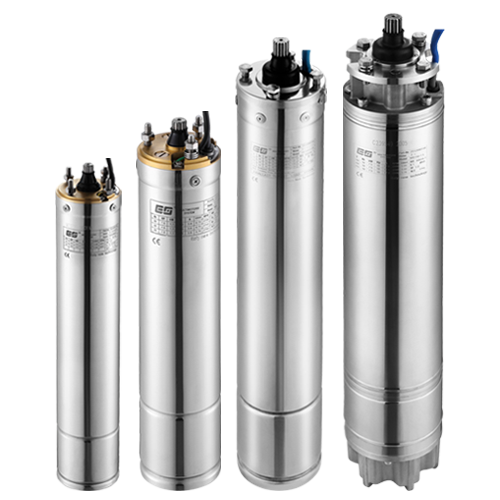
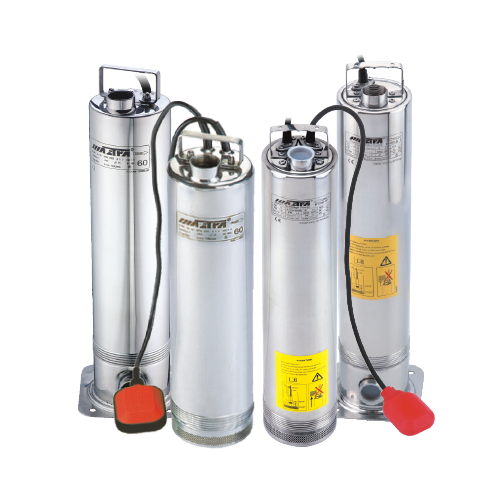
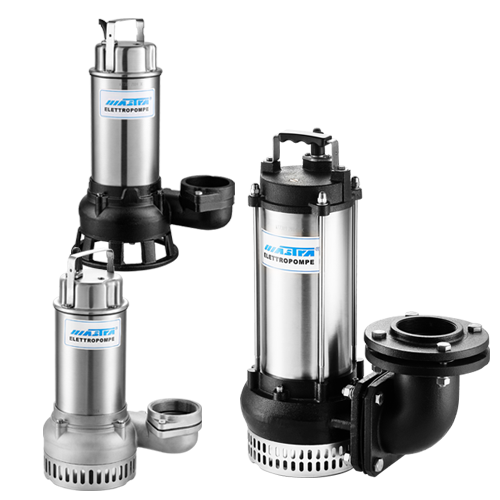
A rigorous verification process becomes much easier when you start with a supplier who supports transparency. MASTRA Pump, manufactured by Guangdong Ruirong Pump Industry Co., Ltd., is an established submersible pump manufacturer based in Jiangmen City, Guangdong Province, China. MASTRA submersible pumps span a wide range—including 3-inch, 4-inch, 5-inch, and 6-inch deep well pumps—with full stainless steel construction across multiple series.
For bulk buyers, a supplier with documented production experience, held national patents, and a track record in international export markets provides a stronger starting point than an unknown factory offering unusually low pricing. MASTRA Pump has exported to numerous markets and participates in international trade events, making factory audits and sample testing a standard part of their buyer engagement process.
Choose a manufacturer who welcomes verification. A supplier who resists sample testing, deflects questions about raw material sourcing, or is reluctant to support a factory audit is signaling something important.
Protect Your Order Before It Ships
Verifying submersible pump quality before a bulk order isn't optional—it's the difference between a profitable procurement and a dispute that consumes months of effort. The four-step process outlined here—test report review, material inspection, noise and vibration testing, and factory audit—covers the most critical failure points in submersible pump manufacturing.
Run through the checklist above before you approve your next order. And if you're evaluating suppliers, contact MASTRA Pump at mastrapump.com to request product documentation, sample units, or to arrange a factory audit.
Frequently Asked Questions
What is the most important quality check for a submersible pump before bulk ordering?
The most critical check is material verification—specifically confirming the stainless steel grade (304 vs. 316) and wall thickness. Material substitution is the most common cost-cutting shortcut in submersible pump manufacturing and the most significant predictor of early-life failures.
How do I know if a submersible pump test report is genuine?
Request reports issued by accredited, independent third-party testing laboratories rather than documents produced solely by the manufacturer. Verify that the model numbers on the report match your exact purchase order SKUs. If in doubt, commission an independent pre-shipment inspection through a recognized inspection agency.
Can I verify submersible pump quality without visiting the factory?
Yes. A structured remote video audit—conducted via live video call with a prepared checklist—can cover most of the critical inspection points, including the production floor, raw material storage, in-process quality control stations, and run-in testing. Request video documentation of noise and vibration tests as supplementary evidence.
What stainless steel grade should a quality submersible pump use?
Grade 316 stainless steel provides superior corrosion resistance and is recommended for pumps used in saline water, high-mineral boreholes, or chemically aggressive environments. Grade 304 is suitable for standard freshwater applications. Confirm the exact grade in writing before placing a bulk order.
How long should a run-in test be for a submersible pump pre-shipment inspection?
A minimum run-in test of 30 minutes under full rated load is standard practice for submersible pump pre-shipment inspection. This duration is sufficient to identify early-life mechanical failures, abnormal vibration, and thermal issues in the motor winding.
What certifications should I look for in a submersible pump manufacturer?
Look for ISO 9001 quality management certification, CE marking for European markets, and any country-specific electrical safety certifications relevant to your target market. These certifications indicate that the manufacturer follows documented procedures for production quality and product safety.


Get Touch With Us
Contact Info
0086-139 2903 3707
+86 138 2702 0863
No.22, North 3rd Road, Duruan Town, Jiangmen City, Guangdong Province, China
Related Products