



Understanding and Choosing the Right Sewage Pump for Your Needs
When dealing with wastewater management, a reliable sewage pump can make all the difference. These pumps are essential for moving wastewater and solids from one location to another, playing a crucial role in both residential and commercial drainage systems. Whether you're exploring options for your home, a commercial building, or an industrial setup, understanding how these pumps work and their various types can help you make a better-informed purchase.
This article will take you through the basics of sewage pumps, including what they are, different types like sewage ejector pumps and submersible sewage pumps, and how to choose the right one. We’ll also provide answers to commonly asked questions.
What Is a Sewage Pump?
A sewage pump is a device designed to move solids and liquids from one location to another. Most often, they are used in plumbing systems to transfer wastewater from lower levels—such as basements—to the main sewer line or a septic tank. These pumps are especially useful in situations where gravity drainage isn’t possible due to the layout or elevation of the property.
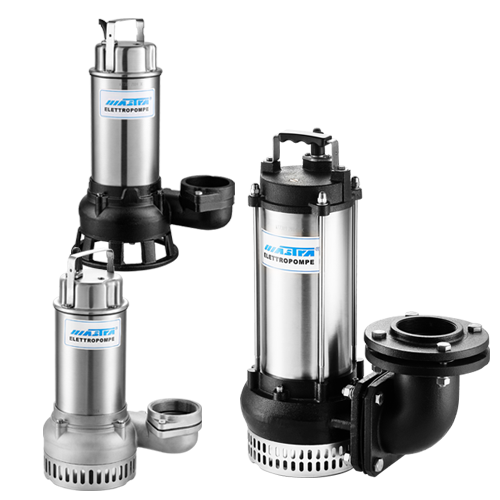
Sewage pumps are typically housed in areas like sump pits or basements and activate when a certain level of wastewater is detected. They use powerful impellers to handle both liquids and semi-solids, ensuring efficient removal of waste while minimizing the risk of clogs.


Key Features of Sewage Pumps:
Powerful Impellers: These handle liquids and solids effectively.
Durability: Most are made from corrosion-resistant materials like cast iron or stainless steel.
Automatic or Manual Modes: Some pumps feature float switches for automatic activation.
Types of Sewage Pumps
While all sewage pumps perform the same general function, several types are specialized for different needs. Here’s a breakdown of two commonly used sewage pumps:
1. Sewage Ejector Pump
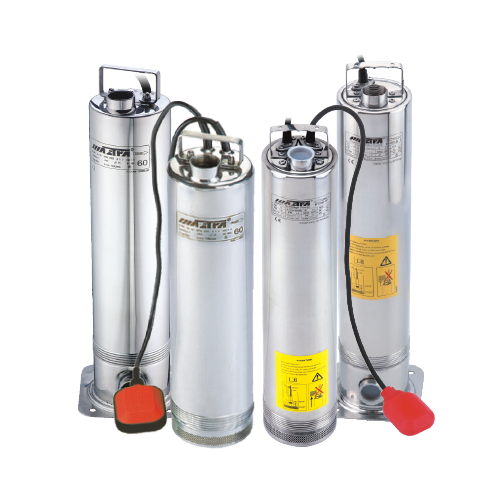
A sewage ejector pump is designed to move wastewater and solids from spaces like basements to the main sewer lines. They are suited for handling waste with solid particles that measure up to 2 inches in diameter. These are ideal for residential properties with bathrooms or laundry areas below the main sewer line.
Key Characteristics:
Best for homes with below-grade facilities. Can process both liquid and solid waste. Often equipped with automatic float switches.
2. Submersible Sewage Pump
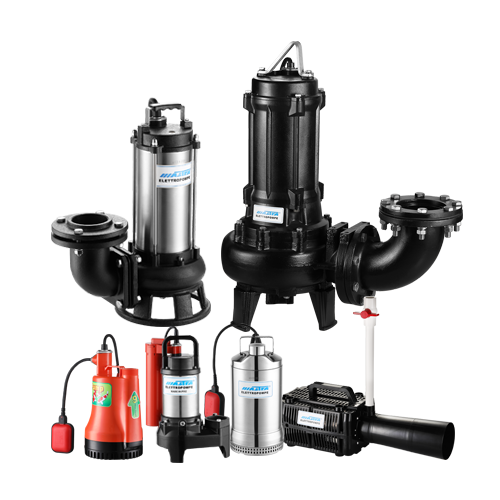
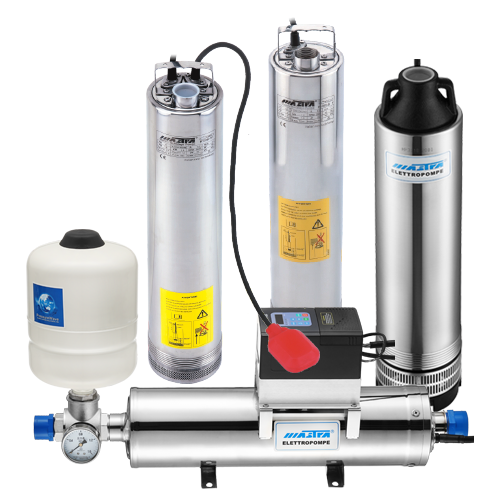
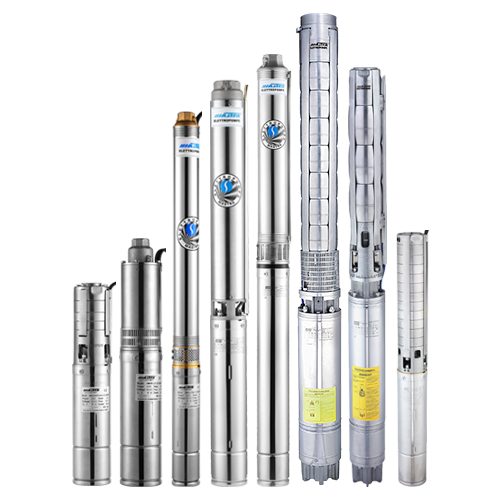
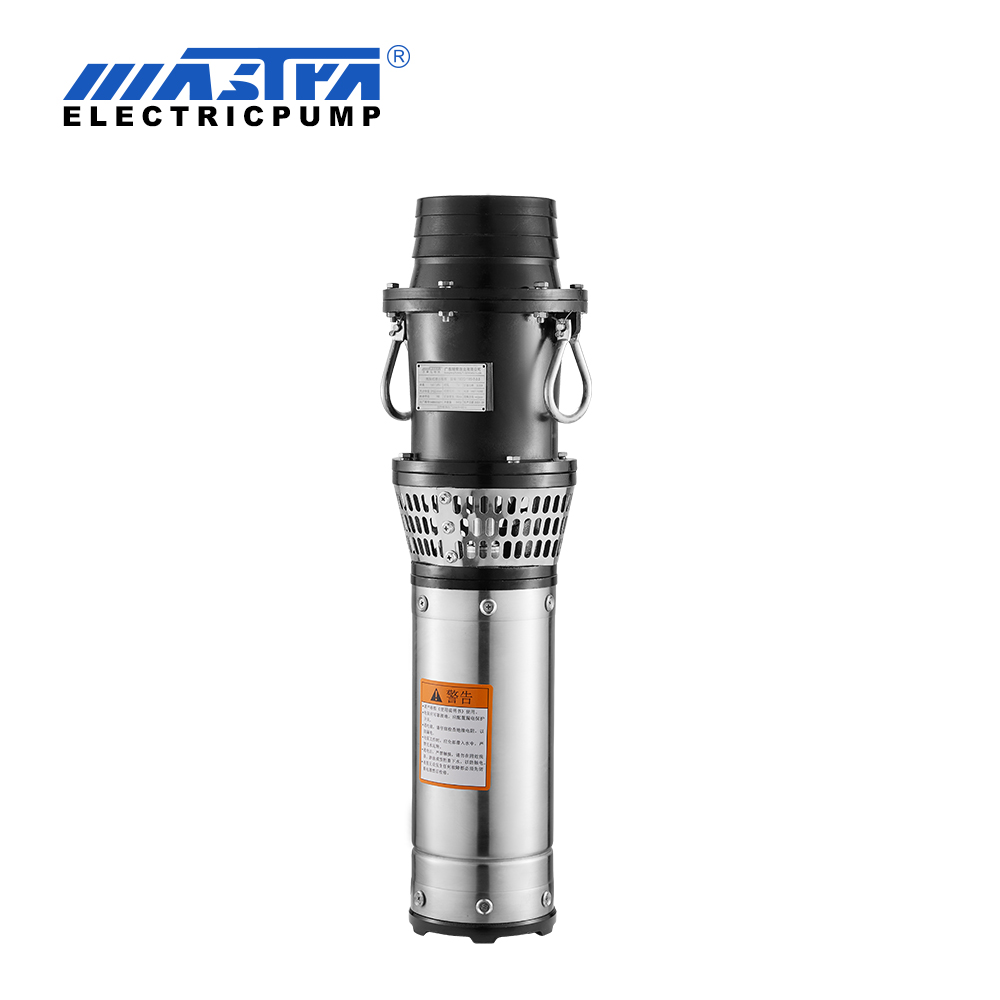
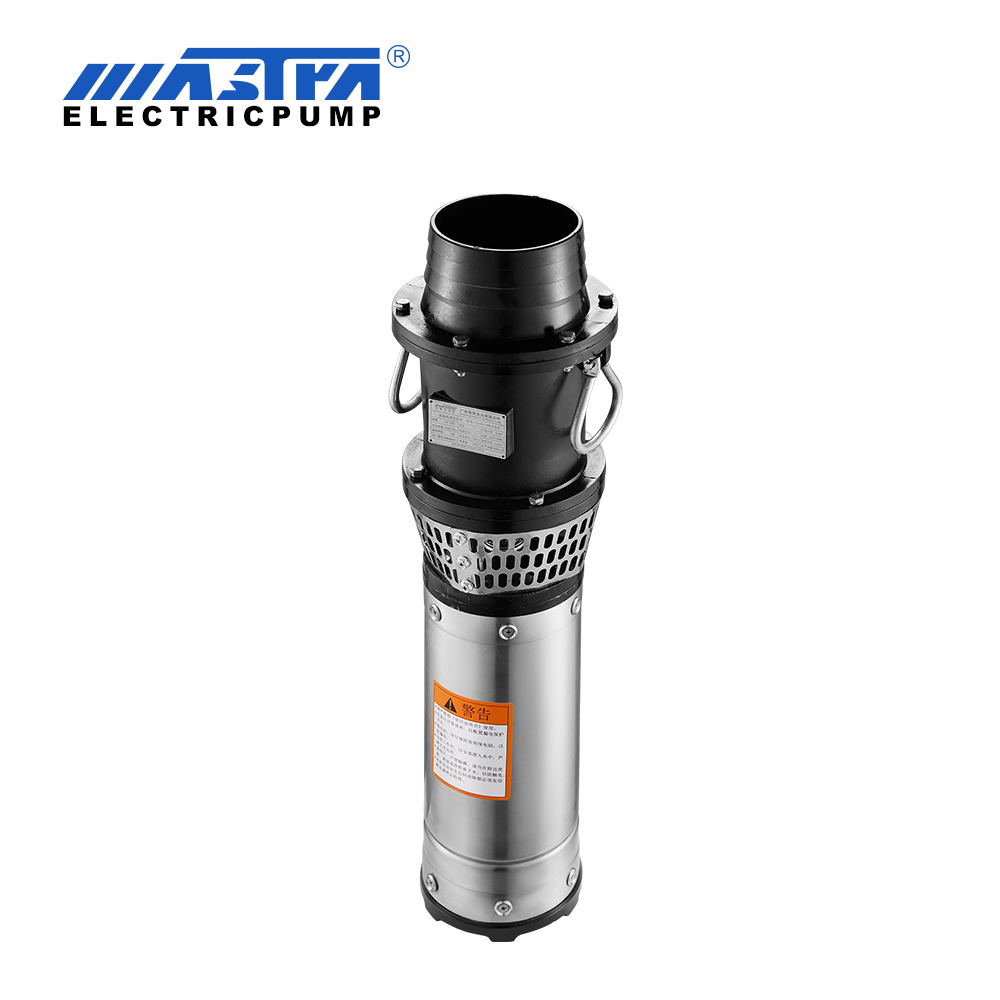
Unlike ejector pumps, submersible sewage pumps are designed to operate while fully submerged in wastewater. These pumps excel in heavy-duty applications, such as drainage for large systems or industrial setups. They are completely sealed to prevent damage from water exposure.
Key Characteristics:
Operates underwater, making it quieter. Durable, with a long service life.
Handles solids efficiently, making it well-suited for industrial or commercial use. Comparison Table of Ejector Pumps vs. Submersible Pumps
Feature | Sewage Ejector Pump | Submersible Sewage Pump |
|---|---|---|
Location | Primarily basements or sump pits | Can be fully submerged |
Application | Residential or light-duty | Commercial or heavy-duty |
Noise Level | Moderate | Quiet |
Durability | Corrosion-resistant, but not fully sealed | Completely sealed for water exposure |
Frequently Asked Questions (FAQ)
What is a sewage ejector pump?
A sewage ejector pump is a specific type of sewage pump designed to move both liquids and solids from lower-grade spaces to higher sewer lines. These pumps are common in homes with basements that have bathrooms, laundry rooms, or other plumbing fixtures. The pump uses an impeller to push waste materials into the main sewer system, ensuring smooth drainage. It is also made to prevent clogs with its ability to handle solid particles up to 2 inches in size.
How long do sewage pumps last?
The lifespan of a sewage pump can vary based on the frequency of use and the quality of the pump. On average, a well-maintained pump can last anywhere from 5 to 10 years, with higher-end models often exceeding this range.
Do I need a sewage pump in my home?
If your home has a basement bathroom or other plumbing fixtures located below the main sewer line, you’ll likely need a sewage pump to ensure proper drainage. Without one, wastewater could sit in pipes and create blockages.
How do I maintain a sewage pump?
Regular maintenance can extend the life of your pump. This includes: Periodic cleaning to remove debris.
Checking for any leaks.
Ensuring the float switch functions properly. Scheduling professional inspections annually.
Factors to Consider When Choosing a Sewage Pump
With various options available on the market, picking the right sewage pump requires considering your specific needs. Here are some factors to help guide your decision:
Type of Application
Are you looking for a pump to serve a basement bathroom, an entire household, or a commercial property? Each scenario may call for a specific sewage pump type.
Flow Rate and Head Height
This refers to how much waste the pump can move and the maximum height it can elevate the waste. A higher flow rate is better for larger systems.
Pump Durability
Opt for materials resistant to corrosion, such as cast iron or stainless steel, for long-term use.
Automatic vs. Manual Operation
Many models come with float switches for automatic operation, but some require manual activation. Automatic pumps are ideal for convenience.
Price and Warranty
While cost is an important factor, prioritize quality to avoid frequent breakdowns. Look for models that offer warranties for peace of mind.
Expert Recommendation
If you’re in the market for a reliable sewage pump, the RuiRong brand offers a range of high-quality options that cater to both residential and commercial needs. Whether you’re seeking a dependable sewage ejector pump or a durable submersible sewage pump, RuiRong’s products are designed with advanced features and exceptional performance in mind.

Contact RuiRong:
Email: ruirong@ruirong.com
Phone: +86-138 2702 8339
Final Thoughts
Investing in the right sewage pump is crucial for effective wastewater management. Whether you need a sewage ejector pump for your basement or a submersible sewage pump for a more heavy-duty application, understanding these systems can help you make the right choice. Remember to consider factors like application type, durability, and automatic functionality. And, when in doubt, opt for a trusted brand like RuiRong for reliable performance and superior support.
sewage pump
sewage ejector pump
submersible sewage pump
Related News


Get Touch With Us
Contact Info
0086-139 2903 3707
+86 138 2702 0863
No.22, North 3rd Road, Duruan Town, Jiangmen City, Guangdong Province, China
Related Products