
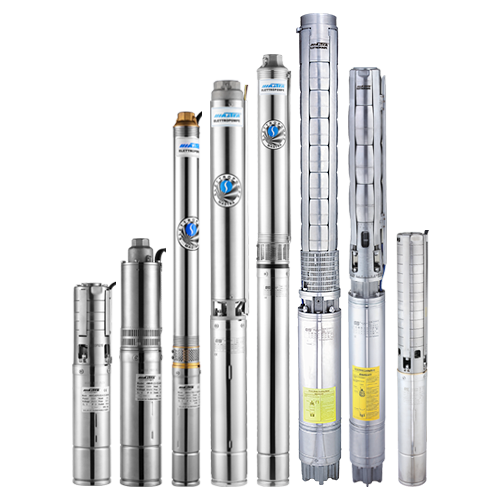
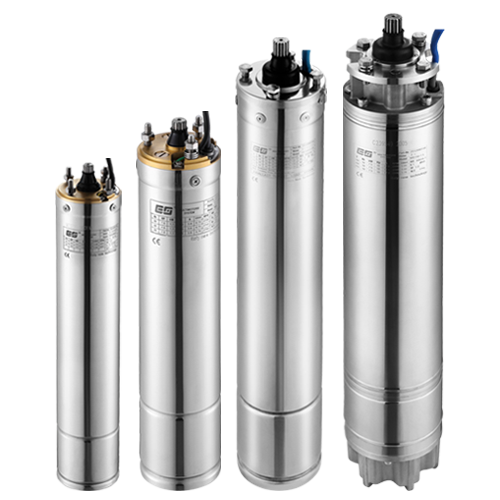
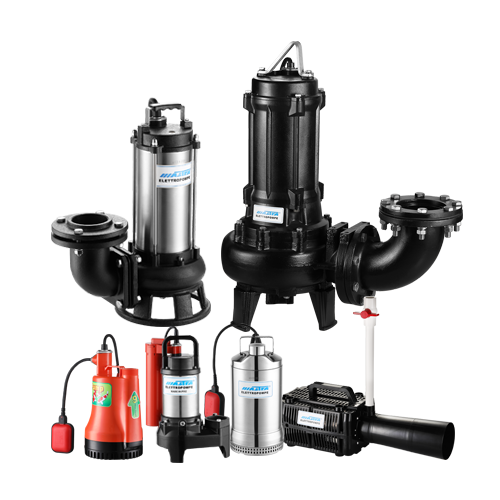
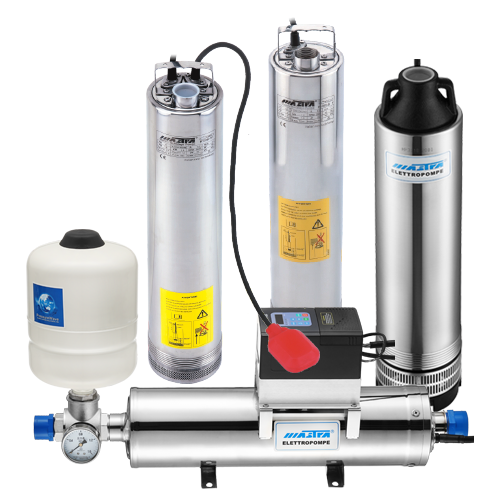
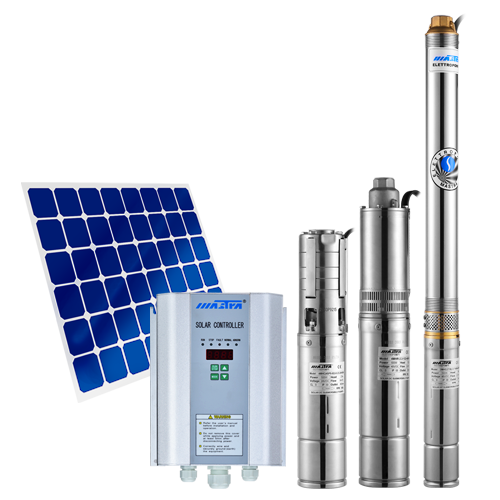
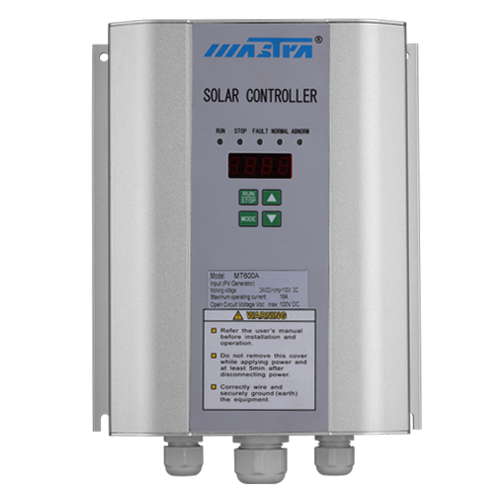
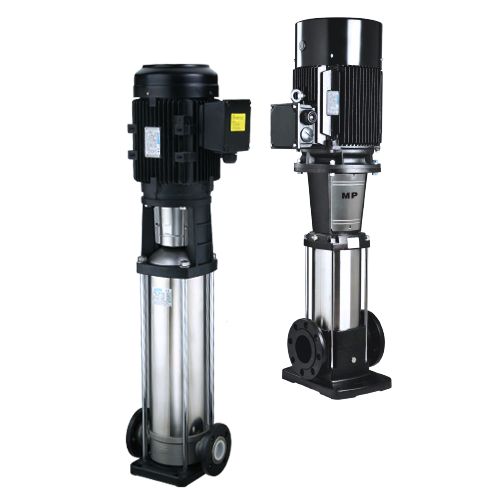
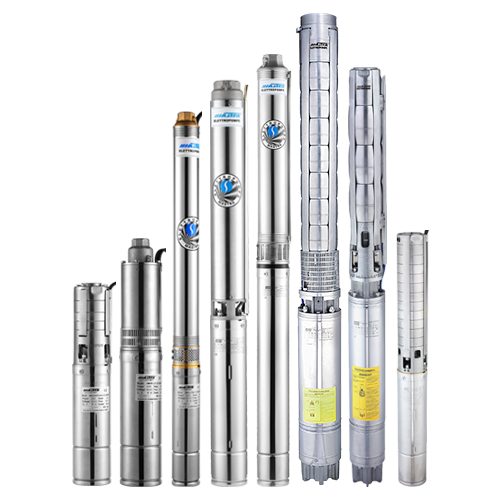
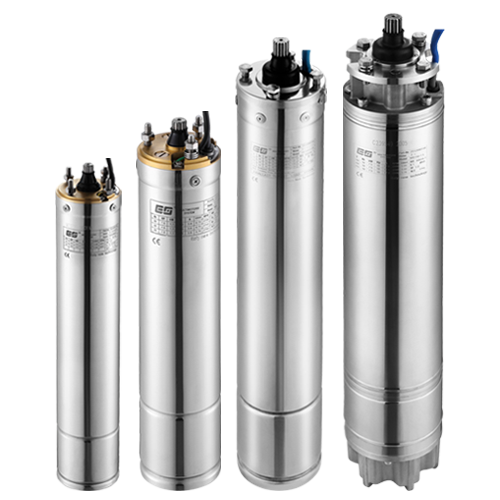
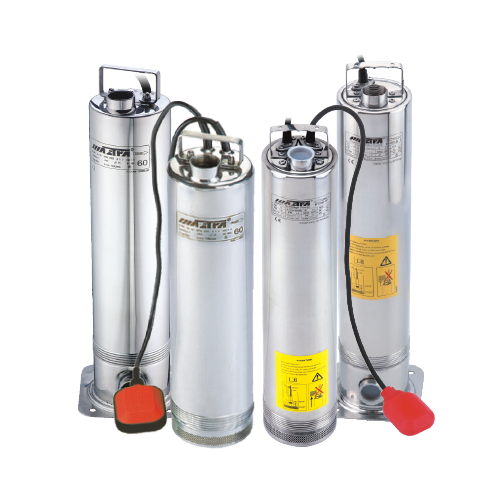
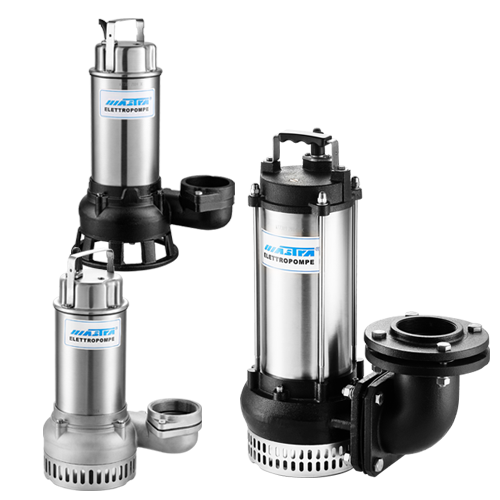




A 3/4 HP water well pump is best suited for shallow wells (up to ~150 ft) and standard household or light agricultural water supply. A 2 HP submersible well pump is designed for deep wells exceeding 200 ft and small-scale farm irrigation where higher flow rates and greater head pressure are required. Choosing the wrong horsepower doesn't just affect performance—it directly increases your operating costs and shortens pump lifespan.
This guide breaks down the applicable scenarios, flow and head data, energy consumption, and long-term operating costs for both options so you can make the right investment decision.
Table of Contents
What Is a Submersible Well Pump and How Does Horsepower Affect Performance?
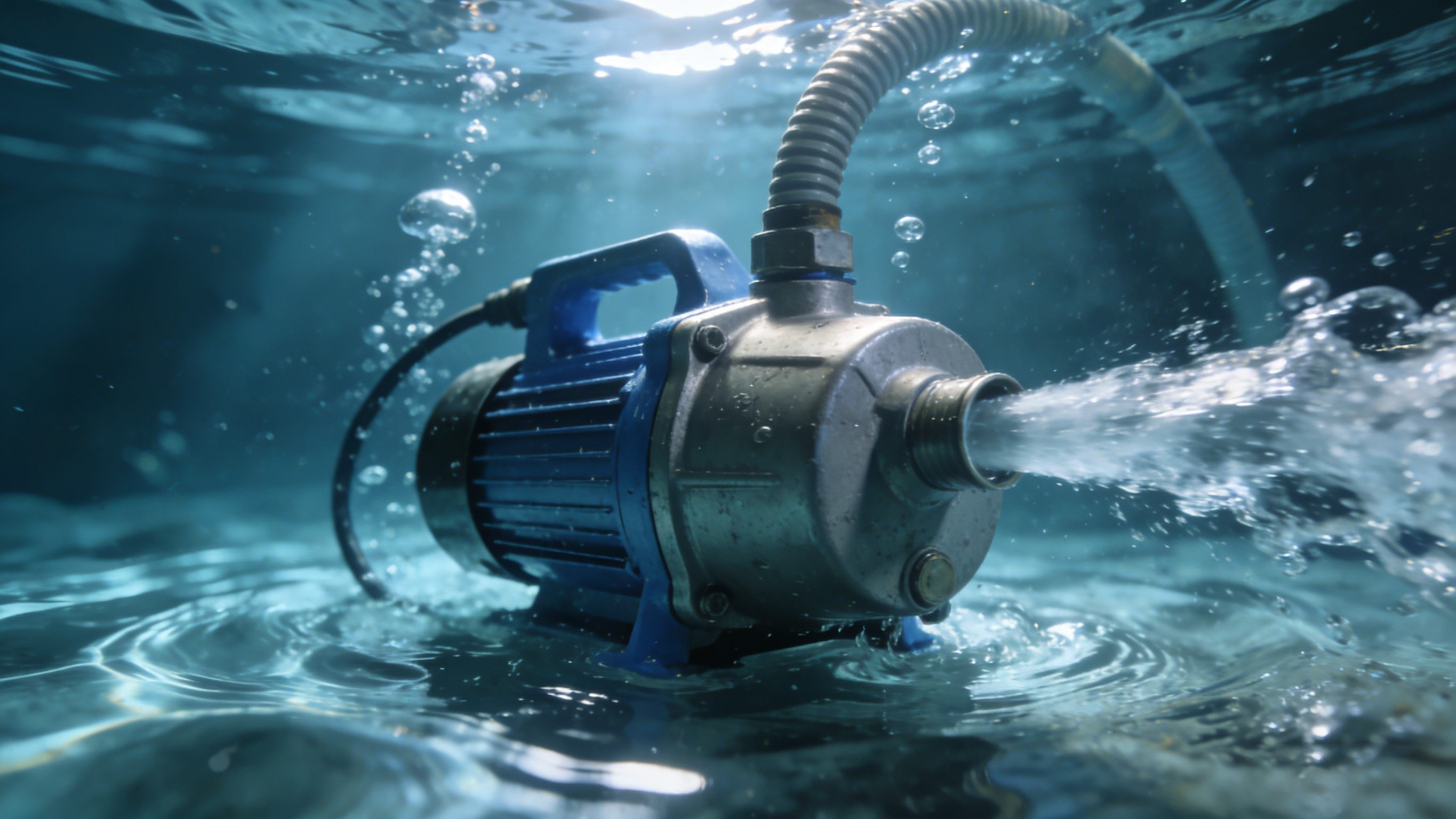
A submersible well pump is a sealed, motor-driven unit installed directly inside a water well, pushing water upward to the surface. Horsepower (HP) determines two critical performance variables:
Flow rate (measured in gallons per minute, or GPM): How much water the pump moves per minute.
Total head (measured in feet): The maximum vertical distance plus friction losses the pump can overcome to deliver water.
Higher horsepower generally means greater flow and head capacity—but also higher energy draw. Selecting the correct HP for your specific well depth and water demand is the single most important factor in maximizing return on investment.
3/4 HP Water Well Pump: Best Use Cases and Performance Data
When should you choose a 3/4 HP water well pump?
A 3/4 HP submersible pump is the right choice for shallow to mid-depth wells and low-to-moderate water demand applications. It delivers reliable performance without unnecessary energy overhead.
Ideal applications include:
Residential and household water supply (1–3 bathrooms)
Shallow wells up to approximately 150 ft depth
Light livestock watering (small numbers of animals)
Garden and small-plot irrigation
Typical performance specifications:
Specification | 3/4 HP Pump (Typical Range) |
|---|---|
Flow Rate | 5–10 GPM |
Max Head | 100–150 ft |
Power Draw | ~560 watts |
Voltage | 115V or 230V |
Well Casing Size | 4-inch minimum |
At roughly 560 watts of draw, a 3/4 HP pump running 6 hours per day consumes approximately 1.2 kWh daily. At a U.S. average electricity rate of $0.16/kWh (as of 2026), that equates to roughly $70–$75 per year in energy costs under normal residential use.
2 HP Submersible Well Pump: Best Use Cases and Performance Data
When should you choose a 2 HP submersible well pump?
A 2 HP submersible pump is engineered for deep wells and applications requiring sustained, high-volume water delivery. It handles elevated head requirements and delivers meaningfully higher flow rates that smaller motors cannot sustain.
Ideal applications include:
Deep wells ranging from 200 ft to 400+ ft
Small-scale farm and crop irrigation (up to several acres)
Multi-building or multi-zone water distribution on a property
Higher-demand livestock operations
Typical performance specifications:
Specification | 2 HP Pump (Typical Range) |
|---|---|
Flow Rate | 15–25 GPM |
Max Head | 250–400 ft |
Power Draw | ~1,500 watts |
Voltage | 230V (single-phase) |
Well Casing Size | 4-inch minimum |
A 2 HP pump draws approximately 1,500 watts. Running 6 hours per day, it consumes roughly 3.3 kWh daily—translating to approximately $190–$200 per year in energy costs under the same rate assumptions.
Head-to-Head Comparison: 2 HP vs 3/4 HP Submersible Well Pump
Factor | 3/4 HP Water Well Pump | 2 HP Submersible Well Pump |
|---|---|---|
Best for | Shallow wells, household supply | Deep wells, farm irrigation |
Typical well depth | Up to ~150 ft | 200 ft–400+ ft |
Flow rate | 5–10 GPM | 15–25 GPM |
Max head | 100–150 ft | 250–400 ft |
Daily energy use (6 hrs) | ~1.2 kWh | ~3.3 kWh |
Est. annual energy cost | ~$70–75 | ~$190–200 |
Upfront purchase cost | Lower | Higher |
Long-term ROI | Best for low-demand use | Best for high-demand farm use |
The key decision rule: A 3/4 HP pump is better suited for property owners with shallow wells and standard household needs, while a 2 HP pump works best when well depth exceeds 200 ft or when consistent high-volume water delivery is essential for agricultural productivity.

Energy Consumption and Long-Term Operating Cost Analysis
Which pump costs more to run over time?
Over a 10-year lifespan, the energy cost gap between these two pumps becomes significant. Based on 6 hours of daily operation at $0.16/kWh:
3/4 HP pump: ~$700–750 in cumulative energy costs over 10 years
2 HP pump: ~$1,900–2,000 in cumulative energy costs over 10 years
The 2 HP pump costs roughly $1,200 more to run over a decade. However, for farms where underpowered pumping causes crop stress, multiple pump cycles, or system strain, using a 3/4 HP pump in a deep-well or high-demand scenario can lead to significantly higher maintenance and premature motor failure costs—easily exceeding that energy savings gap.
The true ROI calculation requires asking:
Does your well depth exceed the 3/4 HP maximum head capacity?
Does your irrigation or water demand exceed 10 GPM consistently?
What is the cost of insufficient water pressure to your crops or livestock?
If the answer to any of these is yes, the 2 HP pump delivers a stronger long-term ROI despite the higher energy overhead.
Choosing the Best Submersible Well Pump for Your Farm
What factors determine the best submersible well pump for agricultural use?
The best submersible well pump for a farm balances well depth, daily water demand, motor efficiency, and build quality. For agricultural buyers, the following criteria matter most:
Well depth and static water level – Always size HP to overcome your maximum head with at least 10–15% margin.
Peak flow demand – Calculate your highest simultaneous water draw (irrigation zones, livestock, household).
Motor construction – Stainless steel motors and pump bodies, such as those in MASTRA's SP-series deep well pumps (view the full product range here), resist corrosion and extend service life in demanding farm conditions.
Operating frequency – Pumps that cycle frequently in undersized applications wear faster and cost more to maintain.
Warranty coverage – A pump backed by a multi-year warranty reduces total cost of ownership and financial risk.
MASTRA submersible well pumps, manufactured by Guangdong Ruirong Pump Industry Co., Ltd. with over 33 years of production experience, are available in both 50Hz and 60Hz configurations across 3-inch to 10-inch casing sizes—covering everything from residential shallow-well applications to high-demand deep borehole irrigation. Explore MASTRA's pump selection tool to match the right model to your specific well data.
Frequently Asked Questions
Q: Can I use a 3/4 HP water well pump for farm irrigation?
A: A 3/4 HP pump can support very light irrigation needs on shallow wells, but its flow rate of 5–10 GPM is typically insufficient for consistent crop irrigation beyond a small garden plot. For reliable small-scale farm irrigation, a 2 HP submersible well pump delivers the flow and head pressure needed to serve multiple irrigation zones without motor strain.
Q: What happens if I install a pump with too little horsepower for my well depth?
A: Installing an undersized pump forces the motor to run continuously at or near its maximum load. This accelerates winding wear, increases heat buildup, and significantly shortens motor life—often cutting expected service life from 10+ years to 3–5 years. The resulting repair and replacement costs typically far outweigh the upfront savings of buying a lower-HP model.
Q: Is a 2 HP submersible well pump too powerful for a residential home?
A: For most single-family homes on wells shallower than 150 ft, a 2 HP pump is generally oversized. Oversized pumps can cause short-cycling (frequent on/off switching), which increases wear and energy waste. A properly sized 3/4 HP or 1 HP pump is more efficient and cost-effective for typical residential water supply needs.
Q: Do submersible well pumps work at both 50Hz and 60Hz?
A: Not interchangeably. A pump designed for 50Hz will run faster and draw more current on a 60Hz grid, reducing efficiency and potentially damaging the motor. Always verify the Hz rating matches your local power supply. Manufacturers like MASTRA offer separate 50Hz and 60Hz product lines to ensure correct performance in each region.


Get Touch With Us
Contact Info
0086-139 2903 3707
+86 138 2702 0863
No.22, North 3rd Road, Duruan Town, Jiangmen City, Guangdong Province, China
Related Products