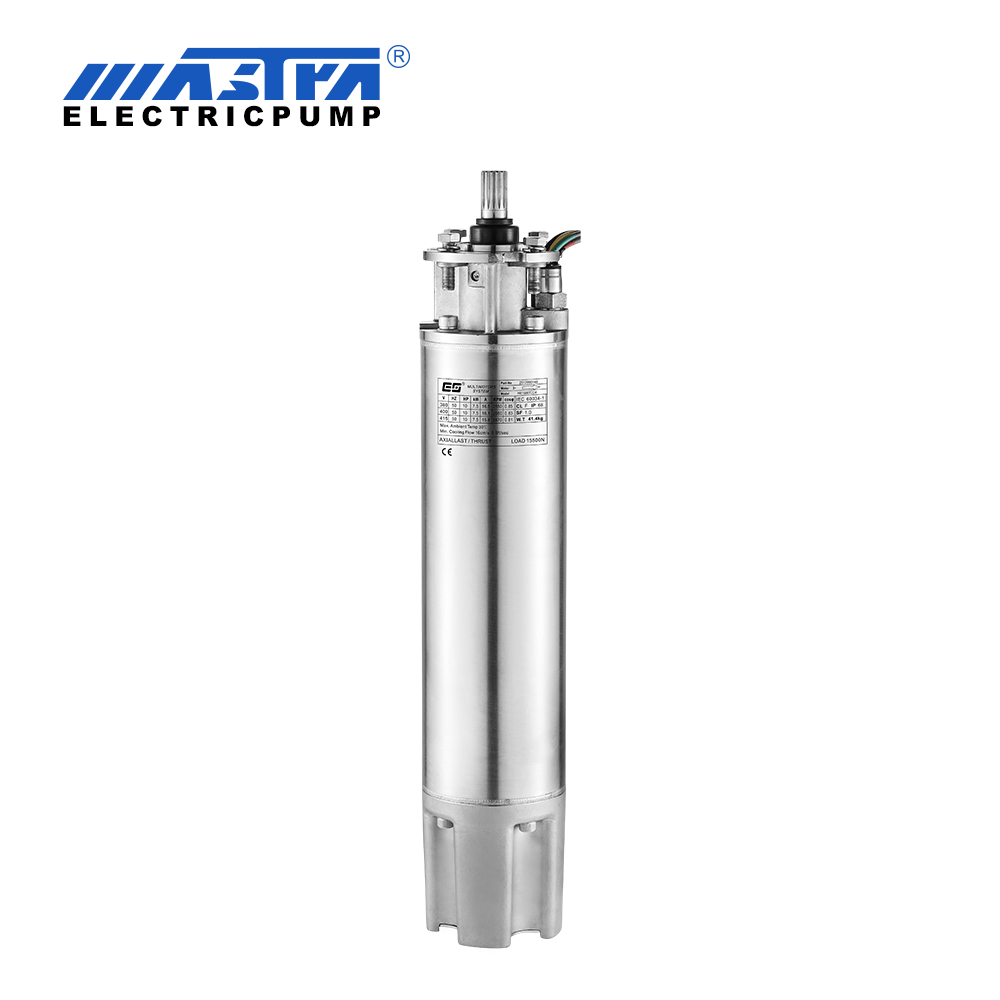
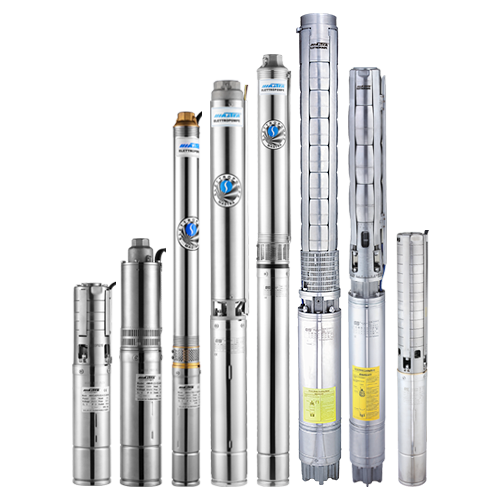
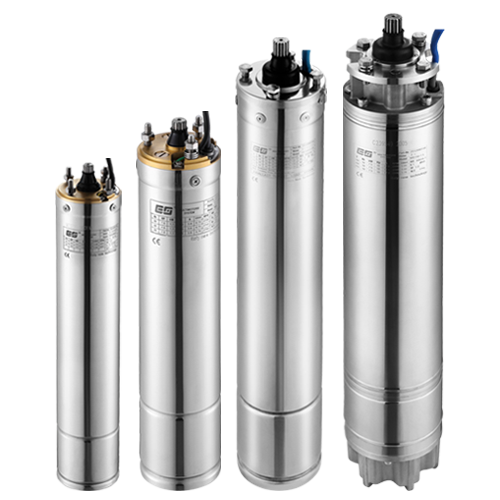
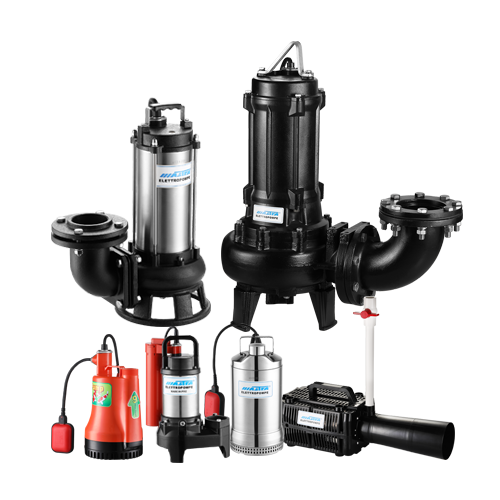
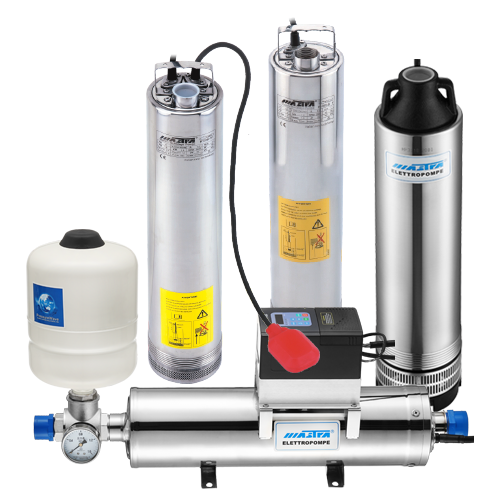
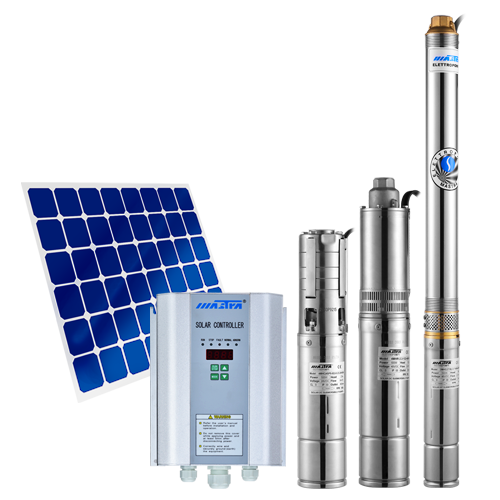
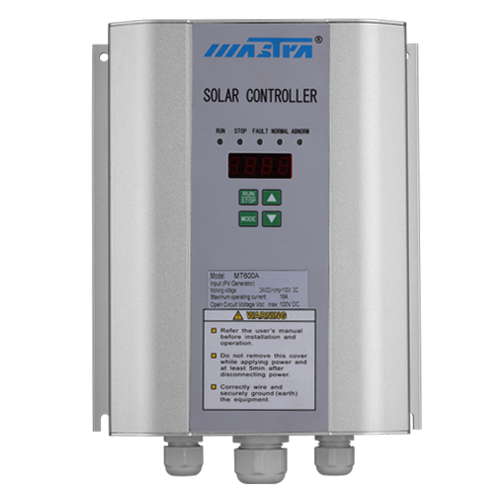
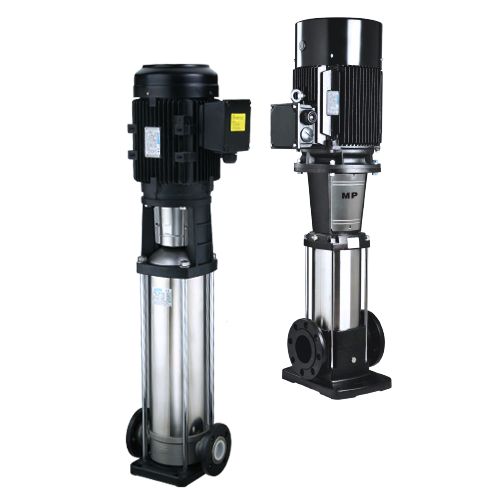
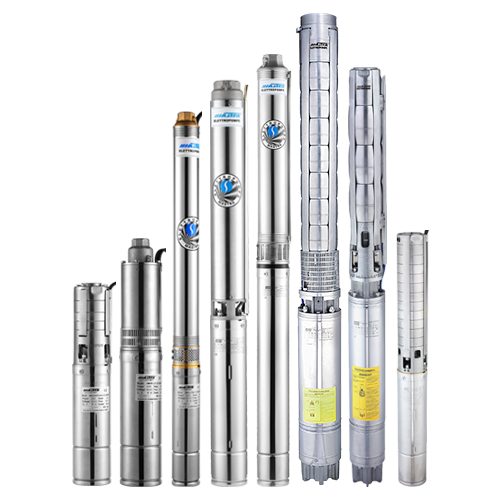
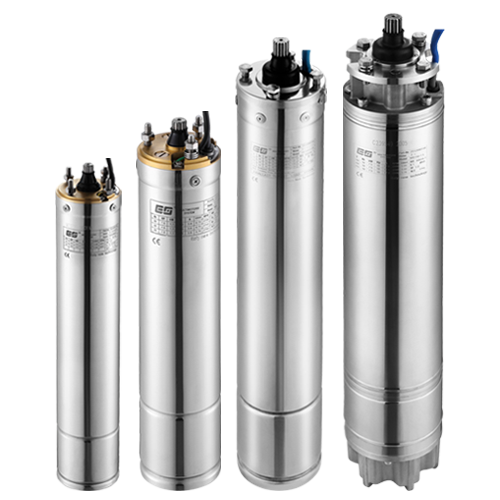
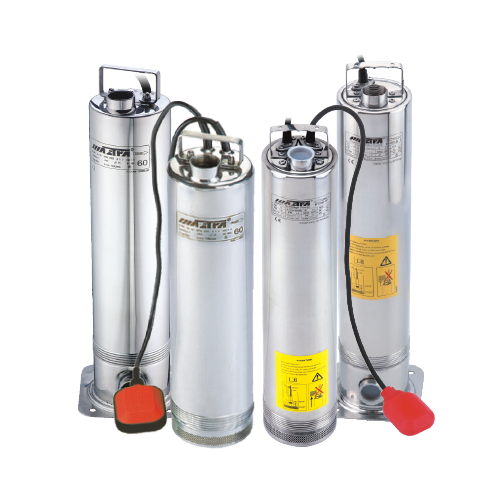
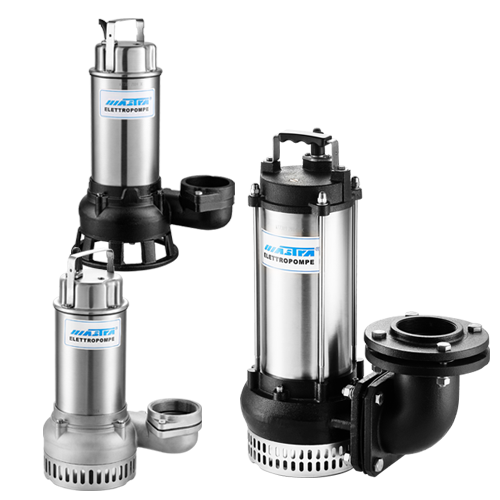




If you're a homeowner relying on a sump pump to protect your basement from flooding, you've likely asked a critical question: Can a submersible sump pump be covered by water? The short and reassuring answer is yes, not only can it be covered, but it is specifically designed to operate completely submerged in water.
This fundamental design principle is what sets submersible pumps apart from their pedestal-style counterparts. However, simply knowing it can get wet isn't enough. Understanding why it's designed this way, the benefits of this design, and the critical limitations is key to ensuring your pump works effectively when you need it most. This comprehensive guide will dive deep into the operation, advantages, and maintenance of your submersible sump pump.
Why Submersible Sump Pumps are Designed for Water
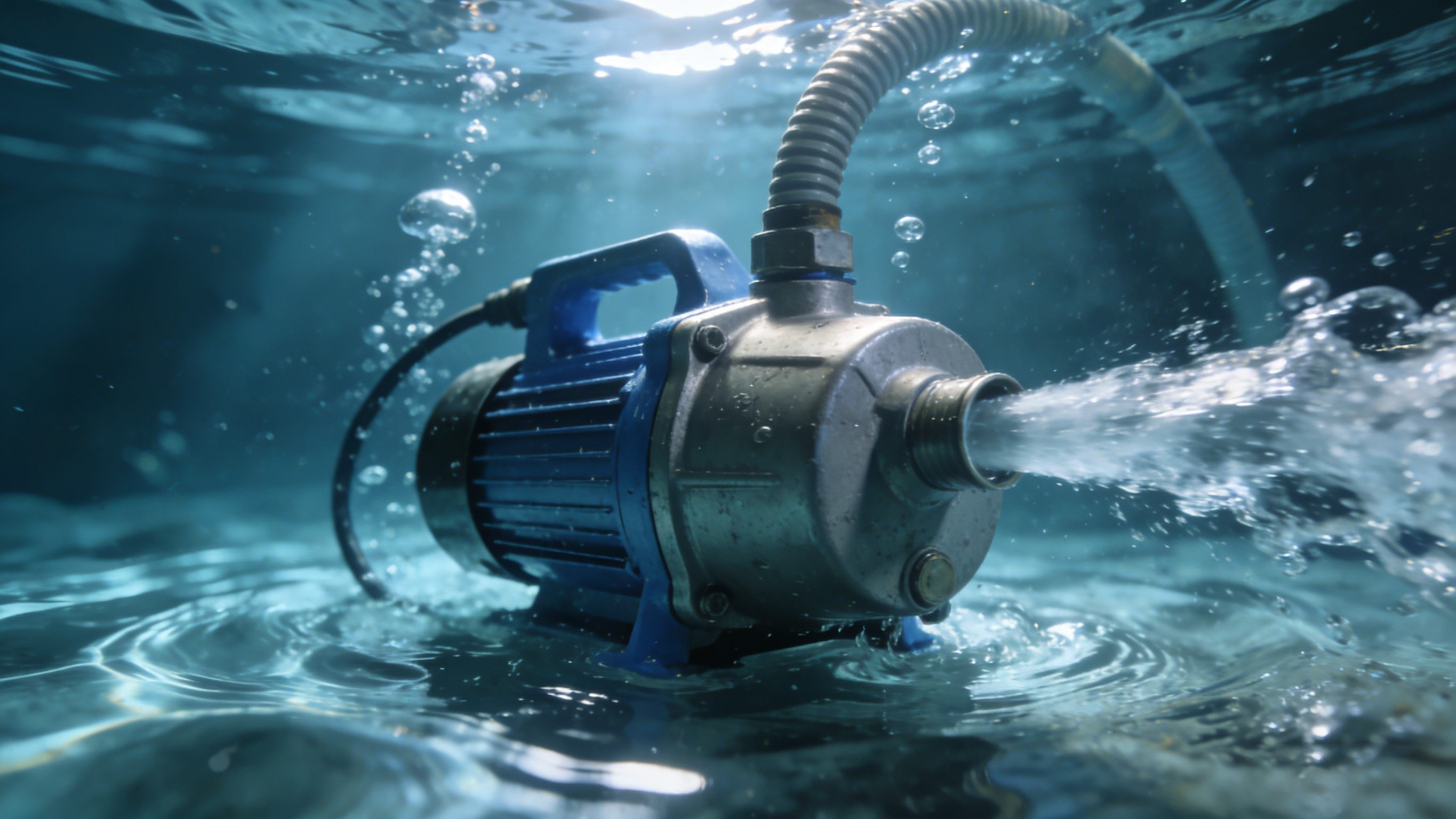
The term "submersible" is the key indicator. These pumps are hermetically sealed units engineered to be placed directly inside your sump pit, where they will be fully immersed in water once the water table rises.
The primary reasons for this design are:
Cooling: The motor of a sump pump generates significant heat during operation. When a submersible pump is covered by water, the surrounding water acts as a natural coolant, dissipating the heat and preventing the motor from overheating and burning out. This is crucial for handling long, continuous pumping cycles during heavy storms.
Quiet Operation: Being submerged muffles the sound of the pump motor. This makes submersible pumps significantly quieter than pedestal pumps, which is a major advantage if your sump pit is in a living area or nearby bedroom.
Efficiency and Space-Saving: Because the entire unit sits inside the pit, it takes up no extra space in your basement and is out of sight. The submerged position also allows the pump to start moving water immediately as it enters the pit, often making it more efficient at evacuating water quickly.
The Critical Limits: How Much Water is Too Much?
While a submersible pump is designed to be covered by water, it is not designed to be overwhelmed by it. There are two main scenarios to consider:
The Water Level is Too Low: A submersible pump should never be allowed to run "dry." Running without water can cause rapid overheating and severe damage to the pump's seals and motor, leading to premature failure. Most modern pumps come with a built-in float switch that activates the pump only when the water reaches a certain level, preventing dry running.
The Water Level is Too High: This is a less common concern but relates to the pump's capacity. If a massive flood event causes water to rise faster than the pump can eject it, the pump will continue to operate submerged as designed. The risk here isn't the submersion itself, but whether the pump has the horsepower (GPH - Gallons Per Hour) to handle the inflow. An undersized pump will be submerged and running but will still fail to prevent flooding.

Key Advantages of a Submersible Sump Pump Being Covered in Water
Let's break down the tangible benefits of this design feature:
| Feature | Benefit | Impact on Homeowner |
|---|---|---|
| Water Cooling | Prevents motor overheating during extended use. | Increased pump lifespan and reliability during heavy storms. |
| Quiet Operation | Submersion muffles motor and vibration noise. | Less disruption, ideal for finished basements or living spaces nearby. |
| Out-of-Sight Installation | Entire unit is hidden within the sump pit. | Aesthetically pleasing and saves valuable floor space. |
| Efficient Pumping | Can be placed at the very bottom of the pit for maximum water removal. | Effectively lowers the water table in your pit, keeping your basement drier. |
| Protected Components | The sealed unit protects internal electrical parts from external moisture and debris. | Reduced risk of electrical shorts and corrosion from the damp basement environment. |
Essential Maintenance for Your Submerged Pump
Just because your pump is built for a watery environment doesn't mean it's maintenance-free. Proper care is essential for longevity and performance.
Regular Cleaning: The sump pit can accumulate silt, gravel, and debris. Periodically, you should unplug the pump, remove it from the pit, and clean the intake screen and the pit itself. Debris can clog the pump or interfere with the float switch.
Test the Pump Frequently: Pour a bucket of water into the sump pit until the float switch rises and triggers the pump. Ensure it turns on, pumps out the water, and turns off automatically. Do this every few months, especially before wet seasons.
Check the Check Valve: Listen for a "thump" when the pump shuts off. This is the sound of the check valve closing, which prevents water from flowing back into the pit after the pump cycles. A faulty valve makes the pump work much harder.
Inspect the Power Cord: Ensure the power cord is in good condition and is plugged into a dedicated Ground Fault Circuit Interrupter (GFCI) outlet. This is a critical safety feature for any electrical device used in a wet area.
Conclusion: Embrace the Water
So, to reiterate the core question: Can a submersible sump pump be covered by water? Absolutely. It is not just acceptable; it is essential for the pump's correct and efficient operation. The water covering the pump is its ally, keeping it cool, quiet, and ready for action.
The real focus for homeowners should not be on whether the pump is submerged, but on ensuring it is the right size for your home's needs, properly installed with a check valve, and maintained regularly. By understanding and trusting the submerged design of your submersible sump pump, you can have peace of mind knowing that your first line of defense against basement flooding is operating exactly as engineered.
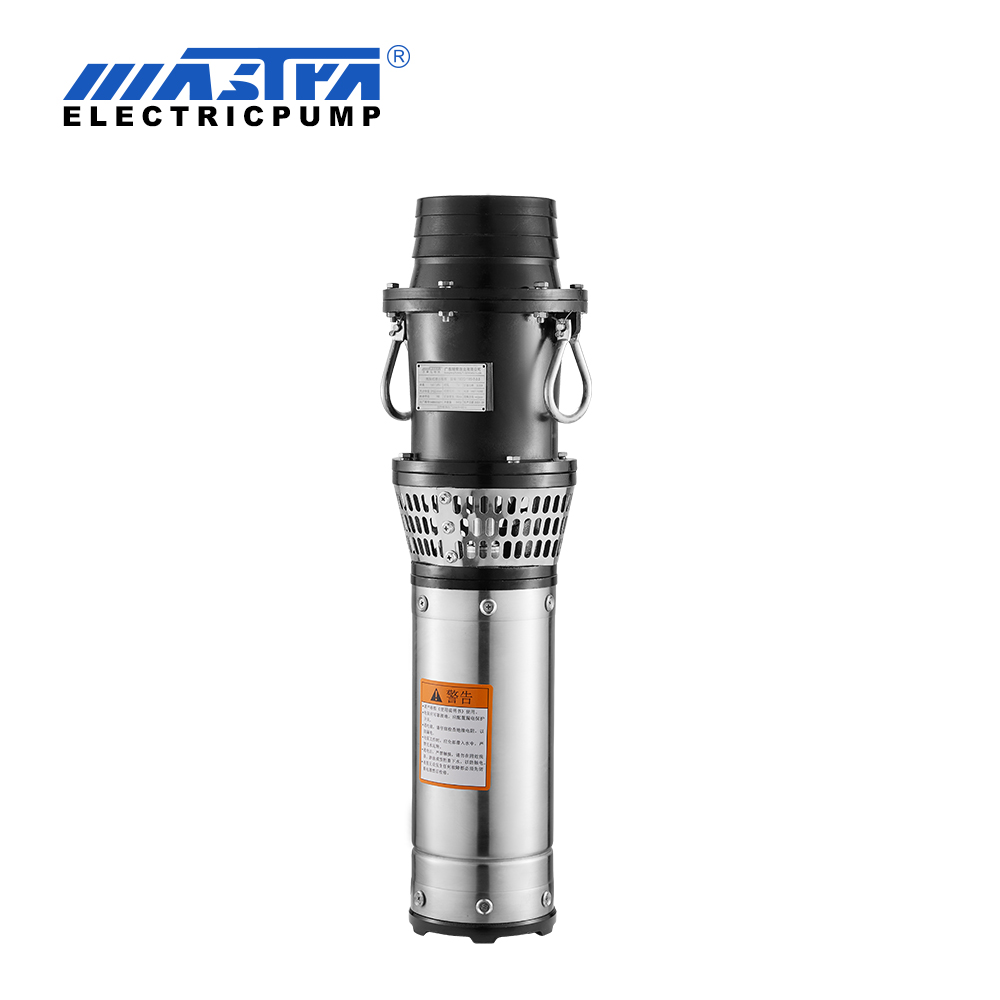
Submersible Sump Pump
submersible pump Manufacturer
China submersible pump

Get Touch With Us
Contact Info
0086-139 2903 3707
+86 138 2702 0863
No.22, North 3rd Road, Duruan Town, Jiangmen City, Guangdong Province, China
Related Products