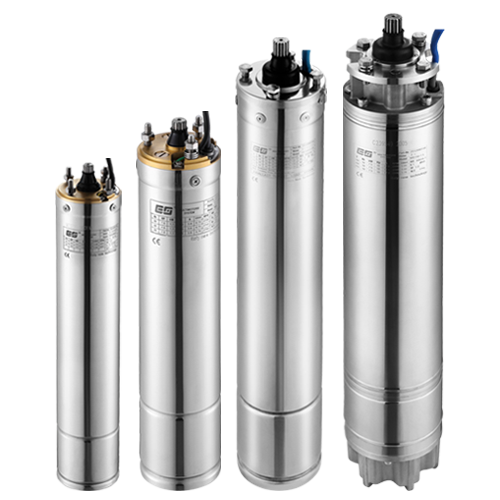
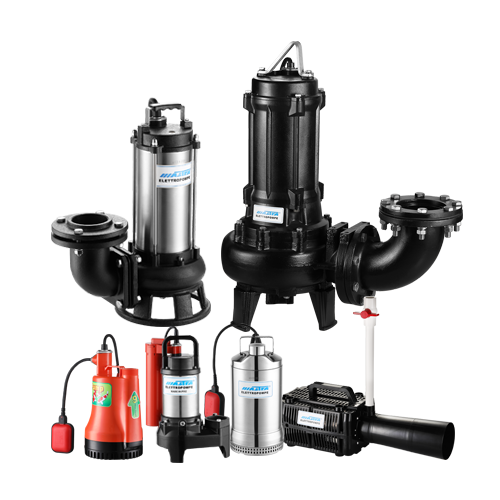
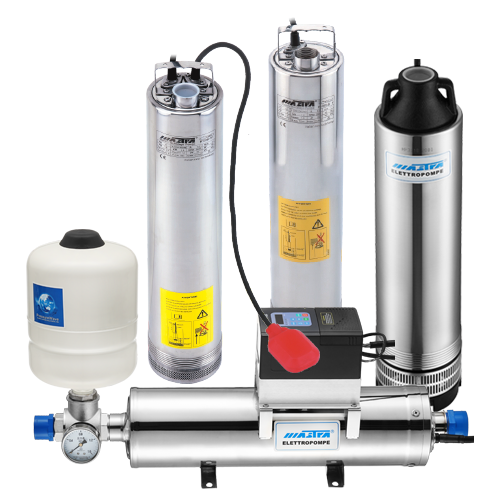
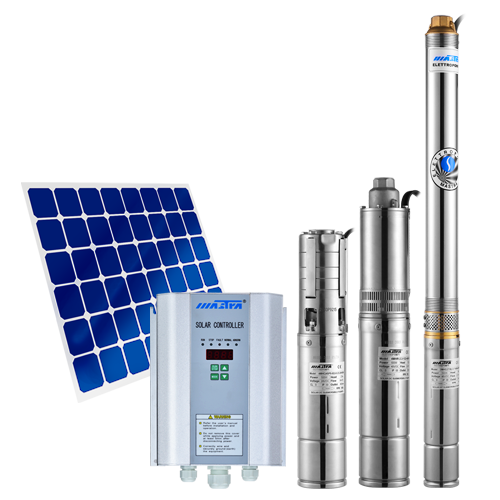
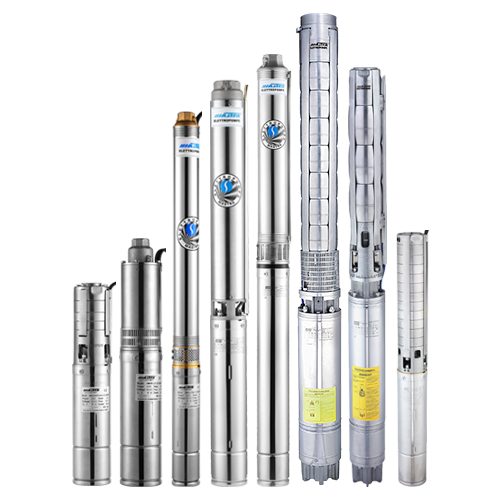
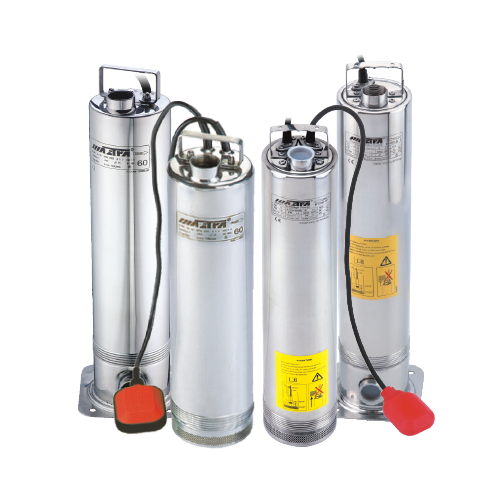
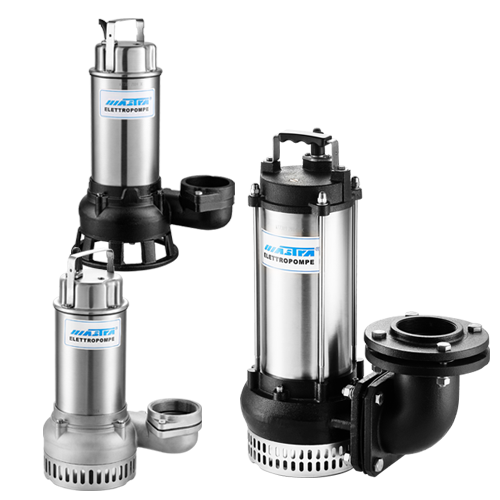




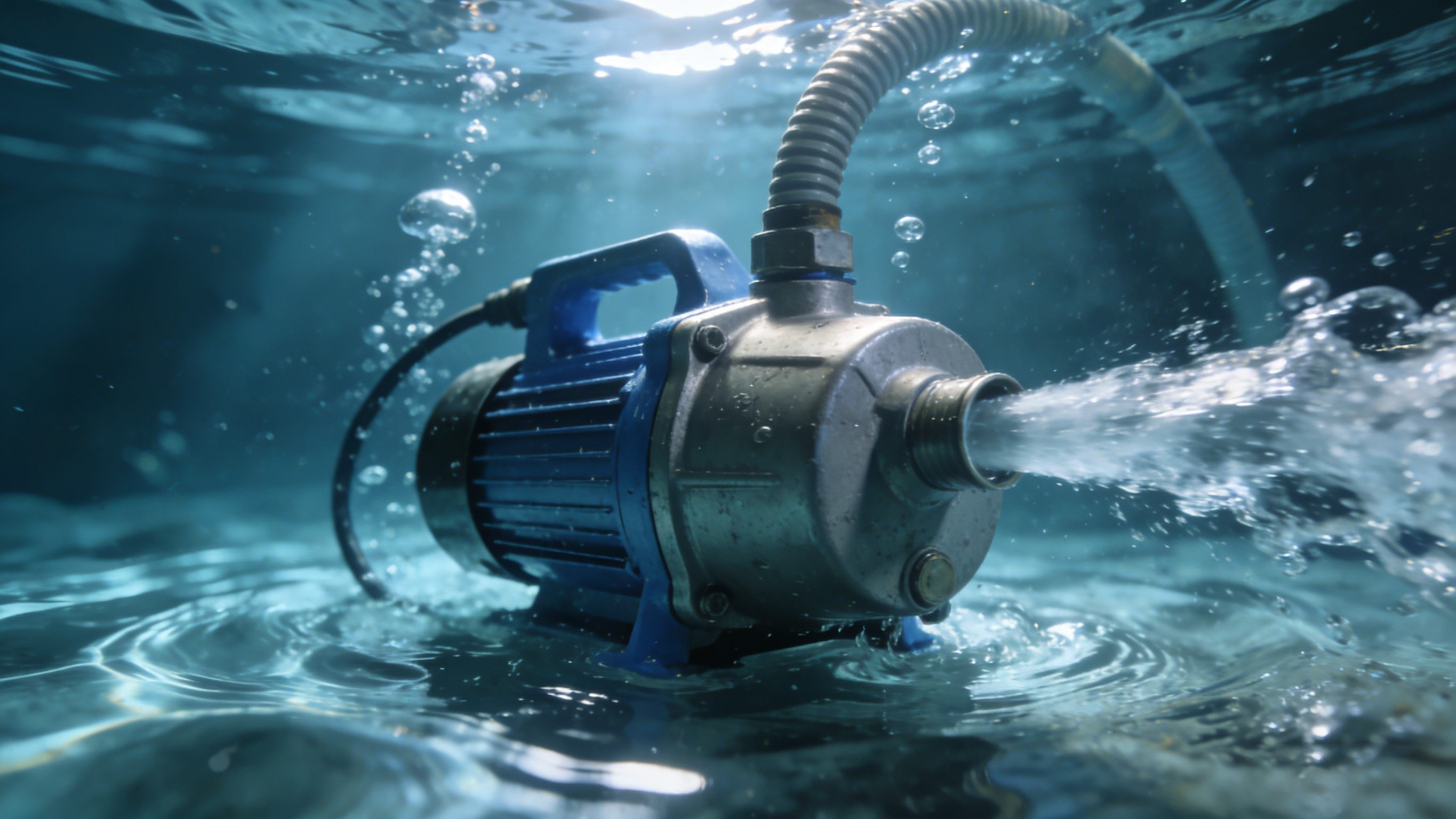
A submersible pump is designed to work fully submerged in water, pushing it to the surface. One of its main advantages is that, by design, it shouldn't need priming. Since the pump sits below the water level, gravity and water pressure ensure it's always filled with water, ready to operate. But does that mean it can never lose its prime? The answer is a bit more complex than a simple yes or no.
Under normal operating conditions, a submersible pump will not lose its prime as long as it remains underwater. However, several specific situations can cause the pump to run dry or take in air, leading to a loss of prime and potential damage. Understanding these scenarios is crucial for maintaining a healthy and efficient water system.
This article will explore the reasons why a submersible pump might lose its prime even when it’s supposed to be underwater. We'll cover the common causes, how to identify the problem, and what you can do to prevent it from happening.
What Does It Mean for a Pump to "Lose Prime"?
Before we go further, let's clarify what "priming" means. A pump is primed when its casing and intake line are completely filled with water, with no air pockets. Centrifugal pumps, which include most submersible models, need to be primed because they are designed to move liquid, not air.
When a pump spins, the impeller creates a low-pressure area that draws water in. If there’s air in the system, the pump can't create enough suction to pull in more water. It will just spin the air around, a condition known as being "air-bound." This not only stops the flow of water but can also cause the pump to overheat and fail, as the water it pumps is also used for cooling.
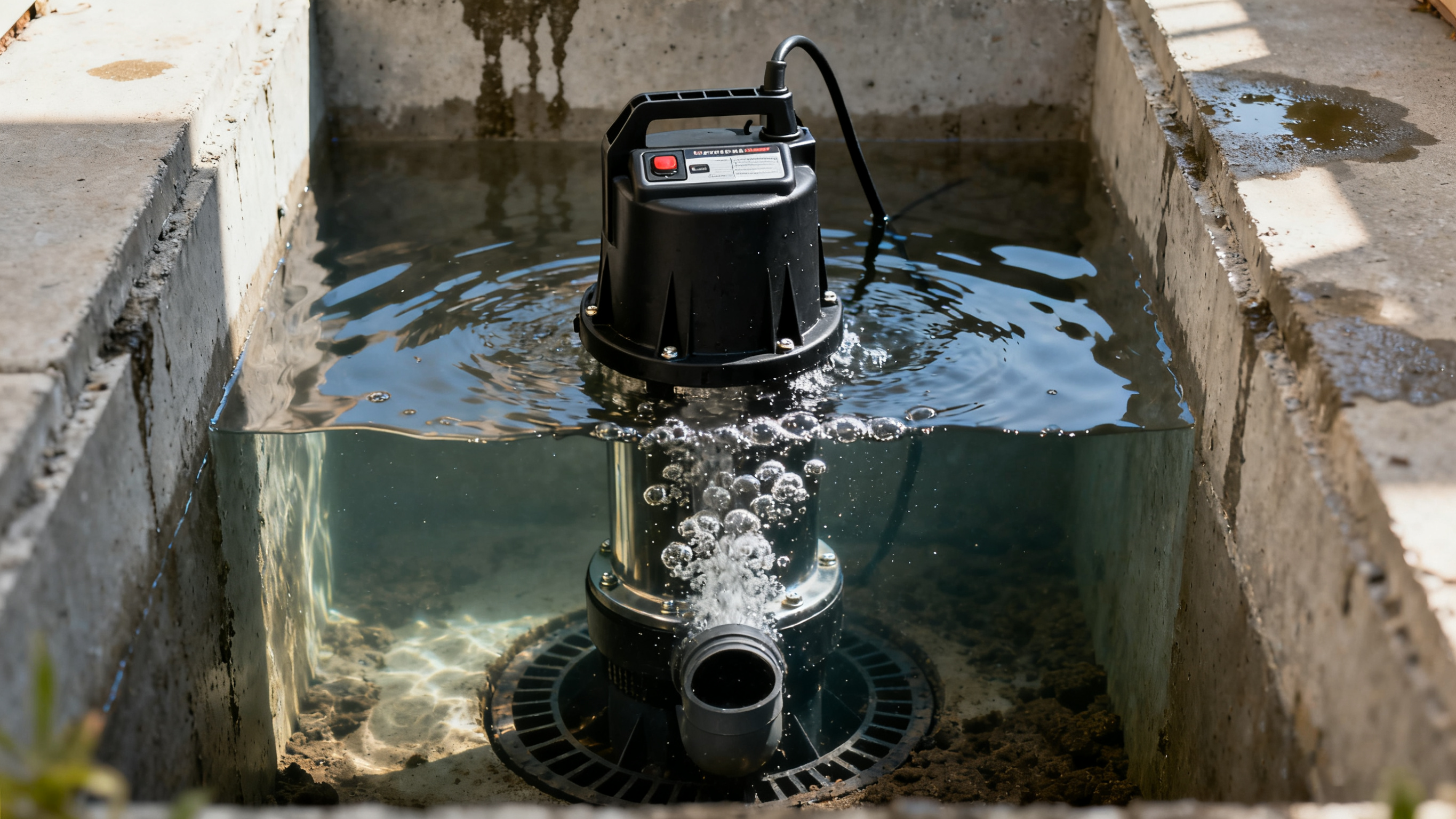
For a submersible water pump, being placed directly in the water source (like a well or a sump) means it's naturally primed. Water flows into the intake by gravity, keeping it ready to pump. Losing prime means something has gone wrong to introduce air into the pump or its connected plumbing.
How a Submersible Pump Can Lose Prime
Even though they are designed to be self-priming, certain issues can disrupt the system and cause a submersible water pump to lose its prime. Here are the most common culprits.
1. Dropping Water Levels
The most frequent reason a submersible pump loses prime is a drop in the water level of the well, tank, or sump it's in. If the water level falls below the pump's intake screen, the pump will start to draw in air instead of water. This immediately causes it to lose its prime.
This can happen for several reasons:
Drought Conditions: During dry seasons, the water table can drop significantly, leaving the pump exposed.
Over-Pumping: If you use water faster than the well can naturally replenish itself, the water level will fall. This is common in low-yield wells.
Shared Aquifer: If multiple properties are drawing water from the same underground source, heavy usage by a neighbor could temporarily lower the water level in your well.
Once the pump is air-bound, it won't be able to pump water again until the water level rises to re-submerge the intake and the air is purged from the system.
2. Leaks in the Plumbing System
A leak in the pipes connected to the pump is another major cause of lost prime. A submersible water pump pushes water up through a discharge pipe (often called a drop pipe or riser pipe). If there is a crack, a loose fitting, or a hole in this pipe, problems can arise.
When the pump turns off, a check valve is supposed to hold the water in the pipe, keeping the system pressurized. If there’s a leak above the pump, this water can drain back down into the well. Depending on the size and location of the leak, this can allow air to enter the pipe. When the pump turns on again, it has to push this air out before it can move water, and in some cases, it may struggle to re-prime the system.
Common points for leaks include threaded joints, pipe fittings, and cracks caused by corrosion or physical stress.
3. Faulty Check Valve
A check valve is a one-way valve that prevents water in the discharge pipe from flowing back into the well when the pump shuts off. This is critical for keeping the pump and the pipe primed. Most submersible pump systems have at least one check valve, either built into the pump itself or installed just above it on the drop pipe.
If the check valve fails, water will drain from the system every time the pump cycles off. This can cause several issues:
Loss of Prime: If the water drains completely, air can enter the system, causing the pump to lose its prime.
Water Hammer: The rapid backflow of water can create a hydraulic shock, known as a water hammer, which can damage pipes and the pump itself.
Frequent Cycling: With no pressure held in the system, the pump will turn on and off more frequently, leading to premature wear on the motor and electrical components.
A faulty check valve is a common and often overlooked reason for priming issues.
4. Gas or Air in the Well Water
In some wells, dissolved gases (like methane or carbon dioxide) can be present in the water. As the water is drawn into the pump, the pressure drops, which can cause these gases to come out of the solution and form bubbles.
If enough gas accumulates, it can create a large air pocket inside the pump, causing it to become gas-locked or air-bound. This has the same effect as losing prime. The pump will run, but it won't be able to move water effectively. This is more common in deeper wells or those drilled in specific geological formations.
How to Prevent Your Pump from Losing Prime
Preventative maintenance is the best way to keep your submersible water pump running smoothly. Here are some actionable steps you can take.
1. Install a Pump Protection Device
To prevent your pump from running dry due to low water levels, consider installing a pump protection device. These systems monitor for conditions that indicate a dry run, such as a drop in motor load or a change in amperage, and will automatically shut the pump off. Many modern well controls have this feature built-in, but older systems can be retrofitted. Low-water cutoff switches are also an effective solution.
2. Regularly Inspect Your System
Periodically inspect all visible parts of your plumbing system, including the pressure tank and any exposed piping. Look for signs of leaks, corrosion, or damage. While you can't see the drop pipe in the well, you can sometimes diagnose a leak by listening for water running back into the well after the pump shuts off or noticing an unusually high electricity bill from the pump running too often.
3. Maintain Your Check Valves
If you suspect a faulty check valve, it's best to have it inspected and replaced by a professional. Many experts recommend installing two check valves in a deep well system: one directly on the pump and another further up the drop pipe (e.g., every 100-200 feet) to share the load of holding the water column.
4. Position Your Pump Correctly
Ensure your pump is installed at the correct depth in the well. It should be deep enough to remain submerged even during seasonal water level fluctuations but not so deep that it rests at the very bottom, where it can pull in sediment and debris. A professional well driller or pump installer can determine the optimal placement based on your well's yield and historical water levels.
Your Next Steps
While a submersible water pump is designed to be a "set it and forget it" solution, it's not entirely immune to problems like losing prime. The key is to understand that a loss of prime is a symptom of an underlying issue—most often low water levels, a leak in the system, or a failed check valve.
By being aware of these potential problems and taking preventative measures, you can ensure your water system remains reliable and efficient for years to come. If you're experiencing frequent issues with your pump losing prime, it's always a good idea to consult with a qualified pump professional. They can diagnose the root cause and provide a lasting solution.
submersible water pump
mastra submersible pump
submersible pump


Get Touch With Us
Contact Info
0086-139 2903 3707
+86 138 2702 0863
No.22, North 3rd Road, Duruan Town, Jiangmen City, Guangdong Province, China
Related Products