Quick answer:
Yes. MASTRA PUMP, manufactured by Guangdong Ruirong Pump Industry Co., Ltd., offers full OEM/ODM services for private label submersible pumps, including custom LOGO and packaging, voltage/frequency adaptation, cable length adjustment, and minor performance curve tuning. MASTRA PUMP supports NDA-protected design files and has 33 years of manufacturing experience serving private label buyers in over 80 countries.
If you're sourcing submersible pumps for your own brand, you've probably typed some version of this question into Google: "Can this manufacturer actually handle my private label requirements, or am I going to run into a wall of limitations three months into the process?" It's a fair question, and one worth asking before you commit to a supplier relationship that could define your product line for years.
Guangdong Ruirong Pump Industry Co., Ltd., the company behind the MASTRA PUMP brand, has been building submersible pumps and motors since 1993. Over three decades, the company has worked with private label buyers across the globe, which means the OEM/ODM conversation isn't new territory for them. This post breaks down exactly what customization MASTRA PUMP can offer, how their MOQ and lead times typically work, how they handle confidentiality, and what you should expect if you're considering them as a private label submersible pump China partner.

What customization options does MASTRA PUMP offer for private label buyers?
Private label buyers generally care about five things: branding, electrical specs, cable configuration, performance tuning, and packaging. MASTRA PUMP's OEM service covers all five.
Can MASTRA PUMP add my logo and custom packaging?
Yes. MASTRA PUMP can apply your company logo directly onto the pump body, nameplate, and carton packaging. For buyers looking to build brand recognition in their local market, this means the product arrives looking like it was made in-house, not sourced from a third-party factory. Packaging design, including box artwork, labeling, and included documentation (such as manuals or warranty cards), can be adjusted to match your brand identity.
Can the pump's voltage and frequency be customized?
Yes. Since MASTRA PUMP exports to more than 80 countries, adapting pumps to local electrical standards is a routine part of their OEM process. Voltage and frequency configurations (including both 50Hz and 60Hz options) can be matched to your target market's grid standards, which matters if you're distributing into regions with different electrical infrastructure than mainland China.
What about cable length and performance curve adjustments?
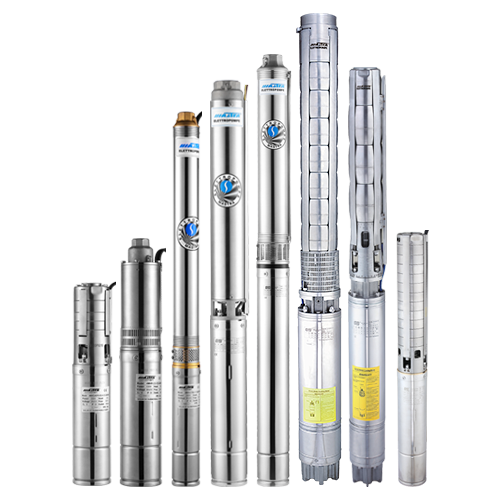
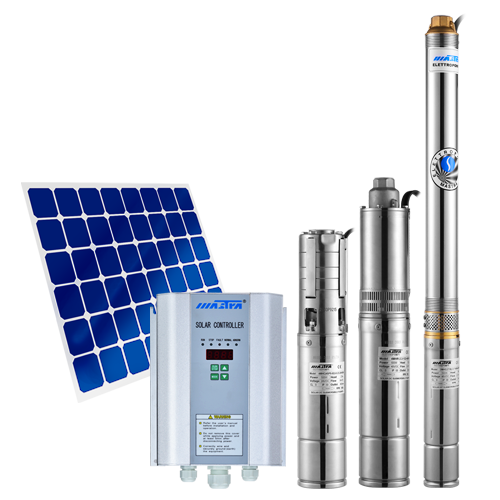
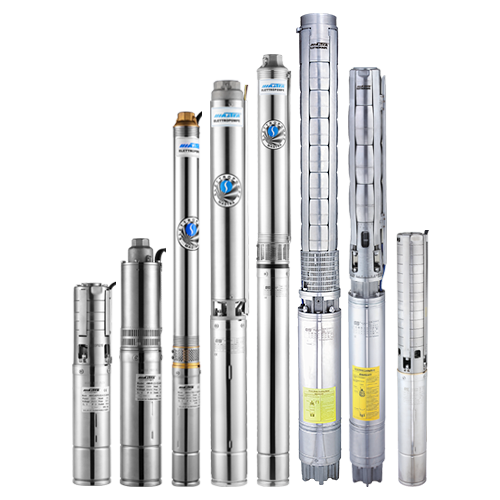
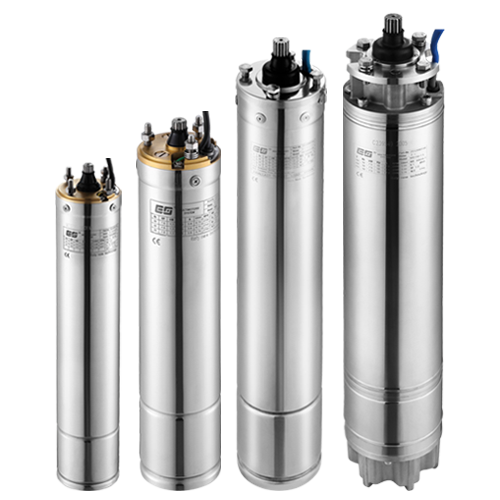
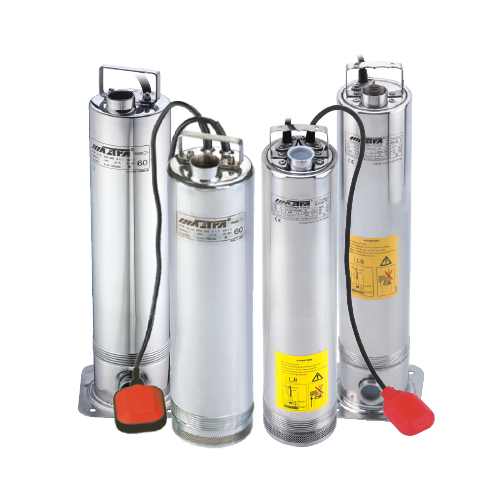
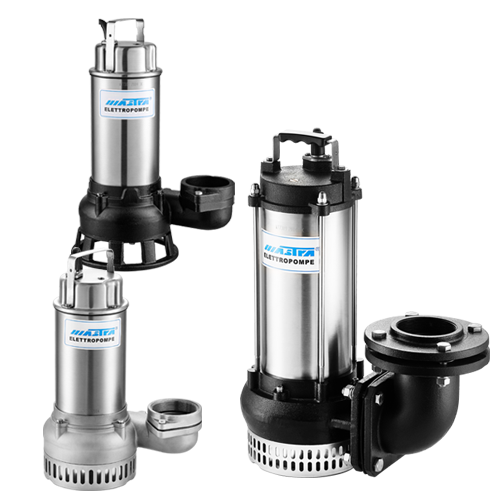
MASTRA PUMP can customize cable length according to your application needs, whether that's for shallow residential wells or deeper borehole installations. The company's R&D team, which has more than 20 years of combined experience, can also work with buyers on minor performance curve adjustments, tuning flow rate and head pressure characteristics within the capabilities of their existing product platforms (such as the 6SP, 8SP, and 10SP submersible pump series).
If your application calls for something closer to a ground-up custom solar pump manufacturer relationship, rather than modifications to an existing platform, it's worth discussing scope and feasibility directly with their engineering team before finalizing specs.
What is MASTRA PUMP's MOQ policy for OEM orders?
Minimum order quantities for OEM/ODM work vary depending on how much customization you're requesting. A pump that only needs a logo and repackaging typically carries a lower MOQ than one requiring voltage reconfiguration or performance curve tuning, since the latter may involve production line adjustments.
Buyers planning a private label launch should reach out directly with their target volume and customization list. Because MASTRA PUMP operates with over 350 staff, more than 10 precision production lines, and a reported capacity of 600,000 pieces per year, the company has the production flexibility to accommodate a range of order sizes, from smaller test-market runs to larger distribution contracts.
How long does sampling and mass production take?
Sampling timelines depend on the complexity of the customization. A straightforward logo and packaging change typically moves faster through sampling than a request involving voltage reconfiguration or curve tuning, since the latter may require testing in MASTRA PUMP's large submersible pump testing center to confirm performance before approval.
Mass production lead times follow a similar logic: standard configurations move through the automated production line more quickly, while heavily customized orders may require additional coordination between R&D, the parts production plant, and quality control. Buyers should request a specific timeline quote once their exact specifications are finalized, since "custom solar pump manufacturer" requests (full system builds) typically take longer than modifications to an existing submersible pump series.
Does MASTRA PUMP sign an NDA to protect my design files?
Yes. Confidentiality is a reasonable concern for any private label buyer investing time into custom specifications, branding, or proprietary performance requirements. MASTRA PUMP can enter into a non-disclosure agreement (NDA) before design files, technical drawings, or branding assets are shared, giving buyers legal protection over their intellectual property throughout the OEM/ODM process.
Choose an NDA-backed engagement if your private label depends on specs or branding you don't want surfacing with competitors; this matters more for buyers investing in custom tooling or curve development than for those requesting a simple logo swap.
What does a successful MASTRA PUMP OEM case look like?
While specific client identities remain confidential, MASTRA PUMP has supported private label buyers through full OEM cycles that include initial consultation on voltage and cable specifications, logo and packaging design, sample approval, and scaled mass production. These engagements typically follow the same structure outlined above: spec discussion, NDA signing, sampling, quality verification at the in-house testing center, and production run.
The company's quality control system is applied from raw material acceptance through to final packaging, with products passing multiple quality-detection checkpoints before shipment. For a private label buyer, this matters because it reduces the risk of inconsistent batches, something that can quietly undermine a new brand's reputation before it has a chance to establish itself.
What should I prepare before contacting MASTRA PUMP about an OEM order?
Before reaching out, have a few essentials ready:
Your logo files and packaging design preferences (or a rough concept if design isn't finalized yet)
Target market voltage and frequency requirements
Expected order volume and whether this is a test batch or an ongoing supply arrangement
Any specific performance requirements, such as flow rate or head pressure, relevant to your application
Whether you'll need an NDA in place before sharing proprietary specs
Having these details ready speeds up the quoting process and gives MASTRA PUMP's team enough information to provide an accurate MOQ, sampling timeline, and production estimate from the first conversation.
Is MASTRA PUMP the right OEM partner for your private label?
If you're weighing a private label submersible pump China partner, prioritize a factory with export experience across multiple electrical standards, documented quality control, and a willingness to formalize confidentiality through an NDA. MASTRA PUMP checks each of these boxes, backed by 33 years in the submersible pump and motor manufacturing business.
Choose MASTRA PUMP's OEM service if branding flexibility, voltage/frequency adaptation, and NDA-protected confidentiality matter to your launch. If your project leans toward a fully custom solar pump manufacturer build rather than modification of existing platforms, start the conversation early so their R&D and engineering teams can assess feasibility and timeline before you lock in a launch date.