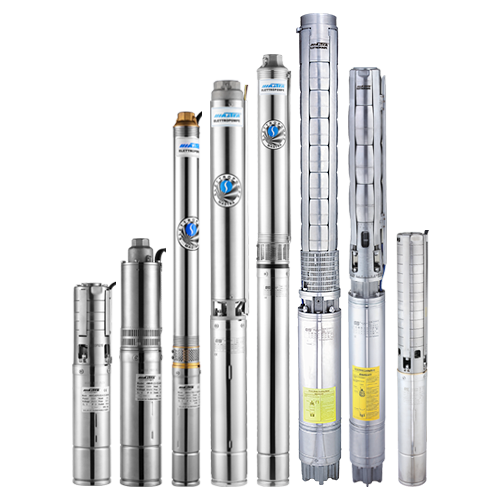
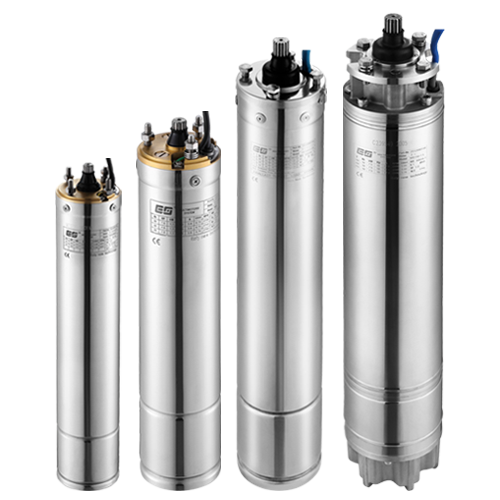
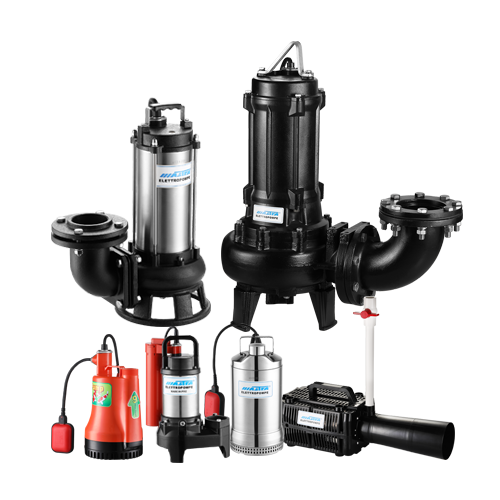
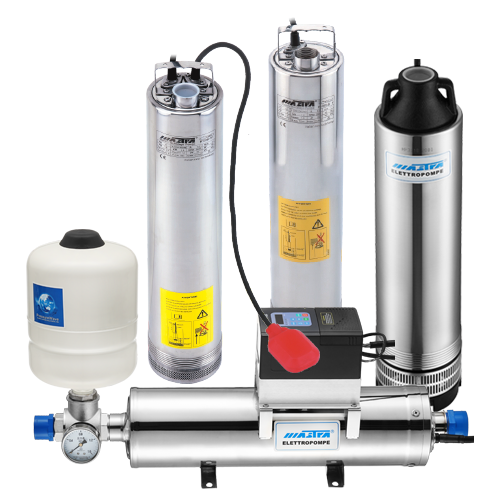
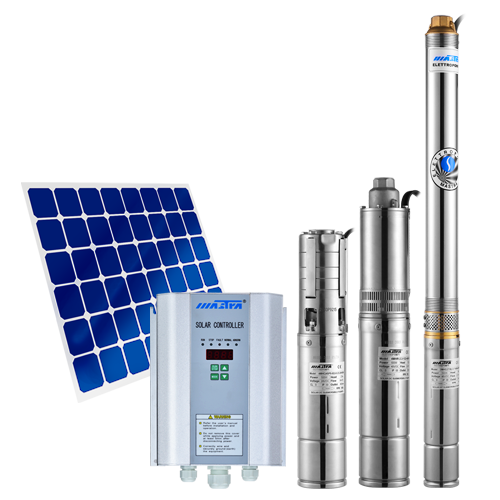
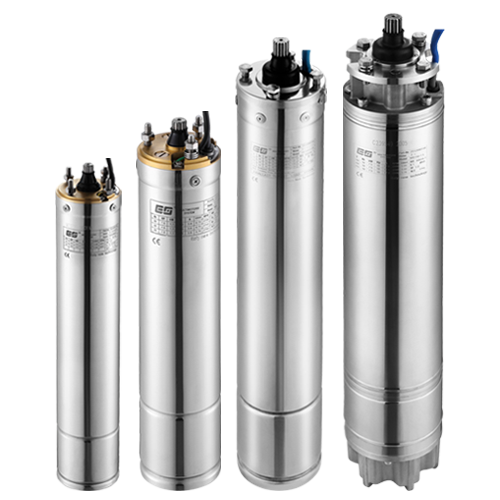
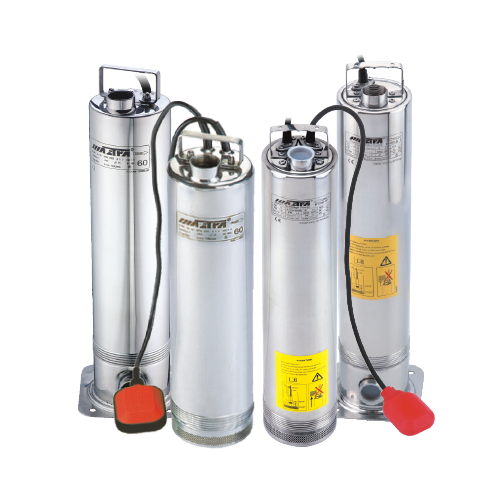
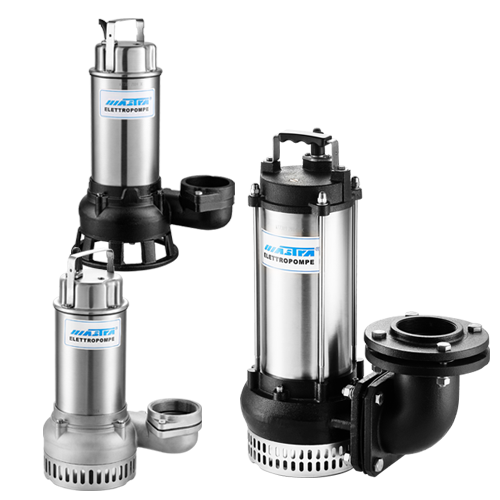
Installing a solar submersible pump involves five recurring technical hurdles: unstable solar input, well-water corrosion, cable voltage drop and sealing failures, grounding and lightning protection gaps, and component mismatch between pumps, controllers, and panels. Each challenge has a proven, practical fix, and understanding them upfront is what separates a solar well pump system that runs reliably for a decade from one that fails within its first rainy season.
The technical learning curve is one of the biggest barriers keeping more farms, ranches, and remote communities from adopting solar-powered water pumping. Unlike grid-tied pumps, a solar submersible pump has to contend with fluctuating power, harsh downhole chemistry, and long cable runs — all at once. This guide breaks down the five most common points of failure in solar submersible pump installation and the engineering solutions that address them, so buyers can avoid costly mistakes before equipment ever goes in the ground.

What makes solar power unstable for a solar well pump, and how do you fix it?
Solar energy output drops sharply on cloudy days and during winter months, which can leave a solar well pump underpowered exactly when water demand is steady. Because photovoltaic generation depends entirely on sunlight intensity and duration, a solar submersible pump system sized only for peak summer sun will often fall short the rest of the year.
The standard solution is to oversize, or "over-provision," the solar array relative to the pump's rated power draw, giving the system a buffer on low-light days. For applications that cannot tolerate any downtime — such as livestock watering or household supply — pairing the array with battery storage adds a reserve of energy that keeps the submersible pump running through extended overcast periods or at night. Combining array over-provisioning with battery backup is the most reliable way to stabilize output across seasons.
Why does well water corrode submersible pump components, and what material stops it?
Groundwater often contains dissolved salts, minerals, and chemical compounds that aggressively corrode standard metal pump components over time, leading to premature failure of the submersible pump. This is one of the most overlooked solar well pump problems because corrosion damage is invisible until the pump has already degraded underground.
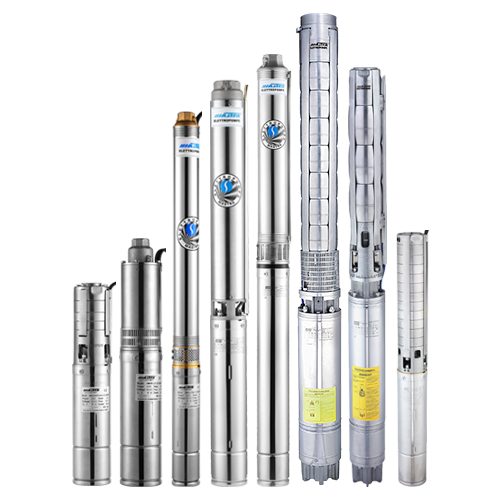
The fix is material selection: pump housings, impellers, and shafts built from 316L stainless steel resist corrosion far better than standard steel or lower-grade stainless alternatives, even in wells with high mineral or salt content. When evaluating a solar submersible pump for a known aggressive well, confirming 316L stainless steel construction should be a non-negotiable step in the buying decision, not an optional upgrade.
What causes cable voltage drop and sealing failures in solar submersible pump installation?
Long cable runs down a deep well create voltage drop that reduces the power actually reaching the pump motor, while poor cable sealing allows moisture ingress that can short the system entirely. Both issues are common causes of submersible pump troubleshooting calls after installation, and both stem from using the wrong cable grade for a submerged, high-moisture environment.
The solution is to use marine-grade, moisture-resistant submersible cable rated specifically for continuous underwater use, sized appropriately for the length of the well to minimize voltage loss. Marine-grade cable is engineered with reinforced insulation and sealed connectors that keep water out even under constant pressure, making it the baseline standard for any solar submersible pump installation rather than a premium add-on.
What grounding and lightning protection does a solar well pump system need?
A solar well pump system is particularly vulnerable to lightning strikes and electrical surges because it combines an exposed rooftop or ground-mounted array with a deep, conductive well casing. Without proper grounding, a single surge event can destroy the controller, the pump motor, or both.
Industry practice calls for a grounding resistance of 4 ohms (Ω) or lower, achieved through dedicated grounding rods and bonded conductors connecting the array, controller, and well casing. Meeting this threshold during installation — and verifying it with a ground resistance tester rather than assuming compliance — is one of the simplest ways to protect the entire solar submersible pump investment from a single storm.
Why is component matching so sensitive in solar submersible pump systems, and what's the fix?
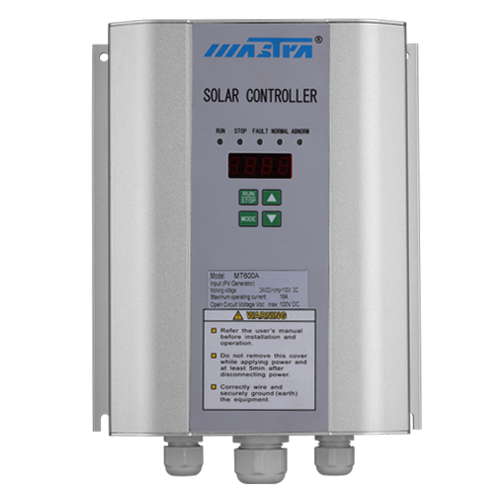
Solar submersible pumps, controllers, and solar panels are engineered as interdependent systems; mismatching components from different manufacturers often causes voltage incompatibility, inefficient operation, or outright system failure. This sensitivity is a frequent, underappreciated source of solar well pump problems, since a pump and controller can look compatible on paper but fail to communicate correctly in practice.
The reliable fix is to use original equipment manufacturer (OEM) matched controllers designed and tested specifically for the installed pump model. OEM-matched components are calibrated to the same voltage curves and protection logic, which eliminates the guesswork — and the failure risk — that comes with mixing third-party parts. For buyers sourcing a complete, pre-matched solar submersible pump system, suppliers such as MASTRA Pump (mastrapump.com) document compatible pump-controller-panel combinations as part of the specification process.